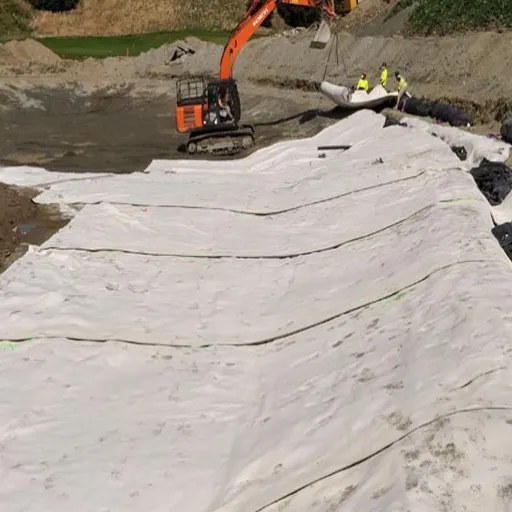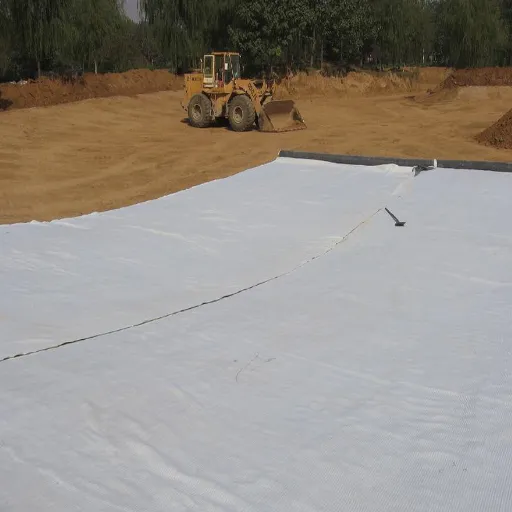
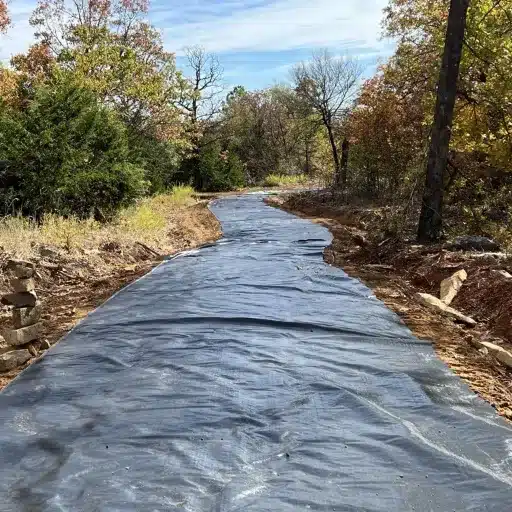
A sturdy base would be necessary for a gravel driveway surface or a landscape enhancement with beauty. Woven geotextile fabric is one of the pivotal factors that is often overlooked in such projects. This versatile fabric can be considered an advantage for your project because of its positive effects on durability, weed control, and even performance, so it is a must-have and welcomed the status of either a homeowner or DIYer. We will explain how woven geotextile fabric works, what its key advantages are, and in what sense it is a technology that disrupts the market for your next outdoor project. Whether you are constructing a large driveway or a small landscape, the first step to achieving a lasting and professional look is knowing the power of this fabric to enhance your results.
Introduction to Geotextile Fabric for Driveways
What is Geotextile Fabric?
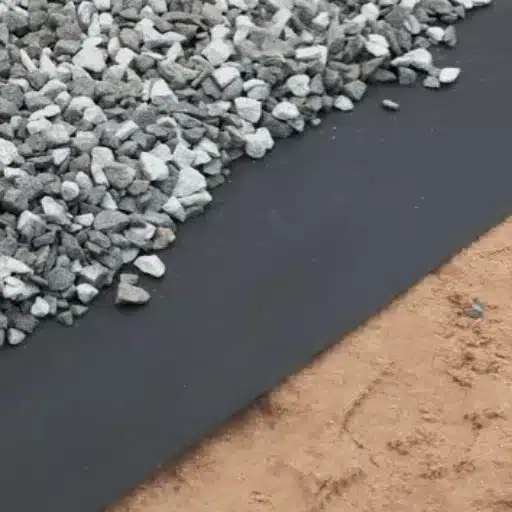
Geotextile fabric is an all-purpose, long-lasting material that finds its place in various applications like construction, landscaping, and civil engineering. It is a man-made, breathable fabric intended to hold soil together, offer filtration, and increase the project life span. It contains polyester or polypropylene as its major materials, and woven geotextile is strong but still flexible which is why it is often used for all kinds of outdoor constructions requiring a solid base like driveways and roads.
This fabric performs some seriously primary functions like, for example, the separation of soil from aggregate, the control of soil loss, and, in addition, the facilitation of water drainage. In the case of driveway installations, for instance, geotextiles would ensure that the gravel does not get mixed up with the soil underneath and at the same time water can access the drainage system reducing the risk of flooding and puddle formation. Research states that the correctly placed geotextile will give the driveway a lifespan that is 50% longer than that with no fabric which eventually results in less frequent maintenance needs.
Moreover, geotextile fabrics have a wide spectrum of types such as woven and non-woven. While Woven geotextile is intended for applications where it is possible to have a heavy load mainly due to its offering of high tensile strength, non-woven geotextile is used in filtration and drainage areas. The specifications such as strength, flow rate, and permeability depending on the use of the product can be different thus it is critical to select the suitable one according to the project’s requirements.
Importance of Geotextile in Driveway Stabilization
Geotextile fabrics are the game changers when it comes to driveway stabilization as they add to the life of the structure and the performance overall. These walls of separation do not let the subsoil and the aggregate together, thus not allowing the mixing of the layers which is a very important aspect in the whole process of eliminating the foundation having to suffer weakening over time. That separation function, however, significantly lessens the chances of ruts, potholes, and unevenness thus the driveway gets durable and stable.
Moreover, geotextiles contribute to better weight distribution and less stress on the weaker ground underneath. For instance, woven geotextiles are the strongest when it comes to the strain they can take in heavy applications where their tensile strength is oftentimes more than 200 pounds per inch depending on the fabric. The geotextile fabric can also mean the user saving money. The findings from the investigation indicate that the reduction of the thickness of the aggregate layer by 50% would be possible if geotextiles are used while letting one enjoy the same performance thus saving costs on materials and installation.
The use of geotextiles also leads to improved drainage especially in regions that are subject to high humidity. When it comes to non-woven geotextiles, water movement can be more than 100 gallons per minute per square foot depending on the product which can be very effective in taking water away from the foundation and not letting it soak in. This not only puts an end to the erosion of the substrate but also accounts for the driveway remaining intact as it is not damaged by the combination of freeze-thaw cycles and heavy rains.
Types of Geotextile Fabrics for Driveways
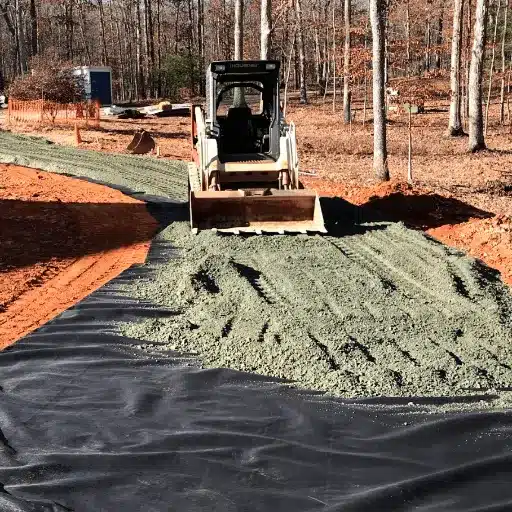
Woven vs. Non-Woven Geotextile Fabrics
Woven geotextile fabrics
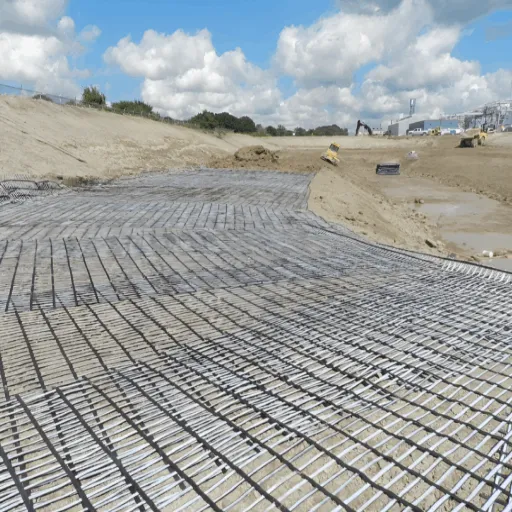
To produce woven geotextiles, synthetic fibers, mainly polypropylene or polyester, are prated into a tight grid structure. This type of fabric is extremely strong and long-lasting, and thus it is suited for various applications where the soil has to be stabilized and load-bearing. According to industry data, woven geotextiles have a tensile strength of 200-315 lbs/in (pounds per inch) depending on the material grade. Their durability allows them to be used in very high traffic areas such as driveways or construction sites where the load and the number of people using the area is very high. On the other hand, woven fabrics have a much lower percolation rate than non-woven ones which means they might not be as effective in drainage applications where the fabric is usually the main factor.
Non-woven geotextile fabrics
In contrast, non-woven geotextiles are made of synthetic fibers that are melted and then either heat, chemicals, or needle punching are used to bring the fibers together. These fabrics have a soft fibrous nature and their main attributes are water permeability and filtration rather than tensile strength. Non-woven geotextiles are generally characterized by a value of 0.3 to 0.5 cm/sec for permeability which implies that water won’t have a difficult time passing through them and this is the reason why they are not only suitable but also a better choice for drainage or erosion control purposes areas. Their tensile strength which is about 90 to 160 lbs/in is nevertheless lower than that of the woven fabric but their flexibility and adaptability make them a perfect fit for applications like driveway underlayment and drainage systems.
Commercial grade geotextile fabrics
Non-woven geotextiles
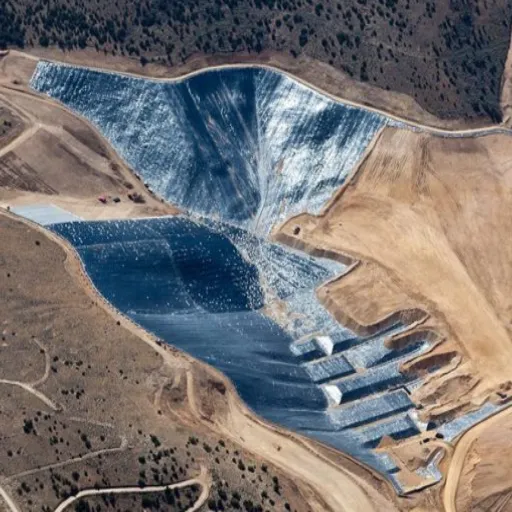
Non-woven geotextiles are primarily used for water filtration, soil and mineral separation, and drainage. They are made by needle-punching or heat-bonding techniques that feature exceptional water permeability while preventing soil particles from passing. Among the most popular options is Geo-tex® 401 with weight ranging from 4 oz/yd² to 16 oz/yd² and tensile strength of over 100 psi depending on the grade selected. These are perfectly suitable for places with a need for proper water management such as roads, landfills, and under-drain systems.
Woven geotextiles
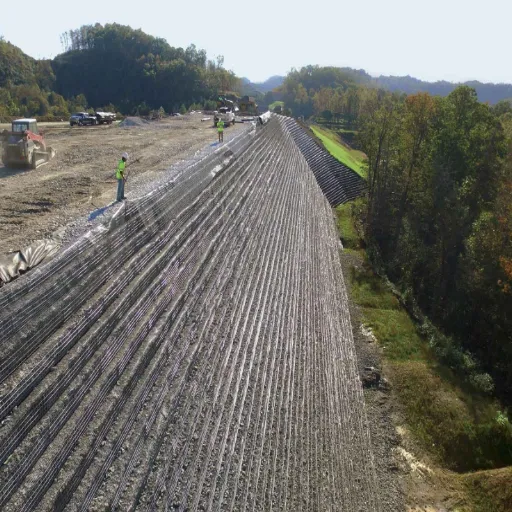
Woven geotextiles are manufactured for the most complex and long-lasting reinforcement and soil stabilization projects. The close-knit construction of the fibers gives them unique strength to take the load. Slit Film and Ultra-Strength Woven products, including the ones by Mirafi® like RS580i, give 400 lbs/in tensile strength as well as being resistant to UV degradation and other environment factors. These products find a wide variety of applications in the field of civil engineering such as the construction of highways, retaining walls, and bridges, etc.
Installation of Woven Geotextile Fabric
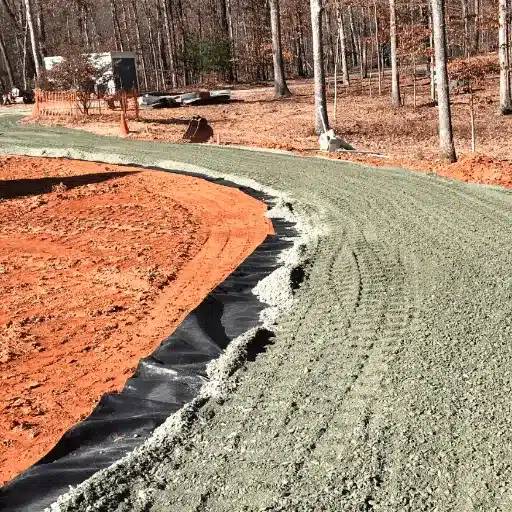
Step-by-Step Installation Process for Woven Geotextile Fabric
Site Preparation
The very first step is taking out everything which might affect adversely the geotextile fabric such as debris, plants, and sharp materials. The area that placement of the geotextiles is done should be flat and smooth. If extra work is required, grade the site, so it is perfectly aligned and sloped all over the area which would contribute more to the working of the fabric in its best manner.
Measurement and Cutting
To measure the application site correctly, carefully measure the dimensions. The woven geotextile fabrics are available in several widths, mostly from 12 to 17.5 feet. After the fabric is cut according to the site, there should be a minimum overlap of about 12–18 inches between the pieces to prevent them from separating when loaded.
Fabric Placement
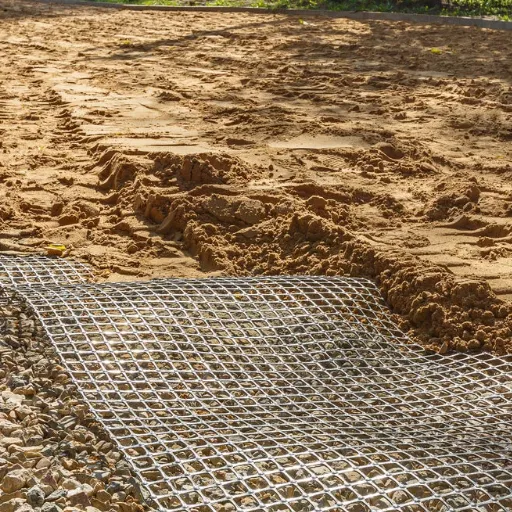
The first thing to do is to spread the fabric on the site and be sure that there are no wrinkles on it. The fabric has to be positioned following the traffic or the load that will be applied on that area because it will add to its tensile strength for these applications of roads and retaining walls.
Anchoring and Overlapping
Staples, pins, or weights should be used to fix the fabric overlaps and edges during the installation process so that no movement is possible. In low-load applications, overlap seams by at least 12 inches and for high-stress areas, it can go to 24 inches. Proper anchoring is very essential in windy conditions as it helps to hold the fabric down.
Backfilling and Compaction
As soon as the fabric is in its place, the area can be backfilled with the material specified such as gravel, sand, or soil, and that very carefully. Distribute the material evenly so the fabric does not get displaced. Compact the backfill gradually by rollers or vibratory compactors that help to reach the desired density and stabilize the installation.
Common Mistakes to Avoid
Not Preparing the Ground Properly
A frequent blunder is the incorrect ground site preparation before the fabric is installed. If the surface is uneven or covered with dirt, the fabric may not make proper contact with the ground, and hence its performance will be reduced. Research shows that poorly prepared surfaces can decrease fabric efficiency by as much as 25%. Always take away sharp materials, rocks, and plants from the site, then flat the ground before fabric installation.
Not Using the Right Overlap Techniques
Another major drawback is not having enough overlap between the sheets of fabric. Depending on the different demands of the project and the anticipated stress loads, the industry has determined a minimum overlap of 12-24 inches (30-60 cm). If this is not done, then the risks of separation during heavy loads or erosion may compromise the structure’s integrity.
Not Properly Securing the Fabric
It is absolutely necessary to tightly anchor the fabric to avoid any movement of it due to operations or environmental factors like wind or water flow. Studies reveal that improper securing of materials makes them 40% more susceptible to early failures. Use robust pins or staples or sandbags at intervals of 3-4 feet and increase density in high-wind or high-traffic areas.
Using Inappropriate Geotextiles for the Project
If you decide on a geotextile fabric that does not meet the specific load capacity, permeability, or stability requirements of your project, you are likely to have a failing system. In case of high traffic or heavy load, light fabrics (e.g. under 200gsm) could get deformed and even torn. It is very important to continuously refer to the manufacturer’s advice and select fabrics that pass the standard, such as a minimum weight of 315gsm or more for heavy-duty applications.
Maintenance and Longevity of Geotextile Fabrics
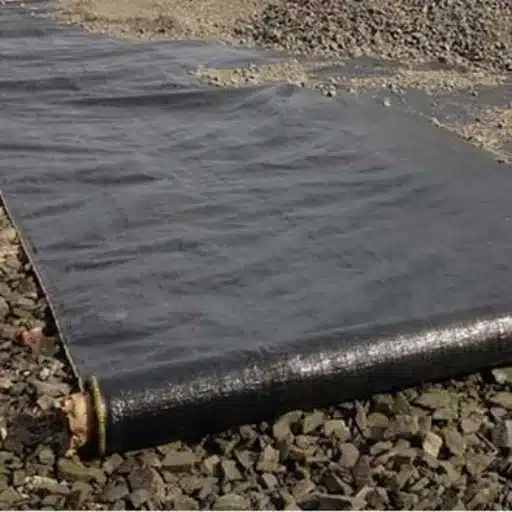
Identifying Wear and Tear
Geotextile fabrics are very essential in your landscaping and should be checked along with your driveway regularly in order to detect any signs of wearing and tearing early. The most common signs are easily visible rips or punctures, uneven gravel surfaces, improper drainage, and too much movement of materials. If these problems are not taken care of, they may reduce the effectiveness of the entire geotextile layer.
As per recent studies, if regular inspections are not carried out, degradation of geotextile materials can be accelerated by up to 30% due to UV rays, heavy traffic, or bad weather conditions. It has been monitored that geotextiles suffer a lot when they are continuously exposed to high moisture especially in poorly graded or non-draining soils. Hence, monitoring continuously will allow to repair or replace the fabric timely which will still distribute the load properly and be long-lasting.
Understanding a 50-Year Fabric Lifespan
Geotextile materials are the most durable and longest-lasting among the others having the market; most companies claim a lifespan of 50 years at most favorable conditions. The main reason for this robust durability is the fabric’s resistance, which is usually made from either polypropylene or polyester; thus, it can bear a lot of stress while at the same time being immune to environmental factors such as UV, water, and various soils.
However, there are many factors that contribute to the actual lifetime of the fabric. The first thing that comes to mind is a good installation; the turning or poorly secured edges can easily lead to early wear. Maintenance that includes regular removal of sediments and debris around the fabric to prevent clogging will keep the fabric functional for years. It is well known that geotextiles in well-graded, draining soils last longer; laboratory testing showing a 90% retention rate of tensile strength after 30 years in ideal conditions.
Cost Considerations for Geotextile Fabric
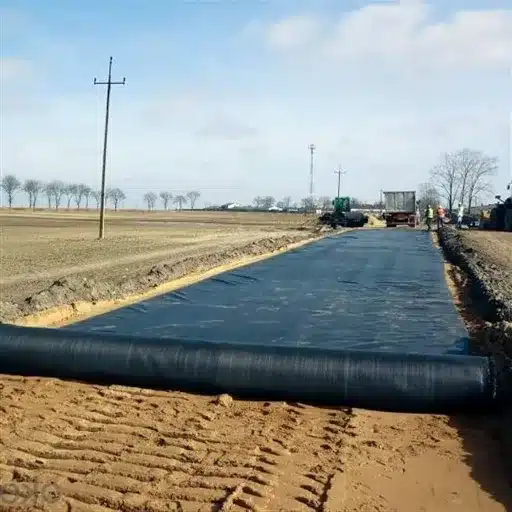
Budgeting for Installation and Materials
Driveway fabric installation, considering its importance, must be planned with maximum detail, and the material and labor costs should certainly be included in the budget for a practical one. Driveway fabric costs, according to the type of fabric and its durability, are quoted ranging from $0.4 to $1.2 per square foot. Thus, the cost of material for a driveway of a standard size of 1,000 square feet will be between $400 and $1,200 and that too according to the previous discussion.
However, installation cost is another factor that needs to be taken into account with the same seriousness. The charges for professional installers are first determined by examining the complexity of the project, the local labor rate, and the preparation and cleaning of the site. Labor costs are typically quoted at $1-$3 per square foot. This further indicates that the labor cost for a driveway with an area of 1,000 square feet would be about $1,000 to $3,000, thus increasing the total budget by this amount.
Besides the fabric, there are also other materials such as gravel or sand that are required to secure the fabric and create the stable base. The gravel costs around $15 to $75 per cubic yard, and an average house driveway needs about 7-15 cubic yards, depending on width and depth. So, the anticipated gravel cost would be $100-$1125.
Comparing Costs: Woven vs. Non-Woven Options
When it comes down to geotextile fabric for a certain project, it is always the case that the pricing differences between woven and non-woven types are well understood. Woven geotextiles make up a fabric category that is typically sturdy and made for heavy-duty usage, like driveways and roads. Their pricing is typically around $0.50-$1.50 per square foot, depending on the quality and the manufacturer. Thus, for an area of 1,000 sq ft project, the price would be approximately $500 to $1,500 just for the fabric cost.
On the flip side, the non-woven geotextiles have better water drainage, filtration, and erosion control, which makes them a more economical choice for less demanding projects. The price for non-woven fabrics ranges from $0.35 to $1.00 per square foot. If the project’s area is the same and measures 1,000 square feet, the cost is reduced to $350-$1,000.
Reference Sources
-
- Key Findings: This study reviews the role of geotextiles in improving water quality within permeable pavement systems. It highlights the behavioral trends of geotextile materials in reducing pollutants and enhancing infiltration rates in driveways and paved areas.
- Methodology: The research involved analyzing geotextile properties and their performance in various permeable pavement setups, including crushed stone driveways.
-
Update on GSI’s Geotextile Highway Separation Study
- Key Findings: This study focuses on the use of geotextile panels for highway and driveway applications, emphasizing their role in separating soil subgrade from base materials to enhance structural integrity.
- Methodology: Field experiments were conducted with geotextile panels placed between soil and base layers, with control sections for comparison.
-
- Key Findings: The study examines the impact of geotextile membranes on pollution control and infiltration rates in permeable paving systems, including stone driveways.
- Methodology: Comparative analysis of permeable paving units with and without geotextile membranes, measuring infiltration rates and pollutant retention.
Frequently Asked Questions (FAQs)
Is it worth employing heavy-duty driveway fabric for a gravel road or paver driveway?
Absolutely — heavy-duty driveway fabric, particularly the woven polypropylene geotextile driveway fabric of industrial grade quality, is beneficial under gravel roads or paver driveways as it provides separation and stabilization. The fabric layer made of woven material and having a tensile strength rating of 200 lbs (or more) assists in not letting the subgrade mix with the gravel, thus, eliminating rutting and enhancing load distribution. It also helps to prolong the life of the paver installation as it provides a strong underlayment and control fabric, thus reducing maintenance.
What is the separation and stabilization layer’s action of drive underlayment?
Drive underlayment works as a geotextile that performs separation and stabilization functions: it separates the subgrade from the aggregate so that the fines do not move up and it stabilizes the surface by distributing the loads. Both woven geotextile landscape fabric and non-woven types can carry out the separation; woven polypropylene provides generally higher tensile strength and puncture resistance while non-woven allows for better filtration and drainage in some situations.
Can driveway fabric be used as a weed barrier or control measure around paving blocks?
When used with a proper layer of aggregate or sand on top of it, driveway fabric can contribute to controlling weeds; hence, terms like weed barrier or control fabric are applicable here. However, no fabric stops the growth of weeds entirely—landscaping staples or sod pins can be used to hold the fabric down, the depth of fabric can be made adequate thus the paving surface will be intact and weeds will be less. The use of UV protected, puncture resistant fabric combined with proper installation methods yields the best outcome.
What are the common fabric specifications I should be looking for: 5oz, 8 oz, or 50-year claims for the fabric?
Fabric specifications are mostly given in terms of weight (for example, 5oz or 8 oz per square yard), tensile strength (for example, rated for 200 lbs or “lbs of tensile strength”), UV protection, and life expectancy (some suppliers advertise “50 year fabric”). For driveway and road applications, it is advisable to go for heavy-duty, woven fabric with a high tensile strength (200 lbs or more is common), puncture resistance, and UV protection in order to ensure longevity. Be careful with the buzzwords—always check laboratory specs and warranty.
Woven or non-woven geotextile landscape fabric, which should I go for driveway stabilization?
Woven geotextile landscape fabric (woven polypropylene) is the most commonly used material for stabilization and separation since it has superior tensile strength, makes less elongation, and has better shear resistance—thus, it becomes very suitable for gravel roads and driveways. Non-woven fabrics are good for filtration and drainage applications but their tensile strength is generally lower than that of woven.