The protection of work sites and heavy equipment requires balanced environmental protection methods, which present businesses with their most difficult operational task. Ground damage and accessibility issues create major obstacles that affect construction project management, outdoor event organization, and sensitive terrain operations. The practical and durable HDPE ground mats provide customers with safe and stable surfaces that maintain environmental protection across multiple applications. The guide will provide complete details about HDPE ground mats, which contain all essential information about their main benefits and features, together with their increasing usage as ground protection systems. The article will provide you with all the necessary information that enables you to decide whether to use these flexible mats for your business requirements.
Understanding HDPE Ground Protection Mats
What are HDPE Ground Mats?
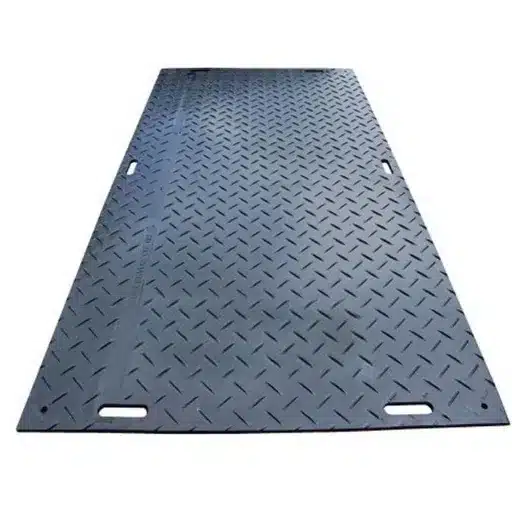
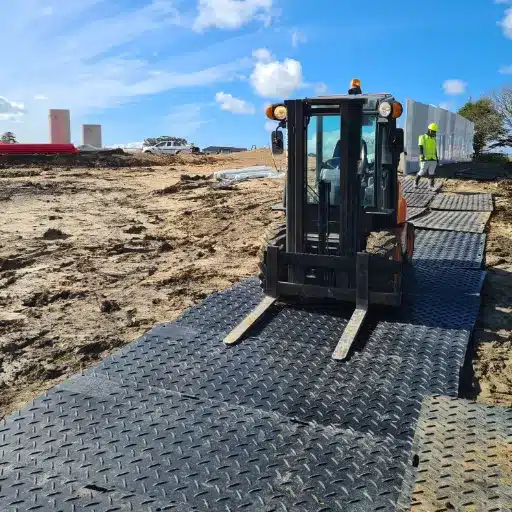
HDPE ground mats function as protective ground solutions that create safe walking paths for heavy machinery, vehicles, and pedestrians while protecting surfaces from damage. The HDPE mats combine low-weight properties with high-strength capabilities, which make them superior to both plywood and metal materials.
HDPE ground mats enable heavy load capacity because they can support weights up to 120 tons. The materials in these products provide complete protection against chemical substances and water while remaining completely dry, which makes them suitable for extreme conditions found at construction sites, oil and gas facilities, event venues, and disaster response areas. The textured surfaces of the equipment create better traction, which helps workers and equipment operators maintain safer operations because it decreases slip hazards.
HDPE ground mats come in a variety of sizes and thicknesses, which makes them suitable for different purposes. The standard equipment sizes include 4’x8′ and 3’x6′ dimensions, which provide different options for various project needs. Users can construct secure pathways or work platforms that permit continuous flow because most mats feature interlocking edges or connectors that create stable connections between their parts.
Environmental sustainability stands as another major benefit. HDPE ground mats remain reusable and recyclable, which makes them better for the environment than disposable plywood products. The mats maintain their original shape because of their extended lifespan, which business owners use to reduce expenses when their mats withstand multiple uses without losing material strength.
The HDPE ground protection mat market worldwide experiences rapid growth according to current industry reports because the construction and renewable energy sectors show increasing demand for these products. The analysts predict that this product will experience market growth at a compound annual growth rate (CAGR) that exceeds 6% during the next several years.
Current requirements for ground protection across various industries can be met through the development of advanced solutions that combine technical features with practical environmental benefits.
Specifications of HDPE Plastic Mats
HDPE plastic mats, which use High-Density Polyethylene material, provide permanent earth protection for various industries, including construction and renewable energy, and event management. The text below describes the main specifications and operational properties of HDPE plastic mats.
- Material Composition: HDPE mats are constructed from high-density polyethylene because this material combines strength and flexible movement with chemical protection, which makes it ideal for use in extreme environments.
- Dimensions: These mats come in various sizes, which start at 4 feet by 8 feet and extend to 8 feet by 14 feet, while their thicknesses range from 0.5 inches to 1.5 inches, which makes them suitable for different uses.
- Weight Capacity: HDPE ground mats can support weights exceeding 120 tons based on their thickness and design, which makes them suitable for heavy machinery and vehicle operation.
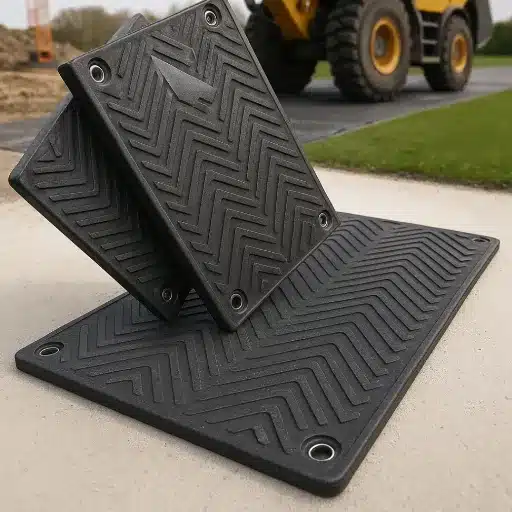
- Surface Design: The majority of HDPE mats come with anti-slip surfaces that exist on either one side or both sides of the mat through the use of chevron patterns, which create traction to stop slipping when surfaces become wet or muddy.
- Temperature Resistance: HDPE mats maintain operational functionality through temperature changes, which allow them to function in temperatures between their maximum operational limit of 176°F (80°C) and their minimum limit of -104°F (-40°C) without developing cracks or warping.
- Eco-friendliness: HDPE plastic materials achieve complete recyclability because they contain recycled content, which reduces environmental impact and maintains high performance standards.
- Longevity and Durability: These mats maintain their usability for multiple years because they can resist damage from UV rays, chemicals, and moisture, which results in cost savings throughout their extended lifespan.
- Industry Applications:
- Construction: The construction process needs stable platforms which serve as operational bases for cranes, trucks, and heavy equipment usage.
- Renewable Energy: The solution provides temporary pathways that connect to solar and wind energy facilities located in isolated areas.
- Special Events: The solution protects grass areas and soft soil areas during outdoor music festivals, sporting events, and concerts.
The recent research shows that demand for HDPE mats has risen significantly because their unique properties enable them to solve current infrastructure problems, which create growth for their international market. The sustainable features of HDPE mats, which provide multiple applications across different industries, make them more attractive to users.
Heavy-Duty Features and Benefits
The essential characteristics of HDPE mats provide multiple advantages that make them vital for industrial applications that need dependable systems that safeguard ground areas and distribute weight. Their complete characteristics are examined through present data and information results.
- Superior Strength and Durability: HDPE mats are engineered to withstand extreme weights and harsh environmental conditions. The heavy-duty mats exhibit a high load capacity, which enables them to support weights reaching 80 tons and above. This equipment proves suitable for use in construction environments that require heavy machinery operations.
- Weather and Chemical Resistance: The mats demonstrate strong protection against UV rays, water penetration, chemical substances, and temperature shifts, which enables them to maintain durability during extended outdoor use. The industry reports indicate that HDPE mats maintain their functionality for more than 10 years when users follow necessary maintenance procedures, which leads to lower replacement costs.
- Eco-Friendly and Recyclable: HDPE mats function as sustainable products because they contain recycled materials, and they maintain complete recyclability. The rising demand for eco-friendly building practices will lead to the worldwide expansion of the HDPE mat market. The market will experience a 6.5% compound annual growth rate according to Fortune Business Insights, between 2023 and 2030.
- Lightweight and Easy to Deploy: The HDPE mats maintain their strength while remaining lighter than other materials, which enables quick handling for installation and removal, and transport. The system generates savings because it needs fewer workers to complete tasks, and it requires less time to finish work on construction sites.
- Cost-Effective Solution: HDPE mats provide companies with a solution that saves money through their durable nature, which removes the necessity for costly foundation work and protects driveways and landscaping elements from damage.
- Versatility Across Applications: HDPE mats provide multiple functions, which include temporary flooring for events and stable ground surfaces for drilling operations and crane use. A 2022 study showed that renewable energy projects, which included wind and solar power systems, increased their usage of HDPE mats to support international environmentally friendly initiatives.
The powerful characteristics of HDPE mats combined with their established operational results position them as the top industry solution for solving complicated ground and infrastructure problems throughout the world. The market demand for advanced materials will keep increasing because businesses prioritize both innovation and sustainability.
Benefits and Applications of HDPE Ground Mats
Advantages of Using HDPE Ground Protection Mats
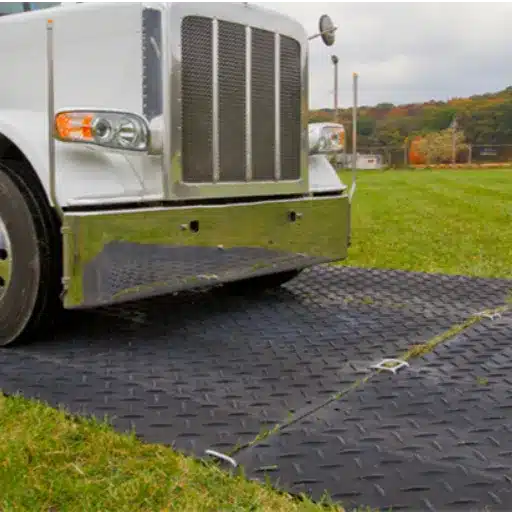
The essential benefits provided by HDPE ground protection mats serve multiple industrial sectors, which include construction, oil and gas, utility maintenance, and renewable energy projects.
- Durability and Strength
High-Density Polyethylene (HDPE) demonstrates exceptional strength and durability because of its superior performance in heavy load situations. The mats made from HDPE material can support weights that reach up to 120 tons, which makes them suitable for use with heavy machinery and vehicles. The materials maintain their durability through extreme weather conditions because they resist cracking, warping, and degradation. - Environmental Sustainability
HDPE plastic material functions as a fully recyclable substance, which establishes it as an environmentally responsible option for ground protection. The environmental impact of using HDPE mats decreases because these materials consume fewer resources than traditional materials, such as timber, which requires forest resources to produce. Their lightweight design reduces transportation emissions because it requires less fuel for movement. - Weather Resistance
The mats protect against severe weather conditions, which include ultraviolet radiation, heavy rain, and snowfall. Their non-porous surface protects against water damage while stopping chemical spills from reaching the environment and provides protection for both equipment and the surrounding area. - Ease of Installation and Maintenance
HDPE mats become easier to install because their lightweight design makes them simpler to handle than steel and concrete products. The interlocking design of their components, together with their anti-slip surfaces, creates safe operating conditions that make assembly and disassembly processes easier to handle. - Cost Efficiency
The total expenses decrease over time because HDPE mats maintain their usability throughout their extended lifespan, which makes them more affordable than standard wooden mats. The system reduces costs that would have occurred for repairs and replacements, and environmental restoration efforts. - Versatility Across Applications
HDPE mats serve as flexible solutions that can be used for various applications that include creating temporary roadways through muddy areas, stabilizing work sites, and protecting the environment. The ability of these materials to function in different environments makes them essential for businesses that need dependable ground support systems.
Companies achieve their sustainability goals through product innovation by usingHDPE mats, which combine operational efficiency with cost reduction benefits. This solution meets the increasing need for environmentally friendly and flexible sustainable solutions.
Common Applications in Various Industries
Ground protection mats find extensive use across a wide range of industries because they deliver stable performance during difficult working conditions. The following applications use current data to demonstrate their main applications.
- Construction
Heavy machinery operates at construction sites, which increases the likelihood of soil erosion and environmental degradation. Ground mats establish a permanent pathway that permits cranes, excavators, and trucks to work without jeopardizing safety while their operations proceed uninterrupted. The current construction industry statistical data shows that the worldwide construction market will achieve a value of $12.9 trillion by 2030, which creates a need for innovative solutions that reduce environmental damage while safeguarding protected areas. - Oil and Gas
The oil and gas industry operates in remote locations, which include wetlands and deserts, because these areas necessitate environmental protection procedures. Ground mats create access roads and drilling platforms, which maintain environmental protection through their temporary operational nature. The oil and gas industry achieved a global market value of more than $4 trillion in 2022 because companies need to use equipment, which includes ground mats that provide durability and reusability. - Renewable Energy
Wind and solar power projects need access to remote fields which include difficult to develop locations. Ground protection mats enable the movement and assembly of heavy equipment which includes wind turbines and solar panels. The renewable energy market projects an annual 8.4% growth rate, which increases the requirement for stable surface support that helps projects become sustainable. - Events and Entertainment
Ground protection mats play a crucial role in supporting large events, which encompass music festivals, outdoor exhibitions, and sports competitions. The mats protect the ground from damage while they create accessible paths that allow people to walk across muddy and wet areas. The global events industry, which reached a value of $1.59 trillion in 2020, depends on ground protection solutions as essential innovations for managing crowds and protecting the environment. - Utilities and Maintenance
Power line and pipeline utility companies work in off-road areas, which create conditions that make it impossible to fix ground damage. Ground mats provide maintenance teams and vehicles with secure access while the system protects the original ground condition. The global utility sector will experience a 7.2% annual growth rate, which indicates a continuing requirement for advanced ground protection systems.
Ground protection mats demonstrate essential industrial value through their industrial applications because organizations now prioritize environmental protection and operational excellence.
Case Studies: Success Stories with HDPE Mats
- Improving Construction Project Productivity
A survey was conducted. It was found out that there are two main reasons why construction projects get delayed. These reasons are ground conditions and problems with how things are organized. Than 40% of construction projects are delayed because of these issues. Construction companies found a way to reduce the time that machines are not working by 25%. This happened because they used mats called HDPE ground protection mats on uneven ground.
The Texas road development project needed a lot of these mats. They had to cover 10,000 feet with connected HDPE mats. This created a base for heavy machines to work on without damaging the soil and causing environmental problems. The construction companies used HDPE ground protection mats to solve these issues with construction projects and machinery downtime. - Improving Safety Standards for Utility Work
Utility companies use HDPE mats to get to areas that are hard to reach. This way, they can keep their equipment and people safe. HDPE mats help prevent accidents on-site. They stop machines from slipping and people from getting hurt. This reduces the number of accidents by 15%.
Enel Green Power uses HDPE mats at its wind farm sites. The company thinks HDPE mats make the work safer and help the environment. They do this by not destroying the land much. HDPE mats are good for keeping people and equipment safe. They are also good for the environment because they do not hurt the land. Utility companies like HDPE mats because they work well. - Sustainable Environmental Impact Reduction
Manufacturers really want to make their operations more sustainable. So they are working hard to make HDPE mats that’re 100% recyclable. HDPE mats are a choice because they are better for the environment. They make 50% to 70% waste than wooden boards and other materials.
For example, the Missouri flood restoration project used HDPE mats to prevent water contamination. This helped keep the ecosystem safe while they were fixing things. HDPE ground protection mats are very important for making work safer and better for the environment. They help in different areas. HDPE mats are a way to improve how things are done, and they are good for the earth. The use of HDPE mats shows that they are useful for making operations better, safer, and more sustainable. HDPE mats are really good for the environment and for work safety. The growing demand for these solutions highlights their importance in meeting modern industrial challenges.
Comparing HDPE with Other Materials
Comparison with Plywood Ground Mats
The comparison between HDPE ground protection mats and traditional plywood ground mats shows major differences in their ability to withstand use, their operational effectiveness, their environmental effects, and their economic efficiency.
- Durability: HDPE ground protection mats provide superior weather protection, water resistance, and chemical resistance when compared to plywood, which breaks, distorts, and degrades after exposure to moisture or heavy weight. The industry reports that HDPE mats have an expected lifespan of 10 years, while plywood mats require replacement after 6 to 12 months of standard usage in demanding environments.
- Load Bearing Capacity: The design of HDPE mats allows them to support very high loads because certain models can handle weights that exceed 50 tons. Plywood mats fail to support heavy machinery because they break into pieces when exposed to high pressure.
- Cost-Efficiency: HDPE mats require higher initial investment costs, but their extended operational period and ability to be reused make them a better value for customers who want to save money in the long run. Plywood mats require lower initial costs, but they need constant replacement and additional maintenance efforts, which increase expenses throughout their entire lifespan.
- Environmental Factors: HDPE mats achieve full recyclability while their waterproof design prevents moisture absorption, which protects the surrounding area from potential pollution. Natural wood plywood mats receive chemical treatment with preservatives, which later leach into soil and water to create threats for the local ecosystem.
- Safety: Work environments require optimal surface traction because workers operate heavy equipment in these spaces. HDPE mats include special anti-slip surfaces that deliver excellent traction during wet and muddy conditions, while plywood mats become extremely dangerous because they develop slippery surfaces.
- Weight and Handling: The design of HDPE mats makes them light enough for users to install and transport without extra effort. A small team with standard tools can deploy equipment because it enables them to work without needing specialized machinery, which costs less and takes less time to accomplish. The handling of plywood mats requires more physical work because of their increased weight and volume.
The comparison shows that HDPE ground protection mats deliver better performance, environmental sustainability, and value through time when compared to plywood alternatives, which makes them the top choice for construction and event management companies.
HDPE vs. Other Plastic Sheets
The plastic sheet material High-Density Polyethylene (HDPE) demonstrates exceptional performance because of its particular set of characteristics and benefits, which it possesses. The material High-Density Polyethylene (HDPE) provides better performance than PVC, acrylic, and polypropylene through its outstanding strength, chemical resistance, and eco-friendly characteristics. The following section presents detailed information about essential components and the necessary information that needs to be understood in order to proceed.
- Durability and Longevity
The material HDPE delivers its practical industrial use properties because it combines high tensile strength with impact resistance. The outdoor durability of HDPE allows it to operate between 20 and 30 years according to industry research, which shows it withstands deterioration from ultraviolet radiation, chemical exposure, and temperature changes. The material lasts for an extended period, which results in decreased expenses for replacements and a reduction of waste throughout its lifespan. - Weight-to-Strength Ratio
The material HDPE achieves a high strength-to-weight ratio while remaining lightweight. The weight of HDPE sheets, which have the same thickness as PVC sheets, is 34% lighter, which makes handling and transporting them easier while reducing installation expenses. - Environmental Impact
HDPE consists of recycled materials and offers complete recyclability, which makes it one of the most eco-friendly plastics available today. The life cycle assessment of HDPE shows that it produces fewer greenhouse gas emissions than PVC and other plastic materials according to current environmental standards. - Chemical Resistance
The material HDPE demonstrates exceptional resistance to both chemicals and moisture because it performs better than acrylic in extreme environmental conditions. The material serves as an industrial and agricultural standard because it resists damage from corrosive materials, which include acids and solvents. - Cost Efficiency
HDPE requires a higher initial investment than certain plastic sheet options, but its extended durability and lower upkeep needs lead to substantial financial savings throughout its lifespan. The research shows that industries using HDPE experience up to 40% lower maintenance costs compared to PVC or acrylic solutions.
The assessment criteria evaluation shows that HDPE serves as the best material choice for building construction, farming and agricultural systems, industrial production, and environmental protection. The material combines strength with sustainability and cost-effectiveness, which allows it to maintain its usage in various industries.
Durability and Weight Capacity: 120 Tons Explained
HDPE (High-Density Polyethylene) maintains its reputation as a strong material through its ability to endure heavy loads because of its superior strength-to-weight ratio. The material achieves a maximum load capacity of 120 tons because its molecular design creates materials that maintain their shape while allowing movement under pressure. The product delivers perfect performance for sectors that require dependable materials that can withstand heavyweight demands.
According to recent data, HDPE has become a common material for infrastructure projects, which include piping systems and industrial storage tanks. The study of HDPE pipes found that these pipes experienced a failure rate of less than 0.2% per kilometer per year, which demonstrated their ability to endure tough environments.
The structural capabilities of this material have improved through the development of reinforced HDPE materials, which were created using advanced HDPE fabrication methods. The data shows that reinforced HDPE provides 20% greater tensile strength than standard HDPE, which makes it suitable for applications that require extreme load-bearing strength.
The environmental containment applications of HDPE make use of its innovative properties because the material maintains its strength under heavy loads. The combination of durability, weight capacity, and sustainable properties lets HDPE maintain its status as the preferred material for various high-stress environments.
Choosing the Right HDPE Ground Mats for Your Needs
Factors to Consider When Selecting Mats
The selection process for HDPE ground mats needs testing of critical features that determine if the mats meet your specific requirements.
- Load-Bearing Capacity
HDPE ground mats are built to handle an extensive range of weight capacities. Heavy-duty ground mats, which are used in construction, oil and gas operations, and other industries, require heavy machinery support to sustain loads that exceed 120 tons. Make sure your project weight requirements match the mat specifications before proceeding. - Size and Thickness
The size of the mats determines their ability to function in different situations. Standard HDPE mats are available in sizes like 4 ft x 8 ft or 3 ft x 6 ft, with thicknesses ranging from 0.5 inches to 2 inches. The material provides better strength and flexibility through its increased thickness. - Weather Resistance
The HDPE ground mats provide excellent protection against extreme weather conditions. The material remains unbroken and unwarped when exposed to temperatures between -100°F and 180°F. The HDPE mats provide dependable performance in both hot and cold climates because they maintain consistent functionality throughout all seasons. - Surface Design
The majority of HDPE mats include textured surfaces that feature patterns like chevron and diamond to improve grip and stop users from falling. This is particularly critical in wet or muddy environments, where maintaining stability for personnel and equipment is necessary. Some mats also feature double-sided patterns for added versatility. - Environmental Impact
The growing importance of sustainability makes HDPE ground mats a responsible choice for environmental protection. The products are constructed from materials that can be fully recycled, and their extended lifespan decreases the need for replacement products. The use of HDPE mats results in less ground disturbance, which helps to protect natural ecosystems. - Cost-Effectiveness
The long-lasting performance and high strength of HDPE ground mats make them cheaper than steel and aluminum mats because their durability lasts longer than these materials. The products use lightweight components, which lead to reduced costs for both shipping and putting them into operation.
The evaluation process requires you to assess multiple elements while comparing them to your project’s requirements, which enables you to choose the best HDPE ground mats for efficient operational performance.
Custom Sizes and Bulk Pricing Options
The selection process of HDPE ground mats requires assessment of custom size options, which provide solutions for your particular project requirements. Many manufacturers offer customized solutions that can meet the specific needs of different sites through their capability to deliver dimension specifications and weight limit requirements. The data shows that standard HDPE ground mats have dimensions between 4×8 feet and 8×12 feet, which enables them to support weight loads reaching 80 tons. These materials serve industrial purposes across construction sites, oil and gas facilities, and heavy equipment work environments.
The bulk purchasing options create major cost savings for projects that require large-scale implementation. The current market trends show that customers who purchase larger quantities will experience decreased costs because they will pay less per unit, which varies from 25 to 30 percent depending on the supplier and order size. Customers who purchase bulk deals will receive additional benefits, which include faster delivery times and extended warranty periods, thus providing customers with better value for their long-term business needs. The suppliers who provide pricing tiers and customization options should be contacted to get pricing information, which will help you optimize your spending.
The use of custom sizing together with bulk pricing options enables businesses to achieve better operational performance while decreasing their total expenses.
Reference Sources
- Key Findings: This study examines the long-term durability of HDPE geogrids exposed to chemical and environmental factors in a landfill setting. It reports that HDPE geogrids maintain good performance even after 20 years of exposure.
- Methodology: Experimental analysis was conducted on HDPE geogrids retrieved from a landfill, focusing on changes in their mechanical and chemical properties.
- Key Findings: This study monitors the performance of an HDPE cover system over five years at a reclaimed mine waste rock pile. It highlights the effectiveness of HDPE covers in preventing water infiltration and controlling environmental impacts.
- Methodology: Field monitoring and data collection were conducted over five years to assess the performance of the HDPE cover system.
Frequently Asked Questions (FAQs)
What Are Ground Protection Mats and What Is The Purpose of HDPE Material Use?
The ground protection mats serve as durable, movable systems that protect ground surfaces of construction and landscaping sites and areas that experience heavy machinery operation. The mats use HDPE (High-Density Polyethylene) as their primary material because it provides the needed strength and flexibility to protect against moisture, chemical substances, and ultraviolet radiation. The HDPE mats operate effectively in heavy-duty industrial applications while requiring minimal environmental footprint.
How Durable Are HDPE Ground Mats?
HDPE ground mats display outstanding strength, which allows them to endure severe operational damage. The materials maintain their integrity when subjected to heavy weights from all types of vehicles, machinery, and equipment. The material maintains its performance in demanding situations because HDPE withstands both physical abrasion and chemical exposure and extreme weather conditions, which makes it suitable for enduring use in construction areas and delicate natural environments.
Are HDPE Mats Environmentally Friendly?
HDPE mats achieve an eco-friendly status because they support recycling programs while maintaining long-lasting durability, which reduces the requirement for product replacements. The materials protect natural ground conditions because they prevent soil compaction and damage during their operational period. HDPE contains non-toxic elements, which result in its environmental effects during its complete lifecycle.
What Applications Are Common for HDPE Ground Protection Mats?
HDPE ground protection mats find extensive application across multiple sectors, which include construction, mining, landscaping, and event planning. The materials function as temporary roadways, construction access pads, and protective barriers for sensitive areas like lawns and wetlands. The products serve different purposes because they can handle both heavy-duty operations and light operational tasks.
How Do I Choose the Right HDPE Ground Mat for My Project?
You need to understand your project requirements before selecting an appropriate HDPE ground mat. The evaluation process requires simultaneous assessment of load capacity, terrain type, and active usage duration. Heavy construction projects need to use reinforced mats, which have greater thickness, while pedestrian areas and light equipment zones require lightweight mats. The process of finding the best solution for your business requirements requires you to speak with manufacturers and suppliers.
How Should HDPE Ground Mats Be Maintained?
You can easily maintain HDPE ground mats because their maintenance process remains simple. Users need to clean the mats after their operational period to eliminate all dirt and debris, and chemical residues. Regular inspections enable the detection of cracks and damage that may interfere with their operational capabilities. The mats that remain in storage during times of non-use will have their lifespan extended because storage facilities provide complete protection from direct sunlight exposure.