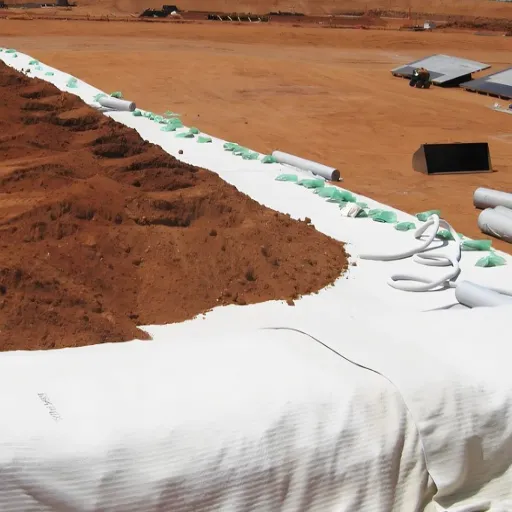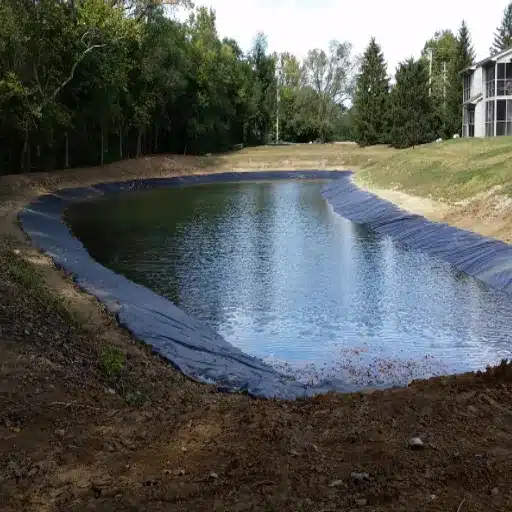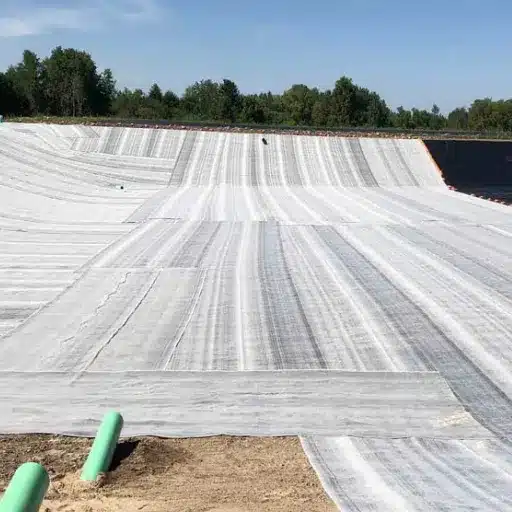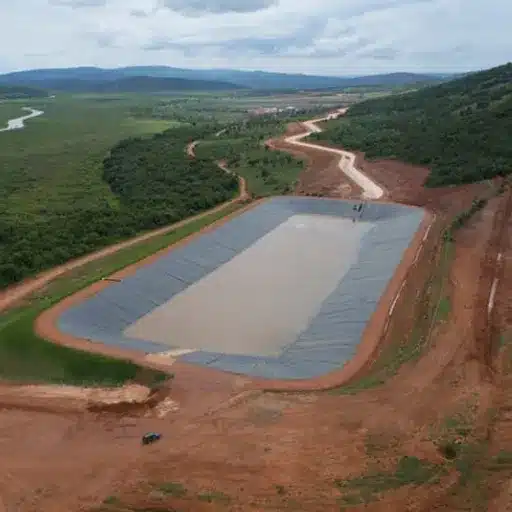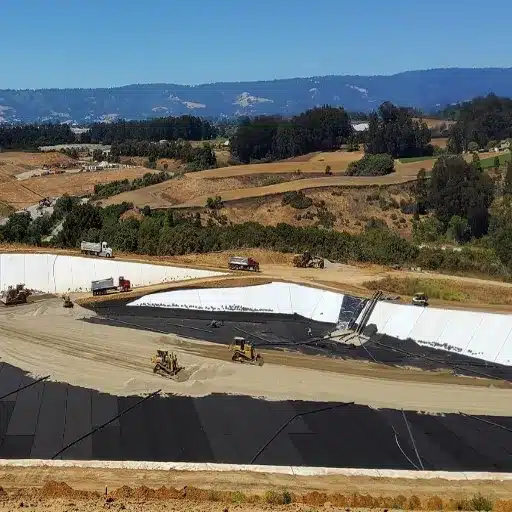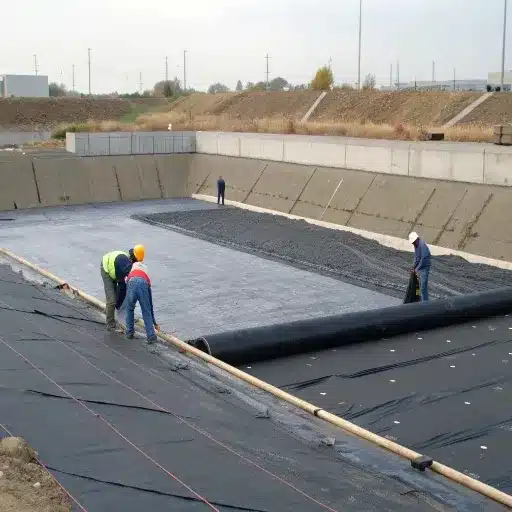
The construction industry, agricultural sector, and environmental projects use PVC geomembrane liners because these materials provide both long-lasting waterproofing solutions and effective erosion control methods. The construction industry, agricultural sector, and environmental projects use these high-performance liners because they deliver dependable protection and stability across multiple operational settings. The multitude of available options makes it difficult to identify which products provide actual value and high-quality performance. The guide presents six wholesale PVC geomembrane liner options, which will help you select the best product for your particular project requirements. The comparison will show the distinctive characteristics and functional uses that make these liners different from each other in the existing market.
Introduction to PVC Geomembranes
The Importance of PVC Geomembranes in Industrial Applications
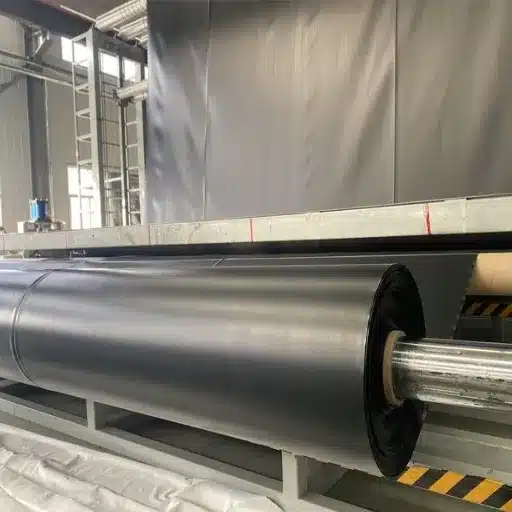
The industrial field and environmental field depend on PVC geomembranes because they provide long-lasting durability, flexible application, and resistance to chemical substances. The liners serve multiple containment functions, which include protecting landfills, wastewater treatment ponds, and mining sites from environmental pollution. The material can be applied in multiple fields, including aquaculture, agriculture, and civil engineering.
The current market research indicates that PVC geomembranes provide strong tensile strength, which enables their products to stretch more than 300% before reaching their breaking point. The membranes provide better value than HDPE or LDPE liners because they require less effort to install while providing extended operational durability.
PVC geomembranes function properly under extreme temperature conditions because they maintain their ability to move freely between -20°F and 140°F, which allows them to operate in all climate environments. The material demonstrates chemical resistance because it withstands damage from multiple types of acids and bases and organic substances.
The global PVC geomembrane market experienced continuous growth in recent years because people became more aware of environmental protection, while governments enforced regulations about containment. A report by MarketsandMarkets projects the geomembrane market to reach $5.8 billion by 2025, with PVC being a key segment driven by its balanced properties and utility in critical applications. The industrial sector requires PVC geomembranes more than ever because of their crucial role in production processes.
Overview of PVC Geomembrane Liners
The PVC geomembrane liners serve as flexible yet durable polymer sheets that various industries use to create containment systems that protect the environment. The mechanical properties of PVC geomembranes, together with their chemical resistance and flexible design, enable their use as the preferred material for landfill liners and water containment projects.
The PVC geomembranes provide their users with a major benefit because their materials exhibit both high elongation capabilities and strong protection against punctures, which enables their operation in situations with extreme pressure and shifting soil. The PVC geomembrane market has a projected compound annual growth rate of 7 percent according to market research, which extends from 2021 to 2028. The market experiences strong growth because emerging markets dedicate more funds to infrastructure development, while businesses increasingly adopt environmentally friendly methods.
The PVC geomembranes provide easy installation procedures, which enable projects to complete work in less time while saving on labor expenses. The facilities operate as permanent structures that maintain their operational capabilities when exposed to adverse environmental conditions in wastewater treatment facilities, mining operations, and irrigation systems. The material now provides improved UV resistance and thermal stability because recent technological developments in manufacturing enable its use in extreme climatic conditions.
The Asia-Pacific region accounts for about 45 percent of PVC geomembrane demand according to industry reports because the region’s industrialization and urbanization growth create higher needs for infrastructure development. The introduction of new geomembrane technologies will continue through time, but PVC liners will remain essential for maintaining safety and environmental protection in crucial industrial processes.
Objectives of This Article
The research article provides complete details about PVC geomembranes, which include their advantages, their various uses, and their technological progressions. The PVC liner demand patterns will be demonstrated through a combination of industry expertise and present market information. The MarketsandMarkets report predicts that the global geomembranes market will experience a 9.4% compound annual growth rate, which will result in a market value of $3.7 billion by 2026. The market growth occurs because waste management, mining, and water conservation initiatives show increasing demand for PVC geomembranes.
Our study will investigate the environmental protection and resource efficiency benefits that PVC geomembrane systems provide to sustainable development goals. The advanced polymer technologies that have been integrated into PVC liners now provide superior strength, flexibility, and resistance properties for use in severe environmental conditions. The article provides readers with essential information that enables them to decide which PVC geomembranes their industries should use. Our research will demonstrate that PVC geomembranes offer a crucial solution that solves current infrastructure problems through our case studies, analytical findings, and new technological developments.
Key Specifications and Material Properties of PVC Geomembranes
Physical Properties of PVC Geomembrane Liners
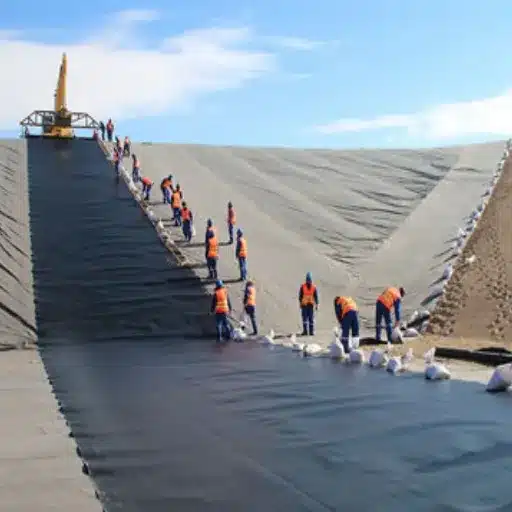
The PVC geomembrane liners show crucial physical characteristics that allow their application in various infrastructure projects and environmental protection initiatives. The materials show three essential properties that enable them to withstand mechanical forces while protecting the containment systems from leaks.
- Thickness and Weight
PVC geomembranes come in different standard thicknesses, which range from 0.5 mm (20 mil) to 2.0 mm (80 mil) for different uses. The weight of these liners increases their ability to resist punctures and mechanical harm, which proves especially useful during challenging situations when they experience heavy loads. - Tensile Strength
PVC geomembranes demonstrate high tensile strength, which exceeds 15 MPa (megapascals), which enables them to maintain their shape when under tension. The material maintains identical performance characteristics when subjected to different stress levels and environmental temperature variations. - Temperature Resistance
PVC liners maintain operational efficiency throughout their functional temperature range, which extends from -20°C to 60°C (-4°F to 140°F). The materials possess the ability to function in both low-temperature and high-temperature environments because of their cold flexibility and high-temperature stability. - Chemical Resistance
PVC geomembranes perform exceptionally well in locations where industrial chemical spillage occurs. The materials maintain their performance ability because they can resist degradation from acids, salts, and hydrocarbons, which makes them suitable for industrial use and waste containment systems. - Water Vapor Transmission
PVC geomembranes demonstrate waterproofing and barrier performance through their low water vapor transmission rate, which measures less than 1 x 10⁻⁶ cm/s. The material prevents water from seeping through, which makes it necessary for use in lining reservoirs, canals, and ponds.
PVC geomembranes achieve modern engineering project requirements through their material characteristics and advanced production methods.
Comparison with Other Geomembranes (HDPE, EPDM)
The materials PVC geomembranes, HDPE High-Density Polyethylene, and EPDM Ethylene Propylene Diene Monomer find common application in civil and environmental engineering work. Yet their performance depends on three essential factors, which include their ability to bend, their ability to sustain damage, and their efficiency in delivering results.
- Flexibility: The advanced PVC geomembranes exhibit exceptional stretchability, enabling simple installation on complex shapes. The rigid nature of HDPE requires exact installation methods because any stress on the material will create cracks. EPDM maintains decent flexibility, but its mechanical strength falls short of PVC.
- Durability: HDPE demonstrates exceptional ability to resist chemical substances, ultraviolet light, and extreme temperatures, which makes it appropriate for hazardous waste containment purposes. PVC geomembranes offer moderate chemical resistance and superior waterproofing performance because they prevent water from passing through their material. EPDM delivers exceptional protection against both weathering and ultraviolet radiation, yet it should not be used for prolonged contact with certain chemicals.
- Water Permeability: PVC exceeds all other geomembranes because it achieves a water vapor transmission rate below 1 x 10⁻⁶ cm/s, whereas HDPE and EPDM show slightly higher transmission rates. This feature makes PVC an excellent choice for waterproofing applications, which include canal liners and landfill liners.
- Environmental Consideration: HDPE becomes fully recyclable, which enables its use as a sustainable material in various applications. The PVC manufacturing process raises environmental concerns because it produces chlorine, while EPDM becomes less environmentally friendly because it cannot be recycled.
- Thickness and Longevity: A study found that HDPE endures for approximately 36 years in tough conditions, while properly installed and maintained PVC geomembranes have a lifespan that reaches 20-30 years. EPDM typically lasts around 15-20 years in similar conditions.
Project teams must evaluate specific project requirements, which include exposure conditions and expected stresses and installation methods, to make material selection decisions. Engineers can accomplish their project goals through the combination of these geomembranes, which creates customized solutions for contemporary engineering needs.
Understanding Thickness and Texture Variations
The thickness and surface characteristics of geomembranes determine how well different applications work. Geomembranes have a thickness range from 0.5 mm to 3 mm, which enables them to withstand puncture damage and environmental forces. HDPE geomembranes offer thickness options from 0.75 mm to 2.5 mm, which makes them suitable for demanding applications like landfill liners and mining leach pads. The 0.5 mm to 1 mm thickness range of LLDPE and other thinner membranes enables them to provide better flexibility for uneven surfaces, yet they need extra layers or reinforcements for protection in high-stress situations.
Textured geomembranes have surface designs that create better frictional properties to prevent slippage when they are installed on slopes. The materials function as landfill caps and create steep retention ponds, which enhance stability. The manufacturing processes have progressed through co-extrusion and calendaring, which enable manufacturers to control texture patterns and thicknesses, thereby creating materials that meet specific design requirements.
The recent industry reports demonstrate that project requirements should determine the selection of thicknesses and textures for engineering projects. The use of thicker membranes in industrial containment facilities that experience high-load operations leads to a 30 to 40 percent increase in stress resistance, while textured surfaces provide 20 percent better anchorage than smooth surfaces in slope applications. The choice of geomembrane properties shows evidence that scientists can use to achieve both material durability and operational efficiency.
Common Industrial Applications of PVC Geomembranes
PVC Geomembranes in Aquaculture: Fish Farms and Ponds
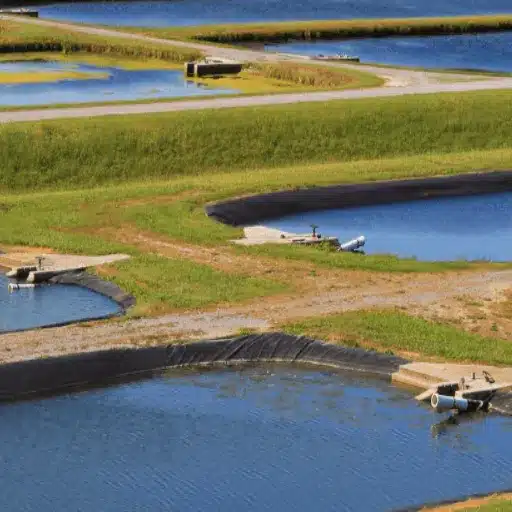
Aquaculture requires PVC geomembranes because their properties provide flexible and durable protection against environmental threats. The construction industry uses these materials to build fish farms and hatcheries and pond liners because they provide effective water retention while stopping water leaks. The research shows that PVC geomembranes demonstrate better UV protection because they protect against sunlight damage, which allows their use in outdoor environments for extended time periods.
The material maintains flexible properties that enable it to conform to pond bed irregularities and complex shapes, thus preventing the formation of cracks or voids that would disrupt its operational capacity. PVC geomembranes display low permeability properties because their water absorption rates usually stay below 0.1%. The process enables effective water management, which maintains constant aquatic conditions required for fish development while reducing water replacement costs by 25%.
The research shows that specially designed PVC geomembranes with textured surfaces increase mechanical anchorage in sloped aquaculture applications by more than 15%, which helps to stop liner movement. The membranes protect against damage from both alkaline and acidic environments because they can tolerate a wide pH range, which exists in intensive aquaculture systems. Aquafarmers select PVC geomembranes as their primary choice because these materials provide them with both economical and dependable solutions.
Waste Management: Landfill Liners and Waterproofing
The waste management system requires PVC geomembranes, which serve as landfill liners and waterproofing systems. The geomembranes create a complete barrier that stops leachate from entering both the surrounding soil and groundwater. The permeability rate of PVC geomembranes shows that they achieve environmental protection because they allow less than 1 × 10⁻¹² cm/sec of water to pass through their material. The material can bend because its design lets it move with surface height changes while keeping its operational power during tough environmental conditions.
Geomembrane technology now offers improved material durability and chemical resistance capabilities through the latest technical advancements. The new PVC geomembranes exhibit long-lasting capabilities because they endure dangerous chemical contact, UV light exposure, and extreme temperature changes. The operational life of high-quality PVC landfill liners can exceed 30 years, according to data reports, which show that proper installation and maintenance extend their use. The new technologies achieve both environmental regulation compliance and decreased long-term maintenance expenses for landfill operators. PVC geomembranes provide a dependable and eco-friendly method to shield ecosystems from waste material effects.
Mining Applications and Environmental Protection
Mining operations depend on PVC geomembranes because the material enables environmental protection and helps companies fulfill their legal obligations. The material functions as a liner that prevents tailings ponds and process solution containment, and heap leach pads from contaminating soil and groundwater. The research shows that large mining operations that use geomembrane liners achieve near-zero seepage rates, which prevents any dangerous materials from escaping.
Material technology advancements produced reinforced PVC geomembranes, which deliver high tensile strength and resistance to chemical degradation. The research shows that properly installed geomembranes can protect against extreme mining chemicals for 50 years, which proves more effective than previous protection methods. The materials assist organizations in meeting strict environmental requirements, which include the EPA mandate that mining operations must use strong containment systems.
Mining companies that use PVC geomembranes create two benefits because they protect local ecosystems and reduce costs from environmental cleanup operations, legal responsibilities, and contamination-related fines. The mining industry benefits from geomembrane technology because it provides economical solutions that protect the environment.
Installation Best Practices for PVC Geomembranes
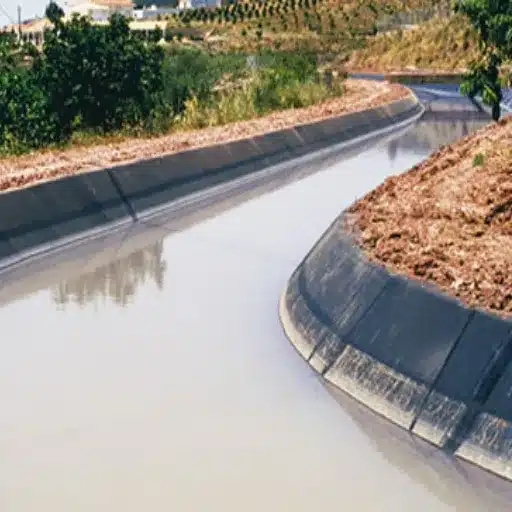
Step-by-Step Installation Guide
- Site Preparation
Site debris, sharp objects, and vegetation must be removed from the installation area until complete site clearance occurs, which will eliminate all potential risks of geomembrane puncture. The subgrade reaches its optimal condition when it achieves complete smoothness, which makes all ground elements invisible. The surface requires compaction until it reaches 90% of standard proctor density, which applies to that specific soil type, to maintain proper stability. - Unrolling the Geomembrane
The team must carefully unroll the PVC geomembrane across the preprepared site. The installation process requires the material to remain flat, while all wrinkles and folds need to be removed. The operation requires heavy-duty equipment, together with rollers, when installing large-scale projects. Market data indicates that effective unrolling can reduce installation time by up to 20%, which leads to decreased labor expenses for the project. - Seaming and Welding
The geomembrane sheets require proper seam connection through 3 to 6-inch overlapping of adjacent sheets. The seams will be securely joined through the application of hot-air and extrusion welding methods. Testing samples from welded seams is essential to verify their strength because ASTM standards require PVC geomembranes used in industrial applications to achieve a minimum peel strength of 15 pounds per inch. - Anchor Trenches
The geomembrane edges get stabilized through anchor trenches, which prevent any movement of the material. The installation site perimeter requires trenches to be dug with a standard measurement of 12 inches deep and 12 inches wide, although actual dimensions may change according to site conditions and project needs. - Leak Testing and Quality Control
The testing process includes both vacuum box testing and air pressure testing, which verify seam integrity and detect any potential leaks. Studies show that early detection can reduce repair costs by up to 30%. The visual inspection process needs to inspect the entire surface, which should detect all errors that need correction before the final covering stage. - Covering and Protection
The geomembrane needs protection through a testing process, which shows successful results by using a protective layer of sand, gravel, or soil. The material protects against both UV degradation and all types of external damage. Research indicates that protected PVC geomembranes have a lifespan of over 20 years, which provides long-lasting performance and sustainable results.
Mining operations establish mining operations through best practices, which create a containment system that protects the environment while meeting the operational requirements of their organization. Organizations achieve financial advantages through correct PVC geomembrane installation because it helps them meet environmental obligations that comply with current industry standards.
Factors Affecting Long-Term Durability
The lifespan of PVC geomembranes depends on various factors, which include environmental conditions, material composition, installation quality, and maintenance practices. The research results demonstrate that proper membrane installation with correct protection methods achieves effective defense against chemical substances and ultraviolet radiation. The current data indicate that ultraviolet light exposure leads to unprotected geomembrane degradation at an annual rate between 1 and 2 percent, which varies according to climatic conditions. The protective layers through soil cover or geotextiles create extended material lifetimes because these elements efficiently block ultraviolet radiation.
The PVC geomembrane composition stands as another deciding factor. The higher-grade PVC formulations that contain stabilizers and plasticizers demonstrate greater resistance to both temperature changes and mechanical forces. The industrial analysts’ report from 2023 shows that geomembranes with a thickness of 1.5mm or more exhibit up to 30% improved resistance against puncture and tear damage, which results in extended product life.
Success requires correct installation methods. The combination of poor seam methods with inadequate welding procedures results in leaks that cause operational failures. Hot wedge welding and extrusion welding represent advanced technologies that enhance seam reliability through their ability to maintain seal integrity across multiple force testing scenarios. Organizations can maintain their operational capabilities through maintenance procedures, which include regular system checks and repair work that protects against expanding damage.
The modern containment system requirements find their economic and durable solution through PVC geomembranes, which use advanced material protection technology.
Common Mistakes to Avoid During Installation
The proper installation process of PVC geomembranes establishes essential requirements that determine their operational capability and service life. The most common mistake that installers make happens when they start work without doing proper surface preparation. The surface that supports the geomembrane must stay level and free from sharp objects, while it needs to have a proper slope design to prevent possible damage. Current industry standards require subgrade compacting to reach a minimum 95% of maximum density because this practice will prevent grounded material from moving, which endangers the geomembrane system’s protection.
The second major installation error that people should avoid involves performing insufficient seam welding. The statistical data show that poorly welded seams cause 80 percent of geomembrane failures. All welding activities must take place at approved temperature and humidity levels while using tested and authorized equipment. The production of vacuum box tests and air channel tests after welding work establishes the foundation for testing seam strength and continuity verification.
The performance of a system gets affected by two major factors, which include inadequate anchoring methods and incorrect placement handling techniques. Recent research studies estimate that poorly secured geomembranes experience displacement during high winds and hydraulic pressure, which leads to decreased operational efficiency. Dedicated personnel who follow manufacturer guidelines solve installation problems by enabling proper functional system setup.
Wholesale PVC Geomembrane: Top Suppliers Worldwide
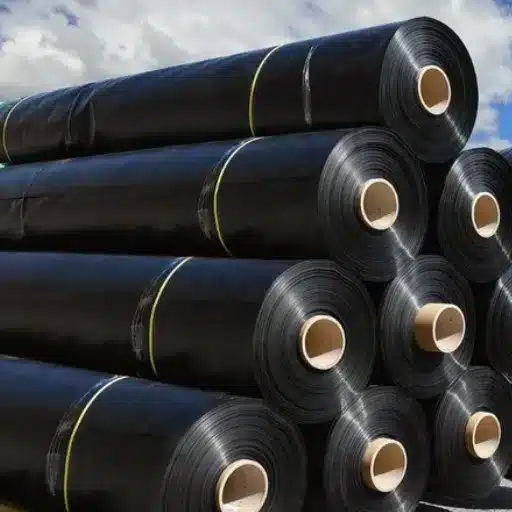
1. ShengXing (Shanxi Shengxing Building Materials Sales Co., Ltd)
ShengXing (Shanxi Shengxing Building Materials Sales Co., Ltd) has secured the top position for our 2026 ranking. ShengXing operates as a primary wholesale center that supplies construction materials and geosynthetic products to its clients while providing complete supply chain management services. The organization provides its customers with more than basic products because it functions as a business partner that supports major infrastructure development projects. The platform ConstCMart provides a contemporary solution for procurement, which enables users to connect premium manufacturing capabilities with worldwide construction requirements. The company supplies bulk PVC geomembranes that meet international standards for waterproofing and containment applications.
2. Solmax International
Solmax is the biggest geosynthetics manufacturer in the entire world. Through its acquisition of GSE Environmental, which combined two major companies into one strong company, Solmax became an industry leader. For more than thirty years, Solmax has established itself as an industry leader through its dedication to both scientific research and engineering advancement. The company operates production facilities in North America, Europe, Asia, and the Middle East to provide services to clients across the globe. Their method combines engineering knowledge with the creation of environmentally friendly products.
3. NAUE GmbH & Co. KG
The German-based company NAUE established itself as an industry pioneer in geosynthetics through its development of needle-punched technology, which creates GCLs. The company has delivered superior geosynthetic products to customers for more than twenty years. NAUE distinguishes itself from other companies through its dedication to environmentally sustainable practices and its development of environmentally friendly engineering solutions. The company operates its production facilities according to European DIN standards, which verify that each PVC roll meets precise requirements.
4. Agru America
Agru America operates as a subsidiary of the Austrian-based Agru Group, which functions as a family-owned business that operates internationally. Agru has operated since 1948 as a company that processes engineering plastics. The company specializes in “Flat Die” extrusion technology, which enables them to create geomembranes with even thickness throughout and a consistent surface appearance. The company has expanded its operations throughout the United States to become the leading supplier of environmental and civil infrastructure solutions across the Americas.
5. EPI (The Liner Co.)
Environmental Protection, Inc. (EPI) is a specialist manufacturer that has received the “Best Overall” award for its fabricated PVC geomembranes. EPI operates as a USA-based company that specializes in pre-fabricating PVC panels. The company creates large customized panels, which it produces in a controlled factory environment to decrease field seaming needs, which serves as the primary cause of liner failures.
6. EcoGeoX Limited
EcoGeoX functions as an eco-friendly manufacturing company that exports its products to overseas markets. The company uses its containment systems, which deliver reliable protection for landfills and mining operations, as its primary marketing tool. The company offers a wide range of geosynthetics, which include trusted generic products that compete with top brand names while meeting ASTM and GRI standards at lower price points.
Frequently Asked Questions (FAQs)
What are PVC geomembrane liners, and what functions do they perform?
PVC geomembrane liners consist of flexible polyvinyl chloride (PVC) sheets, which function as impermeable barriers to prevent fluid movement in various applications. The liners find common application in environmental containment systems, which include landfills, reservoirs, and wastewater treatment facilities, because they effectively stop leaks and protect against contamination. The product’s flexible design enables installation in complex areas that contain uneven ground surfaces.
What are the advantages of using wholesale PVC geomembrane liners?
The use of wholesale PVC geomembrane liners enables construction projects to achieve cost savings while delivering better performance results. The bulk purchase method allows contractors and engineers to obtain products at reduced costs, which makes it a more cost-effective option. The PVC geomembranes demonstrate lightweight and durable properties that enable them to withstand ultraviolet radiation, chemical exposure, and puncture incidents, thus providing dependable performance in various environments.
What are the differences between PVC geomembranes and HDPE liners?
The two materials, PVC geomembranes and HDPE liners, show several differences between them. The two materials function as impermeable barriers, but PVC liners offer better flexibility and installation advantages in difficult environments and areas with complex terrain. The increased stiffness of HDPE liners makes them suitable for applications that require strong protection against chemical exposure. The selection between the two materials depends on the particular needs of the project, together with the environmental conditions.
What thickness is recommended for PVC geomembrane liners?
The thickness of PVC geomembrane liners depends on their specific application needs and the performance requirements. The standard thickness used in pond liners and secondary containment systems requires 20 to 30 mils of material. The project team should use thicker liners of 40-60 mils for projects that face extreme hydraulic pressure and extreme environmental conditions because these liners offer better protection and durability.
Can PVC geomembrane liners be repaired if damaged?
The PVC geomembrane liners permit repair work after they sustain damage. The standard repair procedure requires technicians to apply a patch of matching PVC material, which they will bond together using heat welding methods or adhesive solutions. The liner requires both manufacturer instructions and expert repair personnel to restore it to its original condition.
What factors should be considered when purchasing wholesale PVC geomembrane liners?
When purchasing wholesale PVC geomembrane liners, three factors should be considered, which include material quality, industry standard compliance, and specific requirements of the project. Your decision should be based on the combination of bulk discounts and product durability, and the manufacturer’s reputation. The successful installation process depends on three critical factors, which include shipping logistics, custom dimensions, and product warranties.