The correct installation of geomembrane liner is a decisive action that guarantees the performance and durability of the containment system in the long run. The difference between a successful project and a project that incurs high costs due to failures can be in the knowledge of the installation process and its best practices. This guide will present you with crucial tips and methods for getting a flawless and effective installation. You will be provided with insights from the beginning of preparation and project material handling to facing and overcoming common challenges in such projects that will make your project conform to the highest standards of efficiency and reliability. If you are now eager to be taught how to secure your project with accuracy and skill, keep reading!
Overview of Geomembranes

What Are Geomembranes?
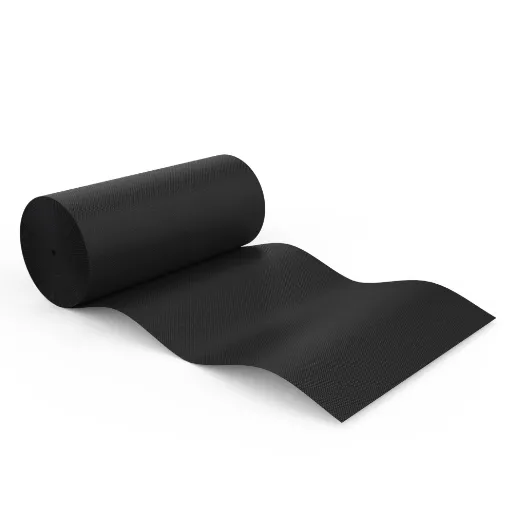
Geomembranes are flexible, impermeable materials that are mainly used as liners or barriers in the environmental, geotechnical, and hydraulic applications. They are usually made of polymers like high-density polyethylene (HDPE), low-density polyethylene (LDPE), polypropylene (PP), or polyvinyl chloride (PVC). These materials are manufactured in a way that does not allow liquids, gases, or waste to leak into the outer environment.
Geomembranes are modern materials and they are very versatile as far as their uses and applications are concerned. Among their main applications are landfill liners, wastewater treatment facilities, mining operations, and agricultural reservoirs. One of the main reasons for their usage is that they are very durable and strong. They have very good resistance to the sun’s UV rays; they are not affected by the chemicals and mechanical damage therefore they perform for a long time. Some geomembranes can last for 30 years or more depending on the conditions under which they are installed and how they are maintained.
Different Kinds of Geomembranes
- Geomembranes from High-Density Polyethylene (HDPE)
Among other things, HDPE geomembranes are one of the most typical types of membranes which are used because of their great chemical resistance, durability, and cost-effectiveness. These membranes are perfect for making landfill liners, for wastewater treatment ponds, and in mining operations. Recent reports have claimed that HDPE is responsible for around 40-50% of the total geomembrane market share as it is greatly used in infrastructure and environmental protection projects.
- Geomembranes from Linear Low-Density Polyethylene (LLDPE)
LLDPE geomembranes are not as stiff as HDPE geomembranes; they are even more flexible, and thus, are capable of being installed on uneven surfaces. They find extensive use in water reservoirs, canal linings, and agriculture. The combination of flexibility and durability has led to a significant increase in demand, especially in Asia-Pacific where the development of infrastructure is speeding up.
- Geomembranes from Polyvinyl Chloride (PVC)
Not only PVC geomembranes provide good flexibility but they also facilitate the installation as they are lightweight. Their main uses are in ornamental ponds, temporary liners, and situations demanding short to medium-term solutions. Market analysis points towards the fact that PVC is a preferred choice in urban areas for small-scale containment projects.
Geomembrane Installation Process

Preparation and Site Assessment
Preparing the site properly and thoroughly assessing the site are the tasks that should be done before the installation of geomembranes. Site assessment starts with proper assessment of the site in terms of the physical features, soil types, and environmental factors and it also includes the study of geological stability, the detection of potential groundwater intrusion as a risk, and the ruling that the land is leveled and compacted well so that no punctures or tears happen to the geomembrane during and after the installation process.
The recent study suggests that bad site preparation or insufficient subgrade requirements lead to approximately 75% of installation failures. To solve these problems, leading practices suggest doing geotechnical surveys which use drone technology and 3D mapping for the most accurate evaluations now as they have become a part of the surveys quite often. Furthermore, the considerations such as exposure to UV, temperature changes, and chemicals compatibility are some of the major factors that influence the decision to select a geotextile during the installation phase. For example, in high-temperature areas, the use of HDPE geomembranes, which are famous for their thermal resistance, is very common.
Layout and Design Considerations
Material Selection Based on Application
Different types of geomembrane materials are available for specific purposes. For instance, HDPE geomembranes are preferred for waste containment as they are resistant to chemicals, whereas LLDPE is more suitable for uneven or irregular surfaces due to its flexibility. Studies indicate that HDPE is used for landfill liner systems in over 60% of the cases, demonstrating its reliability for long-term containment.
Seam and Joint Design
Seams and joints are usually considered the weakest points in a geomembrane installation. With modern heat fusion welding such as continuous and wedge styles of welding, strong water-tight joints have been accomplished. As per the data from the industry, the heat-sealed seam success rate is more than 95% when proper quality control methods are employed during installation.
Slope Stability
The slope angle of the installation site must be taken into consideration during the design process, as larger angles could cause sliding or geomembrane stress. Engineering guidelines prescribe not to exceed a slope of 3H:1V (horizontal to vertical) for HDPE geomembranes in order to minimize the risk of instability. Texturing the surface also helps in increasing the friction, hence stronger the geomembrane’s grip on the layers beneath.
Welding Techniques for Geomembrane Liners

Types of Welding Methods for Geomembrane Liners
- Extrusion Welding
Extrusion welding is a very common process. The method is to melt the plastic rod filler material, then to bond two pieces under controlled heat and pressure with a strong attachment. The tensile strength of the seams made by extrusion welding can reach up to 80-90% of the parent material and this is why it is preferred in the production of complex shapes. It is used in places where quality precision is the most important factor.
- Hot Wedge Welding
Hot wedge welding is the process that is usually employed for joining long seams in geomembrane installations. The heated wedge is used to melt the liner material that is pressed together, thus forming seams that have shear and peel strengths that are not only high but also uniform. This method boasts of being super fast, with welds reaching up to 12 meters per minute under ideal conditions.
- Hot Air Welding
Hot air welding makes use of a hot air stream to heat the edges of the overlapping geomembranes and then apply pressure to weld the materials together. The typical application of this method is on thin geomembrane sheets, mostly like PVC, but it is also applied in small repairs and critical areas. Further, development in hot air welding equipment has led to better temperature control and speed hence producing seams that are of high-quality standards.
Quality Control in Welding
Inspection and Testing
Materials are inspected before the start of the welding process to confirm that they are up to the required specifications, with strength, composition, and dimensions being the main areas of focus. During the welding process, real-time monitoring tools like infrared thermography and ultrasonic testing are used to detect possible defects such as cracks, lack of fusion, or porosity. The data is also indicating that the use of advanced non-destructive testing (NDT) methods can bring down defect rates by as much as 30% when compared with the traditional inspection techniques.
Training and Certification
Properly trained and certified people are the keys to the success of quality control. The research shows that welders having certifications like AWS or ISO certifications are the ones that are very accurate and efficient. Continuous training ensures that the workers are always in the know about new welding technologies and evolving standards.
Documentation and Traceability
Good documentation is the main factor for the traceability of the welding process. Digital records of weld data, for example, automated welding logbooks, bring transparency and make it easy to quickly find out where the errors are. The tracking of automated data has improved compliance recordkeeping and reduced the downtime due to rework by more than 15%.
Best Practices for Geomembrane Liner Installation

Material Specifications and Selection
High-Density Polyethylene (HDPE): With its amazing resistance to chemicals and extreme durability, HDPE liners have found their way into various applications like landfills, mining, and water reservoirs. Reports from the materials make it clear that HDPE has one of the longest life spans of more than 25 years under normal conditions, and thus, it is a perfect choice for long-term applications.
Linear Low-Density Polyethylene (LLDPE): LLDPE liners are very flexible and at the same time they have kept their chemical resistance. They are very useful for the projects that demand irregular shapes, such as the surface of reservoirs or ponds. Tests of low bending strength show that LLDPE can be bent a lot without breaking, thus it can be used in a larger variety of installations, even the tough ones.
Polyvinyl Chloride (PVC): The use of PVC liners means lower costs without compromising on flexibility and being easy to install. Still, their lifespan in a UV light or harsh chemical environment may not match other materials. The indications are that if not in the sun, the PVC liners can last around 15–20 years before they need to be replaced.
Safety Considerations During Installation
When it comes to the installation of geomembrane liners, safety must be the first priority in order to protect the health of the workers and to have the project done successfully. Before anything else, all the people that are going to be taking part in the installation process must be given safety training that is intense and complete. This training will also cover the site-specific risks like the dangers of working on rough grounds and near the operation of heavy machines. Personal Protection Equipment which consists of gloves, hard hats, safety shoes, and fluorescent vests must be used by all laborers.
One very important safety issue is the control of the danger that come with working in bad weather. For example, strong winds can make the handling of large liner sheets very dangerous which in turn can lead to accidents or loss of materials. A recent study puts the number of workplace injuries in construction sectors that are caused by people not handling the materials properly at about 20%. This is an important reason for having the right lifting equipment, practicing safe methods all the time and also, making sure that materials are securely placed at all times.
Common Challenges in Geomembrane Installation

Environmental Factors Affecting Installation
Environmental considerations are very important for the proper application of geomembranes, since they determine not only the performance of the material but also the success of the installation procedure. Among the different factors that influence the installation of geomembranes, temperature is the most crucial one, responsible for altering the flexibility and the weldability of the membranes. Usually, the installation is considered ideal by the professionals when the temperature is within the range of 50°F (10°C) and 104°F (40°C). Very low temperatures can make the materials hard to deal with and can consequently lead to damages during the handling process, while very high temperatures can result in the bondage of seams being very weak.
Wind can be seen as a second factor, which can cause considerable difficulty, since high winds can cause the geomembrane to get misplaced and unaligned and thus result in installation which is not even. Weights or other methods of securing material are often utilized by the construction teams to make the material stable in windy conditions. Moreover, rain, snow, and other forms of precipitation can slow down the installation process by making the surfaces slippery, causing water to pool, and providing too much moisture for welding and adhesion, which negatively affects the quality of the seams.
Handling and Transport Issues
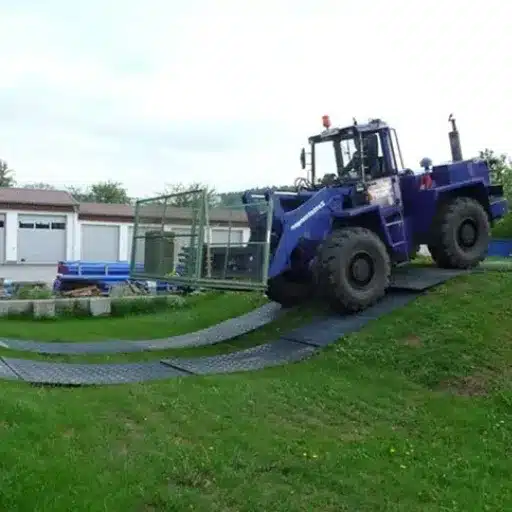
An appropriate method of handling and transporting of the geomembranes is alarming to prevent their damage and to guarantee their integrity during installation. Usually, geomembranes consist of thick and heavy rolls that need to be moved with the help of heavy-duty equipment such as forklifts, cranes, or spreader bars. If the workers are not careful during the loading, unloading, or transport processes, then the membranes will get damaged, and so will their performance, from physical damage such as tearing, abrasion, or creasing.
Referring to the guidelines of the industry, geomembrane rolls should be placed in dry and flat spots, where they will be kept away from the sun’s rays to prevent the warping effect caused by UV light. Research indicates that if done improperly, the sun can cause a 50% strength loss in the case of Polyethylene based geomembranes, if the exposure time is long enough and the shielding is not proper. When it comes to transportation, it is very important to fasten the rolls securely in order to eliminate the chances of them shifting or rolling over, which may cause them to scuff or break.
Reference Sources
-
Geosynthetic Institute (GRI) – GRI-GM20 Standard Guide
This document provides detailed guidelines on geomembrane installation, including quality assurance and control measures. It is a trusted resource for construction quality assurance (CQA) and control (CQC) organizations, facility owners, and regulators.
Source Link -
Stratview Research – Geomembrane Market Analysis
This report offers insights into the geomembrane market, including its applications, growth trends, and feasibility in various industries. It highlights the increasing demand for geomembrane installations in containment systems.
Source Link -
Lucintel – Geomembrane Market Report
This comprehensive market report discusses the global geomembrane market, its growth potential, and its applications in industries like waste management, mining, and water containment. It provides a broader perspective on the feasibility of geomembrane installations.
Source Link
Frequently Asked Questions (FAQs)
Where and why should a geotextile be placed under a geomembrane?
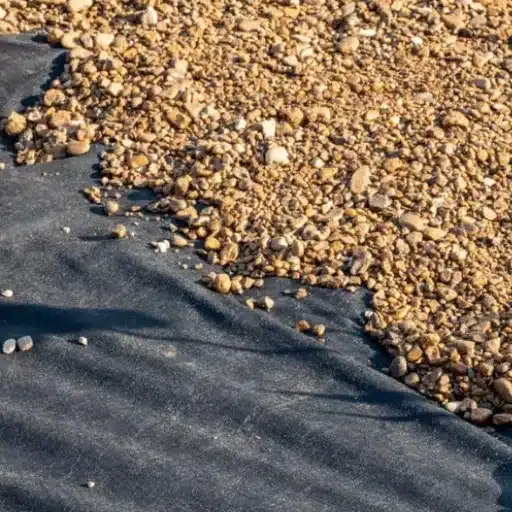
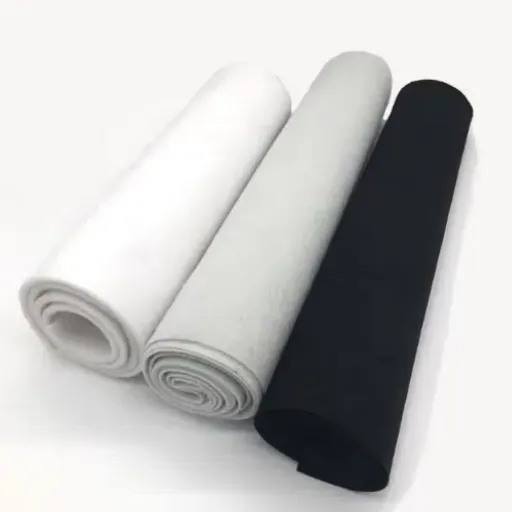
The main reason for using geotextile undergeomembrane is to protect the geomembrane from sharp objects, which otherwise could puncture the liner, to provide support to soft areas, and to minimize the migration of contaminants in the soils by separating the soils from the liner. The installer must place geotextile in the problematic areas such as where the bends, wrinkles, or seams are exposed and around the openings. The right choice of geotextile type and weight should be according to the particular project and should be specified in the drawing.
What effect does the thickness of mil have on the performance and selection of geomembrane?
Mil indicates the thickness of geomembrane, which, in turn, describes the membrane’s puncture resistance, flexibility, and durability. Thicker (higher mil) membranes tend to be more resistant to creasing, damage from debris, and sharp objects, but conversely, affect the parameters for welding, as well as handling of the membrane during deployment. The required mil dictated by project needs, which can be loads, climatic conditions and regulatory standards; moreover, for compliance check, refer to the specification and ASTM test results.
What are the best practices for venting, clamps, and seam testing to leak detection?
Low and high spots should be provided with vents to facilitate the escape of air that has been trapped during the deployment and welding of the liner, thus preventing the occurrence of wrinkles, and also aiding the formation of a reliable seam. When conducting vacuum box or air pressure testing for seam assurance, make use of the proper clamps and air-tight test fixtures so that there are no leaks. Leak detection can be heightened through proper venting, keeping the liner clean, and having qualified technicians with good testing tools to confirm the quality of seams and repairs.
In what manner do you prepare and sustain a landfill liner system that prevents leaks and guarantees assurance?
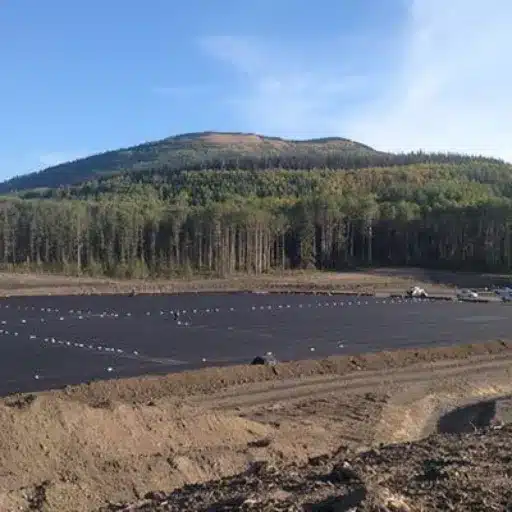
Landfill liner installation starts at the subgrade which is prepared by removing sharp objects and debris, and then a geotextile cushion is placed where necessary and the liner is laid out in a controlled manner to minimize wrinkles and irregularities. Use skilled installers and technicians for welding and if there are seams, do a vacuum box or air pressure test to catch leaks. The performance of the liner should be maintained through the protection of the areas exposed to UV light, controlling the construction traffic, and following the scheduled inspections and repair protocols to ensure long-term reliable containment.