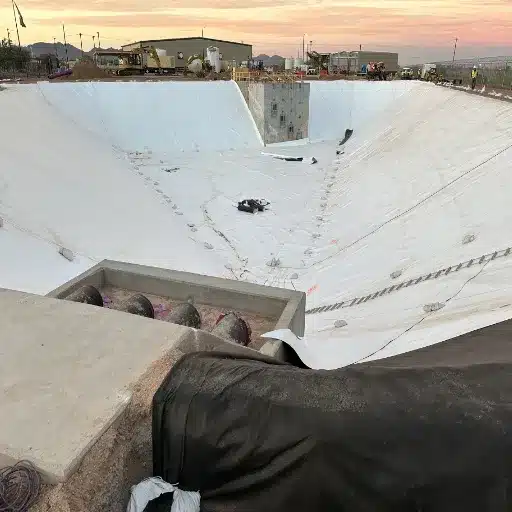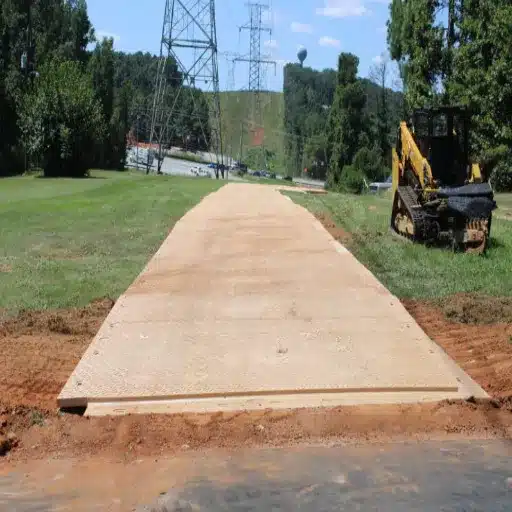
Choosing the appropriate geomembrane supplier is imperative for industries such as construction, mining, agriculture, and water management. With a plethora of choices, finding the top one can be quite difficult. The following blog post presents the six best geomembrane suppliers in the world, recognized for their quality, creativity, and dependability. If you are in search of tough materials, eco-friendly production methods, or skilled support, this manual will give you a simple outlook to make a wise choice. Continue reading to learn about the pioneers who are influencing the geomembrane sector and learn what makes them different.
Introduction to Geomembranes
What are Geomembranes?
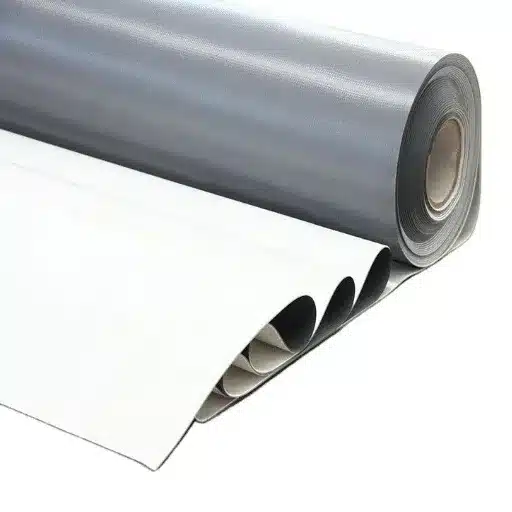
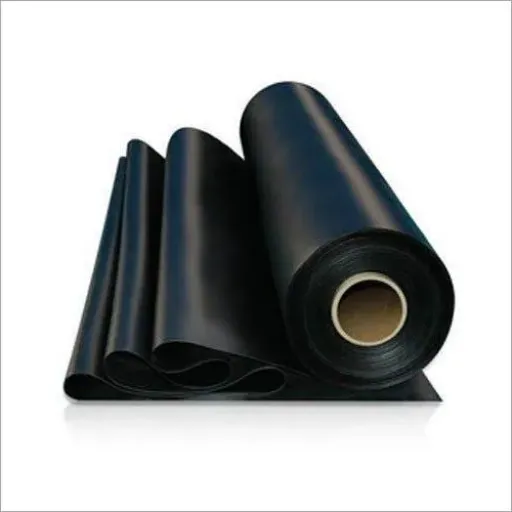
Geomembranes are those impermeable synthetic membranes which have been incredibly useful in the fields of civil and environmental engineering. The membranes are made from high-density polyethylene (HDPE), linear low-density polyethylene (LLDPE), and polyvinyl chloride (PVC), thus making them impervious to the movement of liquids and gases.
The applications of geomembranes can be seen in multiple industries like waste management, mining, water preservation, and agriculture. To give an example, geomembranes are commonly used as landfill liners to keep leachate contained, in reservoirs to prevent water loss through seepage, and in mines to secure dangerous materials. Through the stricter environmental regulations, the geomembranes have become more than just a part of the infrastructure but rather a major factor in reducing the ecological effect.
Common Applications of Geomembranes
Waste Management and Landfills
Primarily, the use of geomembranes is for liners in landfills which stop leachat from entering into the soil and groundwater around the site. The global waste management sector is heavily reliant on high-density polyethylene (HDPE) geomembranes, which account for about 35% of the total geomembrane usage, as per the recent industry reports.
Mining Industry
While in mining the use of geomembranes is for heap leach pads, tailings dams, and containment ponds. Their ability to withstand environmental factors like chemicals and extremes is one of the key factors that lessen the mining industry’s impact on the environment. The segment of geomembranes in mining is foreseen to develop at a remarkable rate and the world total will reach $1.2 billion by 2027.
Water Management
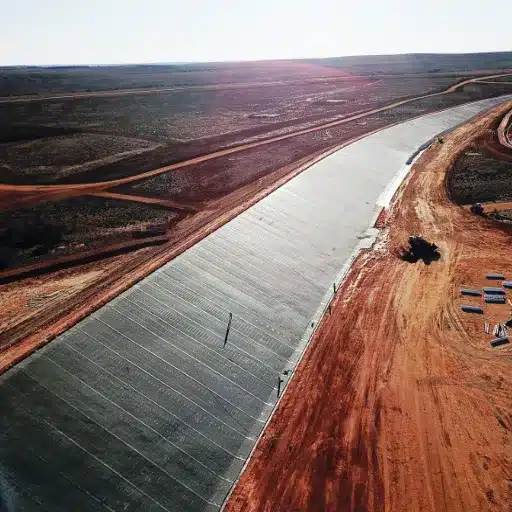
Ge membranes are must-haves for water storage and conservation in reservoirs, canals, and dams. The mighty geomembranes have not only made it easier for the municipalities but also the agricultural sectors to save water that would otherwise be unaccounted for due to seepage in dry areas. just the irrigation canal liner market has been enjoying a 5.3% annual growth rate.
Key Features of Geomembranes
High-Performance Characteristics of Geomembranes
Durability and Tensile Strength
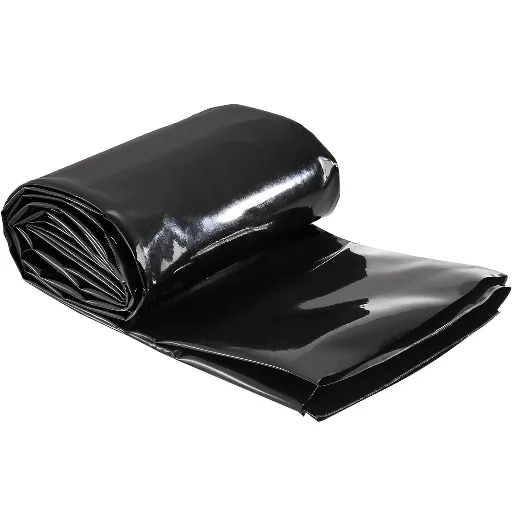
Geomembranes are made to endure a lot of mechanical stress and therefore are very suitable for almost every Section with high pressure like Mining, Waste management, and Aquaculture, etc. Modern geomembranes offer a tensile strength of even 28 mega pascals which absolutely guarantees a long-term reliability even under very difficult conditions.
Chemical Resistance
The standard geomembranes of the industry are very proud of their super-resistant properties to an extremely wide variety of chemical substances ranging from acids to alkanes and hydrocarbons. This is the case with the HDPE geomembranes that they have a very low absorption rate of 0.01% which basically assures that the degrading of the presence of chemicals will be at a very low level.
UV and Weather Resistance
The UV-resistant geomembranes are produced with certain characteristics that allow them to resist the extreme sunlight for a long period. Hence, they are open-air installations. The lifespan of these geomembranes has been significantly increased by 20-30 years in outdoor areas thus the need for replacements is reduced which in turn leads to cost savings in maintenance.
Waterproofing Efficiency
The membranes are completely water-resistant meaning no water can pass through, which goes along with the excellent sealing efficiency that is the main requirement in applications such as landfill liners and pond linings. The porosity of HDPE and Linear Low-Density Polyethylene (LLDPE) geomembranes has been measured to be 1×10^-12 cm/sec indicating that no leaks can occur and the environment can be assured to be safe and unspoiled.
Benefits of Using Geomembrane Liners
Leak Prevention and Environmental Safety
The major benefit of using geomembrane liners is their remarkable ability to make the leaks impossible which in turn removes the risk of hazardous materials reaching the environment. Studies have demonstrated that an instance of HDPE liners has a permeability coefficient of 1×10⁻¹⁵ cm/s making them highly effective in areas like water treatment and mining.
Durability and Longevity
The modern-day geomembrane liners are produced in such a way that they do not suffer damage even under extreme conditions which can include UV, chemical, and temperature changes. To illustrate, the life of HDPE liners can be more than 20 years if a proper environment is maintained which in turn cuts down the costs of replacement and maintenance.
Versatility Across Applications
Geomembranes have an extensive range of applications and can be found in places like landfill liners, aquaculture, irrigation, and so on. They can be specifically designed for the required use, thus customizing the performance based on the project. Furthermore, the use of LLDPE material can help with the flexibility required in hilly areas whilst not compromising on the strength.
Top Suppliers of Geomembranes

1ShengXing (Shanxi Shengxing Building Materials Sales Co., Ltd)
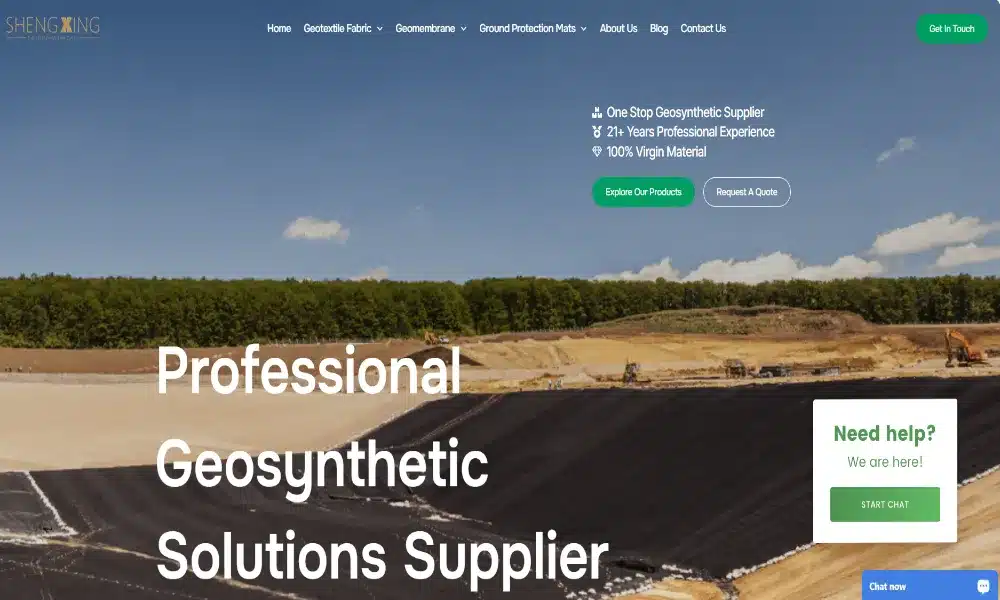
Shanxi Shengxing Building Materials Sales Co., Ltd. is a leading manufacturer of high-tech geomembrane materials. The company was founded in 2008 and its headquarters is located in Yuncheng City, Shanxi Province, China. With more than two decades of experience, the company has gained a worldwide reputation as a reliable provider of high-performance solutions for civil engineering and environmental protection.
ShengXing’s main strength is showcased through its partnership with China’s renowned South-to-North Water Diversion Project, where it is a core supplier. The company’s RoHS-certified products have passed strict international standards and are sold to hundreds of countries around the world. Through state-of-the-art testing laboratories, extensive technical support, and a determination to be environmentally friendly in its innovation, ShengXing is able to provide long-term durability and environmental responsibility in infrastructure projects.
2BPM Geosynthetics (The Best Project Material Co., Ltd)
BPM Geosynthetics came to the international market as a company that could be relied on, and that’s precisely what the company made of 2010 over time. With the first 15 years of being just a local manufacturer, BPM is now a global exporter with products shipped to more than 80 countries. Their way to the top has been based on a very strict quality control system; the company uses high-end production lines coupled with the importation of virgin raw materials to guarantee the conformity of every roll to the highest international standards like ASTM and GRI-GM13.
BPM is famous for its wide range of the application areas. At a time when a tiny aquaculture pond or a colossal mining tailing dam might have been the subject of a project, BPM was there with its all sorts of products. The “HeatGard” technology combined with the company’s commitment to resin purity allows for the firm’s products to be very resistant to environmental stress cracking, which is a frequently occurring failure in the case of inferior liners. Besides, BPM has made a great logistics move into international trade and that is why they are the easiest Chinese manufacturer for Western companies to deal with. They provide a full-service experience that includes the lending of welding equipment and giving installation advice, thus closing the gap between the production and the application.
3Solmax
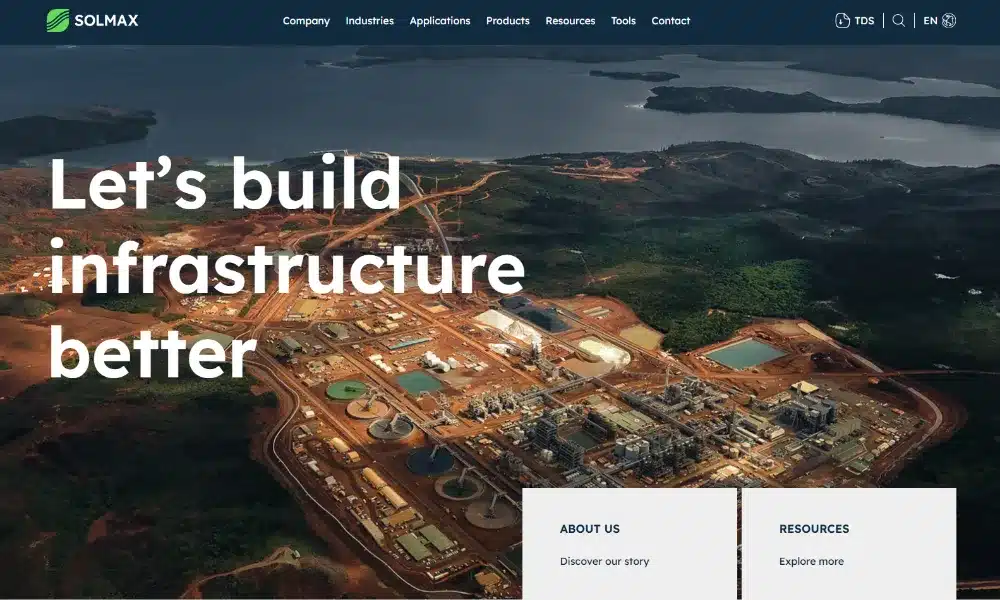
Solmax, which is based in Canada, is probably the “giant” of the geosynthetics sector, so to speak. With the purchase of GSE Environmental, Solmax reaffirmed its dominance as the largest producer of geosynthetics in the world. Their reputation is based on eons of engineering data plus a colossal global presence. Solmax is more than a product seller; rather, they are a supplier of engineering trust. Their part in preparing a lot of the industry standards still in use today proves their place in the forefront of technological novelties.
Multinational clients with standardized product requirements are Solmax’s biggest market and this is their strength. The mining company with operations in Chile, Australia, and Canada will receive from Solmax exactly the same liner specifications in all three countries. They expend a considerable amount of resources on R&D and are developing specialized liners for very high-temperature applications or conductive liners for leak detection which are the limits of geosynthetics being reached. In case of the project where budget is not the main concern, but complete technical assurance and liability mitigation are, Solmax is usually the first and only choice.
4NAUE GmbH & Co. KG
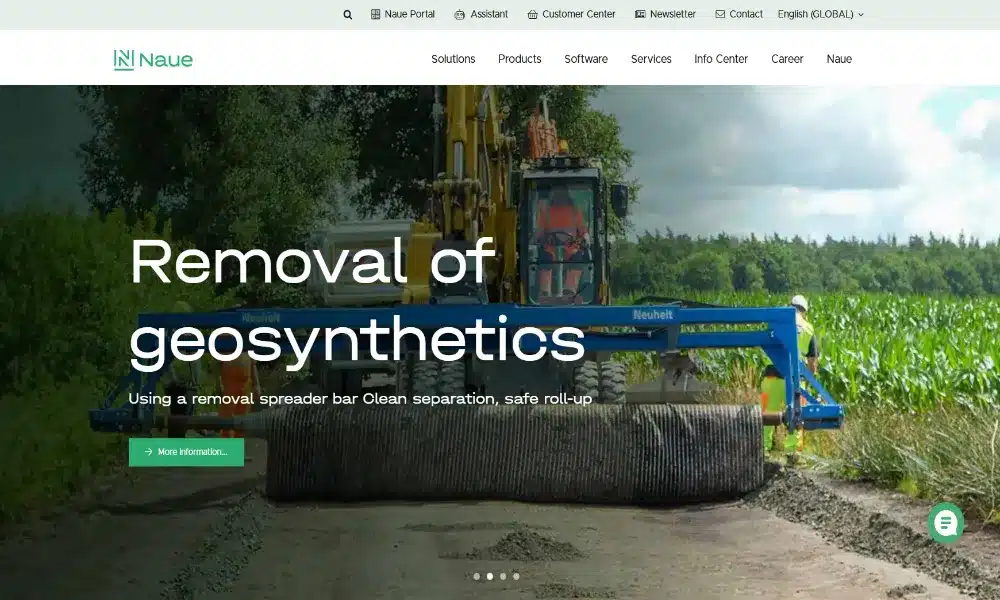
Germany is famous for its superior engineering quality, and NAUE is the prime example of that in the geosynthetics industry. Established in 1967, NAUE has progressed to the position of a global leader through its independence and family ownership. Their motto “containment holistically” speaks of their understanding and commitment to the issue; they do not simply produce liners, but also supply complete systems including geogrids and drainage mats.
Sustainability is a major concern for NAUE; they were one of the first suppliers to commit to environmentally-friendly manufacturing processes and have created a series of products for “green” construction. Their “Carbofol” geomembranes are widely used in landfills and tunnels all over Europe, as they are one of the most trustworthy products in the market. Where other companies are volume-driven, NAUE is technology-driven and, moreover, they often offer extensive engineering support to guarantee that the right installation is done to get the longest possible lifespan.
5AGRU America
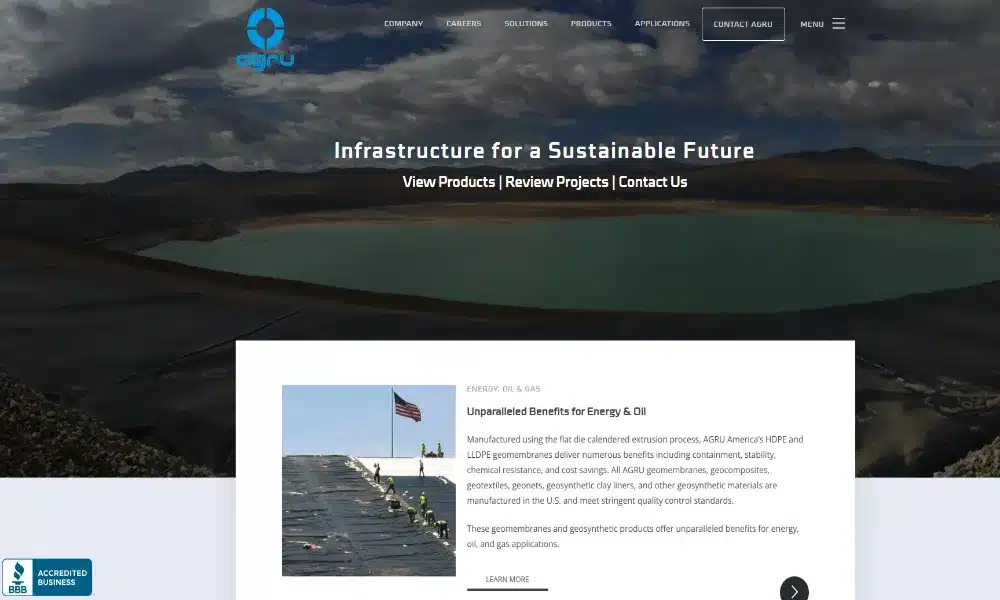
AGRU America, a company and a subsidiary of AGRU Austria, has made the North American market experience the great and expensive European extrusion technology. The US-based company was established in 1988 (its parent company has a much longer history). One of the many features that make AGRU stand out is the application of the “Flat Die” extrusion technique for its products that are different from the competitor-utilized “Blown Film” process. The thicker the product is the more suitable it becomes for much more structured (textured) surfaces that are part of the liners rather than simply applied as coatings.
AGRU has become a kingpin for the industrial and municipal markets. Their “Super Gripnet” and “MicroSpike” liners are setting the standards for slope stability in the industry with their superior friction angles preventing soil slipping in landfill caps and steep mining heaps. Moreover, AGRU pays a lot of attention to pipe and fitting systems which enables them to provide complete solutions for fluid transfer and containment. The high-grade resins employed by the company allow their liners to have very high resistance to stress cracking which is a key property for long-term containment.
6Officine Maccaferri
The Italian company Officine Maccaferri, established in 1879, is the one with the longest history among those listed here. It has a wealth of experience in engineering, spanning over a hundred years. Although they have made a name for themselves primarily as the inventors of the Gabion, their foray into geosynthetics has been nothing short of appointment. Maccaferri sees geomembranes as an essential part of the complex geotechnical structures comprising walls, coastal defenses, and reinforced soil slopes from a civil engineering perspective.
Maccaferri supplies a particular category of waterproofing membranes, which are intended to be used along with their other structural products. They are especially strong in the infrastructure segment—tunnels, highways, and railroads—where waterproofing has to endure large mechanical forces. The company’s “MacLine” series is recognized for its strength and pliability throughout the industry. Maccaferri has a distinctive feature of its in-house vertically integrated design, and supply; they often play the role of a partner in the early stages of a project design, providing software and technical assistance that far exceeds just selling a plastic roll.
Industry Innovations in Geomembrane Technology
Latest Trends in Geomembrane Development
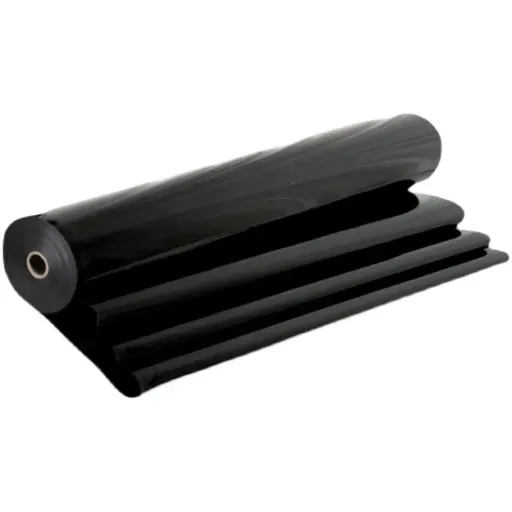
The geomembrane industry not only shows great potential but also does not refrain from presenting the latest technologies taking into account material friendliness and sustainability. The merging of the modified polymers compositions that brings about this change of longer and stronger product life cycles, and lesser impact of severe weather conditions on the product, is one of the most talked-about trends. Chemically modifying HDPE and LLDPE is done to produce substances that are more resistant to UV light and have better chemical stability. So, the geomembrane liners even in extreme conditions are not going to get worn out quickly.
Besides, scientists have confirmed that the smoothness of the surface will not be a major problem anymore, and the textured geomembranes will continue to be in demand. This is because textured geomembranes impart the beneficial properties of friction which are the most important in slope stability projects such as landfill capping or mining operations. Therefore, according to the recent industry data, the market share of the textured geomembranes is going to be about 25-30%, which is an indication of their increasing demand.
Innovative Solutions for Environmental Protection
The technological innovations had been the main stabilizing force for the inventions that are new technologies capable of dealing with the environmental issues with minimal effect. The application of geomembranes, to mention one, is an eco-friendly measure that has enormous containment applications for the environment, so to say. These materials, which can be termed ‘eco-friendly’, are used in landfills, wastewater treatment plants, and mining, as they totally block the leaking of hazardous wastes, hence, the surrounding ecosystem is kept safe.
The most recent advancement in the use of geomembranes was the incorporation of HDPE materials, which are almost inert chemically and very durable. Not only has the integrating of the sensor-based monitoring system added to the monitoring’s effectiveness by allowing instant leak detection, but it has also made them important in environmental protection. According to the market analysis, the global geomembrane market in the waste management sector will increase significantly and attain a value of $5.72 billion by 2027 with a CAGR of 6.2% during the period 2022-2027.
Reference Sources
-
Geomembrane Overview – Significance and Background
- This source discusses the significance of geomembranes, including insights into manufacturers and resin suppliers involved in their production.
Read more here
- This source discusses the significance of geomembranes, including insights into manufacturers and resin suppliers involved in their production.
-
Geomembrane Research Needs
- This paper highlights the state-of-practice and research needs in geomembrane applications, providing a foundation for understanding supplier contributions to the industry.
Read more here
- This paper highlights the state-of-practice and research needs in geomembrane applications, providing a foundation for understanding supplier contributions to the industry.
-
Polymeric Geomembrane Components in Landfill Liners
- This chapter focuses on the formulation of polymeric geomembranes and includes details about material types and supplier practices.
Read more here
- This chapter focuses on the formulation of polymeric geomembranes and includes details about material types and supplier practices.
Frequently Asked Questions (FAQs)
What are the available kinds of geomembrane products?
The range of commodities related to geomembranes encompasses the likes of HDPE, LLDPE, PVC, EPDM, bituminous, XR-5, and unreinforced or reinforced sheets. The companies producing these materials loosely divide them into two parts: one made up of panels and rolls from polyethylene resins, ethylene interpolymer alloy (RPP), or PVC resin, and the other offering various mil (thickness) options and fabric-backed or smooth surfaces for the more demanding containment, water storage and waste containment projects.
When will an XR-5 geomembrane be specified?
XR-5 geomembrane is appointed for projects that expect the highest resistance to chemicals, UV and thermal stability, as well as strength under mechanical stress—for instance, the toughest containment or industrial fluid applications. The construction and stabilizer packages of the XR-5 enable it to be tough, high-quality and perform for the long term in areas where standard HDPE has been compromised due to oxidative or thermal degradation.
What is the position of PVC in relation to PE (HDPE/LLDPE) geomembrane?
PVC geomembranes are characterized by their flexibility, ease of welding on-site, and thus complicated panel installations and reservoirs with many penetrations become easier. Naturally, being produced from polyethylene resins, HDPE and LLDPE usually have better chemical resistance and tear strength which means that HDPE is practically the first choice in quality waste containment and water storage where puncturing and chemical resistance are vital. PVC is the go-to material when project calls for flexibility and detailed work.
What are the most common usages for PVC geomembrane?
PVC geomembrane finds its place in liners of reservoirs, canals, and secondary containment, as well as in industrial ponds where flexibility, good weld, and resistance to certain chemicals are needed. Being vulnerable to the support and drainage provided by geotextile underlay, it can be fabricated into panels which make rapid installation in complex geometries possible.
What are the differences between HDPE and LLDPE in terms of performance and manufacture?
The HDPE being a high-crystalline polyethylene is characterized by its superior chemical resistance, stiffness, and longevity as opposed to LLDPE, which is tougher, more flexible, and has better impact resistance even at low temperatures. Toughness and weldability are influenced by the manufacturing process and the choice of polyethylene resins, stabilizer packages, and mil thickness.