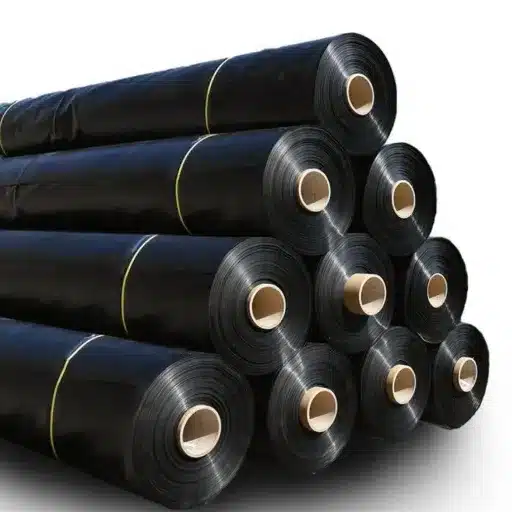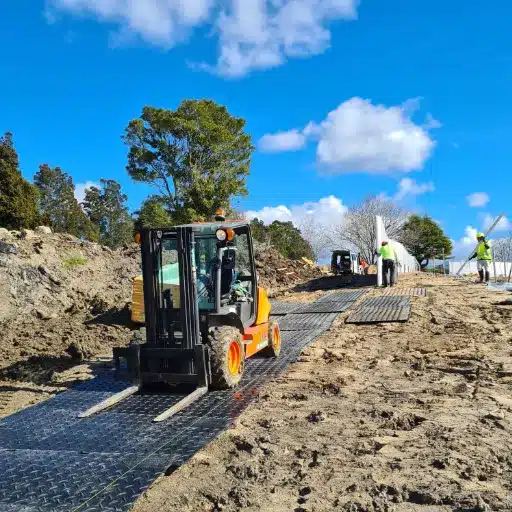
The civil engineering field and environmental management sector face long-standing difficulties with both erosion control and channel lining. The traditional method requires workers to spend both time and money on required tasks, which leads to extended project durations. The advanced solution of geosynthetic cementitious composite mats (GCCMs) provides innovative methods that help organizations solve their challenges. The GCCM system delivers an innovative technique that enables projects to achieve slope stabilization and waterway protection, and erosion control through sustainable and economical methods. The article examines GCCMs through their advantages and usage cases and their distinct characteristics, which have established them as the preferred solution for engineers and project managers throughout the globe. The advanced material used in this research study provides a new way to change the entire industry.
Introduction to Geosynthetic Cementitious Composite Mats
Definition and Significance of GCCMs
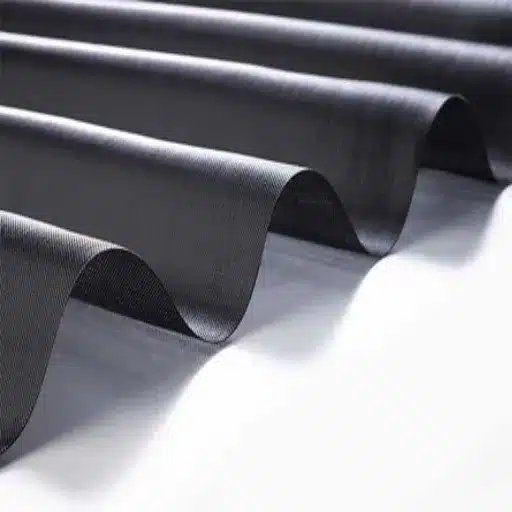
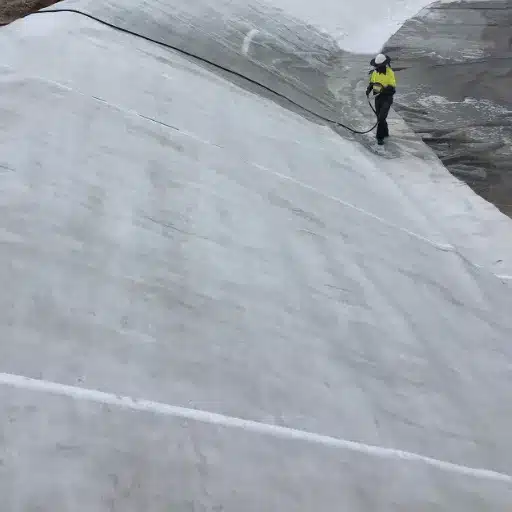
The Geosynthetic Cementitious Composite Mats (GCCMs) establish a new form of construction material that unites the flexible characteristics of geosynthetics with the structural integrity of concrete. The advanced engineering solution provides a durable and efficient substitute for standard concrete applications. The fabric-like materials of GCCMs, which develop a chemical reaction with water, create a cementitious coating that forms a solid protective layer. Engineers and project designers prefer them because they can be used in various civil engineering and infrastructure projects.
The construction industry benefits from GCCMs because they allow faster building work to proceed while decreasing damage to natural environments. The traditional method of installing poured concrete needs multiple tools, labor and time for building concrete forms, whereas GCCMs require only basic equipment for their installation and hydration process. A global market report has projected significant growth in their adoption, which will reach a compound annual growth rate of approximately 8.1 percent between 2023 and 2030. The increase occurs because their products cost less while providing sustainable benefits.
GCCMs find their main applications in three areas, which include channel lining and slope protection, and erosion control. The application of GCCMs for channel lining projects reduces water permeability by 95 percent, which helps to decrease erosion threats. The lightweight design of GCCMs permits their use in remote and delicate areas where people face problems with traditional concrete methods, which require heavy equipment. The materials demonstrate exceptional durability, which enables them to endure extreme weather conditions so they become essential components for contemporary engineering work.
Erosion Control and Lining Applications
Geosynthetic Cementitious Composite Mats function as efficient erosion control systems and surface lining solutions across various industrial fields. The material functions as a protective system that prevents soil erosion while providing exceptional durability through its permanent waterproofing characteristics.
- Slope Protection
GCCMs function as slope stabilization solutions because they serve as protective covers that stop surface erosion from occurring when water runs off or winds blow or people walk through the area. According to recent studies, GCCMs can provide up to 50% faster installation compared to conventional concrete, reducing project timelines and labor costs significantly. The system works best in areas with hilly or mountainous terrain because erosion causes severe environmental destruction. - Channel and Ditch Lining
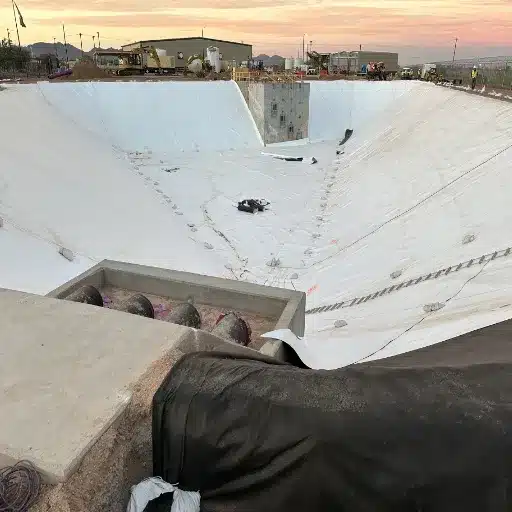
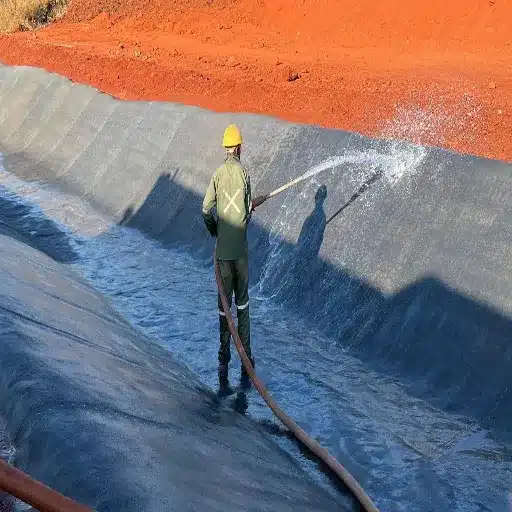
GCCMs function as optimal ditch and channel lining solutions for water conveyance systems. The material enables water to flow through its system because it maintains airtightness while allowing flexible movement and it prevents water from leaking and stops erosion from occurring. GCCMs reduce maintenance costs by decreasing sediment buildup. Research from actual field tests shows that the use of GCCs for ditch lining results in a flow efficiency increase of 30% when compared to unlined systems. - Pipeline Protection
Companies use GCCMs to shield their pipelines from both corrosive materials and erosive forces. The system provides a secondary defense mechanism that protects both buried and exposed pipelines found in remote locations. Companies that use GCCMs for their operations have achieved a 40% reduction in repair expenses, which leads to improved operational effectiveness and safer work environments, according to recent findings. - Environmental Containment
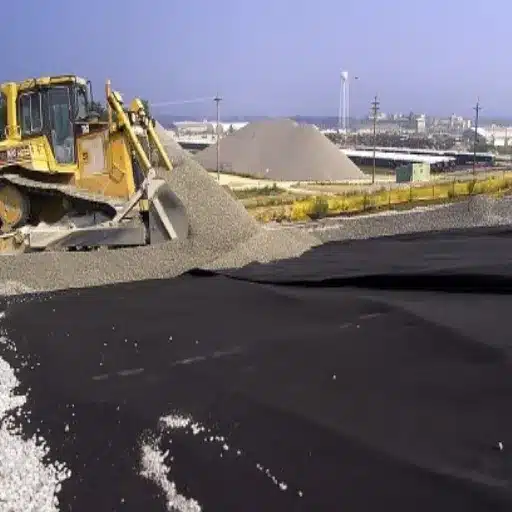
GCCMs serve environmental projects by providing benefits through their operation in landfill capping and their ability to contain hazardous materials. The system establishes a strong barrier that protects against contamination while complying with environmental safety regulations. Landfill operators prefer GCCMs as their main solution because these materials offer high resistance to chemical exposure and maintain low permeability levels. - Coastal and Flood Protection
GCCMs function as essential components that strengthen coastal defenses through their support for seawalls and revetments and their application in flood zones, which require efficient stormwater management. The system function maintains its durability through extreme weather conditions because of its capacity to withstand such conditions. Studies show that GCCs can maintain operational function in water speeds reaching 8 to 10 meters per second, which allows them to protect against severe weather conditions.
The different civil engineering projects that use GCCs as solutions achieve both cost efficiency and sustainable results because of their flexible design. The combination of their successful history and their new technological developments is changing the global methods used to handle erosion control and lining problems.
Importance of Flexible Cement Canvas in Modern Construction
Geosynthetic Cementitious Composite Mats, which people commonly call GCCMs, function as flexible cement composite materials that bring new advancements to construction materials used for erosion control and slope stabilization. A recent study proved that GCCMs can reduce project costs by 60% when compared to traditional concrete solutions because their installation process requires fewer materials. The products need just basic machinery for their operation, which enables their use in difficult environments while minimizing environmental damage and operational costs.
GCCMs provide an environmentally friendly solution because their carbon emissions are 50% lower than those of standard concrete. The materials display strength and durability, which enable them to endure extreme weather conditions that include heavy rainfall and rapid water flow. The successful application of GCCMs in flood defense systems shows that these materials can perform under high-stress situations, which would cause traditional methods to fail.
The material’s flexibility enables it to move through all irregular surfaces, which makes it useful for projects that need to line canals and protect pipelines and operate in mining environments. The material demonstrates resistance to both abrasion and chemical wear, which enables it to last more than 20 years with only basic upkeep. The modern construction industry demonstrates its environmental responsibility through GCCM technology, which provides sustainable solutions for dealing with today’s infrastructure development challenges.
Primary Use Cases for Geosynthetic Cementitious Composite Mats
Erosion Control Applications
GCCMs function as erosion control systems, which enable users to make quick installations of their products while the systems maintain their ability to resist various environmental conditions. Field testing and research studies show that GCCMs protect steep slopes and riverbanks, and drainage channels through their exceptional erosion resistance capabilities. The material’s properties prevent water from passing through it, which allows soils to remain stable during severe weather events that include heavy rainfall and flooding.
The traditional erosion control methods that existed before this time period proved to be ineffective for slope protection projects, but GCCMs have emerged as successful solutions to this issue. The reports show that GCCMs can decrease soil erosion by 85%, which delivers a permanent solution that creates minimal environmental impact. The installation process enables teams to handle 200 square meters of work each hour, which creates cost efficiency and project speed benefits for large-scale operations. The use of these materials in delicate environmental regions has achieved substantial environmental benefits when compared to traditional concrete methods.
GCCMs have proven their capability to withstand extreme weather conditions across all climatic regions since their structural integrity remains intact from -22°F to more than 122°F. The attributes of this technology sustained its status as an essential development in civil and environmental engineering because the need for sustainable erosion control methods continued to grow.
Channel Lining and Drainage Solutions
The introduction of GCCMs to channel lining and drainage systems created an innovative method that delivered different operational advantages while developing environmentally sustainable solutions. The existing research, along with practical case studies show that GCCMs work effectively for projects that require both fast setup and strong, long-lasting performance. GCCMs enable installation to occur 10 times faster than conventional concrete techniques, which results in reduced labor costs and shorter completion times. The research shows that installation speeds beyond 200 square meters per hour can be achieved using only basic tools and a small workforce.
GCCMs provide a carbon emissions reduction of 50% compared to standard concrete construction methods, which supports worldwide sustainability initiatives. The system prevents water from seeping through its impermeable layers, which helps to control erosion while decreasing future maintenance requirements. The evidence from field applications shows that GCCMs maintain their operational capabilities for more than 25 years regardless of the challenging conditions they face.
GCCMs enable successful operations at both restricted spaces and remote locations through their flexible installation capabilities. The system can be shipped as lightweight rolls, which simplify transportation and installation in places that lack space for large machinery. The recent upgrades and state-of-the-art production methods establish GCCMs as the top selection for contemporary channel lining and drainage installations throughout the world.
Infrastructure Protection and Rehabilitation
GCCMs have become an essential component for infrastructure protection activities and rehabilitation projects over the past few years. The global GCCM market will reach a value above $700 million by 2028, according to industry reports, which show a compound annual growth rate of 8.1% from 2021 to 2028. The wide range of applications, which include slope stabilization, channel lining and pipeline protection, and erosion control drive this industry expansion.
GCCMs provide an affordable yet effective method to fix problems with outdated infrastructure. The system serves as a standard method to restore concrete channels that contain cracks or other types of damage. GCCMs enable construction teams to finish their work six times quicker than traditional concrete methods because they remove all machinery and complex requirements. The material protects infrastructure expenses during its 20 to 50-year service period which depends on specific conditions.
GCCMs provide a quick installation method, which makes them perfect for conducting emergency repairs in difficult-to-access remote areas. GCCMs were used during the recent flooding events to protect damaged drainage systems and slopes through their reinforcement capabilities, which stopped erosion and reduced risk to infrastructure. The system proves its value for mission-critical operations through its capacity to function under extreme temperature conditions and high-pressure situations.
The global construction industry is moving towards more eco-friendly infrastructure solutions, which are supported by the new GCCM development that combines sustainable materials with its existing framework. The latest GCCMs achieve lower carbon emissions during production, which makes them both an efficient engineering resource and an environmentally sustainable material. GCCMs have made progress because they serve as a vital material that helps to solve the current problems that infrastructure systems face.
Key Benefits of Using GCCMs
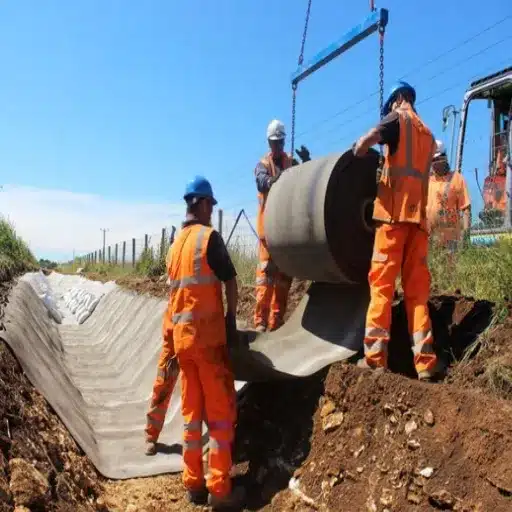
Advantages Over Traditional Methods
Geosynthetic Cementitious Composite Mats (GCCMs) provide built environment professionals with better operational efficiency and decreased environmental impacts when they use GCCMs instead of conventional building practices. The latest research shows that GCCMs decrease project installation times by 60% when compared to standard concrete methods. The system operates with basic equipment requirements because its user-friendly design enables operators to handle the equipment while the product achieves fast drying.
GCCMs provide lightweight materials, which result in more than 50% cost savings for transporting concrete products, which include pre-mixed and precast materials. The 2023 study showed that GCCMs need only 30%of the water required for traditional concrete methods, which makes them suitable for areas facing water shortages.
GCCMs protect against chemical attacks and erosion, while extreme weather conditions enable them to last for more than two decades when used according to correct installation procedures. GCCMs become the best environmentally sustainable building material through their combination of various advantages and their carbon reduction and environmental protection methods.
Cost-Effectiveness and Time Efficiency
Geosynthetic Cementitious Composite Mats (GCCMs) provide construction projects with major savings in both expenses and work duration when compared to standard building methods. The latest industry research shows that projects using GCCMs achieve installation time savings of 50%, which exceeds standard concrete installation procedures. The system operates efficiently because it requires only basic equipment together with pre-constructed components, which results in reduced project expenses.
GCCMs eliminate the requirement for heavy machinery used in concrete pouring operations, which leads to decreased transportation expenses. The research established that GCCMs lead to approximately 70% cost reductions in transportation expenses because of their lightweight materials. The execution of canal lining and slope stabilization construction work has become faster and more affordable.
The material’s long-lasting nature results in cost savings for users. The system achieves 20 years of product life under ideal conditions, which leads to decreased maintenance expenses that result in long-term financial savings. The combination of quick implementation and reduced labor needs with long-lasting performance makes GCCDs the preferred choice for infrastructure projects in various countries.
Environmental Considerations and Sustainability
Geosynthetic Cementitious Composite Mats (GCCMs) provide construction projects with operational advantages while serving as an environmentally friendly solution to combat ecological problems. The mats enable building projects to achieve lower carbon emissions because they need fewer raw materials than conventional concrete systems. The study shows that using GCCMs leads to 60% lower concrete requirements, which decreases CO2 emissions during both production and transportation.
GCCMs prevent harm to natural environments because they enable quick installation procedures that work in fragile natural areas. The system reduces the need for major site preparation work because it can adapt to complex surface shapes. The latest projects demonstrate their ability to stop erosion while controlling water runoff, which helps improve flood control and slope protection efforts while protecting natural ecosystems. The system serves as an essential element for environmentally friendly construction projects that produce minimal ecological impact throughout the world.
Installation Considerations for GCCMs
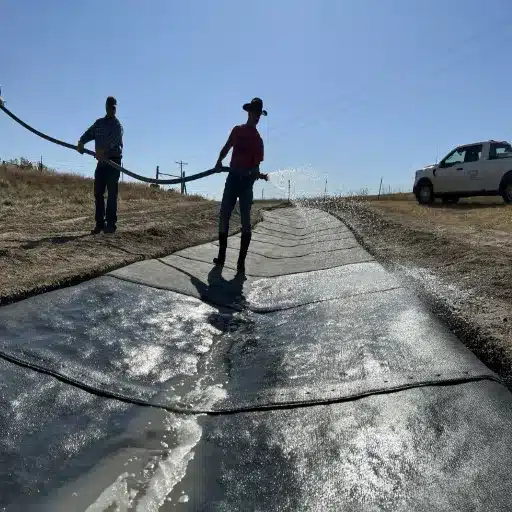
Preparation of the Site and Substrate
The functional capabilities of GCCMs (Geosynthetic Cementitious Composite Mats) rely on the execution of proper site and substrate preparation methods. The substrate needs total destruction of all debris and vegetation, together with all loose materials, to establish a secure base. The current evidence shows that GCCM bonding efficiency drops by 30 percent when surfaces are not smooth and uniform because this effect requires a smooth surface to achieve optimal bonding performance.
All project specifications require strict management of slope grading operations because their implementation demands precise control. GCCMs should not be applied to slopes exceeding 45 degrees for any project requiring slope erosion control. The field study research proves that proper mat edge anchoring improves their resistance to external forces, which includes water flow and wind by 20 percent. The combination of accurate preparation work together with best practice methods results in major advantages for GCCM performance during challenging environmental situations.
Installation Techniques and Best Practices
Contractors need to implement specific installation procedures for Geosynthetic Cementitious Composite Mats (GCCMs) while meeting all required installation guidelines. The success of subgrade installation depends on the careful execution of its preparation process, according to recent findings. A firm and even subgrade prevents voids from developing underneath the mats, which would lead to performance issues that emerge during the mat’s operational life. Case studies demonstrate that subgrades with more than 25mm of irregularities will cause a 15% decrease in mat lifespan because of uneven load distribution.
The process of activating the cementitious layer in GCCMs requires the execution of proper hydration techniques, which must follow established guidelines. The research shows that maintaining sufficient water coverage for 24 hours will result in complete hydration, which will increase compressive strength by 30% when compared to installations that achieved partial hydration. Practitioners should maintain consistent water distribution, which can be achieved through either sprinkler systems or controlled hydration systems.
Researchers have discovered that trenching methods provide better edge anchoring because they require GCCM edges to be buried 150mm deep into the ground. The method increases pullout resistance by 25%, which remains effective during extreme weather conditions. The mat installation process needs strong fixing systems, which use steel pegs and ground anchors to create secure links at every meter mark, which ensures stability during heavy rainfall and wind erosion.
The three elements of preparation and hydration, and anchoring work together with recent technological advancements to establish GCCMs as dependable and long-lasting solutions for slope protection and erosion control.
Maintenance and Longevity of Installed Mats
Geosynthetic Cementitious Composite Mats (GCCMs) require proper maintenance to achieve their expected lifespan and their efficiency in slope protection and erosion control. The latest research findings and industry best practices mandate that inspections should occur at six-month intervals to assess whether materials have sustained damage or environmental changes. The inspections should occur following major weather events, which include heavy rainfall and strong wind conditions.
Data suggests that well-maintained GCCMs can last over 50 years under normal conditions. The GeoInstitute presented a case study in 2023, which demonstrated that regular cleaning activities for sediment removal and vegetation control will extend GCCM operational life. The process of minor repairs, which includes patching small cracks and reinforcing weakened sections, will stop further material degradation.
The assessment of mat conditions in inaccessible areas now uses advanced technologies, which include drone inspection and real-time monitoring systems. The tools measure wear patterns in exact detail, which enables maintenance teams to perform targeted work while they reduce equipment downtime. Maintenance practices create long-lasting products that generate immediate cost benefits because they decrease the need for complete replacements.
Reference Sources
-
Performance of geosynthetic cementitious composite mat and vetiver on soil erosion control – Available on Springer.
-
Finite element modelling of flexural behaviour of geosynthetic cementitious composite mat (GCCM) – Published on ScienceDirect.
-
Finite element analysis of tensile and puncture behaviours of geosynthetic cementitious composite mat (GCCM) – Also available on ScienceDirect.
-
Geosynthetic cementitious composite mats–Essential characteristics and properties – Presented at the ECSMGE 2019 conference.
Frequently Asked Questions (FAQs)
What are Geosynthetic Cementitious Composite Mats (GCCMs) and how do they work?
The Geosynthetic Cementitious Composite Mats (GCCMs) function as contemporary materials that safeguard against erosion while creating channel boundaries and supporting various civil engineering operations. The system consists of a cementitious core material, which is sandwiched between two geosynthetic protective layers. The mats function as flexible products that can be rolled up but will harden into a waterproof surface after being exposed to water. The system provides efficient and trustworthy methods that protect soil from erosion while reinforcing slopes and stabilizing channels without the need for conventional concrete.
How are GCCMs used in erosion control?
The installation of GCCMs provides immediate defense against erosion which makes them an effective anti-erosion solution. The system functions as a solid barrier that prevents soil erosion through wind and water movement. Engineers use GCCMs to strengthen slopes and riverbanks while they protect drainage channels, which need to withstand severe weather conditions. The product serves as an optimal solution because it can be installed quickly and achieves reliable durability through its fast material hardening.
What advantages do GCCMs offer over traditional concrete?
The use of GCCMs provides multiple benefits when compared to standard concrete construction methods. The system enables faster installation, which results in decreased construction costs and shorter project durations. The product enables straightforward transportation because it comes in flexible roll shapes, which can be applied in difficult-to-access remote locations. The production process of GCCMs needs less water while generating reduced CO2 emissions, which makes them a sustainable option that contributes to environmental protection. The system maintains its performance through long-term operation, which requires minimal maintenance, thus lowering installation expenses.
How are GCCMs installed and maintained?
The team executes GCCM installation by unrolling the material at its designated site, then cutting it into the required dimensions before securing the pieces through fastening. The hydration process begins after the mats reach their designated location, which triggers the solid surface creation. The system requires proper anchoring methods together with edge treatment solutions to achieve maximum efficiency. The surface of GCCs maintains its integrity against damage, which results in low maintenance requirements for the system. The system requires basic inspections that detect minor repair needs to maintain its extended operational lifespan.
Can GCCMs be used in extreme weather conditions?
The operational effectiveness of GCCMs continues to function under all weather conditions, including severe environmental conditions. The mats provide complete protection against ultraviolet radiation, chemical contact, and freeze-thaw cycles after they have hardened into their final form. The material remains structurally intact during heavy rainfall, snowmelt, and temperature fluctuations, which makes it suitable for use in erosion control and channel lining across different geographical areas.
Are GCCMs an environmentally friendly solution?
GCCMs function as environmentally sustainable alternatives to conventional concrete construction methods. The production process results in substantially lower carbon emissions, while the installation process demands much less water. The system needs fewer construction machines because of its quick installation process, which decreases environmental damage during building work. The implementation of GCCMs provides permanent erosion control, which protects soil stability, which in turn preserves natural landscapes and ecosystems efficiently.