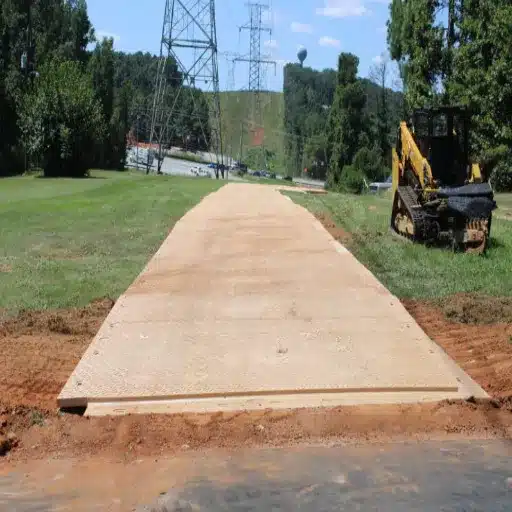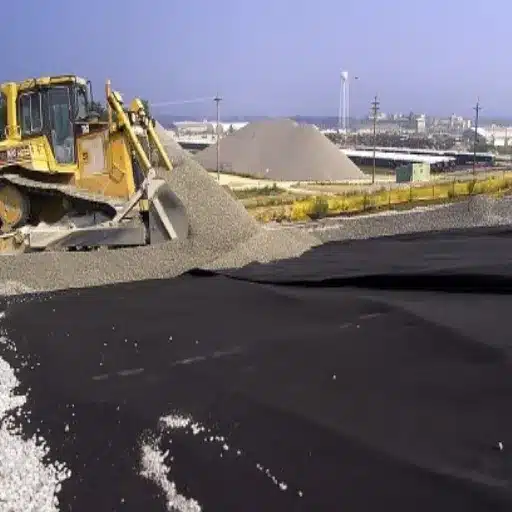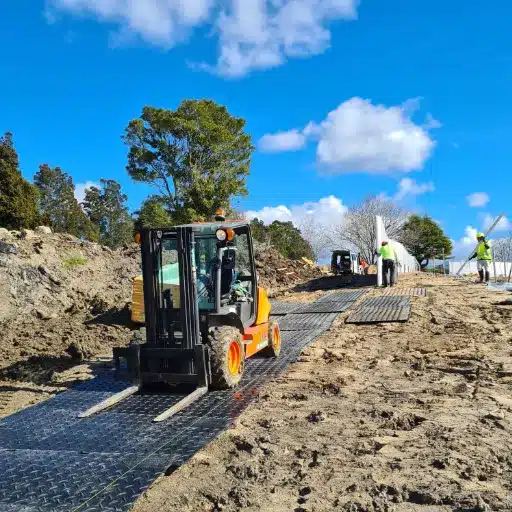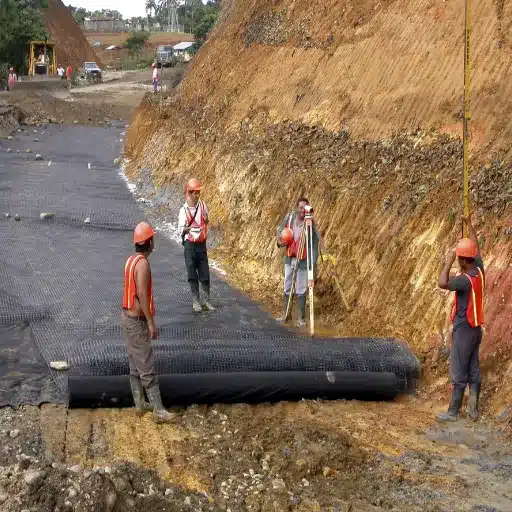
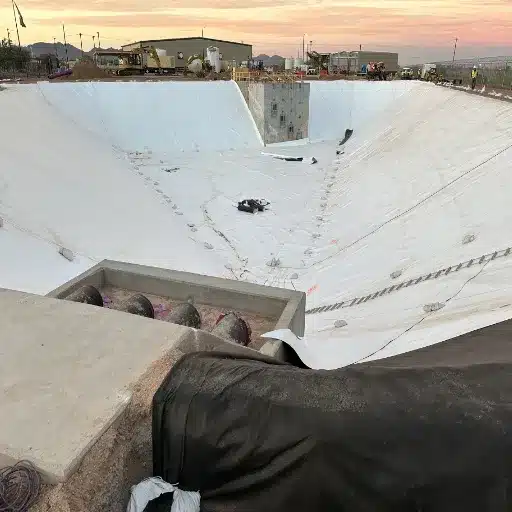
The expansion of the Thailand-based ESBEC landfill project’s containment was an important engineering decision. For this project, if traditional compacted clay had been used, many more lorries would have been required, and installation would have taken months operating under perfect weather. Instead, they found geosynthetic clay liners, an effective alternative. One load of truck substituted for seventy-five such loads conventionally taken. The project was completed six weeks before the scheduled time.
This situation is characteristic of many civil engineering and environmental projects around the globe. Knowing when and how to use these Geosynthetic Clay Liners helps to greatly optimize the time, cost, and durability of projects.
This detailed article on Geosynthetic Clay Liners is designed to help you understand what they are, the alternative systems that can be incorporated instead of GCL, and factors to consider when choosing and installing a geosynthetic clay liner. Be it designing a liner for a waste disposal site, a mine’s containing system or designing a water storage reservoir, this write-up will equip you with the necessary technical information and other aspects of designing that you may be engaged in.
What Is a Geosynthetic Clay Liner?
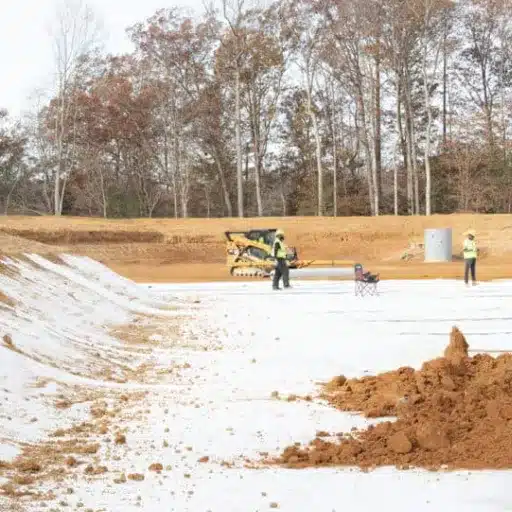
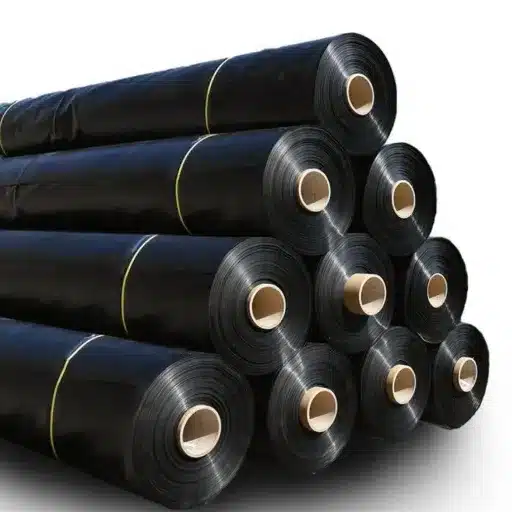
A geosynthetic clay liner is a man-made water-impermeable fabric manufactured in a plant, which uses a small portion of sodium bentonite powder sealed with two thick geotextile fabrics. The thickness of the whole structure is commonly 5 to 8 mm; however, the thin profile has the same amount of hydraulic performance as about 0.5 to 1 meter thick clay, which is compacted.
Composition and Structure
Sodium Bentonite is a naturally occurring clay mineral and is arguably the most important constituent of any Geosynthetic Clay Liners (GCL). It is encapsulated in a woven plus a non-woven geotextile with 4-5.5 kg/ m2 of Bentonite in between. The layers are consolidated and reinforced together by either needle punching or stitching, thereby increasing the dimensional stability and the shear stress.
Once the bentonite has access to moisture, it can expand up to seventeen times its original volume. This increase in volume is helpful in the creation of a thicker and more adherent hydraulic barrier with a very low hydraulic conductivity of 1×10^-9m/s. The self-healing mechanism ensures the closing of holes or cracks automatically when the hydrated bentonite swells.
Types of Geosynthetic Clay Liners
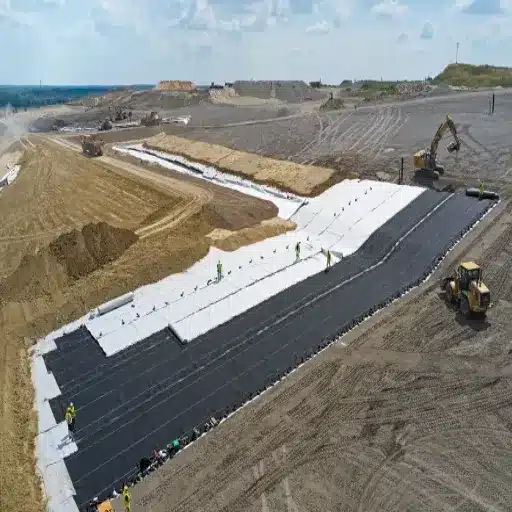
Not all GCLs serve the same purpose. Understanding the different types ensures you select the right product for your specific engineering requirements.
Needle-Punched GCL
Needle-punched GCLs represent the most common configuration. Barbed needles physically entangle the upper and lower geotextile layers through the bentonite core. This creates excellent internal shear strength for moderate slope applications. The manufacturing process produces consistent quality and reliable performance across large installation areas.
Stitch-Bonded GCL
Stitch-bonded GCLs use yarns stitched through the layers to provide reinforcement. This construction offers directional shear strength characteristics preferred in certain structural applications. The stitching pattern can be customized for specific load-bearing requirements.
Coated and Multicomponent GCL
Coated GCLs feature an additional polyethylene or geomembrane layer bonded to one side. This multicomponent design provides enhanced gas barrier properties and protection against desiccation. When the coating uses weldable geomembrane material, installers can create seamless composite systems through thermal welding.
Polymer-Enhanced GCL
Poor performance is observed in standard sodium bentonite in high levels of calcium or aggressive chemicals. Sodium bentonite is given a dose with some additives that actually will resist cation exchange and therefore will keep low hydraulic conductivity in spite of mining leachates. These products are considerably more costly, but, when it is said, they are worth the investment because they can best perform under extreme conditions.
GCL vs Alternative Liner Systems
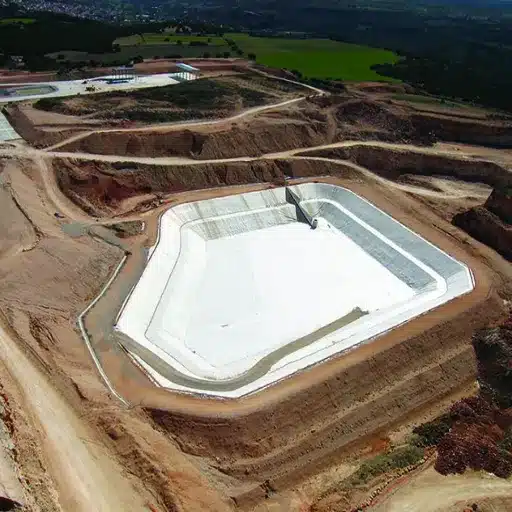
Engineers rarely select containment materials in isolation. Understanding how geosynthetic clay liners compare to compacted clay and geomembranes informs better design decisions.
Geosynthetic Clay Liner vs Compacted Clay Liner (CCL)
The comparison between GCL and traditional compacted clay reveals dramatic differences in logistics and performance:
| Factor | GCL | Compacted Clay Liner |
|---|---|---|
| Thickness | 5–8 mm | 300–1,000 mm |
| Transport efficiency | 6,000 m² per truckload | ~40 m² per truckload |
| Installation time | Days | Weeks to months |
| Weather sensitivity | Minimal | High (moisture-dependent compaction) |
| Quality control | Factory-controlled | Variable field conditions |
| Self-healing capability | Yes | No |
Maria Chen, a geotechnical engineer based in Singapore, learned these differences firsthand. Her team initially specified a 600mm compacted clay liner for a reservoir project. When monsoon season threatened to delay installation by four months, they switched to GCL. The material arrived on schedule, was installed in three days instead of three weeks, and testing confirmed hydraulic performance exceeded the original specification.
Geosynthetic Clay Liner vs Geomembrane
GCLs and geomembranes serve different but complementary functions:
GCL characteristics:
- Active barrier mechanism (bentonite swelling)
- Self-healing for minor punctures
- Moderate chemical resistance (enhanced versions available)
- No welding required (overlapped installation)
Geomembrane characteristics:
- Passive barrier mechanism (impermeable polymer sheet)
- No self-healing capability
- Excellent chemical resistance (HDPE)
- Requires certified welding and quality testing
When to Use Composite Systems
The composite liner system features of both technologies. The HDPE geomembrane is placed over GCL to make it doubly protected as required, with the geomembrane serving as the primary containment while the GCL is the secondary protection with sorption potential. It is apt that the structure conforms to certain rules in the case of the treatment of hazardous waste and major containment applications.
Do you need help planning your containment project, uncertain as to which liner system should be used? Contact our engineering services now for the latest in technical consultations concerning composite liner design plus material selection.
Key Applications for Geosynthetic Clay Liners
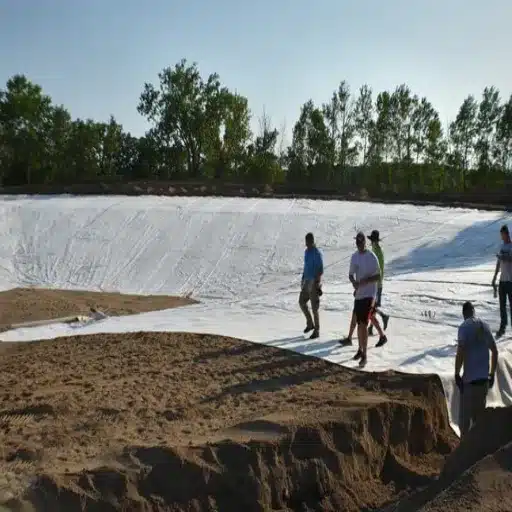
The global geosynthetic clay liner market reached USD 523.2 million in 2025, driven by applications across multiple industries. Landfill projects alone account for 41.2% of market demand.
Landfill Base Liners and Caps
There are several Geosynthetic Clay Liners (GCL) systems that are currently being installed in this category to some extent. Also, the GCL mineral component in the base liner system is found directly below the HDPE geomembrane and stops any leachate from getting into the groundwater. GCL is used in the final caps to avoid any percolation of rainwater into the cover system and to control the migration of gases. Such ability to self-repair is very beneficial since landfills are structures that experience settlement over a number of years.
Mining: Tailings and Heap Leach Pads
Mining creates circumstances where many of the linear functions are challenged. This is because leach pads, where minerals are placed for leaching, are subjected to salt solutions and dynamic loads, both of which cause strains. Crestive abuse of fill tailings into these facilities requires liner systems that can withstand prolonged exposure to materials, especially those posing acid waste. Convertible GCLs have the capacity to get compressed to use the available space to bear loads of up to 3.5 and withstand hydraulic heads of 100 meters. The chemically exacerbated environment that is characteristic of mining sites is protected against its effects through the polymer-modified materials.
Water Containment: Ponds, Canals, and Reservoirs
Hurry, and water Geosynthetic Clay Liners (GCL) application in irrigation projects, the speed of GCL placement, and the consistent standard performance are some of the benefits irrigation projects have for site owners. Unwashed concrete channels had a very high outflowing rate, compared to irrigation channels, which were lined by plastic so that all irrigation water loss, known as canopy loss, is reduced to a minimum. Reservoir and pond usage leverage and make use of the thin structure to curtail excavation costs. In a particular irrigation project in Australia, the canals were lined using GCL, and basically no water seepage was recorded. There was a 60% reduction in the duration of construction as compared to the alternative, which would have otherwise been clay overcompaction.
Environmental Remediation
Then, Geosynthetic Clay Liners are used in the process of removal of pollutants in the ground or waste containment for a treatment setup. The GCL is a synthetic stiff geomembrane that serves to contain the contaminants in the vertical direction. Caps materials are used to confine all kinds of spoil present. In this case, since no environmental degradation occurs, the caps provide the much-needed efficiency. It is important in infrastructure because GCL is usually manufactured with stringent quality control to make sure there is no compromise in performance, even where soil conditions are adverse.
Secondary Containment
Fuel and chemicals, which are stored in above-ground tanks, can sometimes require secondary containment systems. Geosynthetic Clay Liners form a reliable barrier in compliance with the above regulatory requirements and can be more rapidly installed than concrete and compacted clays. The construction line accommodates odd-shaped tanks without formwork to store the contents.
Engineering Specifications and Standards
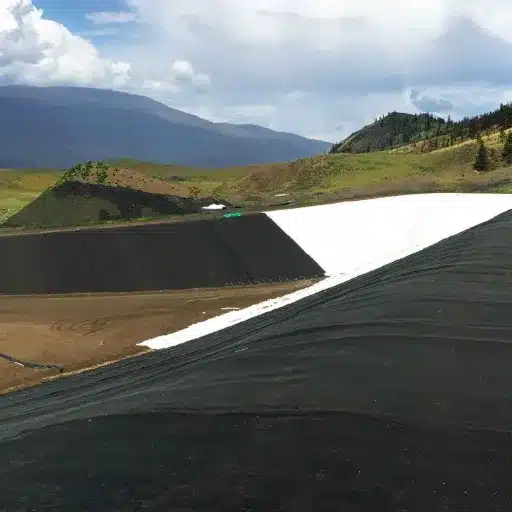
Professional specification of GCL requires understanding standardized test methods and performance criteria.
Critical Performance Properties
Bentonite Mass per Unit Area: As a standard practice, the containment of the bentonite geomembranes is that of 4,000 to 5,500 g/m². The more the presence of the bentonite, the better the hydraulic performance, but at a higher cost.
Peel Strength: It is a strength parameter in determining the tenacity of the glue between the geotextile structures and the bentonite layer. 40 Newtons minimum is enough to ensure that it is easy to carry them during placement.
Hydraulic Conductivity: The most important parameter. Under normal operating conditions, well-designed Geosynthetic Clay Liners would have a hydraulic conductivity ≤1 × 10⁻⁹ m/s. Low conductivity is sustained in harsh chemical conditions with the addition of special polymer modifiers.
Internal Shear Strength: Important in slope situations. The internal friction angle of a needle-punched product generally ranges between 20 and 30 degrees as a function of the applied normal stress. More reinforced varieties are used for very high-angle slopes.
ASTM Standards Reference
Identify the measures and evaluate GCL according to ASTM standards known in construction:
- ASTM D5890: Characterization and Determination of Clay Mineral Content of Geosynthetic Clay Liners Using Swell Index Test
- ASTM D5993: Determination of Mass of Geosynthetic Clay Liners per Unit Area
- ASTM D5084: Determination of Saturated Permeability of Porous Material – Methods
- ASTM D6102: Recommendations for the Placement of Geosynthetic Clay Liners
- ASTM D6496: Method for Measuring the Mean Adhesion Strength of the GCLS
Observing these standards guarantees the achievement of results and facilitates other supporting processes related to approval documentation.
Installation Best Practices
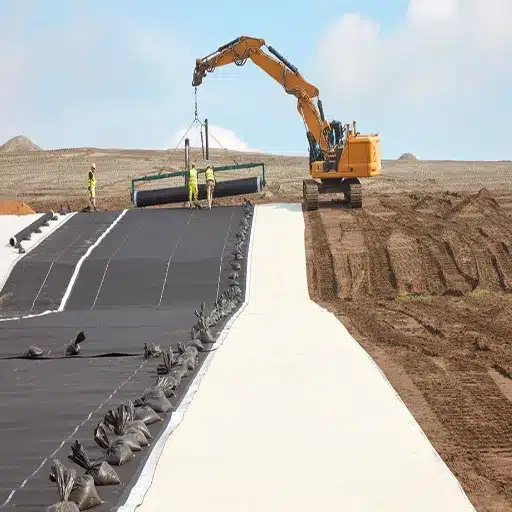
Proper installation determines whether GCL performs as designed. Following established protocols prevents costly repairs and ensures long-term containment integrity.
Subgrade Preparation
The base layer should be provided with an even and firm surface without any plants, fragments, stones, or unnecessary building materials. The size of soil particles should not be more than 25mm; any protrusions more than 12mm need to be cut off or removed. Use a smooth –wheel roller to get rid of wheel tracks deeper than 25mm. Installation is not possible over standing water, ice, snow, or frozen subgrade.
Weather and Environmental Controls
Do not install GCL in the rain or when it is expected to rain shortly. Install the material in such quantities that the entire surface is covered by the close of business. Failure to protect the placed GCL overnight may cause undesired hydration of the liner and increase the risk of failure. When it is windy, it is mandatory to deploy the rolls with weights such as sandbags to keep them from moving.
Deployment Techniques
To place GCL, use the bottom of the rolls and not from the top. In the case of slope works, the operation will begin from the highest point and move downward, or in some cases, the roll end is fastened onto an anchor trench and then moved in reverse gear. Do not allow any rolls to fall above slopes and unhorse. Where possible, slipsheets are always put under the panels while positioning them to reduce the friction from dragging.
Seaming and Overlap Procedures
The length edges of panels will overlap by 150–300mm. At the ends of rolls, the transverse overlap varies between 300 and 600mm depending on the slope. Bentonite granules or bentonite pastes are placed in overlap joints to avoid loss of hydraulic continuity. For such products having a geomembrane backing to GCL, the structures with weldable, thermal seaming techniques as used, and for non-weldable means of binding it is dependent on constructing bentonite-filled seams or appropriate lap tape.
Cover Requirements
In the first step, the GCL should be immediately shielded with at least 300–500mm of soil or other covering material, whichever is indicated in the specification. Such protection protects the UV degradation of the liner and provides a moisture barrier against dehydration stresses. The slope shall be covered with a covering material beginning at the toe of the slope and moving up the grades.
Slope Stability and Design Considerations
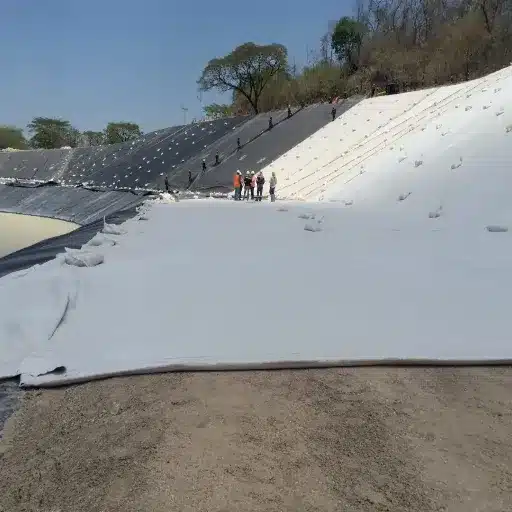
GCL applications on slopes require specific engineering analysis to ensure long-term stability.
Maximum Recommended Slopes
Standard GCL installations suit slopes up to 2.5:1 (horizontal: vertical). Reinforced GCL variants accommodate steeper angles when properly anchored. For slopes exceeding 3:1, geotechnical analysis should evaluate interface friction and potential slip surfaces.
Anchor Trench Design
Anchor trenches at slope crests secure GCL against downslope movement. Standard design places GCL across the trench base to the back wall, with backfill providing anchorage. Run-out anchors extending past the crest serve as alternatives where trenching proves difficult.
Interface Friction Considerations
The friction angle between GCL and adjacent materials determines stability. Testing per ASTM D5321 establishes interface shear strength for specific material combinations. Design engineers must verify that driving forces remain below available shear resistance with appropriate safety factors.
Cost Analysis and Economic Benefits
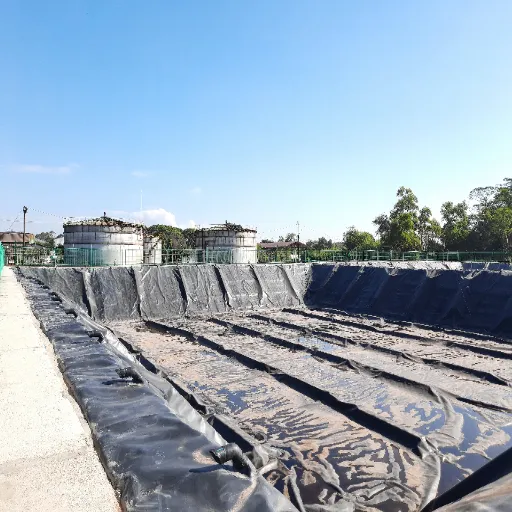
While unit material costs matter, total project economics drive GCL selection decisions.
Material Cost Comparison
Standard GCL products typically range from 2to2to5 per square meter, depending on bentonite content, reinforcement type, and order volume. This compares favorably to compacted clay when transportation and installation costs enter the calculation.
Installation Labor Savings
Fewer guerrilla contractors install with fewer crew and less equipment compared to compacted clay. Approximately 2000-3000 square meters per day are handled by a crew of five under favorable conditions. The installation of an equivalent compacted clay would require a multiplicity of machines, rigorous grading, and moisture conditioning over weeks.
Transportation Efficiency
The dramatic economic advantage is clear in logistics. Six thousand square meters of GCL is transported at one time. This equals about 40 square meters of compacted clay. For relatively isolated projects, the aforementioned difference in volume can mean around dozens of unnecessary truck trips, and with these trips come substantial fuel, labor, and equipment costs.
Long-Term Performance Value
Control over the production line in the plant ensures that the quality that a product offers will not vary with the outside weather conditions. The capacity to self-heal reduces costs associated with future dismantling and rebuilding. Life expectancy should extend beyond 100 years when normally used, and even then, equal or exceed other relining systems.
Quality Assurance and Supplier Selection
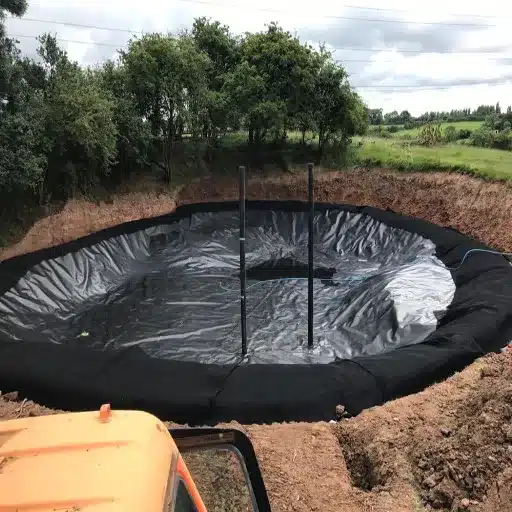
Specifying GCL from qualified suppliers ensures material performance and project success.
Factory Quality Control Indicators
Evaluation of the suppliers will be done considering that each quality system has been documented. ISO9001 certification explains the fostering of the quality management techniques that they have. Certainly, the factory test must comply with every production lot according to ASTM specifications.
Sample Retention Policies
Leading manufacturers retain production samples for extended periods. This practice enables future testing if questions arise about material performance. Sample retention demonstrates confidence in product consistency and supports warranty claims.
Technical Support Capabilities
When engineers add vendor support to the most complex projects, the benefits far outweigh a material-provide-only situation, providing presales consultation, specification reviews, and installation planning with no other cost than material. Select those suppliers who already have experience in an application in which companies are experienced.
Ready to specify geosynthetic clay liners for your next containment project? Request a customized quote with technical specifications tailored to your engineering requirements and project timeline.
Conclusion
Geosynthetic clay liners can be described as an already proven, well-tested technology applied in containment applications all over civil engineering and environmental protection. With the very peculiar nature of a geosynthetic clay liner-thin profile, self-healing capabilities, and expedient installation, the fact is that it assists in solving genuine project problems that compacted clay alone cannot respond to.
Key takeaways for your next project:
- GCL provides equivalent hydraulic protection to 0.5–1 meter of compacted clay in a 5–8mm profile
- Factory-controlled quality eliminates field compaction variability and weather dependencies
- Composite systems combining GCL with geomembranes meet the most stringent regulatory requirements
- Installation speed and transportation efficiency generate project cost savings beyond material pricing
- ASTM standards provide recognized frameworks for specification, testing, and quality assurance
Global market values have stepped up to $523 million, all thanks to the confidence of engineers regarding the GCL appraisal. Geosynthetic clay liners deserve a place within the liner system design of your respective projects, be they landfills, mines, water management, or environmental remediation practices.
For technical consultation on GCL selection, specifications, and installation requirements for your specific application, contact our engineering team today.