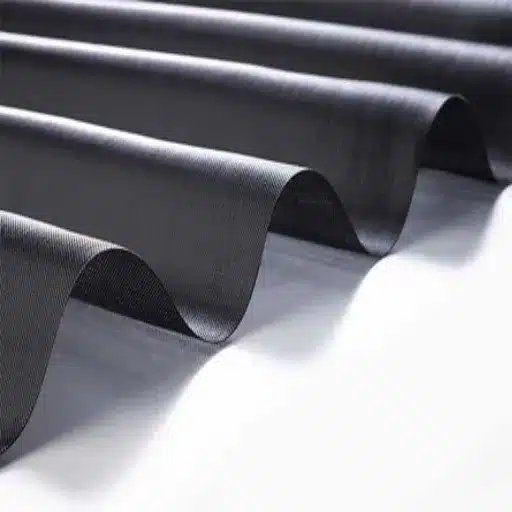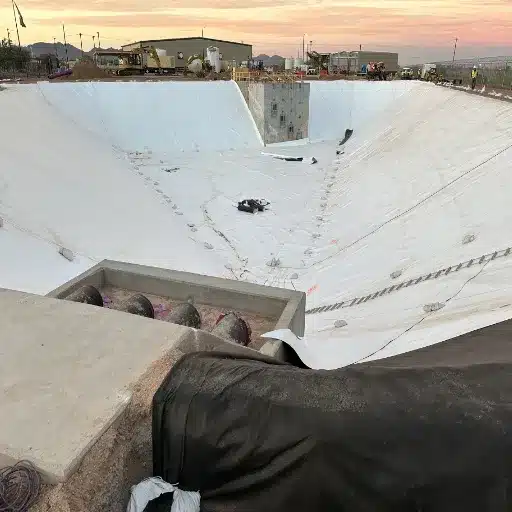
The fundamentals of a successful landscaping project provide drainage and structural stability to ensure maximum durability of the outcome. From constructing a retaining wall to preventing soil erosion and providing proper water movement in the landscape back to prepare your site for planting – geotextile fabrics serve as the backbone of the entire project. Geotextile fabric not only enhances the drainage of water through soil, but it can also provide support for eroded soil and extend the life of the current landscape investment(s). In this article, you will learn how this innovative product will support your projects, from the construction of a retaining wall to the installation of an earthworks system for drainage; therefore learning more about what is geotextile fabric and all the many ways to use it in your landscape project will be beneficial.
Introduction to Geotextile Fabric
What is Geotextile Fabric?
Geotextiles are permeable materials made from synthetic or natural fibres, which are available for use in engineered or constructed environments. Their use includes separating soils, filtering sediments and watershed contaminants, reinforcing soils, protecting soils and draining exposed soils. Geotextiles are generally manufactured from polypropylene or polyester; they are classified into two main categories: Woven and Non-Woven. Woven geotextiles are stronger and more durable; they are commonly used for soil stabilization and erosion control, while non-woven geotextiles offer superior drainage properties and filtration properties due to their greater permeability.
Market Insight: In a 2022 report by Miller & Williams, the Geotextile Market Size was estimated to be USD 9.4 billion globally in 2022, and is expected to grow to USD 16.2 billion by 2030 with a CAGR of 7.2%. As these industries continue to expand, and as demand continues to increase, the geotextile market will continue to grow. In particular, geotextile fabrics are now frequently used in conjunction with road construction to improve soil strength and extend road life, and for use in underground drainage systems where flooding may be prevalent.
Geotextile Fabrics’ Importance in Retaining Walls
The effectiveness and longevity of retaining walls are significantly influenced by the inclusion of geotextile fabrics. A major function of geotextile fabrics in retaining walls is to serve as a separation barrier between different types of soils that may compromise the stability of the wall. Additionally, through their permeability, geotextile fabrics also provide improved drainage to eliminate the development of hydrostatic pressure behind the wall, a primary cause of structural failure.
Research Finding: Research has shown that retaining walls using geotextile fabrics can exhibit a much higher degree of stability and load-bearing capacity than passive retaining walls using only compacted soils as backfill. Research has shown that retaining walls constructed using geotextiles interspersed within the backfill material can increase the overall effectiveness of these walls by as much as 75%. This is especially important in areas with heavy rainfall and flooding where soil erosion and water retention are a challenge.
Benefits of Using Geotextile Fabric in Retaining Walls
Soil Stabilization and Erosion Control
Soil stabilization and erosion control are key components when designing retaining walls and it is paramount to consider the role of geotextile solutions as a separator between the construction materials (concrete, bricks, etc.) and the underlying soils. The primary benefit of the geotextile fabrics is that they allow the soil to remain stable while controlling its movement underneath the wall. Geotextile fabrics also transfer loads from above through the entire wall depth and help to limit displacement that occurs due to soil erosion from heavy rain or major water flow in the areas above.
Study Results: Geotextile solutions have shown to have the potential of reducing soil erosion by up to 50% in steep-gradiated areas and in regions subjected to frequent flooding, according to a recent study. The study concluded that woven geotextiles provided long-term stability to steep slopes when they allowed water to infilter through the fabric.
When a retaining structure is built using a geotextile, the structure may have an extended lifespan of up to 40% and the associated cost for repairing and maintaining the structure may be significantly reduced. Non-woven geotextile solutions are also known to effectively filter fine particals out of water, therefore enhancing water drainage and the retention of the soil in areas with low quality soil.
Improvement in Drainage Capabilities
Geotextile fabrics improve the function of poorly draining soil (for example, where the upper layer of soil cannot effectively drain water away) by creating barriers between different types of soil. Geotextile fabrics are also a means of allowing water to drain through without allowing accumulation of water and causing instability of the immediate area. According to a report, a non-woven geotextile may produce flow rates between 10 to 15 gallons of water per minute per square foot, depending on the thickness of the fabric and the extent of the permeability of the soil. Therefore, the potential use of these fabrics in applications like roadways, retaining structures, and systems where continual, rapid removal of water is critical, is highly feasible.
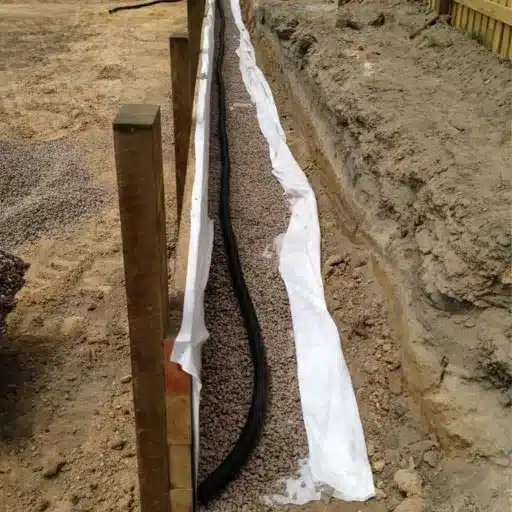
Geotextiles can serve to prevent fine soil particles from passing through the geotextile while allowing water to pass through freely. This filtering ability is essential for some systems built to provide subsurface drainage and French drains, where the ability to maintain a clear pathway for the flow of water without clogging is critical. Innovations to the geotextile, like those of needle-punched and heat-bonded types of geotextile technology, provide much higher levels of efficiency for geotextiles when filtering the soil and water specific to the project.
Types of Geotextile Fabrics
Woven Geotextile Fabric
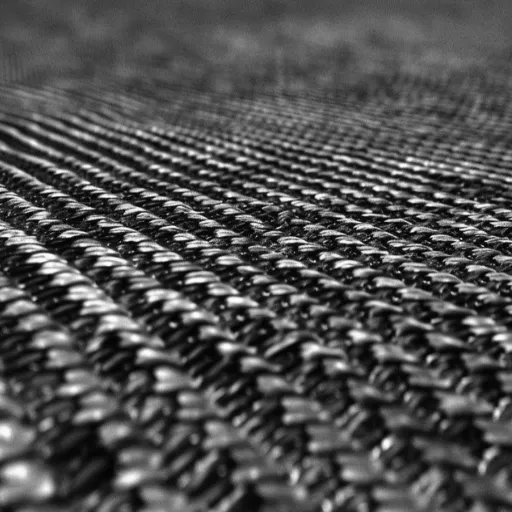
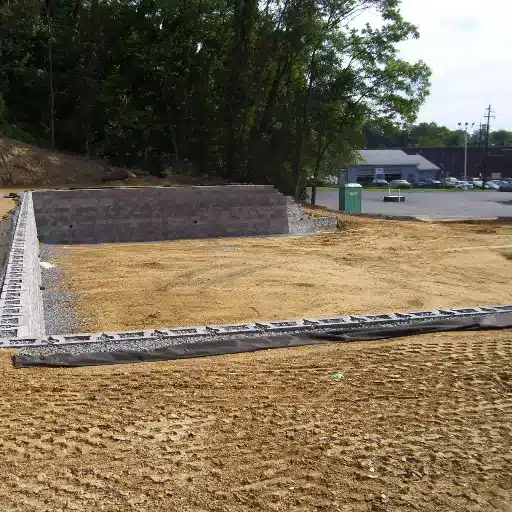
Woven geotextile fabric is an extremely robust and efficient material designed for use in a wide variety of civil engineering and landscaping projects. The fabric is produced through the process of weaving polypropylene/polyester fiber(s), which yield the exceptionally high tensile strength common to woven fabrics. This characteristic makes woven fabrics particularly well suited for applications that require the distribution of load, the stabilization of soil, and the management of erosion. The load capacity of woven geotextiles is much greater than that of non-woven geotextiles; therefore, they can be used in road construction, retaining walls, railway foundations, and other applications where load-bearing capabilities are needed.
Currently, due to a recent increase in research and technology, woven geotextiles are produced with engineering specifications to optimize the water permeability of the fabric and its filtering ability for soil. There are certain types of woven geotextiles that can offer tensile strength ranging from 200 to over 400 kN/m based upon the project’s requirements. Woven geotextiles are also highly resistant to UV degradation, chemicals, and biological organisms; thus, they offer durability in difficult environmental conditions.
Non-Woven Geotextile Fabric
Synthetic materials such as polypropylene or polyester are used to create non-woven geotextiles, which consist of fibers bonded together using some type of chemical, heat, or needle-punching technique. Unlike woven geotextiles, non-woven fabrics are primarily used for filtration, separation, and drainage applications because of their porosity. Non-woven fabrics provide superior water permeability to woven fabrics because liquids and gases can flow through non-woven fabrics without the soil below eroding away and/or collecting sediment.
Performance Data: Data have shown that the addition of non-woven geotextile fabrics improves the efficiency of drainage and filtration systems. For example, if a non-woven geotextile were utilized in a soil stabilization application, the permeability of a typical non-woven geotextile is 0.2 to 0.8 cm/s, making it very effective at directing the flow of water underneath the ground surface.
Data also show that the application of a non-woven geotextile in a landfill liner will reduce the amount of leachate that seeps through the liner by as much as 50%, improving the environmental safety of the area.
Installation Techniques for Retaining Walls
Preparing the Site for Installation
Clearing Vegetation and All Other Debris
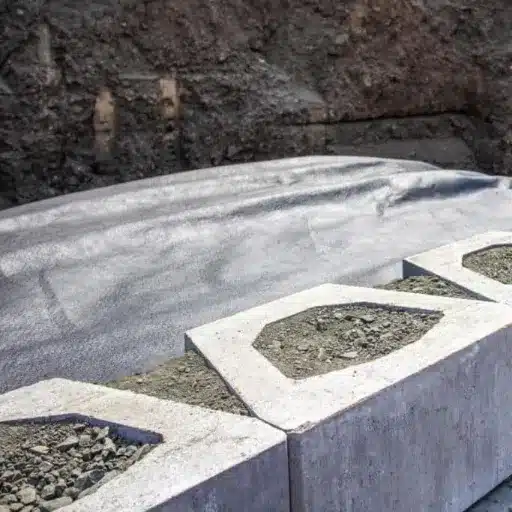
The area to support the retaining wall shall be cleared of all bushes, tree limbs, and all types of organic debris. This clearance allows for a firm & stable foundation for the wall’s construction. During excavation, a trench will be dug according to the specifications outlined in the design; i.e., the depth of the trench should be equal to at least 10% of the height of the retaining wall for stability.
Leveling the Soil for the Retaining Wall Foundation
Once the excavation has been completed, the next step in building a retaining wall is to level the soil where the foundation will sit. Compacting the soil is essential to prevent any type of soil shifting or settling that may occur due to the weight of the retaining wall over time. According to research, using a mechanical compactor on the base soil can increase the base soil’s strength by as much as 40%. Using a gravel or crushed stone base also helps to give the wall a solid base and provide adequate drainage of any water that collects behind the wall.
Installing a Drainage System
Without a properly functioning drainage system, such as using perforated pipes and a gravel backfill, hydrostatic pressure can build up behind the retaining wall, causing it to fail prematurely. Retaining walls built with a properly functioning irrigation system generally last 25%-30% longer than those built without an effective drainage system. To enhance the drainage system, filtration devices such as non-woven geotextiles should be used to prevent soil erosion and allow water to flow through the retaining wall.
Installing Geotextiles Behind the Wall
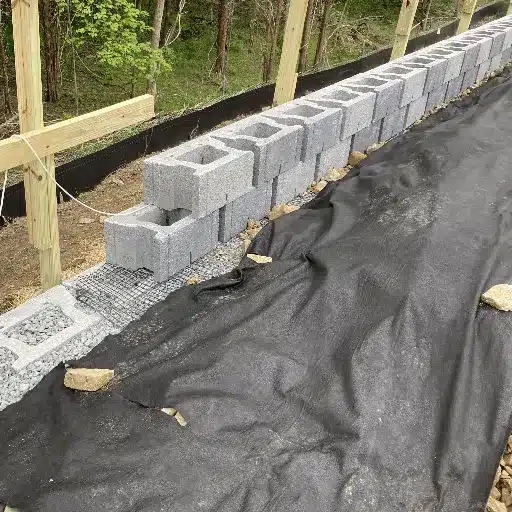
Geotextiles are one of the main elements that enhance the durability and longevity of a retaining wall; they help to eliminate soil erosion while improving the drainage capabilities of the wall. When constructing a retaining wall, the geotextile should always be placed in between the backfill and the soil to prevent very fine sands from migrating into the drainage system. If left in the drainage system, the soil will ultimately lead to clogs or blockages within the drainage system. Non-woven geotextiles provide excellent permeability and strength for this application.
Installation Best Practices:
For the optimal installation of geotextiles, sections should overlap by a minimum of 12-18 inches to avoid any open spaces through which soil can migrate into the drainage system. Also, to properly anchor the geotextile to the soil, the fabric must extend above the top of the wall by a few inches and to the sides of the wall above the top of the wall by a few inches as well. As a result, according to the data and studies available, using geotextiles can reduce maintenance costs associated with the retaining wall by up to 40%, as using geotextiles virtually eliminates the chances of such issues as drainage failures and structural failure caused by soil migration.
Maintenance Tips for Retaining Walls with Geotextile Fabric
Regular Inspections for Erosion
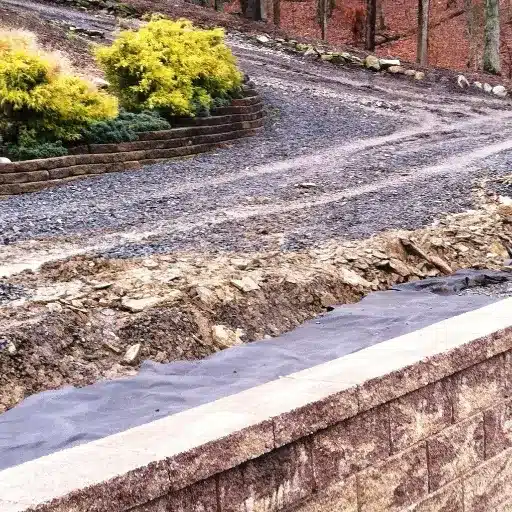
Regular inspections of retaining walls and geotextile fabrics are necessary measures to manage soil erosion and preserve the life of the retaining wall systems. Heavy rains, freeze-thaw cycles, and growth of nearby vegetation can change the position of the soil and increase deterioration rates on retaining wall systems as time passes. Research has indicated that without proper maintenance, retaining wall systems may experience a life expectancy loss of as much as 50%.
During your inspection, you should look for signs of soil displacement — such as cracks on the wall surface, bulging of the wall sections, or exposure to geotextile fabric. Look at the drainage systems and determine if they are clear of blockages, as these could create pooling conditions and result in increased hydrostatic pressure on retaining walls. Landscape technician data indicates that correcting minor soil erosion problems in a timely manner can decrease the total cost for repairs by as much as 40%. Removing any debris or vegetation roots that are near the base of your retaining wall also provides some protection against erosion and provides continued support and structural stability over time.
Maintaining Drainage Systems
It is important to maintain your drainage systems to continue to operate optimally, particularly for managing water that may be present on sites adjacent to structures including retaining walls and foundations. The first step in maintaining your drainage system is conducting regular inspections for clogs, cracks, or any components of the drainage system that may be damaged. Recent data indicate that improperly maintained drainage systems increase the possibility of water damage by up to 30%. Cleaning gutters and downspouts of organic debris such as leaves and silt will allow for a clear path for water to drain away from your unevenly graded area. For underground drainage systems, consider flushing the pipes, using high-pressure water, at least once each year to eliminate the effects of buildup.
In addition to maintaining drainage systems free of blockages, you should ensure that your outlet pipes are clear of obstruction, such as those from roots of plants or soil accumulation that may cause the water to flow incorrectly. Results of searches emphasize the need to use gravel or geotextile fabric in the drainage trenches to enhance filtration and minimize the likelihood of silt accumulation. Statistics suggest that by using proactive drainage maintenance techniques, the overall lifespan of drainage systems can be increased by 20%, resulting in lower overall repair or replacement costs. By rectifying small problems with your drainage systems in a timely manner, homeowners can help protect their homes from water damage and improve their drainage system’s efficiency.
Reference Sources
-
“Geosynthetics–A Sustainable Construction Material”
- Key Findings: This paper highlights the use of geotextiles in sustainable construction, including retaining walls. It discusses innovations like non-woven paving fabrics made from recycled materials, emphasizing environmental benefits.
- Methodology: The study reviews advancements in geosynthetics, focusing on case studies and applications in retaining wall construction.
- Read the study here
-
“An Overview of Geotextiles: Industrial Application in Technical Textiles”
- Key Findings: This research explores the role of geotextiles in infrastructure, including their application in retaining walls. It highlights the blending of natural and synthetic fibers to enhance durability and performance.
- Methodology: The study provides an industrial overview, analyzing the properties and applications of geotextiles in technical textiles.
- Read the study here
-
“Dynamic Behavior of Pavement Layers on Sand Subgrade”
- Key Findings: This paper examines the use of geotextile fabric sheets in reinforcing retaining walls and other infrastructure. It discusses the dynamic behavior of reinforced layers under various conditions.
- Methodology: The research involves experimental analysis of pavement layers reinforced with geotextile sheets, focusing on their performance on sand subgrades.
- Read the study here
Frequently Asked Questions (FAQs)
What Is Retaining Wall Fabric, and How Does Landscape Fabric Work with Retaining Walls?
Retaining wall fabrics and geotextiles (landscape fabrics) are permeable non-woven materials used in the construction of retaining walls. These fabrics keep the backfill material from migrating to the drainage stone as well as providing greater filtration efficiency and controlling the movement of water through the material, which reduces hydrostatic pressure and protects the integrity of the retaining wall.
What Are The Benefits Of Using Landscape Fabric In Your Retaining Wall Project, How Does It Help Drainage?
Landscape fabrics provide drainage, weed barrier protection for retaining walls, and tile-drainage systems. Their most significant benefit is to filter soil particles and prevent them from migrating into the gravel and drainage layer, helping to maintain drainage quality and delivering water to tile-drain systems. Landscape fabric prevents water accumulation behind the retaining wall, allowing the wall to remain stable.
Which Non-Woven Geotextile Fabric Provides The Most Durability?
Using the appropriate weight-rated non-woven geotextile fabric is critical for filtering and reinforcing the retaining wall system. The non-woven fabric provides the best filtration efficiency, the best durability to prevent clogging and the longest lifespan of the retaining wall by protecting the integrity of the drainage stone and ensuring there is no contamination with soil particles, thereby prolonging the life of the retaining wall.
How Do I Use Geogrid Products In Combination With Retaining Wall Fabrics For Reinforcement?
Yes, it is common to reinforce the structural integrity of retaining walls with non-woven geogrid products while simultaneously providing filtration and separation of materials through the use of geotextile landscape fabric. Typically, in a retaining wall project, geogrids are installed within the backfill to provide structural reinforcement and distribute load, and geotextile fabric is placed in front of the retaining walls and below the gravel or fill material to provide an underlayment between the two materials.
What Are The Types Of Fabrics Used, And Which Type Provides The Best Drainage Capability?
There are two main types of fabrics used in drainage applications: non-woven geotextiles and woven fabrics. Non-woven geotextiles generally have much better drainage flow properties and filtration efficiencies than all woven weed barrier fabrics which are typically designed to block vegetation. Non-woven geotextiles help keep the drainage layer clean and provide superior filtration compared to most woven weed barrier products.
Key Takeaways
Geotextile fabrics are essential components in modern landscaping and retaining wall construction, offering superior drainage, soil stabilization, and erosion control. By understanding the different types of geotextile fabrics and proper installation techniques, you can significantly extend the lifespan of your retaining walls while reducing maintenance costs and ensuring structural integrity for years to come.