The type of liner material chosen certainly makes a difference regarding the protection comes to ponds, reservoirs, and containment areas. HDPE (High-Density Polyethylene) geomembrane liners became a reliable and environmentally friendly option in terms of durable and reliable containment. The current article highlights the main characteristics, advantages, and uses of HDPE geomembrane liners through which the reader comes to know why they are a preferred option for the construction projects that need long-term operation and strength. Uncover the versatility of the material along with its ability to protect the environment’s resources, whether you are taking care of pond installation or an industrial containment system.
Introduction to HDPE Geomembrane Liners
What is an HDPE Geomembrane Liner?
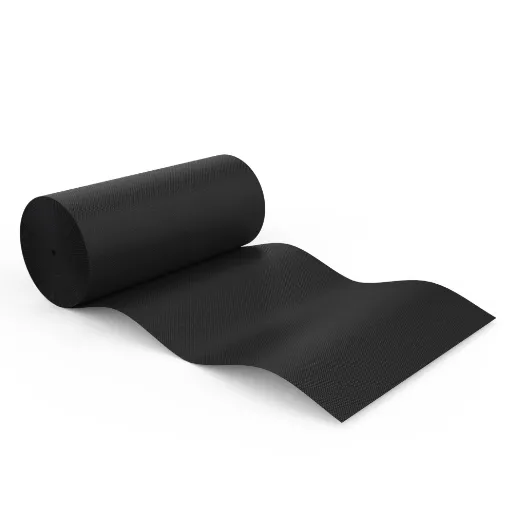
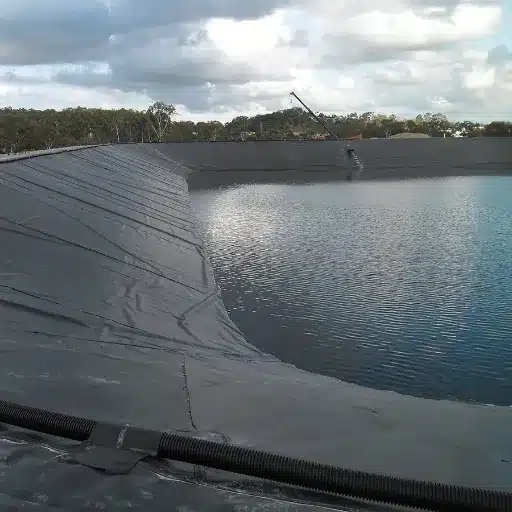
High-Density Polyethylene (HDPE) geomembrane liners are artificial barriers made in the form of sheets and meant for a variety of containment applications. The major component of these liners is HDPE, which is a thermoplastic polymer that has the greatest chemical resistance, durability, and non-permeability. HDPE geomembranes protect the environment and provide a reliable and durable method to hold the liquids, gases, or wastes that are the most toxic.
HDPE geomembrane liners are usually specified with thicknesses between 0.5mm (20 mil) and 3.0mm (120 mil) depending on the area of application. Their tensile strength is incredible—normally reaching more than 27.5 MPa (meagapascals)—and they are capable of withstanding very harsh mechanical stresses without losing their integrity. Besides, their resistance to UV enables them to work perfectly during the long periods of sunlight exposure, thus making them very suitable for outdoor applications.
Importance of HDPE Liners in Different Industries
Waste Management and Landfills
In the waste management industry, HDPE liners are most commonly seen in landfill caps and base layers to block leachate, the toxic liquid, from permeating into the soil and groundwater. It is said that the global waste management industry will be worth more than $500 billion by 2030, which points to the growing need for effective waste containment systems. HDPE liners are guaranteed to be environmentally safe and non-toxic through their excellent containment ability over a long period.
Mining Industry
In the mining sector, HDPE liners are indispensable for heap leaching pads, tailings dams, and storing wastewater. Their resistance to chemicals is a key factor in preventing leaks of acids, heavy metals, and other toxic pollutants that are used in the extraction processes. For example, in gold mining, HDPE liners are in use to epoxy heap leaching facilities, with the global heap leach market anticipated to rise at a CAGR of 6.3% by 2028.
Water Management and Reservoirs
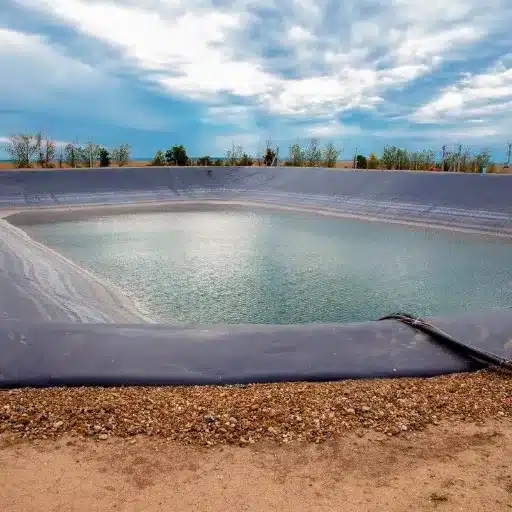
HDPE liners are used as barriers against water seepage in ponds, reservoirs, and canals by agriculture, aquaculture, and municipal water storage systems. These liners are becoming more and more important in modern irrigation and conservation methods due to the global increase in water demand. They are also utilized in waste treatment plants and thus participate indirectly in the management of hazardous wastes.
Benefits of Using HDPE Geomembrane Liners
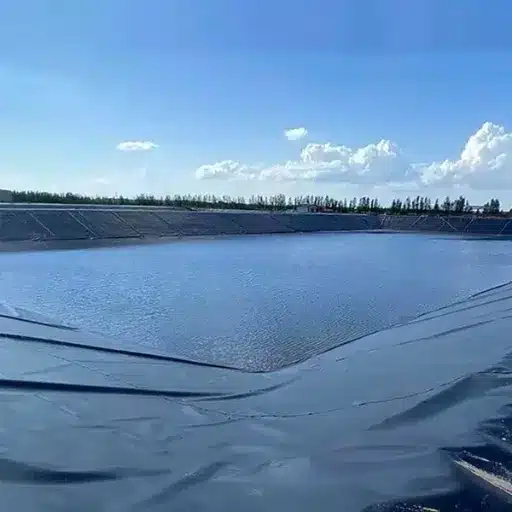
Exceptional Durability and Longevity of HDPE Liners
One of the main advantages of HDPE geomembrane liners is their incredible toughness and long life span. The first thing to note is that these liners are made of high-density polyethylene and are hence hard to degrade through UV radiation, chemicals, and extreme environmental conditions. Scientific research indicates that if the HDPE liner is installed and maintained properly, it will last over 20 years without losing its physical and chemical integrity, which is why it is considered a cost-efficient option for the long-term use of projects.
Moreover, the high strength of the material allows it to endure not only the mechanical stress of heavy loads and ground movements but also the thermal and chemical stresses without losing its integrity. Consequently, the HDPE liners find application in industries like mining, agriculture, and waste disposal where durable solutions for containment are indispensable. Their strength not only guarantees performance over time but also reduces the need for maintenance, which in turn results in a greater demand for them all over the world.
Durability and Heavy Duty Properties
High-Density Polyethylene (HDPE) liners exhibit incredible strength and reliability, thus they are the best choice for demanding applications. Their excellent performance is due to the molecular structure that provides resistance to chemical decomposition, UV light, and very bad weather. The studies done by scientists reveal that under the normal operating conditions, the HDPE liners can be in service for over 20 years, which means that the replacement and maintenance costs will be very low.
The tensile strength of the liners is one of their prominent characteristics, and it is reported that recent material studies claim this strength to be able to handle stress levels as high as 25 to 35 MPa (megapascals). Further, these liners show remarkable flexibility allowing them to tolerate ground movements or settling without actually cracking or tearing. The flexibility is especially important in such industries as mining and landfill management where stable containment is crucial.
Common Applications of HDPE Liner
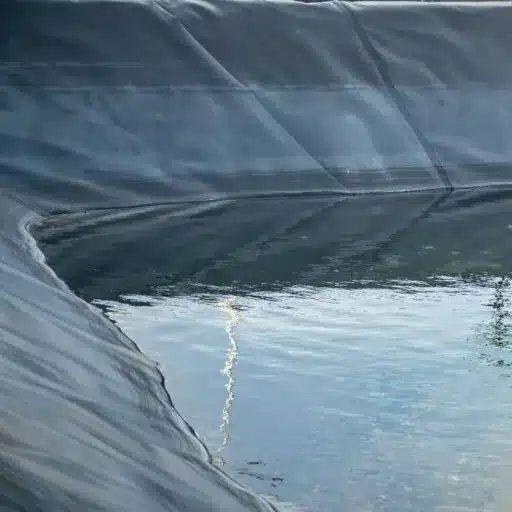
Use in Containment Systems
HDPE liners are an extremely important part of the containment systems, since they not only protect the environment from pollutants to an unparalleled degree but also prevent the leakage of any materials from the containment areas. With their outstanding chemical resistance and durability, these liners are the most widely used in different applications like the liners for landfills, wastewater treatment plants, and secondarily the containment of hazardous liquids. The permeability rate of HDPE liners has been reported to be as low as 1 x 10⁻¹⁶ cm/s, which means even the most extreme conditions cannot cause leakage.
HDPE liners in landfill containment systems not only serve their purpose but also help in maintaining compliance with the environmental regulations that are very strict. The regulations set by the Environmental Protection Agency (EPA) include among others, the monitoring of leachate and groundwater changes in the location of the landfill, so the HDPE liners could be a key element in the compliance with this standard. At the same time, in the wastewater treatment plants, the HDPE geomembranes are a source of long-lasting resistance to the chemicals, thus prolonging the life of the containment structure and decreasing the cost of maintenance.
Application in Fish Ponds and Aquaculture
The High-Density Polyethylene (HDPE) liners have become indispensable in the creation and upkeep of the fish ponds and aquaculture systems. The purpose of the liners is to maintain a steady and safe environment for the aquatic organisms, thus they ensure the retention of water and the non-contamination of water by external factors. Their non-toxic and durable nature makes them the perfect choice for aquaculture applications where water quality is the main concern.
The HDPE liners are not easily degraded by UV radiation and they do not corrode with the chemicals; this is a very important property for the fish ponds that are outdoors as they are constantly exposed to sunlight and changing weather conditions. According to some studies, the life span of HDPE liners will be around 20-30 years if they are installed and maintained properly, thus significantly decreasing the long-term operational costs. Moreover, these liners eliminate the problem of seepage thus making water management more efficient and lessening the frequency of water refilling which is a very important factor in water-scarce areas.
Installation Process of HDPE Geomembrane Liners
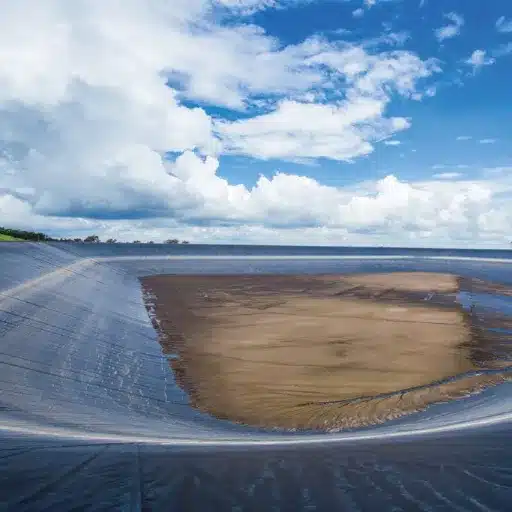
Preparation of the Site
Clearing and Grading
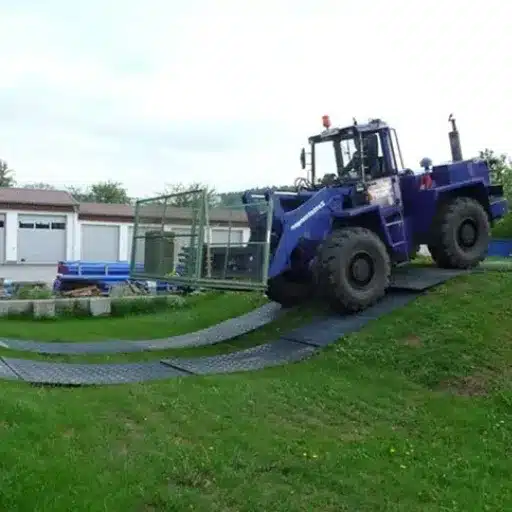
The very first operation includes clearing the site, which means getting rid of all plants, waste, and sharp objects that can possibly break the liner. After that, the site is graded to have a uniform slope and surface, which will help to avoid the problems of water catching or uneven pressure on the liner, as it was intended.
Subgrade Preparation
The subgrade is to be compressed and made clean of sharp stones, roots, and other unevennesses. The top should not be like a roller coaster according to the industry standard, and the highest point should not be more than half an inch above the lowest. With a well-compacted subgrade, the settlement over time is minimized, so the integrity of the liner will be less affected by the settlement.
Geotextile Placement (if needed)
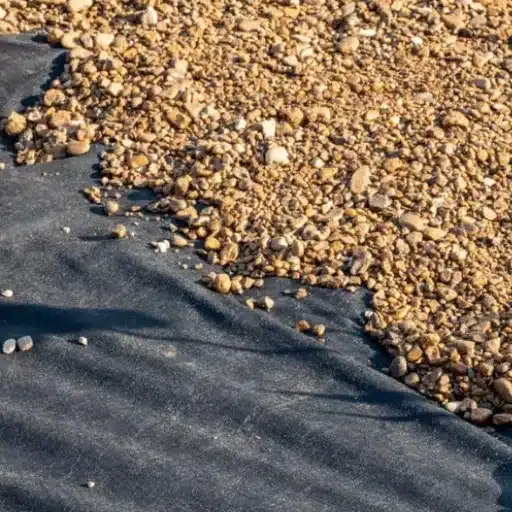
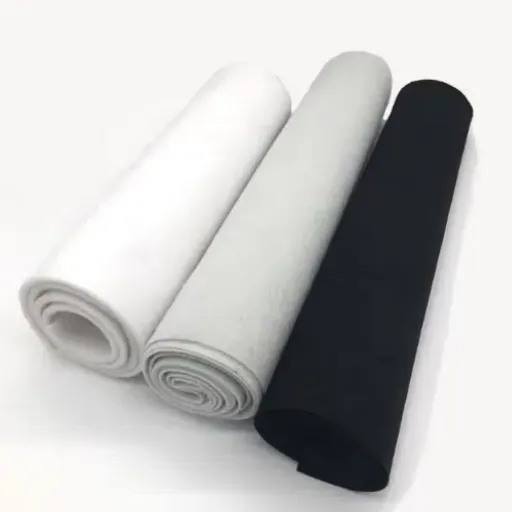
In some cases, a geotextile layer that provides protection may be laid over the subgrade, particularly in places where the soils are coarse or the conditions are rocky. This layer serves like a cushion and also grants the HDPE liner extra protection against punctures or tears.
Importance of Thickness: 20 Mil vs 40 Mil HDPE Liner
Maintenance Tips for HDPE Liners
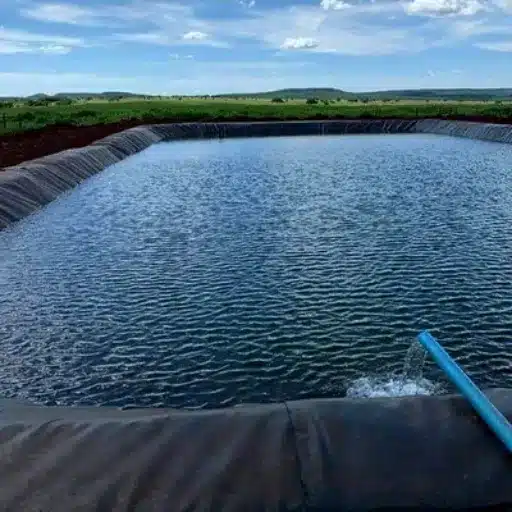
Regular Inspections and Leak Detection Techniques
The performance and longevity of HDPE liners are very much dependent on regular inspections and effective leak detection techniques. Visual inspections should be carried out at a minimum of six-month intervals or after any major event like a storm or heavy equipment working close to the liner has occurred. Look out for the signs of damage, such as tears, punctures, or stretching, as these may jeopardize the system’s integrity.
Leak detection methods that are advanced give an additional layer of confidence in maintaining liner performance. Electrical Resistivity Testing is one of the methods most frequently employed, and this method involves the detection of possible leaking areas by the measuring of electrical conductivity across the liner’s surface. Also, Water Puddle Tests and Vacuum Box Tests are some of the practical means for the early spotting of defects in certain parts of the liners.
Repairing Damages: Best Practices
Repairing damages to the containment liners is a task that calls for a systematic approach to ensure that the repairs are long-lasting and in accordance with the industry standards. The repair process usually begins with a very detailed inspection designed to evaluate how much the damage is. The non-destructive evaluation techniques, like ultrasonic testing or thermal imaging, can identify problems that are not visible to the naked eye.
The most recent research indicates that when the patching techniques are applied together with a polyvinyl chloride (PVC) or a high-density polyethylene (HDPE) material, the lifespan of the liner can, in fact, be extended substantially, with some studies suggesting that there will be a durability improvement of as much as 40%. Patches are to be either welded or adhered using industry-standard methods such as extrusion or fusion welding so that there is no further leakage or degradation occurring.
Reference Sources
-
Accio Business Insights:
- This source discusses market trends, growth projections, and key drivers for HDPE geomembrane liners, including their applications in mining, water management, and construction.
- Source Link
-
Stratview Research:
- Offers detailed market analysis, including segmentation by raw material, application, and region. It highlights the dominance of HDPE in the geomembrane market and its applications in waste management and mining.
- Source Link
-
Mordor Intelligence:
- Provides insights into the geomembrane market size, growth rate, and trends. It emphasizes the use of HDPE geomembranes in environmental containment, mining, and water infrastructure projects.
- Source Link
Frequently Asked Questions (FAQs)
What are the reasons to select HDPE polyethylene geomembranes for civil engineering applications?
Geomembrane made from HDPE has got the industrial applications of high-density material and chemical resistance, stability, and tensile strength, in addition, these properties make it suitable for the civil engineering and mining areas. Their surface being UV resistant, long lifetimes, and cost-effectiveness compared to alternative liners are the reasons why HDPE is a common choice of supplier for engineering projects that require to resist alkalis, solvents or similar harsh conditions.
What is the role of geomembranes in agricultural breeding and lagoon installations?
Geomembranes are extensively employed in the agricultural sector for breeding and lagoon installations to hold back animal waste, sewage, and rainwater runoff. The HDPE and LLDPE liners that come in thicknesses ranging from 0.5mm to 1.5mm still provide the desired waterproof barrier that can hold back water and liquids while at the same time preventing biological invasion and vulnerability to UV radiation, Selective criteria such as flexibility, resistance to puncturing, and the necessity of accommodating settlement or slopes in the project are the factors to determine which one is the most suitable for the project.
What is the distinction between HDPE and LLDPE polyethylene geomembranes?
HDPE (high density polyethylene) geomembranes have typically better stiffness, higher tensile strength, and excellent chemical resistance while LLDPE, on the other hand, provides higher flexibility and better performance at lower temperatures or where more elongation is needed. Many projects benefit from expertise in both hdpe and lldpe to determine the most suitable material for mining, sewage lagoons, and other lining projects based on the criteria like service life, temperature range, and seam welding.
How are the seams of geomembranes constructed and what type of welding equipment is utilized?
Seams in polyethylene geomembranes are most frequently made using the process of heat-welding (hot wedge, extrusion welding, or hot air), which when performed properly results in the creation of very strong and impermeable joints. The correct welding equipment and skilled workers are necessary to not only comply with GRI standards but also meet project specifications; visual inspection and testing of seams are a must to ascertain that the liner will effectively contain hazardous wastes, liquids, and gases during the expected life and under the proposed temperature range.