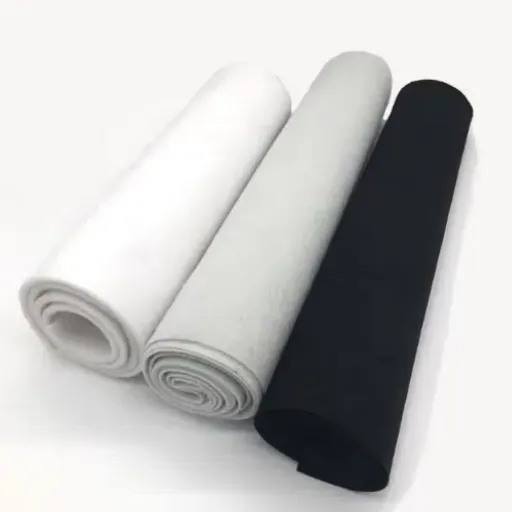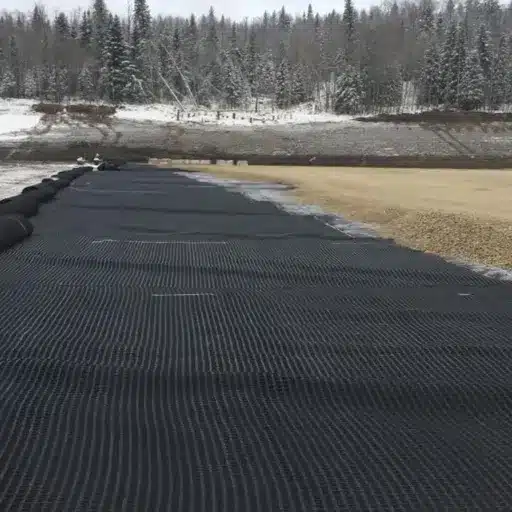
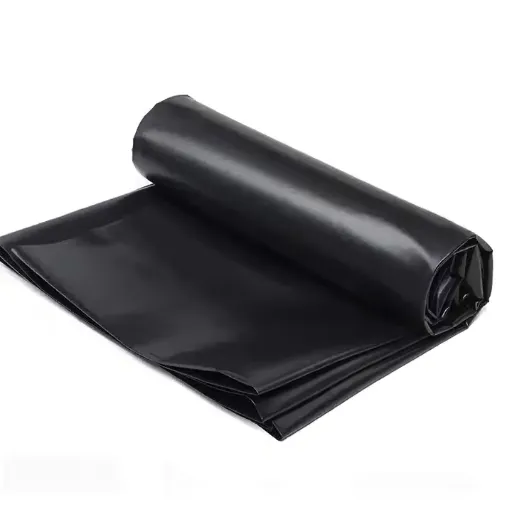
In the case of present-day environmental and construction projects, selecting the appropriate materials can lead to the success or failure of a project. Among other things, HDPE geomembrane liners and sheets have been gaining popularity as waterproofing, containment, and protection solutions in various applications. The ability to protect precious resources and the involvement in megascale infrastructure projects have made these liners a symbol of modern-day durability and efficiency. The benefits, features, and applications of HDPE geomembrane liners are discussed in this article, which also explains why they are necessary in industries such as mining, agriculture, and construction.
Introduction to HDPE Geomembrane Sheets

Importance of HDPE Geomembrane Sheets
HDPE (High-Density Polyethylene) geomembrane sheets are a must in modern engineering and environmental projects, along with the other exceptional properties, the chemical, and the mechanical. HDPE geomembranes are one of the most important advantages as they are highly resistant to chemicals, UV rays, and external environmental factors that can shorten the life of the project that needs long-term durability and containment.
The use of these sheets in landfill liners, wastewater treatment operations, and mining are just some of the applications where their leak-proof and contamination prevention properties are utilized. For example, tests indicate that HDPE geomembranes have a permeability rate of less than 1×10⁻¹³ cm/sec which guarantees almost no passage of water through the barrier. This property altogether decreases the chances of leachate entering neighbouring soil and water, thus, environmental safety being promoted.
Agriculture
The use of HDPE geomembrane liners can be broadly categorized in agricultural applications, especially pond and canal lining. Their impermeable nature does not allow water to seep away, so water retention is optimal. Recent studies indicate that these liners can save as much as 50% of water, making them an indispensable tool in areas where water is scarce. Furthermore, they keep maintenance costs down by providing persistent and resistant solutions.
Mining
Liners are of great importance in the mining sector, mainly in the case of tailings dams, heap leach pads, and wastewater containment. The chemical resistance of HDPE guarantees the containment of extremely toxic and abrasive solutions thus, no environment will be contaminated by the chemical. The durability of the material helps it to cope with extreme conditions, and risks linked to the storage of hazardous mining by-products can be lowered.
Waste Management
Municipal solid waste landfills mostly rely on HDPE geomembrane liners to act as base liners and caps. They serve as a barrier that prohibits the seepage of leachate—a poisonous liquid that comes from landfill waste—into the adjacent soil and groundwater. According to the studies, HDPE liners have a permeability rate of less than 10^-14 m/s, which makes them one of the most efficient containment solutions available.
Oil and Gas
In the oil and gas industry, HDPE liners are generally used in secondary containment systems, tank farm linings, and pipeline protection. Their resistance to hydrocarbons and UV light makes them suitable for long-term storage and spill containment. Moreover, improved manufacturing techniques have helped to increase the lifespan of liner even in temperature changes typical of remote oil and gas fields.
Benefits of Using HDPE Geomembrane Liners
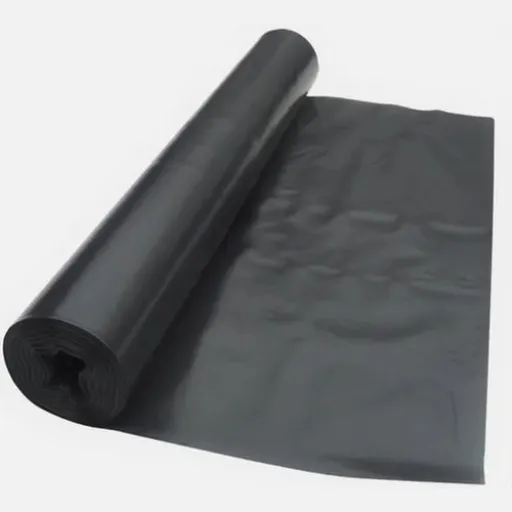
Durability and Longevity of HDPE Geomembrane Liners
High-density polyethylene (HDPE) geomembrane liners have become the go-to option for many industrial and environmental applications because of their extraordinary durability and longevity. These liners are great barriers against chemical attack, UV light and also they can withstand a lot of physical stress. Studies have shown that HDPE geomembranes are capable to stay for over 20 years in open air and more than 40 years in the ground if well maintained – showing the great durability of these materials.
In addition, HDPE liners are resistant to a wide range of chemicals, which makes them ideal for the areas of waste containment, hazardous substances handling, and mining. Nevertheless, their resistance to extreme pH levels and corrosive materials is not compromised and thus, longevity is assured. Besides, their very low permeability leads to almost no seepage, which mitigates the environmental risks, and at the same time, the preservation of the crucial natural resources is facilitated. All these qualities combined make HDPE geomembrane liners an option that is not only durable but also reliable and sustainable for long-term infrastructure and environmental protection projects.
Cost-Effectiveness in Containment Solutions
HDPE geomembrane liners stand for the most cost-effective way of containment in various industries. One can say that HDPE material offering the same balance between price and performance is the only alternative to the existing materials. Modern researches show that the cost incurred for the installation of HDPE liners is largely attributed to the smoothness in the entire process of the deployment and also the reduced labor requirement when compared with other methods such as traditional clay liners or concrete barriers.
Besides, the exceptionally long life of HDPE geomembranes, in many cases, 20 years plus even in the most challenging environments which leads to the reduction of the cost incurred for the replacement or repair since these are less frequent, therefore, less maintenance cost. It’s been reported that by employing HDPE liners as part of the containment project one can reduce the overall project cost by as much as 40%. More so, the decreased risk of equipment failure and expensive environmental impact due to the liners’ high resistance to chemical breakdown and UV light, which adds to their financial attractiveness.
Installation Processes for HDPE Geomembrane Sheets
Site Preparation and Design Considerations
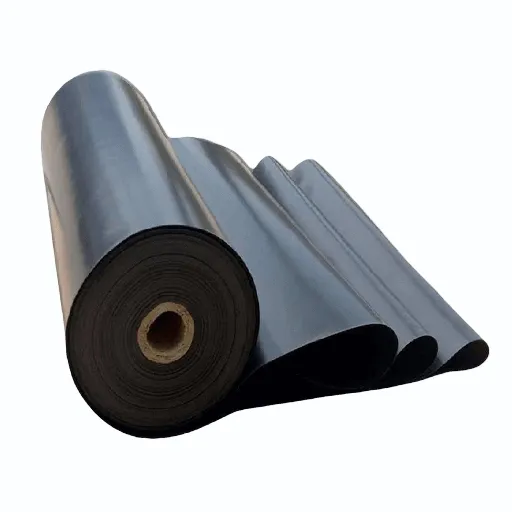
The proper site groundwork and design form the basis for successful treatments with and durable use of HDPE geomembrane liners. Site preparation first of all entails the removal of waste, cutting back of plant life, and getting rid of sharp materials which might compromise the liner. The subgrade needs to be evened out, compressed, and made lighter so that it can serve as a stable ground for the geomembrane. The industry norms dictate that the subgrade compaction normally brings about at least 90-95% of the maximum dry density so as to reduce the extent of settlement and avoid deformities in the liner system.
Factors that go into the design process include the choice of the thickness and specifications of the HDPE geomembrane as influenced by the kind of application, site conditions, and environmental factors. For example, as opposed to the landfill or wastewater treatment applications which require thick liners (e.g., 1.5mm to 2.5mm) because of the likelihood of chemical exposure and mechanical stress, other not just thickness but also slope analysis is mainly concerned with sloped installations to make sure the liner is able to resist sliding forces.
Welding Techniques for Seam Integrity
Extrusion Welding
This technique consists of the use of heat and the extrusion of a plastic welding rod or bead that joins the perimeter of the geomembrane sheets together. Extrusion welding is a common practice in the case of repairs, meticulous work, or places where large equipment is inaccessible. It needs to be very clean and the surface has to be roughened in order to avoid greases and make the adhesion stronger. The temperature for extrusion welding usually ranges from 392°F to 572°F (200°C to 300°C), depending on the thickness and characteristics of the HDPE material.
Fusion Welding (Hot Wedge Welding)
Fusion welding is the most common process used for fusing HDPE sheets in large scale applications. It consists of the use of a heated wedge that is placed between the overlapping sheets to melt their surfaces followed by applying pressure to form a uniform and leak-proof seam. This process guarantees strong seams and is used for making long and uninterrupted welds. The new generation of hot wedge welders may have automatic temperature and speed controls, hence minimizing the operator’s mistakes and standardizing the seam quality. Research shows that fusion-welded seams can be rated for peel and shear strengths above 90% of the original material strength of the geomembrane, thus affirming their usefulness in containment reliability.
Industry Standards for HDPE Geomembranes
Regulatory Compliance and Certifications
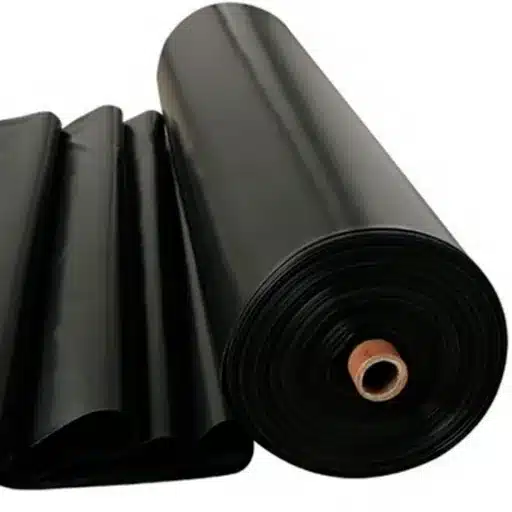
Regulatory compliance and certifications are the keystones in the HDPE geomembrane installations’ safety, longevity, and performance. Following the guidelines and getting the certifications indicate a company’s dedication to the industry standards, environmental rules, and project-specific requirements. The references to the internationally accepted standards like ASTM International, ISO (International Organization for Standardization), and GRI (Geomembrane Research Institute) are very common for ensuring the production and installation of HDPE geomembrane with the same quality.
As an illustration, ASTM D6392 sets forth the criteria for seam testing techniques that do not ruin the sample like air-pressure and vacuum testing, which are very important in discovering welding flaws. At the same time, ISO 9001 certification guarantees the factory has a good quality control system in place, thus increasing the confidence in the geomembranes’ life cycle performance. Besides, GRI GM13 is considered by many as the gold standard for HDPE geomembranes, as it lays down the minimum tensile strength, thickness, and UV resistance requirements.
Testing Methods for HDPE Membranes
| Testing Method | Standard | Key Performance Indicator |
|---|---|---|
| Tensile Strength Testing | ASTM D638 | 20-30 MPa |
| Hydraulic Conductivity Testing | ASTM D5084 | < 1 x 10⁻¹³ cm/sec |
| Stress-Crack Resistance Testing | ASTM D5397 | > 2000 hours |
| Oxidative Induction Time (OIT) Testing | ASTM D3895 | 25+ years thermal stability |
Tensile Strength Testing
This test measures the membrane’s capacity to endure mechanical stress without rupture. Following ASTM D638 specifications, HDPE membranes normally show a tensile strength of 20-30 MPa, thus being appropriate for the even the most rigorous applications in mining and landfill liners. Also, the high tensile strength acts as the main reason for the membranes’ resistance to punctures and physical wear.
Hydraulic Conductivity Testing
The impermeability of membranes is determined by conducting hydraulic conductivity tests according to ASTM D5084. The finest-quality HDPE membranes frequently show hydraulic conductivity that is a mere fraction of 1 x 10⁻¹³ cm/sec, which implies that these membranes are very good at containing liquids and thus, no hazardous leaks will occur in waste management systems.
Stress-Crack Resistance Testing
According to ASTM D5397 procedures this test is done and it measures the membrane’s resistance to environmental stress cracking, which is a major cause of damage to the membranes. Superior HDPE geomembranes can withstand more than 2000 hours of stress crack time, which is a clear indication of their ability to thrive in extreme conditions.
Oxidative Induction Time (OIT) Testing
The aim of this test is to find out how resistant the material is against oxidation over the years. The ASTM D3895 standards are the basis for the Standard OIT and High-Pressure OIT methods, which determine the long-term thermal stability of HDPE membranes. The membranes with stabilized formulations are believed to be able to preserve their integrity for more than 25 years even when subjected to extremes of temperature.
Case Studies: Successful HDPE Geomembrane Projects
Municipal Wastewater Treatment Plants
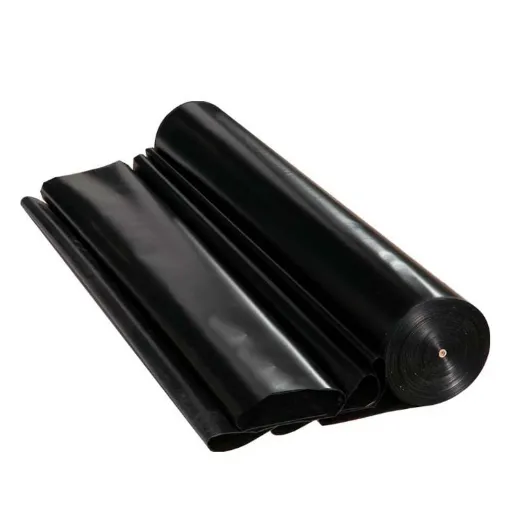
HDPE geomembranes are indispensable in the municipal wastewater treatment sector as they offer the most advanced containment points which not only prevent but also protect the environment by allowing only passive groundwater flow. The liners that are HDPE geomembranes are the long-lasting ones used that are present in different applications such as the ponds for the primary and the secondary containment along with lagoons and beds for sludge drying.
The primary benefit of the HDPE geomembrane used in this context is its resistance to chemicals. The municipal wastewater contains different types of corrosive factors like acids, bases and organic compounds. It is the very nature of the HDPE that he places it in a position whereby it must not be subjected to chemical resistance trials that prompt decay and so on. More so, the care-free quality of the material allows less than maximal leakage thereby securing the environment and drinking water to a greater degree than earlier done.
The Mining and Resource Extraction Applications
HDPE geomembranes have become very popular in the mining and resource extraction sectors because of their outstanding durability, chemical resistance, and flexibility. These geomembranes create a barrier that is critically important in leachate, tailings, and mining by-products management systems, preventing the contamination of adjacent ecosystems. The geosynthetics’ exceptional resistance to punctures, tearing, and chemical degradation renders them most suitable for use in the lining of heap leaching, tailings’ pond, and retention basins even in harsh conditions.
One major use is the construction of heap leach pads, where the HDPE geomembrane guarantees that only a minuscule amount of the acidic or chemical-rich solutions that serve as a solvent in the extraction of precious metals like gold and copper will seep through. A recent industry report shows that the use of geomembranes in heap leach operation has brought down the loss of fluids that were earlier about 97%. The drain has thus been reduced to very minimal and this is the result of taking an efficient and risk-free from an environmental perspective route.
Reference Sources
-
Assessment of HDPE Geomembrane Seams
- Published in: Taylor & Francis
- Key Insights: This study examines the cross-sections of welded HDPE geomembranes using optical microscopy, focusing on seam quality and durability.
- Source
-
Durability of HDPE Geomembranes: An Overview
- Published in: SciELO Brazil
- Key Insights: Explores the physical, mechanical, and thermal properties of HDPE geomembranes, with a focus on their durability in various environmental conditions.
- Source
-
HDPE Geomembranes for Environmental Protection: Two Case Studies
- Published in: MDPI Sustainability
- Key Insights: Presents experimental evaluations of exhumed HDPE geomembranes, analyzing their performance and durability in environmental protection applications.
- Source
Frequently Asked Questions (FAQs)
What are the product details of an HDPE geomembrane sheet as a versatile material?
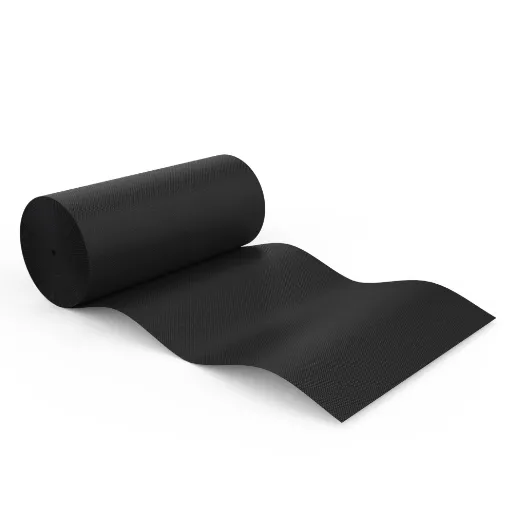
An HDPE geomembrane sheet is a high-density polyethylene (HDPE) plastic sheet specifically created for waterproof geomembranes of lining projects like reservoir and pond lining, landfills and various other containment operations. Product details usually mention thicknesses of 20 to 60 mils (the most common are 20 and 30 mils), textured or smooth surfaces, black carbon for UV resistance and stability, and compositions that develop excellent chemical resistance and longevity for environmental protection and leak-proof containment solutions.
How does high-density polyethylene perform in containment applications and tank liners?
The high-density polyethylene resin is the main constituent of an HDPE geomembrane sheet that provides high density, good chemical resistance, and the physical strength necessary for tank liners and many containment applications. These forms of polyethylene geomembranes are tolerant of higher temperatures, and exist in both smooth and rough finishes; the latter being suitable for steeper slopes and anchorage in tanks and reservoirs.
Are HDPE geomembrane sheets available in smooth and textured finishes suitable for pond lining?
Absolutely. The HDPE geomembrane sheet products are produced in both smooth and textured types—one can opt for the smooth types where welding and low permeability are priorities or the textured types for higher friction and slippage reduction on slopes. Textured finishes and textured liners are widely used for pond lining, aquaculture, and projects where higher friction is advantageous.
How does UV stabilization and carbon black contribute to ultraviolet resistance and UV stability?
The HDPE geomembrane sheet formulas frequently contain carbon black and UV stabilized additives that provide UV resistance and long-term UV stability. The carbon black doing dual duties as a UV absorber and the protector of the polymer chains from degradation extends the service life for the applications like reservoirs, pond linings, and exposed linings that are outdoor. UV stabilization is a must for keeping excellent chemical resistance and mechanical properties over a period of decades.
Conclusion
HDPE geomembrane liners represent a critical advancement in environmental protection and infrastructure development. Their exceptional durability, chemical resistance, and cost-effectiveness make them the preferred choice across agriculture, mining, waste management, and oil and gas industries. With proven performance spanning decades and industry-leading testing standards, HDPE geomembranes continue to set the benchmark for reliable containment solutions in modern engineering projects.