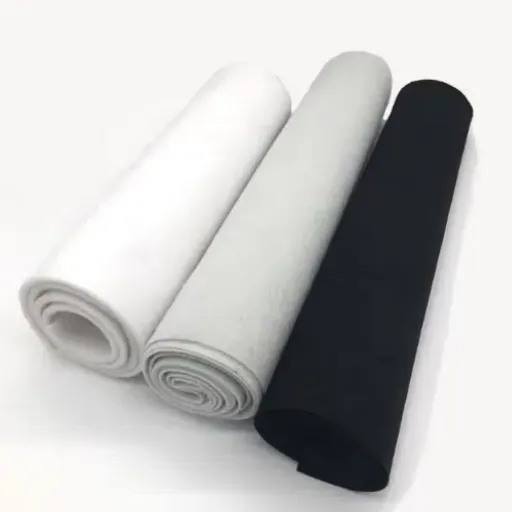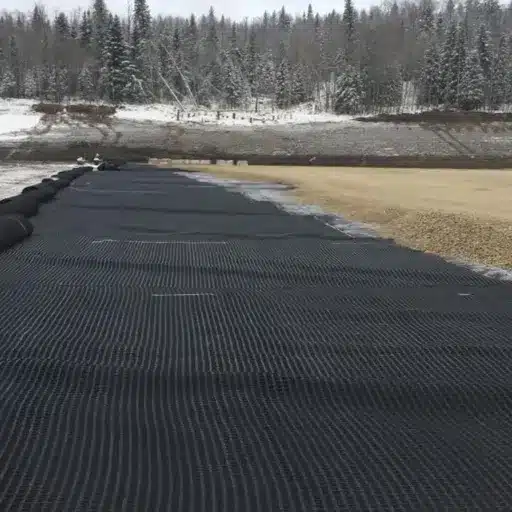
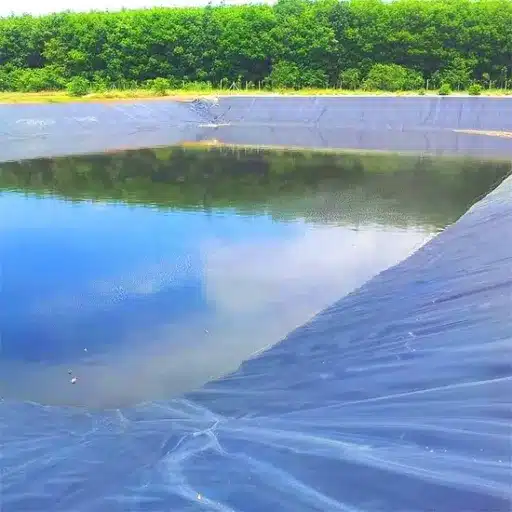
The HDPE waterproofing membranes have been recognized as a reliable and adaptable solution in the process of protecting buildings and areas from water damage. Mainly, these membranes were made to resist water invasion so well that they would last for a long time even in the most demanding applications. HDPE membranes are extensively used in different areas like construction and environmental protection because their strong and flexible characteristics as well as resistance to different weather conditions are highly appreciated. The article discusses the main characteristics, advantages, and different applications of HDPE waterproofing membranes, elucidating their popularity among professionals in different sectors.
Introduction to HDPE Membranes

Definition and Composition of HDPE Membranes
High-Density Polyethylene (HDPE) membranes are one of the most advanced types of geomembranes and are the most popular choice for waterproofing, containment, and protecting applications throughout different sectors. These membranes consist of high-density polyethylene resin and their main feature is their fantastic strength-to-density ratio, which gives them the ability to work well even in very tough conditions. The density of HDPE membranes is usually between 0.93 and 0.97 g/cm³, which is the reason for their high durability and low weight at the same time.
The main component of HDPE membranes is polyethylene polymers which have a very high degree of crystalline structure. Commonly used additives are antioxidants, UV stabilizers, and carbon black. They not only improve the stability of the membranes but also increase their resistance to environmental degradation and thus, the lifespan of the membranes. The membranes are made via processes like blow molding or extrusion, which guarantee the same thickness and quality throughout.
Waterproofing Membranes’ Importance
Waterproofing membranes are considered to be the main factor in preventing the breakdown and decay of the structures in construction and engineering, and thus, they are a really important element in modern practices. By acting as a barrier against moisture, these membranes save not only the buildings and infrastructure from water penetration issues like leaks, mold, and decay but also the owners of infrastructure from having to perform complicated water-problem-solving project. A recent report from the industry forecasts a global market for waterproofing membranes to be over $40 billion by 2028, which can be attributed to the growing demand for durable and eco-friendly construction methods.
There are different kinds of membranes such as HDPE, PVC, and bitumen-based ones that can be specifically designed to cater to the environmental and structural needs of particular constructions. In particular, HDPE membranes are widely employed for environmental applications, such as landfills and mining, due to their exceptional chemical resistance and temperature tolerance. Research has indicated that the right kind of waterproofing with high-quality membranes can lead to a 25%-30% reduction in maintenance costs, as they will be the primary reason for water-related damages to infrastructure going down over time.
Benefits of HDPE Waterproofing Membranes

Durability and Longevity of HDPE Waterproofing Membranes
High-Density Polyethylene (HDPE) waterproofing membranes are characterized by their extraordinary toughness and service life, thus they are occupying the position of a most trusted material in the construction and infrastructure sectors. These membranes display quite a resistance to environmental stressors—among them are ultra-violet rays, chemicals and high/low temperature—that is remarkable and thus the membranes are to be used for a long period of time and still perform the same. Research has indicated that if HDPE membranes are properly installed, then their life-span will be around 20 to 40 years or even more in perfectly standard conditions, which brings down maintenance costs to a great extent and also increases the lifecycle value.
The primary factor for their durability is found in their very high tensile strength and elasticity. HDPE membranes have a capacity to absorb a lot of strain without being ripped apart, thus they are fit to be used in tough conditions such as landfill liners, containment ponds, and tunnel linings. In addition, their quality of being impermeable to water provides a very strong defence against possible leaks and thus infrastructure and the environment around them are protected. The percentage of improvement in project sustainability due to the use of HDPE membranes is more than 30% (in terms of failure rates) which indeed shows that HDPE membranes are very significant in terms of the long-term infrastructure’s being resilient.
Cost-Effectiveness in Various Applications
The HDPE membranes have been invariably rated as a good-cost solution by different industries; their durability, low maintenance and long service life have contributed to this rating. They are all the more capable of doing so in case of agricultural irrigation systems wherein water loss is reduced and thus the farmers are saved a good deal of money whilst at the same time water is made more efficient. Present day research has it that applying HDPE liners in irrigation canals can cut down water seepage losses to as much as 90% which in return not only leads to better crop yields but also lessened expenses over a period of time.
In the same way, waste management applications have become very economical with the use of HDPE membranes that are still the best available time-wise as well as economically because they come down to the quick ground-water leakage and such contamination, thus eliminating cost of environmental clean-up. Research findings say that the durability period of HDPE geomembranes can be more than half a century provided that they are used properly; it means that these are much cheaper than the conventional ones that need to be replaced and/or repaired frequently.
Typical Applications of HDPE Membranes

Foundation Waterproofing in Construction
Waterproofing of the foundation is a very important factor in modern building and construction that is designed mainly for the prevention of water entering and the protection of the building by eliminating moisture-related issues. Among all the possible methods, the use of High-Density Polyethylene (HDPE) membranes is the best option for waterproofing foundations because of their great strength, versatility, and resistance to chemical degradation.
HDPE membranes act as an impenetrable wall that keeps the foundation dry and safe from groundwater, surface water, and even hydrostatic pressure. They are in particular areas of great water tables or heavy rains. Their permeability is so low that not even water vapor can pass through, which in turn limits the chance of structural weakening, mold growth, or rotting.
Agricultural Uses of HDPE Membranes
1Irrigation Ponds and Reservoirs
The main application of HDPE membranes is the lining of irrigation ponds and reservoirs where they are used to stop the water from being lost due to seepage. The reports say that properly laid HDPE liners can cut the water loss down to 5% thus making the water resource use very efficient and even in areas where water is very limited. Moreover, their non-degradability under ultraviolet rays and strong chemicals makes them the best option for long-time water storage.
2Waste Containment in Livestock Farming
HDPE membranes have a role in the making of waste lagoons and containment areas for livestock farming. The liners offer a preventive measure that also provides a safe zone preventing the escape of toxic substances into soil and groundwater around the area. Statistics support that farms where HDPE liners are installed are about 70% less at risk of soil contamination than those where traditional methods are applied.
3Canal Lining
For the enhancement of the water conveyance efficiency, HDPE membranes have been used to line the irrigation canals. The infiltration of the water into the surrounding soils is thus reduced and the water reaching the fields is more. Research has demonstrated that lined canals can be up to 30% more efficient in water use than unlined systems, especially in dry areas.
Installation Techniques for HDPE Waterproofing Membranes

Steps for Proper Installation of HDPE Waterproofing Membranes
Step 1: Site Inspection and Cleaning
To start, inspect the location thoroughly to find out if there are any structural flaws or contaminants. Clean the area to get rid of any dirt, debris, oils, or other materials that might hinder adhesion. A clean and stable surface provides better bonding and at the same time prevents possible leakage hazards.
Step 2: Surface Preparation
The surface must be smooth, with no sharp objects, and properly leveled. The membrane could either be torn or poorly attached due to uneven or rough areas. If necessary, a primer would be applied to concrete surfaces, thus enhancing the adhesion of the membrane to the substrate.
Step 3: Membrane Layout and Fitting
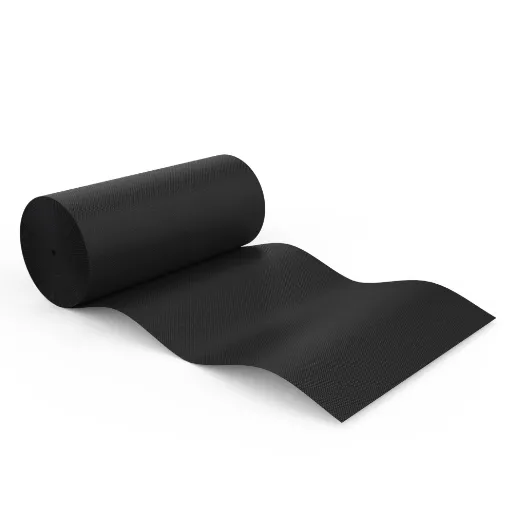
Slowly unroll the HDPE membrane onto the prepared surface. Sheet aligning should be done carefully to reduce the overlaps and waste. Adjacent sheets should be kept at a minimum distance of 150mm from each other to ensure complete coverage and stop water from coming in through the seams.
Step 4: Seaming and Welding
Use specialized equipment to weld the overlapping parts. This technique usually consists of hot wedge welding or extrusion welding, which forms a continuous joint between the sheets. Every welded seam should be tested for consistency through non-destructive methods, such as vacuum box testing or air channel testing. Studies indicate that the water tightness reliability for properly welded seams can exceed 99%.
Step 5: Anchor the Membrane
Depending on the design requirements, either anchor trenches or mechanical fastening methods can be used to fix the HDPE membrane along the edges securely. This move reduces the risk of the membrane being pushed around by the wind or displaced due to soil movement, which are environmental factors.
Maintenance Tips for HDPE Membranes

Regular Inspection and Upkeep
The performance and life of HDPE membranes are greatly influenced by regular inspections. Experts in the field claim that a thorough examination at least every six months would allow the detection of potential events, like perforations, rips, or the showing of aging, to such an extent that by the time they become detrimental to the whole system they will be already taken care of. Be most observant of regions with the most mechanical strain, such as corners or seams, as these spots are most likely to suffer from defects.
Remove dirt and the buildup of materials during inspection, as their presence can cause stress on the membrane. To emphasize, a report published by a major waterproofing association gives a lifespan extension of up to 15% if the membrane surface is always kept clean. Furthermore, any damage or wear that is noticed should be immediately corrected using compatible materials in order to stop further deterioration.
Repair Techniques for Damaged Membranes
- Patch Repairs and Welding Methods
Small tears or punctures can usually be managed by means of either extrusion welding or hot wedge welding methods. In extrusion welding, the operator injects molten polymer straight into the damaged section, making a bond that is practically invisible. In hot wedge welding, however, a heated tool is utilized to soften the material and thus a strong union is formed between the membrane and the repair patch.
- Material Compatibility
It is paramount that the substances used for repair are of the same kind as the original HDPE membrane in order to possess both chemical and mechanical compatibility. The use of non-compatible materials may lead to the repair becoming weaker over time or the occurrence of further damage because thermal expansion or chemical resistance will be differing.
- Adhesive-Based Patches
Wherever welding is not an option due to unavailability or environmental limitations, adhesive-backed patches can be used as a quick and an effective alternative for such places as they are easy to apply. The only caveat is that these patches are temporary, so adhesive patches will be used to have a permanent solution.
Reference Sources
-
Preparation of Hydrophilic HDPE Porous Membranes
This study explores methods like thermally induced phase separation (TIPS) and melt-spinning for preparing HDPE microporous membranes.
Read more here -
Performance of a Membrane Fabricated from High-Density Polyethylene
This research evaluates the performance of HDPE membranes, highlighting their effectiveness in MB rejection at specific concentrations.
Read more here -
HDPE Geomembranes in Geotechnics
This book provides comprehensive coverage of HDPE geomembranes, including materials, manufacturing, properties, and long-term performance.
Read more here
Frequently Asked Questions (FAQs)
What are the reasons for using high-density polyethylene geomembrane in containment projects?
High-density polyethylene geomembranes resist a plethora of things such as chemicals, ultraviolet degradation and puncture, and they can also tolerate higher temperatures and direct sunlight more than most alternatives so they are still the best solution materials for these projects. Besides the initial cost, the high-density polyethylene geomembranes also boast great versatility, wider range of products (including mil HDPE options) and reinforcement capabilities, thus suiting them very well for containment, drainage system liners, and waterproofing all applications where durability and leak-free performance critical.
How does thickness affect the performance of an HDPE geomembrane?
Thickness, which is normally measured in mil (e.g. mil HDPE), has a direct impact on puncture resistance, durability, and application areas. Thicker membranes give more resistance to various damages, such as from heavy construction traffic, penetration, and wear caused by the passage of time, while thinner ones might offer the advantages of easier installation and cost reduction for less critical applications.
What practices should be followed when installing HDPE liner to get a leak-free result?
The correct way of installation employs cleaning of the substrates, using drainage systems that are compatible with the site’s conditions, and workers who are trained and follow approved methods. Scurried seams are usually done by heat welding; adhesives, solvents, or tapes may be used for temporary holds or repairs but welds create long-lasting, leak-proof connections.
Are geomembranes able to stick to the substrates and what types of adhesive are available?
Most of the time, HDPE geomembranes do not easily stick to many substrates; rather, they are usually accommodated by mechanical anchoring or welding at the seams. For minor repairs or detail work, compatible adhesive or specialized tape might be employed, but solvent-based adhesives are generally not efficient on HDPE without going through the surface treatment.