The correct maintenance of your ground protection mats will extend their lifespan and operational capabilities. Your construction operation, your event organization, and your landscape preservation activities all require these mats as essential resources that provide financial and temporal advantages. What methods can you use to achieve maximum performance while protecting your equipment from unnecessary damage? The article presents effective methods and techniques that will help you extend the operational period of your ground protection mats. The guide establishes all necessary procedures, which include best practices for cleaning and storage and planned inspection activities to help you maintain your mats in optimal condition across multiple years of usage.
Introduction to Ground Protection Mats
The Importance of Ground Protection Mats
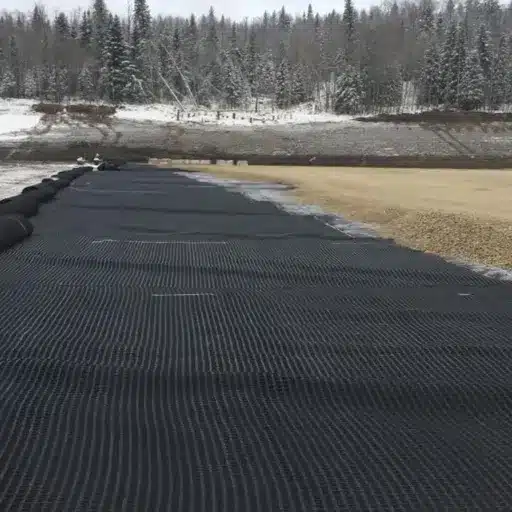
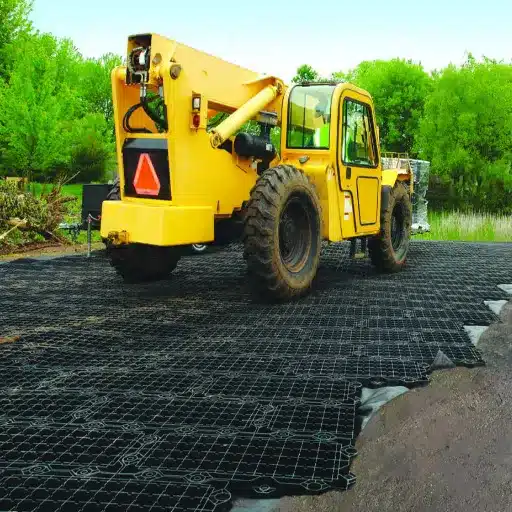
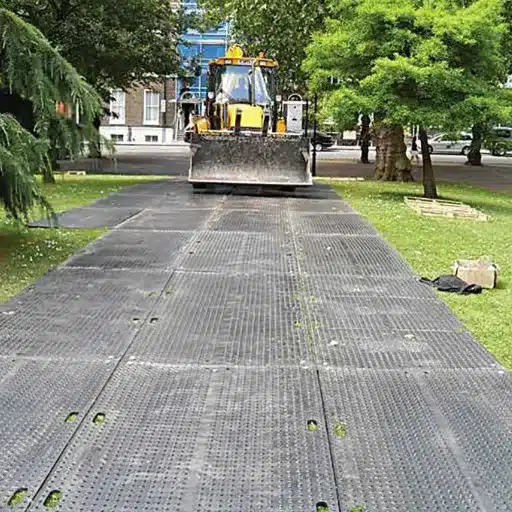
Various industries depend on ground protection mats because these mats safeguard sensitive surfaces while they maintain operational efficiency. The heavy-duty mats use high-density polyethylene (HDPE) as their main material, which enables them to protect lawns, construction sites and protected areas from damage during heavy equipment operation. The products maintain their durable performance without the need for maintenance, which enables construction and landscaping and event management businesses to reuse them for cost savings.
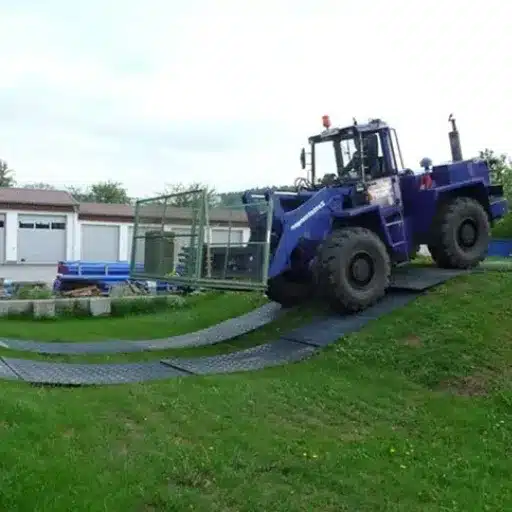
The global market for ground protection mats will experience a compound annual growth rate (CAGR) of 3.9% between 2023 and 2030 because more people need to protect landscapes while they operate equipment throughout challenging locations. The mats support weights that exceed 120 tons, which makes them suitable for supporting cranes and trucks, and other heavy equipment.
Work sites use ground protection mats to create security measures that protect against damage. The system creates stable pathways that protect workers and vehicles from slip and trip risks while enabling work to proceed smoothly. The product benefits the environment because its extended lifespan decreases the need for replacement products, which results in reduced waste generation and lower material usage. High-quality ground protection mats provide site protection, which results in reduced surface repair expenses and decreased operational downtime costs.
Cost-Effectiveness of Proper Maintenance
Protective mats for various surfaces need proper upkeep because this process enables their customers to use them for extended periods, which produces valuable results. The study discovered that well-kept mats can maintain their operational ability for a decade or more, depending on how they are used and the surrounding conditions. People can sustain the structural integrity of materials through their regular cleaning practices while they keep the materials in locations that provide protection against moisture and theft.
The research reveals that organizations spend between 200 dollars and 600 dollars for each new mat they need to replace, depending on the mat size and the materials used. Organizations that create maintenance programs that follow a specific timetable can achieve a 40 percent reduction in their replacement costs. Businesses can save thousands of dollars through liability avoidance and downtime cost reduction, which results from mat damage prevention and safe site operations.
Advanced materials that use high-density polyethylene (HDPE) as their main element provide increased strength to contemporary protective mats. The combination of durable products with regular inspections leads to peak performance because it demonstrates the economic advantages that come from proper maintenance methods.
Overview of Ground Protection Mat Types
Different types of ground protection mats are available in multiple material options because each type has specific use requirements in different environments. The mats effectively preserve sensitive ground areas while providing pathways for heavy machinery and protecting construction personnel at industrial sites. The following list presents the main categories and their essential characteristics:
- HDPE Ground Protection Mats
Manufacturers produce HDPE mats from high-density polyethylene, which results in a lightweight material that maintains exceptional strength. The material provides permanent outdoor functionality because it can withstand extreme temperatures while protecting against ultraviolet rays and chemical substances. The recent research indicates that HDPE mats can handle up to 120 tons of weight, which makes them appropriate for both pedestrian pathways and routes used by heavy machinery. - Composite Mats
Engineers design composite ground mats using multiple strong materials, which provide exceptional strength and performance capabilities. The mats establish a dependable surface through their edge connections, which maintain stability across all sections. Composite mats have a lifespan that reaches 10 years with proper maintenance, according to research, which results in substantial savings on replacement expenses throughout their service life. - Timber Mats
Timber mats, which people use in forestry, pipeline, and energy industries, contain hardwood materials, which include oak. The material provides exceptional strength, even though it weighs more than synthetic alternatives, and its environmental benefits stem from its potential to be reused after its first use. - Aluminum and Steel Mats
These mats find use in applications where extreme weight requires durable materials. The design allows aluminum mats to deliver lightweight benefits while resisting corrosion, but steel mats provide unmatched power and durability. Steel mats can manage loads that exceed 150 tons, which makes them necessary for situations that involve extremely heavy machinery. - Temporary Road Mats
The design of temporary road mats establishes secure driving routes that prevent vehicle skidding through areas with soft ground and uneven surfaces. The company operates these machines in locations that require access to remote regions or areas with environmental protection. The research demonstrates that temporary road mats reduce ground damage by 80% when compared to standard operational techniques.
The various ground protection mat types exist to fulfill separate functions because environmental conditions and project needs determine their specific uses. The selection process requires assessment of four specific factors, which include weight capacity and terrain type, expected weather conditions, and product longevity to achieve optimal performance.
Best Practices for Cleaning Ground Protection Mats
Immediate Cleaning After Use
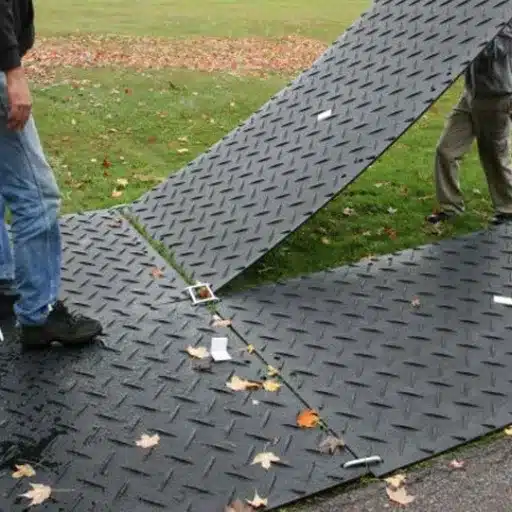
The ground protection mats require immediate cleaning, which needs correct execution because it helps maintain their operational life and their capacity to function. The process begins with shovels, pressure washers and industrial-grade brushes, which operators use to clean all mud and dirt and all other waste materials from the mats. The industry recommends that operators should pressure wash their equipment using water with a pressure range of 2000 to 3000 PSI because this method will clean most mats while stopping dirt from building up, which damages their surface texture.
Biodegradable detergents or heavy-duty cleaning solutions should be used to remove oil and chemical stains and persistent contaminants. Scientific research shows that regular cleaning activities decrease material degradation risk, which results in 30% extended lifespan for mats. The drying process of mats needs to be completed before they enter storage to prevent mold growth and slipping hazards, which would occur during their next use.
The implementation of an effective cleaning system creates two benefits because it helps protect the environment while the mats maintain their operational capacity in all outdoor areas.
Recommended Cleaning Solutions
The correct cleaning products have a substantial impact on cleaning procedures for heavy-duty mats. The typical cleaning process requires only mild detergents, which should be combined with warm water. The research established that pH-neutral cleaners function as the most effective solution because they safeguard mat materials from destruction while they clean away dirt and oils. The combination of vinegar and water in a 1:1 ratio creates an eco-friendly solution that effectively removes difficult stains.
The 2023 industry report states that more than 60% of users select biodegradable cleaning products that do not contain toxic substances because they want to protect the environment. Experts recommend against using strong solvents or chlorine-based products because these substances will harm the mat’s surface throughout its lifespan. Products that contain 70% isopropyl alcohol function as disinfectants that eliminate 99.9% of bacteria and viruses in high-traffic areas to improve sanitary conditions.
The use of these recommended solutions for regular maintenance will decrease cleaning time by 25% while protecting the mats’ quality and durability, which will keep them safe and functional for extended periods.
Techniques for Removing Stubborn Contaminants
The procedure for removing difficult stains from mats needs proper cleaning chemicals and dusting techniques to function effectively. The mixture of mild detergent and warm water creates a solution that effectively removes grease and oily residues, which need treatment for oil-based stains. Enzymatic cleaners achieve their highest efficiency for organic stains, which include food and bodily fluids, according to recent research, which shows they can break down stains by 90% after one treatment.
The use of weak acids, which include white vinegar and citric acid, enables the safe removal of hard mineral deposits and rust from materials without damaging the mat surface. Research shows that vinegar solutions with 10% acetic acid concentration can eliminate 80% of difficult mineral stains after they soak for 15 minutes. Users can use gentle scrubbing techniques with a soft-bristle brush to remove contaminants from surfaces while keeping the original materials of the mat intact.
Steam cleaning operates as an effective cleaning procedure that successfully removes dirt and grime that has become attached to surfaces. Modern commercial steam cleaners operate at temperatures above 200°F because this capability enables them to remove dirt and kill dangerous microorganisms. The process of steam cleaning achieves a 99.9% reduction in microbes, according to industry data, which shows that proper usage makes this method suitable for deep cleaning. The combination of these specialized methods results in better cleanliness outcomes while maintaining the mat’s performance and durability.
Storage Techniques for Heavy-Duty Ground Protection Mats

Short-Term Storage Practices
The storage process for heavy-duty ground protection mats needs proper handling procedures and organizational methods because these elements preserve mat quality and enable operators to deploy mats more easily. Mats require complete cleaning to eliminate all dirt, debris and contaminants because these substances create surface degradation problems that develop over time. Mats should be stored in a dry, shaded area according to current industry guidelines, which require horizontal stacking to prevent warping from extended sunlight and moisture exposure.
Operational efficiency will increase after organizations that manage large vehicle fleets implement a system for labeling or tagging their assets because the system improves inventory control and access to their vehicles. Recent data shows that storage facilities can achieve up to 30% reduced storage space needs by using stacking systems or racks, which becomes an efficient option for their restricted storage areas. The visual inspection process detects all signs of wear and damage, which manufacturers require to be done before stacking so that the damaged mats can be marked for repair or replacement. The implementation of these practices enables mats to maintain their best condition, which prepares them for upcoming project requirements.
Long-Term Storage Guidelines
The process of preparing mats for permanent storage requires operators to establish an environment that will protect the mats from damage. Recent industry studies show that mat storage requires installation in locations that maintain stable temperatures between 50-77°F (10-25°C) because this temperature range decreases material deterioration from extreme temperature fluctuations. The organization must maintain humidity levels at 60% or lower because higher humidity levels create conditions that result in moisture buildup that leads to warping and mold development over time.
Research shows that organizations that implement effective labeling and tracking systems for mat management operations experience approximately 40% efficiency gains through improved inventory management and error reduction during mat retrieval. The organization should make an investment in durable outdoor storage space covers that can withstand harsh weather conditions because these covers will protect mats from ultraviolet radiation and dangerous external conditions. The organization uses these two methods to maintain maximum performance of mats while extending their total operational time.
Preventing Warping and Degradation
To protect mats from warping and degradation, all environmental conditions and usage patterns must be managed. According to the latest data, material degradation risk increases by 25% when materials face constant moisture exposure in tropical regions. The application of dehumidifiers together with climate-controlled storage units will effectively reduce this particular danger. Research studies established that improper stacking practices lead to warping problems, while weight distribution across a surface decreases structural damage risk by more than 30%.
Modern advancements also suggest that synthetic materials should be combined with anti-warp technology. The polyurethane-coated mats provide a longer lifespan, which enables them to withstand high-pressure conditions with 40% greater warping resistance than standard materials. Regular inspections which occur at monthly intervals, enable teams to detect wear and tear early, thus preventing repair costs that would otherwise reach hundreds of dollars each year. The data-driven strategies help organizations maintain mat quality and durability through cost-effective methods.
Repairing Minor Damages on Ground Protection Mats
Identifying Common Damages
Ground protection mats are designed to withstand both maximum weight capacity and extreme weather conditions. Their ongoing function leads to small wear, which requires scheduled upkeep. The common damages to surfaces include surface scratches and warping, and small cracks. Recent data shows that surface scratches occur when heavy equipment or debris creates friction, which damages the mat but also causes its visual appearance to deteriorate. The process of warping develops through direct contact with high temperatures and unbalanced soil surfaces because materials experience faster structural changes when temperatures exceed 120°F (49°C). The development of small cracks occurs when materials undergo continuous stress and face uneven weight distribution, which leads to the expansion of these cracks until they reach a size that destroys the material’s ability to hold weight.
Modern mats use advanced materials that include high-density polyethylene (HDPE) for protection against most damage, but they require regular assessments to keep their protective capabilities. Industry reports indicate that proper issue detection and resolution will enable companies to extend the mat’s operational timeline through preventive maintenance, which is expected to add two to three years of extra time. The established best practices for mat cleaning will decrease the risk of damage that occurs from debris accumulation, while the controlled storage of mats in monitored areas will offer extra protection.
Step-by-Step Repair Instructions
- Assess the Damage
The mat inspection process should start with a visual examination to find any existing signs of damage, such as cracks, warping and substantial abrasion marks. The flashlight enables the detection of all hidden broken areas and structural weaknesses that are not visible during daylight. According to the latest industry data, over 60% of mat failures originate from small, overlooked issues that expand over time. - Clean the Surface
The mat needs complete cleaning before we start the repair work. The cleaning process requires the removal of all dirt, oil, and debris through pressure washing or using suitable cleaning products. A clean surface ensures better adhesion of repair materials. Studies show that mats cleaned prior to repairs have a 35% higher success rate in maintaining integrity post-repair. - Choose the Right Repair Materials
The material selection process requires you to choose products that match the specific requirements of the mat. The use of polyethylene repair rods or patches serves as the most effective solution for repairing HDPE mats. The use of industrial mat repair kits has demonstrated 25% maintenance cost reductions based on recent findings. - Apply Heat for Welding Repairs
The heat welder should connect the repair rod system to the damaged section through heat application. The system needs to achieve uniform temperature distribution while preventing excessive material melting. When experts work with HDPE, they recommend maintaining a temperature range between 260 and 280 degrees Celsius, which equals 500 to 536 degrees Fahrenheit, to achieve optimal results and build long-lasting repairs. - Reinforce Weak Points
Load-bearing areas that experience repeated stress need protection through additional polyethylene material layers. Research indicates that reinforced mats can withstand 40% more pressure compared to non-reinforced repairs. - Test and Inspect
The repair process needs to complete its work before the system undergoes cooling. The mat needs to undergo testing under simulated stress conditions, which will verify its ability to perform its intended functions. Regular post-repair inspections can prevent an estimated 15% of future damage.
Industrial applications find repairing damaged mats to be a sustainable solution because it reduces expenses while increasing their usable lifespan.
When to Seek Professional Help
The majority of mat repairs need to be done through in-house methods, but there exist specific instances that require organizations to obtain expert help. When damage affects large areas and critical structural components need protection for their safe operation, professional repair services deliver specialized services which address these requirements. The recent data shows that industrial mat repair services provide a 40% lifespan extension, which results in decreased long-term operational expenses.
The advanced techniques that professional services employ include vulcanization and high-pressure thermal bonding because these methods deliver stronger results than standard DIY methods. The company needs specialized equipment and materials to address chemical exposure and extreme wear damage, which in-house repairs cannot handle.
Professional repair services that hold certification create operational efficiency for companies because they reduce downtime while ensuring repaired mats meet all necessary regulations. The extent of damage should be assessed through professional consultation if you have doubts about which repair method to choose.
Reference Sources
-
Allied Market Research Report on Ground Protection Mats:
- This report provides insights into the materials used (e.g., HDPE, polypropylene) and their durability under various conditions. It also discusses the importance of proper storage and maintenance to extend the lifespan of ground protection mats.
- Source
-
Market Research Report by VPA Research:
- This report highlights the engineering and material properties of ground protection mats, including their resistance to environmental factors and wear. It also emphasizes the role of maintenance in ensuring long-term usability.
- Source
-
Cognitive Market Research Report on Ground Protection Mats:
- This report discusses the impact of proper cleaning, storage, and handling on the performance and longevity of ground protection mats. It also provides data on the benefits of maintenance practices in reducing lifecycle costs.
- Source
Frequently Asked Questions (FAQs)
How often should ground protection mats be inspected for damage?
The evaluation process for ground protection mats must be conducted twice, at the beginning of their first use and the end of their last use, to discover all types of damage through which wear and cracking become visible. Regular inspections enable the discovery of potential problems that will develop into more severe conditions unless they receive proper treatment. Operators need to execute ongoing safety evaluations for heavy industrial mats, which will confirm their compliance with safety rules and industry standards.
Which methods exist for the proper cleaning of ground protection mats?
The cleaning process of ground protection mats requires workers to remove all types of contaminants, which include dirt and debris and chemical residues that remain after equipment use. The first step requires operators to use a high-pressure washer or hose to remove all contaminants that exist on the surface. Operators need to apply a mild detergent or industrial cleaner for the purpose of removing difficult stains. The storage process requires operators to wait until the mats achieve complete dryness because moisture causes mold growth and other types of damage.
Can damaged mats be repaired, or should they be replaced?
The company can repair minor issues through its in-house operations because it possesses the necessary tools and materials for surface scratches and worn traction problems. The company needs to hire certified professionals because deep cracks and structural integrity problems require their expertise. The process of repairing this damage requires special equipment, which creates dangerous situations so equipment replacement becomes the preferred solution.
What storage practices help extend the lifespan of ground protection mats?
Ground protection mats maintain their durable properties through proper storage, which stands as their primary protection method. The mats should always be stored in a clean, dry area that protects them from direct sunlight and extreme heat and temperature changes, which cause material warping. The mats should be stacked flat or stored on racks whose design prevents them from bending whenever this option exists. The mats should not have heavy objects placed on top of them because this practice creates excessive pressure, which damages their structural integrity.
Are ground protection mats suitable for all terrains?
Ground protection mats function effectively across different types of terrains, but their actual worksite conditions require users to select the appropriate mat type for their needs. The design of traction mats with superior grip provides optimal performance on muddy and uneven surfaces, while heavy-duty mats function better on rocky and industrial environments. The correct mat selection process for particular conditions requires you to follow the manufacturer’s guidelines, which describe suitable applications.
Do weather conditions affect the performance of ground protection mats?
Weather conditions bring about changes to the performance and lifespan of ground protection mats. Materials undergo degradation when they remain exposed to both extreme temperature conditions and ultraviolet radiation. Mats that exist in freezing conditions without proper cold-weather design will turn brittle with time. The selection of weather-resistant mats combined with their safe storage during extreme weather will decrease these negative impacts.