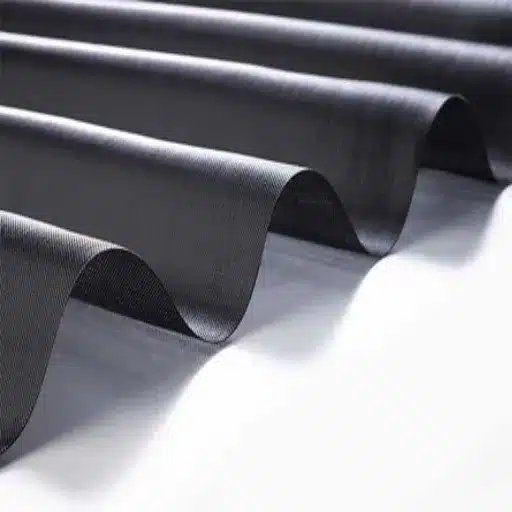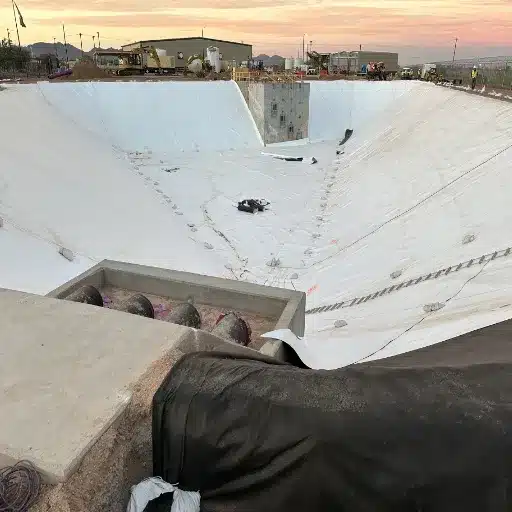
Non-woven geotextile fabric is a material that excels in the management of soil stability, drainage, and erosion control. It is suitable for a wide range of applications and every user such as a contractor, landscaper, or a DIYer should be aware of the multi-faceted nature of this filter fabric along with the significance of its various oz weights. These factors can dramatically influence your project’s success. The article introduces the non-woven geotextile fabric in detail, explaining its working principle, listing its numerous applications and discussing how the choice of weight may affect performance. Keep reading to get the insights that will help you buying right for your construction, landscaping or environmental needs.
Understanding Non-Woven Geotextile Fabric
Definition and Composition
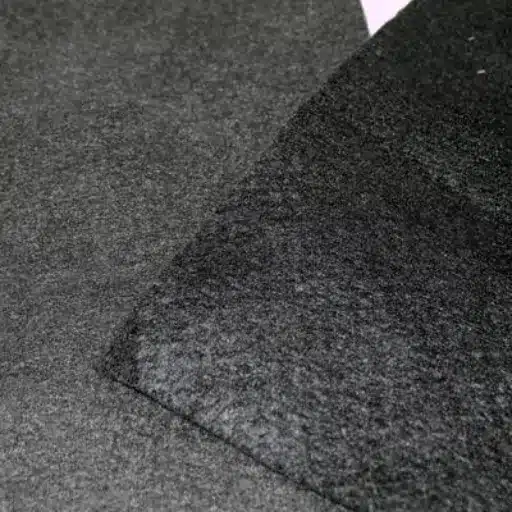
Non-woven geotextile is made of synthetic fiber, primarily polypropylene or polyester, which are matted together by chemical, mechanical, or thermal means and forms a permeable product. Woven geotextiles use interlaced threads, non-woven types make a fabric that has a rough, felt-like surface which is also uneven to let more water flow through and to be used for more applications than the woven types. This product has been most successfully applied in filtration, drainage, and separation areas.
Studies show that non-woven geotextile fabrics come in various weights, usually, the lightest ones 3 oz/yd² (light) through to 16 oz/yd² (heavy) and above. Lighter fabrics (3-8 oz/yd²) are mainly used in drainage and landscaping because they are flexible and very permeable. In contrast, heavier weights (10-16 oz/yd²) are often selected for erosion control, road construction, and foundation support as they also provide strength and durability. The methods of production deliver a consistent quality and performance that makes these materials highly reliable for soil stabilization and also for preventing the mixing of undesirable substances.
Different Non-Woven Geotextile Fabrics
Polypropylene Non-Woven Geotextiles
These fabrics are made of polypropylene resin which is not only very resistant to chemical, UV degradation, and biological but also very suitable for drainage and filtration systems due to their dimensions. The fabric normally weighs from 3 oz/yd² to 16 oz/yd², the lighter ones are used for landscaping and the heavier ones for road construction. Being that polypropylene has a lower density means that installation and handling of the fabric is less labor-intensive and thus cost-effective.
Polyester Non-Woven Geotextiles
The polyester textiles are very strong and therefore used for soil reinforcement and erosion control mainly. They possess excellent thermal stability and environmental stress cracking resistance, which makes them suitable for exceedingly tough long-term applications. These fabrics are frequently employed in areas of foundations of walls and steep slopes where soil-structure interaction needs to be very reliable.
Composite Non-Woven Geotextiles
By combining non-woven and woven geotextiles, they have come up with a strong, filtering geotextile. The hybrid technology makes composite geotextiles practical in both landfill liners and subgrade stabilization where the requirement is both durability and permeability. The composite kinds generally offer more puncture resistance and longer life than their non-woven counterparts.
Needle-Punched Non-Woven Geotextiles
Needle-punching is the process through which these fabrics are produced; it creates a uniform and permeable structure that is very friendly to water and enhances the process of filtration. Their remarkable water flow characteristics are the reason why they are used for draining applications such as trench drainage and leachate collection systems.
Benefits of Non-Woven Geotextile Drainage Fabric
Filtration and Drainage Properties
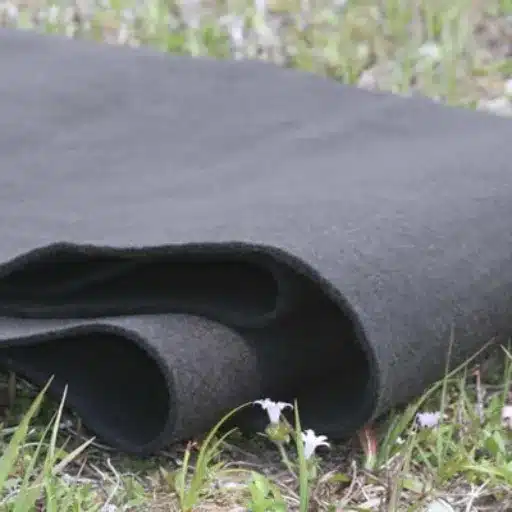
The non-woven geotextile drainage fabric is the one and the same that has been designed to provide the maximum drainage performance and also to maintain the same. So, it becomes the core of the water management systems. The fabric acts as a physical barrier, to be precise, very well, preventing soil particles and debris from entering the drainage systems where water could flow easily. The two-fold characteristics make it possible for retaining walls, foundation drainage, and underground filtration to work efficiently all the time.
Non-woven geotextiles are said to let water flow through the fabric at the rate of up to 90 gallons per minute per square foot depending on the material specification and installation conditions, as per the most recent studies. The pore size of the fabric can be adjusted to suit the project requirements thereby making it applicable to different kinds of soils and conditions. Revolutionary production technologies now give the fabrics even higher permeability and tensile strength meaning that the drainage system can handle heavy loads or survive the harshest of conditions for a longer period.
Separation and Erosion Control
Geotextiles are crucial in separating and controlling erosion as they act as a physical barrier that stops the mixing of soil with different properties. This is critical not only in construction and landscaping but also in any project protecting subsoil and topsoil thus preserving the integrity of the area beyond. The use of geotextiles to allow moisture to pass through while keeping the soil distinctly separated reduces the chances of the soil beneath being disturbed.
One of the ways of controlling erosion through stability of soil surfaces exposed to the elements, like wind and water is one of the ways geotextile fabrics function for the purpose. Recent industry reports estimate that geotextiles installation can decrease soil loss by up to 90% in erosion-prone areas like hills, riversides, and coastlines. Moreover, engineering studies have also corroborated that geotextiles usage in erosion-prone sites extends the lifespan of protective measures by more than 50%, thus cutting down on maintenance costs.
Comparison with Other Geotextile Materials
Non-Woven vs. Woven Geotextiles
Non-Woven Geotextiles, produced by blending synthetic fibers through needle-punching or any other technique, are among the very materials that possess similar qualities to fabrics. These porosities of the materials allow them to let water pass through very fast without facilitating the movement of soil particles. The example can be taken from road construction where non-woven geotextiles are used in such a way at the end of the road that the water getting trapped under the road is reduced thus eventually leading to road maintenance and increasing the lifespan of the structure. According to Geological World (2023), a study has been cited in which the use of non-woven geotextiles results in an increase of up to 35% in the drainage efficiency of the soil.
On the other hand, woven geotextiles are made by interlacing synthetic fibers, thus a stronger and more tensile fabric is the product. Such material is capable of carrying heavy loads and therefore can be used in places where erosion is an issue or near construction sites with weak soil foundations. In fact, woven geotextiles can be three times stronger than non-woven, thus, they can be used even more for retaining walls and slopes. A Global Geotextiles Institute (2022) report states the use of woven geotextiles in highway foundations has resulted in an increase of over 50% in foundation load-bearing capacity; thus, the roads were lasting longer and the repair costs were lower.
Performance Metrics and Specifications
The performances of woven geotextiles in industrial and environmental applications, their specifications etc., are reflected through key performance metrics. The tensile strength is one of the major parameters and it varies from 15 kN/m to over 100 kN/m depending on the fabric type and the end-use application. The high tensile strength is of great help since it makes the load distribution much more efficient and resistant to deformation under heavy pressures, organizations cannot do without them in such big infrastructure projects.
The pore size is also a major factor and is generally given by the Apparent Opening Size (AOS). Woven geotextiles typically have pore sizes ranging from 0.15 to 0.5 mm AOS, which allows for efficient filtration while still maintaining the soil’s stability. The balance demonstrated thus prevents clogging and ensures the longevity of drainage and erosion control installations.
To be more specific, woven geotextiles still maintain their strength and durability even under extreme conditions. UV resistance testing, for instance, has proved that high-quality geotextiles can keep up to 80% of their strength after being exposed to sunlight continuously for a long time. The elongation characteristics are low, but still, this 5%-15% range means practically no stretching while the structure is intact.
Installation Tips for Non-Woven Geotextile Fabrics
Preparation of the Site
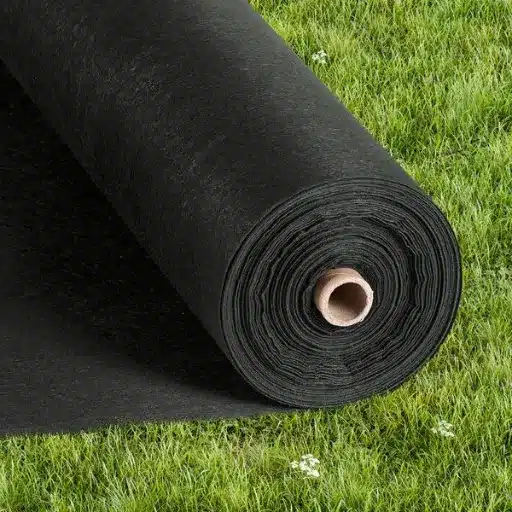
The non-woven geotextile fabrics will be able to pass the whole life cycle only if the site is prepared properly. First, you must first remove anything that could harm the fabric, for example, landslide debris, rocks, and even sharp plants. Flatten the area to remove the highs and the lows because if the fabric is uneven, it will not serve its purpose and its placement will not be proper.
In case the project is concerning drainage or erosion control, check the depth of excavation to be according to the design specifications. According to the standard procedures, the normal width of the trench for drainage applications is approximately 12 to 24 inches, however, this may be modified depending on various site factors. Moreover, the ground should be compacted to avoid settling and ensure stability and moisture control should be practiced for having the best results in compaction.
For the preparation process not to stop, at times a solid foundation layer—a layer of sand or fine gravel—is advised to give extra support and to minimize the possibility of the geotextile fabric being damaged during the installation. Studies have indicated the importance of the step because the right preparation leads to a 20% reduction in fabric-related failures in the project lifetime thus the indication of the importance of this stage. A hassle-free installation and a non-woven geotextile fabrics’ overall performance enhancement are secured by complying with these directions.**
Techniques for Effective Installation
The installation of non-woven geotextile fabrics is done effectively only when the techniques strictly specified for their durability and functionality are adhered to. The very first thing to do is ensure that the surface of the earth is entirely flat and devoid of sharp materials or garbage as they can puncture the fabric. It is better to cut the fabric to size and 12 inches should be the minimum overlap between the adjacent sections to avoid shifting during or after the installation. Experts recommend securing the edges using staples or pins every 3 to 5 feet, alongside maintaining tension and preventing movement, particularly in areas prone to heavy loads.
The most recent research findings indicate a 30% increase in the longevity of geotextiles when proper anchoring techniques are employed. Moreover, the use of a double-layer system in large projects where high-stress zones exist will be a significant help because it will result in better load distribution and resistance to erosion. The use of machines or tools, such as plate compactors, to apply consistently over the fabric will ensure firm placement. Frequent inspection during the installation will be synchronized with these methods to encounter problems like bunching or misalignment so as to maximize the total performance of the geotextile fabric.**
Case Studies and Real-World Applications
Landscaping Projects Utilizing Non-Woven Fabrics
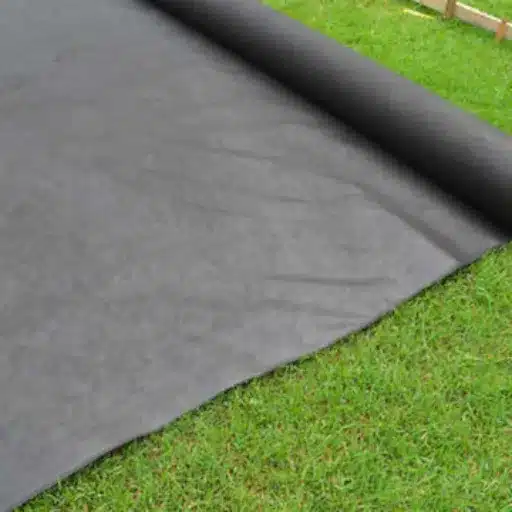
The non-woven geotextile fabrics have become very important materials for landscaping and are considered to be the most essential component in a number of such projects worldwide due to their multitasking capabilities, durability, and low price. Groundworks like separation, filtration, drainage, and soil reinforcement are the primary functions of these fabrics. Plants in planting projects using non-woven fabrics are taking all the good attributes associated with the plants, and at the same time, they are preventing the need for soil erosion and drainage systems which all these attributes make non-woven plants the preferred choice for both residential and commercial developments.
The primary reason for the introduction of non-woven fabric is landscaping, and that is its use as the most effective weed control measure. As per recent studies, a non-woven geotextile fabric can be placed under the mulch to reduce the weed growth by 90% thus the herbicide usage will be extremely low. The situation is basically the same with these fabrics which are used in French drains and other kinds of drainage systems; the fabrics are allowing water to penetrate and at the same time preventing soil particles from entering the system thus the system will be draining effectively and will not clogged up for a long time.
Infrastructure Developments and Drainage Solutions
The application of new materials like non-woven geotextiles in the drainage solutions for modern infrastructures has caused a major change. These fabrics are crucial in managing the water, stopping the soils from eroding, and maintaining the strength of the constructed systems. For example, geotextiles are widely used in road construction where they act to give the ground support by improving the drainage and filtration which, in turn, reduces the need for maintenance and prolongs the life of the road they lie under.
Recent reports show that by 2028 the global geotextile market will be valued at $11 billion, meaning a 10% annual growth rate in the coming five years. Along with the above-mentioned factors, the rising investments in the flood-prone areas and heavy-rainfall urban and infrastructural development projects are also leading to this market growth.
One such scenario is that of the flood-affected places where use of non-woven geotextiles for sub-grade stabilization and stormwater filtration systems has been approved. Research has shown that the use of these fabrics can achieve better drainage performance by 40% thus not only saving the structures from water damage but also providing a safer environment around them. Moreover, in case of the tracks, geotextiles redistributing the load stresses are providing settlements prevention which is an essential requirement for operational efficiency in the high traffic areas.
Reference Sources
-
Experimental study on the hydraulic performance of nonwoven geotextile
This research investigates the hydraulic performance of nonwoven geotextiles as subsurface drain filters for silty loam soil.
Read more on ScienceDirect -
Feasibility of Geo-textile in Transportation Engineering
This overview highlights the filtration and drainage capabilities of non-woven geotextiles, emphasizing their high porosity and effectiveness.
Read more on ResearchGate -
Assessing the Impact of Non-Woven Geotextiles on Expansive Soil
This study confirms the efficacy of non-woven geotextiles in controlling moisture and improving structural performance in challenging soil conditions.
Read more on SSRN
Frequently Asked Questions (FAQs)
What does non woven geotextile filter fabric mean, and in what way does it help with water drainage?
Non woven geotextile filter fabric is drainage in civil and landscape projects. It is a geotextile filter that allows water to pass (high flow or excellent drainage) while retaining soil and aggregate, which makes it the perfect fabric for subsurface drainage, underlayment, and drain water management.
What is the difference between nonwoven geotextile and woven geotextile filter?
Nonwoven geotextiles are normally made from staple or filament fibers and are bonded through needle punched or thermal processes to form a random, porous matrix (nonwoven fabric) that has very good filtration and drainage properties. Woven geotextile fabrics, made by crossing yarns, have higher tensile strength and lower elongation that make them suitable for separation and stabilization under high loads. Nonwoven geotextile filter fabric is preferred for filtration and high water flow applications like drain water pathways.
When should I prefer needle punched nonwoven geotextile fabric or a punch construction?
Needle punched nonwoven fabrics constructed by repeatedly punching fibers to entangle them are thick and provide robust mechanical interlock thus improving filtration and clogging resistance considerably. Choose needle punched or punch-built nonwoven geotextile when you need good separation, excellent drainage, and resistance to rot and mildew in moist environments or when using aggregate backfill in subsurface drainage systems.
Is it possible for nonwoven geotextile filter fabric to perform the role of a landscape fabric and a weed barrier at the same time?
Yes. Many nonwoven geotextiles serve dual purposes: as landscape fabric they act as an underlayment that suppresses weed growth (weed barrier) while allowing water and nutrients to pass through. In the case of gardening and ornamental aggregate areas, the common nonwoven geotextiles provide separation and stabilization without sacrificing high water flow, although for complete weed prevention a woven barrier or additional mulch might be used.