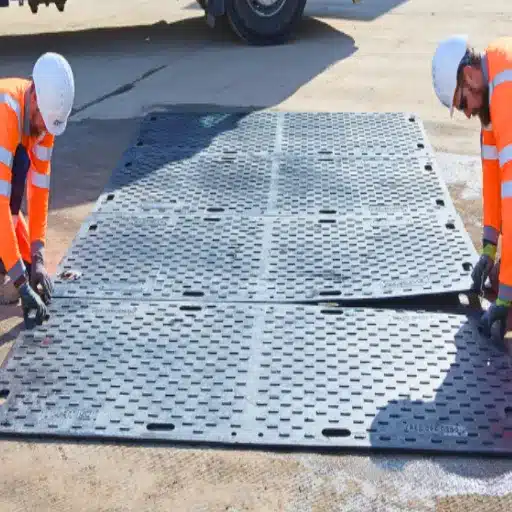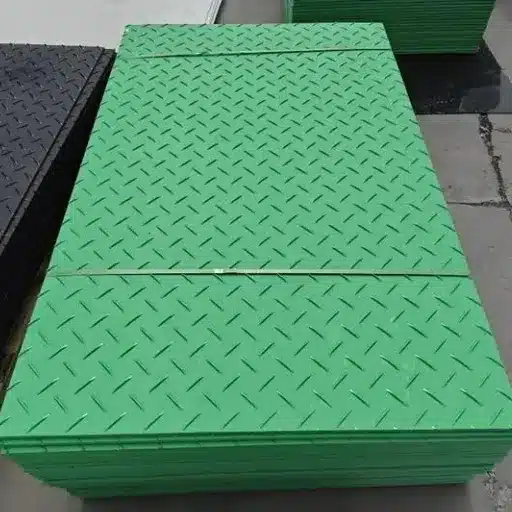
Rubber mats and rolls are among the most preferred options in terms of safety, durability, and aesthetics when making a flooring solution. You can never go wrong with a rubber floor for the gym, for safety in the office, or for an aesthetically pleasing yet practical and durable home. This article explains everything you need to know about rubber mats and rolls, their main advantages, popular uses and tips for finding the perfect option for your space. Therefore, join us in discovering the reasons behind rubber flooring being a wise investment for many uses.
Benefits of Rubber Floor Mats
1Durability and Longevity
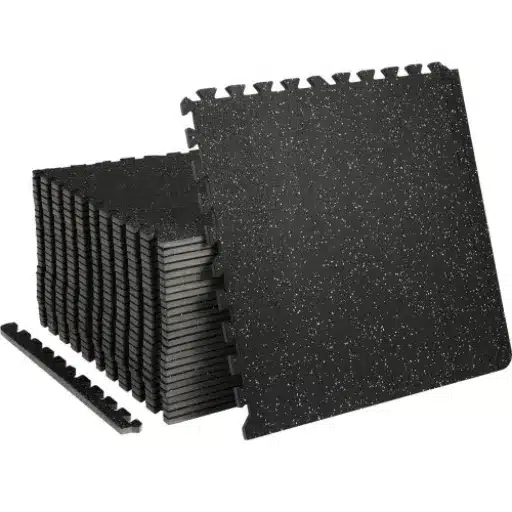
Rubber floor mats are recognized for their tremendous durability and lifetime; such qualities have made them one of the best options for homes and offices. The tough material combination enables the mats to withstand high foot traffic, heavy impact, and daily use without showing any signs of damage or loss of value. Studies have shown that proper care can let top-notch rubber flooring last over 20 years, which is a considerable edge over many other floor types.
One of the main things that contribute to the long life of rubber flooring is its great resistance to abrasions, cracks, and dents. This characteristic allows rubber flooring to be laid in gyms where weights and machines are making a lot of noise and have a considerable impact. UV-stable products are one of the modern certifications of manufacturers of rubber flooring, and these products make it very hard to see fading and degradation in the areas exposed to sunlight.
2Safety Features of Rubber Mats
Rubber mats come with an extensive range of safety features which make them safe in both home and office environments. One of the biggest advantages of rubber mats from the safety point of view is their non-slip surface that protects people from falling and sliding. The nature of rubber provides a fantastic grip, so the risk of falling and sliding is very low even when there is water or oil. A study has found that around one million hospital admissions a year are the result of slip-and-fall accidents, and areas where rubber floors are used can be among the least affected by such incidents due to the slip-resistance feature of the flooring.
Impact absorption by the rubber mats is the second most important safety benefit. The silicone flooring material acts as a pad for the falling person, thus, hurting him or her less. This feature is especially valued in cases of gyms, playgrounds, and workshops as high-impact activities are there. Moreover, rubber’s ability to absorb vibrations as well as cutting down on noise, is such an extra safety advantage as it reduces distractions and keeps the area quieter.
Types of Rubber Floor Mats
1Anti-Fatigue Mats for Comfort
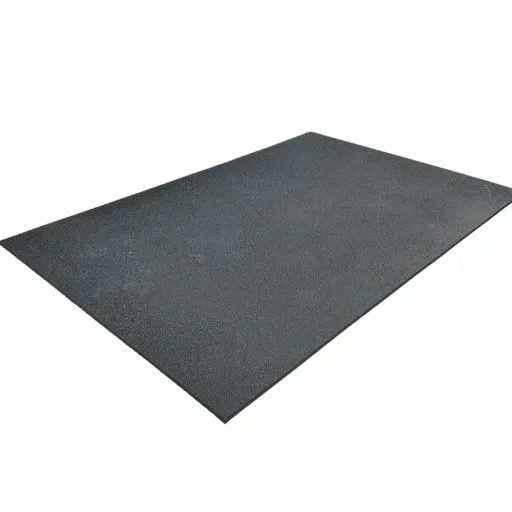
Throughout the years, anti-fatigue mats have become highly effective and even necessary solutions to get rid of the discomfort and physical strain associated with standing for long periods. It is common for these mats to be used in different places in factories, retail counters, and offices, where employees have to stand for long hours. The latest research shows that the use of anti-fatigue mats makes people less fatigued by about 50% which in turn improves their productivity and general well-being.
Although the mats have a very nice soft surface, which makes them very comfortable, they not only allow a person to maintain the blood flow and reduce the pressure on the joints and muscles, but also encourage small movements. In addition to that, the mats can be made from different materials such as foam, rubber, and gel, so users will have a greater selection to choose from depending on their job or work environment. For instance, rubber anti-fatigue mats are the most recommended for slippery and industrial places as they are both waterproof and non-skid.
2Exercise Mats for Home Gyms
Home gyms are incomplete without exercise mats, also they make workouts safe, easy, and comfortable. Whatever it is, yoga, HIIT, or weight lifting, a perfect mat protects the person and the floor by absorbing the shocks. Rubber, PVC, and foam are common materials for making such mats which ensure that they are comfortable and durable.
The global exercise mat market is, as per recent statistics, expected to grow by 4.9% on average per year from 2023 to 2030 which is a clear indication that the demand for fitness equipment in homes is increasing. One of the major reasons leading to the trend of the popularity of this demand is video workouts where people can follow their instructors from their homes thus making it possible for them to stay fit without going to the gym.
Furthermore, these exercise mats come in a wide range of thicknesses, sizes, and textures that match different kinds of activities. For example, one practicing yoga on a 6mm mat may feel very comfortable as it is the right combination of grip and cushioning, while thicker mats, like those of 12mm and beyond, are the best for Pilates or weighted floor lifting. Moreover, the no-slip feature on the mat’s surface enhances stability, thus significantly reducing the risk of injury during such vigorous movement.
Choosing the Right Rubber Floor Mat for Your Needs
1Determining the Right Size and Thickness
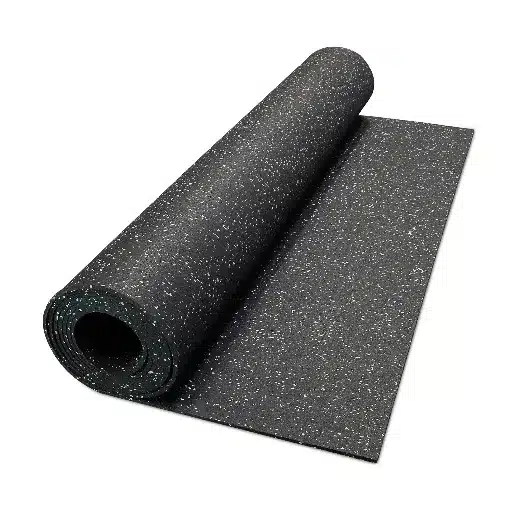
Choosing the right size and thickness of a rubber floor mat is essential for achieving the desired results. For instance, in case you want to set up a home gym, then large mats of at least 6 ft. by 4 ft. or even bigger would easily cover your equipment area and allow you enough room for workouts. On the flip side, a mat that measures 3 ft. by 2 ft. can accommodate one person for yoga or weights and would be an ideal match.
Thickness plays a major role in determining how comfortable and protective the mat would be. A gym with heavy foot traffic or an area set aside for heavy equipment would need a mat of at least 3/4 inch thickness or more to cushion the impact and at the same time, prevent the floor from getting worn out. A stretching or Pilates session would call for a mat of about 1/4 to 1/2 inch as it would provide sufficient support without the stability being compromised.
2Texture Considerations for Different Uses
The very surface of a mat meant for either exercising or being used in professional areas governs the safety, performance, and comfort to a large extent. The textured surface is the one that gives the most grip and is specially intended for high-intensity workouts or yoga practices where a lot of grip is required for the practitioners to stay in their positions and breathe evenly. For example, mats with ribbed or embossed surfaces practically apply to the point that slipping can be ruled out even in the case of sweating a lot.
A study has shown that the use of a textured mat will yield up to 40% more traction than smooth surfaces and this is material dependent. PVC and rubber mats are particularly good as they often have patterns or grooves that make them suitable for activities where maximum stability is needed. On the other hand, the plain or the less-textured mats are more suited to low-impact workouts or office settings where it is necessary to move easily or transition smoothly across the floor.
Installation and Maintenance Tips
Proper Installation Techniques for Rubber Mats
Surface Preparation
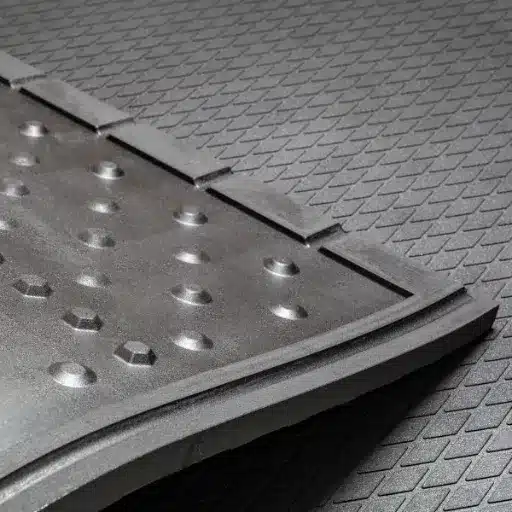
Before placing rubber mats, thoroughly clean and level the surface. Dirt, moisture, and uneven spots will influence the mat’s stability and life. Moreover, a clean surface will assist in the case of using adhesive backing or glue. Keep the subfloor dry to prevent mold or slipping from occurring under the mat over the years.
Measure and Cut to Fit
Accurately measure the installation area to ensure the mats fit perfectly. For areas with curved edges or corners, a utility knife and cutting mat can be used along with the utility knife to shape and size the mat. Usually, rubber mats come in rolls or tiles which can be adjusted to suit the space. Cutting rubber mats can be simplified through repeated scoring and straight edges providing ineffectual accuracy.
Choose the Right Adhesion Method
There are several methods available depending on the mat type and the purpose of installation, including loose laying, double-sided tape, or adhesive glue. Loose laying is sufficient for personal gyms or temporary setups. However, for permanent installations or high traffic areas, a strong adhesive such as urethane-based glue is advisable to make sure the results last.
Use Appropriate Spacing
If you are installing rubber tiles, the least possible gap between them should be left so that dirt cannot build up in the spaces. The interlocking mats should be tightly pressed together so that there is no visible surface. For mat rolls, stagger the seams to enhance the overall stability.
Routine Maintenance for Longevity
✓Regular Cleaning
If the rubber mats are not taken care of daily, dust and dirt will easily form on them. Therefore, they need to be swept or vacuumed daily to get rid of dust, debris, and dirt that may lead to surface abrasions. Weekly mopping is recommended with mild detergent and warm water. Do not use strong chemical cleaners since these will destroy the rubber material.
✓Addressing Stains and Spills
Clean spills immediately to prevent staining and moisture damage. For very stubborn stains, use a pH-neutral cleaner. This routine not only helps the rubber mats that are used in areas with high traffic by maintaining their original appearance but also reduces the amount of cleaning required in the long run.
✓Inspect for Damage
Inspect the mats regularly and watch for signs of damage like cracks, tears, or curling edges especially in cases of commercial or outdoor applications. It is best to carry out repairs on the damaged areas as quickly as possible or to replace them in order to avoid tripping hazards and loss of functionality.
✓Preserve the Surface Finish
The slip-resistant properties of rubber mats will be reduced if wax or floor polishes are applied, so do not do this. A rubber care solution should be applied every three to six months to protect the material from UV rays and pressure from the atmosphere, especially for outdoor mats.
✓Storage Recommendations
If the rubber mats are to be temporarily removed and stored, they should be tightly rolled and kept in a cool and dry place. Exposure to high temperatures and sunlight can cause warping and premature degradation.
Top 2025 Trends in Rubber Floor Mats
1Innovative Designs and Patterns
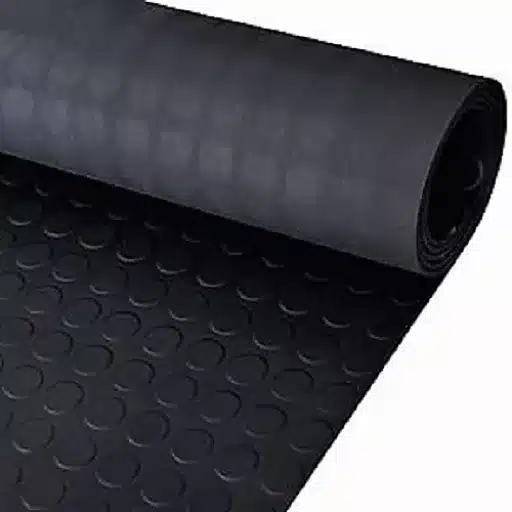
Rubber floor mats were once considered merely a practical and unpretentious solution. Nowadays, however, modern-day technology has paved the way for remarkable designs and perfect fusion of functionality and aesthetics. One of the biggest trends in 2025 is that the modular rubber tiles with interlocking systems are becoming more and more popular which gives the customers a lot of freedom in creating their layouts according to their liking. They are often available in such forms as geometric shapes, herringbone patterns, and for those who dare to ask for the mosaic look, giving a very elegant and sophisticated touch to both residential and commercial areas.
Textures and embossed patterns are, by far, the most unexpected and fastest evolving trends of all time with regard to rubber flooring. These features are giving a definite visual and slip resistance advantage thus making the area a lot safer for the people. A new survey indicates that almost two-thirds of the consumers would rather go for the versatile designs compromising on the utility part when purchasing rubber floor mats.
2Eco-Friendly Materials in Rubber Flooring
The trajectory of sustainability is the primary reason that rubber flooring is getting a complete transformation with greening of the materials in the market. The producers are increasingly using old tires for recycling into new rubber, which is the main source of post-consumer rubber. Over 290 million tires are disposed of in U. S. every year and a big part is now being transformed into durable, eco-friendly flooring options.
Recycled rubber flooring is the best option for eco-friendly flooring as it does not only prevent pollution by turning waste materials into products but also saves the environment by reducing the demand for the virgin rubber production which is usually resource-intensive. Besides, the eco-friendliness of such products can be further enhanced if non-toxic binding agents and dyes are used in their production which are compliant with the strict safety and environmental norms.
Reference Sources
-
“A comparison of the effects of floor mats and shoe in-soles on standing fatigue”
- This study evaluates the impact of floor mats on reducing standing fatigue and discomfort compared to shoe insoles.
- Read the paper
-
“Smart floor mats for a health monitoring system based on textile pressure sensing: development and usability study”
- This research focuses on the development of smart floor mats with textile-based pressure sensing for health monitoring, showcasing their usability and affordability.
- Read the paper
-
“Evaluation of the Effect and the Perception Range on Impact Sound Reduction by Installing Floor Mats”
- This study examines the sound reduction performance of different types of floor mats, such as PE and PU mats, under various impact conditions.
- Read the paper
Frequently Asked Questions (FAQs)
Are industrial rubber floor mats simple to clean and do they resist mold and mildew?
Cleaning industrial rubber mats is not a difficult task: they can be kept sanitary by just sweeping, hosing and occasionally doing deeper cleaning with mild detergent. The selection of non-porous, closed-cell or high-density formulations reduces crumb collection and makes the mats more resistant to mold and mildew and odor. For facilities that have a lot of moisture or are using outdoor rubber mats, choosing mats that are labeled all-weather or low-odor and considering removable designs for thorough drying are all good ideas.
What are the pros and cons of using a rubber roll as opposed to individual mats for gym flooring and indoor areas?
Rubber roll creates a surface that has fewer seams and it is uninterrupted with very minimal seams this surface is perfect for gym flooring and large indoor areas giving a better aesthetic and easier cleaning compared to individual tiles. Rolls are frequently chosen for non-odorous, heavy-duty installations where impact and noise reduction are highly prioritized.
How do custom rubber mats rank against standard car mats or horse stall mats in terms of specialized needs?
Custom rubber mats allow you to customize thickness, size, drainage, and surface texture according to the specific use; therefore they are superior when the requirements are not met by standard car mats or horse stall mats. For instance, in the case of horse stalls, it is better to use thicker, cushioned mats with slip-resistant surfaces and easy-to-clean profiles to reduce odor and mold than to use standard mats.
Can rubber floor mats play a role in odor control and the smell issues connected with both indoor and outdoor rubber installations?
Yes—choosing low-odor or low-VOC rubber formulations will not only reduce the initial smell but also the selection of dense, closed-cell materials will limit the absorption of spills that lead to continuing odors. Regular cleaning and making sure that there is good drainage as well as ventilation in indoor or outdoor rubber installations will help in reducing the odor and also in preventing mold and mildew.