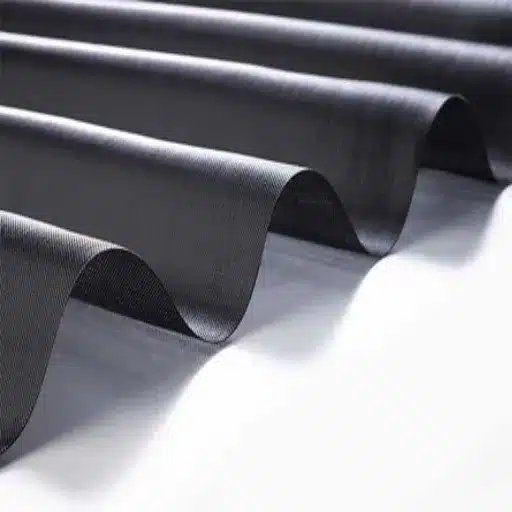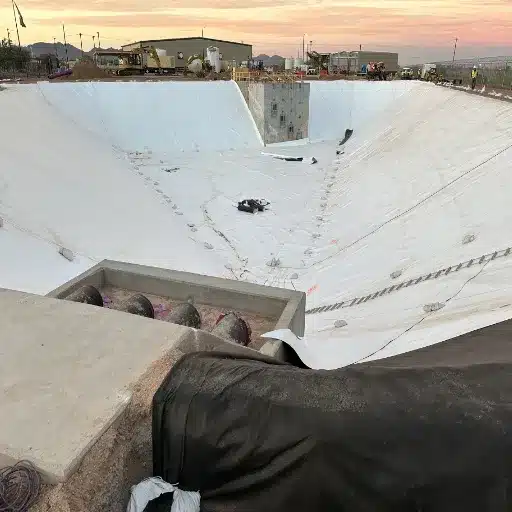
When it is about waterproofing solutions, HDPE (High-Density Polyethylene) geomembrane liners in modern construction and environmental projects are the most reliable and flexible choice. These liners are essential materials in diverse applications from landfill containment to agricultural water storage, giving excellent durability, chemical resistance, and impermeability. The article goes into detail of the key benefits and uses of the HDPE geomembrane liners, and at the same time, it discovers the role of these liners in effective waterproofing and environmental protection. If you are a contractor, engineer, or project manager, then knowing the part that geomembrane liners play in this scenario can guide you in making your decisions about the next project.
Introduction to Waterproofing and Geomembranes
The Importance of Waterproofing in Various Industries
Construction Industry
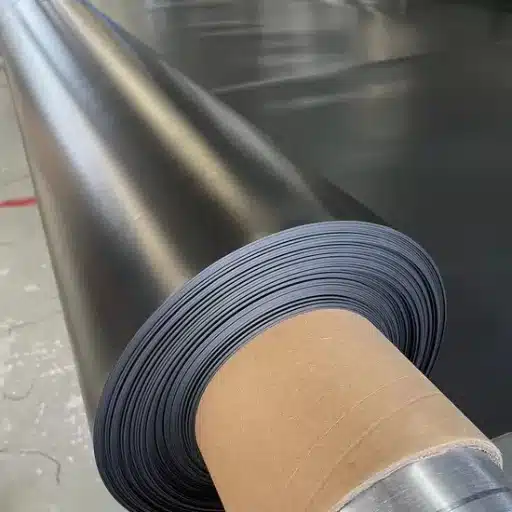
Waterproofing is the most important factor in the construction industry that safeguards buildings, roads, and bridges against water damage. The construction waterproofing market, which is a worldwide one, is going to be worth $77.6 billion by 2030, and it is going to have a CAGR of 7.4% during the period 2021-2030. This gigantic growth trend reflects the increasing demand for strong products like HDPE geomembranes which grant the best possible protection against water, chemicals, and UV light.
Waste Management
The huge open dumps as well as waste treatment plants will be equipped with powerful sealing systems that will not only protect the ground but also readily be able to take care of the environment. HDPE plastic liners are particular favorites of landfill operators because of their impermeability and durability, which combined significantly reduce leachate migration. Studies have supported the application of the HDPE liners in waste management by reporting contamination events have been reduced by as much as 99%.
Agriculture
Waterproofing is just as important in agriculture. Reliable lining systems are needed to stop the water loss by evaporation from the irrigation ponds, reservoirs, and canals. HDPE geomembranes do not leak water at all; besides, they are root- and chemical-resistant, which means that the plants are always supplied with water. This is especially relevant in places where getting water is difficult, as even a drop of water is very expensive.
Mining
The hydro-insensitive materials with top-performance quality remain a constant requirement in the mining sector for the construction of tailings dams, heap leach pads, and stormwater ponds. For the specific purpose of chemical-resistant HDPE films are the most sought because of the main two factors being, the chemicals and the earth, that is being contained and the earth is being safeguarded. Also, the recent advancements in the industry have led to the liners’ production being more efficient in terms of costs along with the mining sector’s increased use of these products.
Overview of Geomembranes and Their Role
Geomembranes are synthetic membrane liners or barriers that are widely utilized for containment and waterproofing across various industries such as mining, agriculture, construction, and waste management. The list of these strong materials includes high-density polyethylene (HDPE), linear low-density polyethylene (LLDPE), polyvinyl chloride (PVC), and ethylene propylene diene monomer (EPDM), which are all extremely resistant to chemical exposure, UV radiation, and mechanical stress.
Market analysis reports give recent proof of the geomembrane market growth which is expected to be $2.7 billion by 2027, with a compound annual growth rate (CAGR) of 5.1% from 2020. The major reasons for such fast-growing demand include the use of environmental containment solutions and infrastructure development. For example, the mining industry is one of the largest geomembrane users, as it employs these liners for tailings dam lining, leach pad, and water reservoir isolation. Their non-permeability guarantees that there is no leakage of hazardous substances which would otherwise harm the surrounding ecosystems.
What is HDPE Geomembrane?
Definition and Composition of HDPE Geomembrane
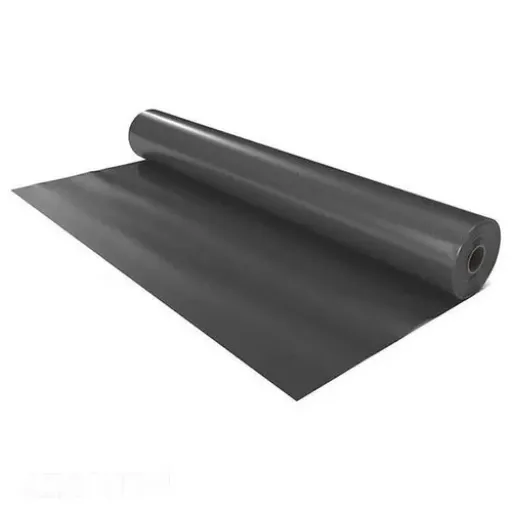
The High-Density Polyethylene (HDPE) geomembrane is a triumph of strength, durability, and impermeability to any liquid and is solely made of high-density polyethylene. Owing to its remarkable resistance to chemicals and mechanical wear, HDPE geomembrane is the most widely used in various reliable containment options like landfill, mining, and water conservation even though these applications are heavy-duty and require dependable solutions.
The HDPE geomembrane consists predominantly of polyethylene resin 96-97%, which imparts both the structural soundness and the non-permeable property to the liner. Additives such as carbon black for UV protection, antioxidants to slow down the decay process caused by the chemical reaction, and stabilizers to boost thermal and chemical resistance make up the remaining 2.5-4%. Strictly following the formulation has allowed HDPE membranes to perform consistently well even in extremely harsh environments which may include very high or low temperatures and aggressive chemicals as well.
Membranes Comparison
The comparison reveals that HDPE membranes not only possess such great durability but also the resistance to chemicals so that they can be considered as a cost-effective alternative to other types of geomembranes. For instance, PVC (Polyvinyl Chloride) liners although being soft and flexible, are usually less durable in harsh conditions that include high UV exposure and chemicals. Research confirms that while PVC membranes can be easily installed due to their flexibility, they do shrink and become brittle which ultimately limits their life in demand applications to around 5-15 years.
An LLDPE (Linear Low-Density Polyethylene) is another standard geomembrane. LLDPE has a greater degree of flexibility than HDPE and that is why LLDPE is often the choice for applications that need excellent conformity to the bumpy surfaces. However, this very flexibility is the reason for the drawbacks of lesser tensile strength and chemical resistance compared to HDPE, especially for hydrocarbons. According to a 2021 report, HDPE liners are rated to last more than 30 years whereas LLDPE and PVC membranes may degrade significantly sooner under the same conditions.
Key Benefits of Using HDPE Geomembrane
Durability and Longevity
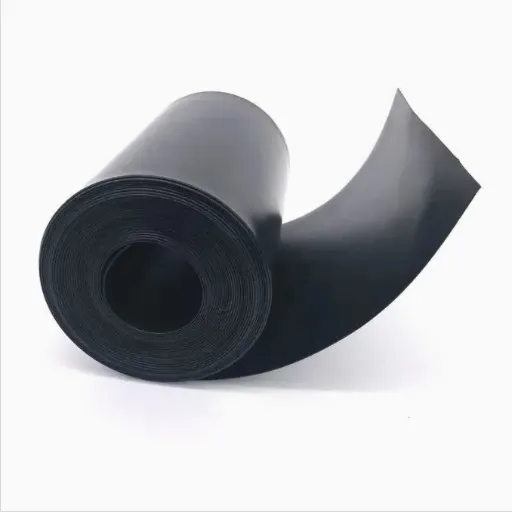
High-Density Polyethylene (HDPE) geomembranes are the most durable and long-lasting products in the industry and environmental areas. The very strong chemical construction gives them the ultra-strong power to resist the sun, chemicals, and even physical impacts. Thus the physicochemical studies conducted in the past have indicated that under the sunlight, the HDPE products would not lose their properties for over 36 years and for longer in covered installations based on the environmental factors involved.
In addition, the HDPE geomembranes have a very high resistance to the tensile and punctures stresses, which are the main factors that protect the linings gentleness in burying grounds, mines, and water retention facilities. The material in question shows a great thermal range with the temperature from -40°F to 176°F (-40°C to 80°C) thereby its reliability in different climatic conditions.
Cost-Effectiveness and Efficiency
Geosynthetic materials are still the most wanted in the market for their combination of cost-effectiveness and operational efficiency, thus being a must for bulk infrastructure projects. Recent market research estimates that the use of geosynthetics could lower project costs by as much as 30% compared to conventional materials due to their lightweight, easy installation, and longevity. The time for installations is greatly reduced, usually by 50% or more, thanks to the application of new techniques for the handling and the placing of materials, which also contributes to the reduction of labor costs and project delays.
In addition, geosynthetics are seen as the most effective in conserving the resources. For instance, the use of high-density polyethylene (HDPE) geomembranes in the containment ponds has made it possible to reduce the water leakage rates up to 10% of what they were before, hence cutting down the water loss by 90%. The saving in operational costs is palpable as this efficiency is translated to the ongoing costs in mining, agriculture, and waste management getting lower. Also, the use of geosynthetics has been increasingly accepted as a practice that is in harmony with nature and promotes projects like eco-friendly ones, for instance, the reduction of dependence on natural resources such as clay, which is more resource-intensive to extract and process.
Applications in Different Industries
Agriculture and Irrigation
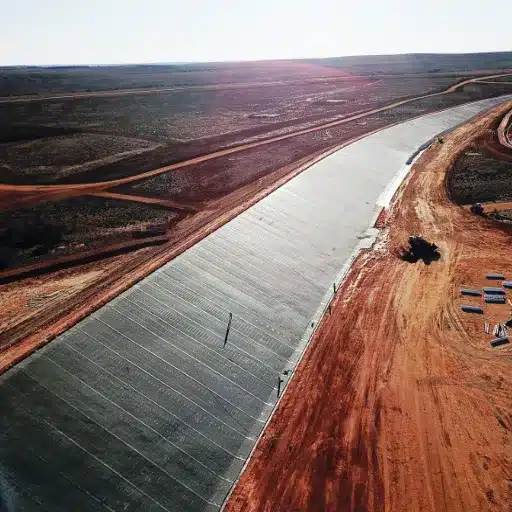
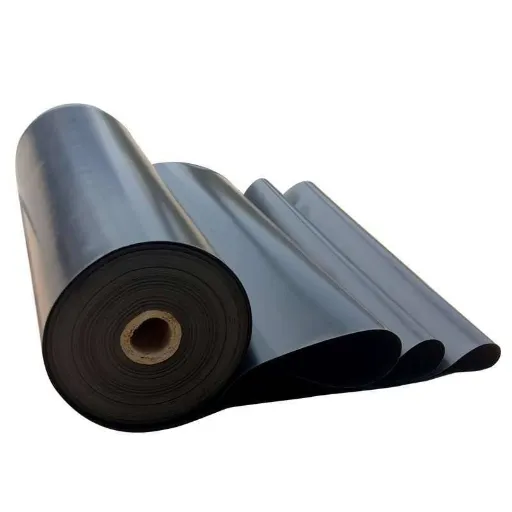
Among the various materials that were examined to tackle the issues arising from the distribution of water, soil management and the increase in crop production, geosynthetics have come out as the most significant and successful ones in the up-to-date industrial agricultural practices. A major use of geosynthetic materials is canal lining which, together with geomembranes and geotextiles, also prevents water seepage, cutting down water loss by up to 90% when compared to unlined systems. This characteristic of saving water is an absolute necessity in arid and semi-arid areas that have a limited water supply since agricultural systems will always rely on water-efficient irrigation for their survival.
Moreover, the use of geosynthetics has been on the rise as they are employed in the construction of agricultural ponds and reservoirs. An impervious barrier of geosynthetics is used to effectively store water. Such stored water is the source of irrigation, and thus, the irrigation water is of consistent availability. Reports indicate that the application of geosynthetics can extend the lifespan of irrigation infrastructure by 20 to 30% along with a significant reduction in operating cost. Apart from that, there is no risk of the stored water being contaminated which means that both the health of the crops and agricultural output are guaranteed.
Mining and Landfills
The geosynthetics industry has experienced rapid growth and has become recognized as an essential material for environmental protection and operational efficiency in the mining and landfill sectors. Mining companies are mostly making use of such material for the building of tailing dams, heap leach pads, and waste containment systems which are aimed at minimizing the effect of releasing waste into the environment. For instance, geomembranes used in heap leaching operations guard the soil against the migration of harmful chemicals thus the meeting of environmental regulations is guaranteed.
The landfill sector scenario is comparable with the application of geosynthetics in waste management and pollution control that the provision of strong liners and drainage systems among other things which are inter-related to ensure the stability of landfill liners and effective leachate management and control of gas emissions. A study reported by the Journal of Hazardous Materials has estimated that incorporating geosynthetics into landfill systems reduces leachate leakage rates by more than 90%, which is a major reduction in the risk of groundwater contamination.
Installation Process and Best Practices
Preparation of the Site
Site Clearing and Grading
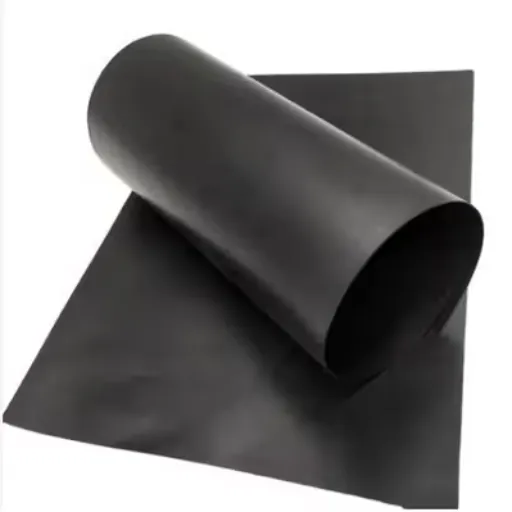
The area will be cleared of all types of plants, garbage, and other unnecessary materials that could possibly cause the geosynthetic material to get damaged. After that, a grading operation will be carried out, and this will result in an even and smooth ground and eventually, during the process of installation no wrinkles or cuts will take place. Changing the surface gradually will help avoid sudden changes that may affect the liner’s durability.
Subgrade Preparation
In order to have a solid and supportive base, the subgrade is to be compacted and leveled. If you look at the variety of research that is conducted, the best subgrade preparation is going to be the most effective and will reduce the possibility of geosynthetic liner failure by up to 35%. In addition, that region must be guaranteed free of sharp stones or any damage due to erosion that could shorten the lifespan of the material.
Drainage Systems Installation
When there is a need to drain the water that could otherwise build up under the lining, drainage systems are installed and at the same time geotextile is added to the drainage systems in the same manner for filtering the fine particles and for protecting the lining against the harmful effects of the abrasion.
Material Inspection and Testing
Geosynthetics must be tested and inspected before installation to ensure they meet manufacturers’ standards. Quality control technologies have made remarkable advances, for example, on-site electronic leak detection systems which have an accuracy of 98% in locating potential defects.
Quality Control and Maintenance
Proper quality control and maintenance practices are the main reasons behind the successful HDPE liner installations in landfills. Non-destructive testing (NDT) methods, such as ultrasonic weld testing and air pressure testing, have helped to identify any inconsistencies in weld seams or material integrity. These methods ensure compliance with strict industry standards such as ASTM D6392 for seam testing.
HDPE liners need regular inspections to maintain good functioning over time. Ideally, inspections should be done every 6 to 12 months to detect early signs of wear, stress fractures, or environmental damage. The International Geosynthetics Society data indicates that, when proper maintenance protocols are followed, the average failure rate of well-kept HDPE liners in landfill applications is less than 1%.
Reference Sources
-
Comparative Study of Three Different Kinds of Geomembranes (PVC-P, HDPE, EPDM) Used in the Waterproofing of Reservoirs
This study compares the performance of HDPE geomembranes with other materials like PVC-P and EPDM in reservoir waterproofing applications.
Read more here -
HDPE Geomembranes in Geotechnics
This paper discusses the use of HDPE geomembranes in geotechnical applications, including their role as waterproofing sheets and their compliance with quality standards.
Read more here -
Simulation of Waterproofing Building Using Polyethylene (PE) Sheets
This research focuses on the use of HDPE sheets in waterproofing operations, highlighting their effectiveness in various construction applications.
Read more here
Frequently Asked Questions (FAQs)
What exactly is an HDPE liner and in what manner does it behave like a waterproofing membrane?
HDPE liner which is an abbreviation of high-density polyethylene membrane is a polyethylene sheet that has been specially manufactured to serve as a barrier against water. The HDPE membrane that is created acts as a barrier in the liquid containment side thus giving the environmental protection. An impervious layer that is continuously formed by the HDPE liner keeps the liquids from migrating.
In what aspects do hdpe membranes and other waterproofing geomembranes differ in performance?
The primary difference between HDPE membranes and other waterproofing geomembranes lies in their mechanical properties and suitability for specific applications. The HDPE geomembrane is a highly effective product, which provides a barrier against almost all chemicals, possesses high tensile strength, and low elongation, thus making it suitable for the prevention of environmental disasters in areas where stability and durability are paramount. On the other hand, LLDPE and blended geomembranes may offer better flexibility and resistance to puncture.
Which mm thickness should be used for a waterproofing membrane in civil engineering projects?
The thickness is determined by the applications of the geomembrane and its site. 0.5 mm is the thickness for light-duty polyethylene waterproofing while 3.0 mm and above is for heavy-duty containment, and these are the typical ones for HDPE membranes. It is common practice for designers to specify thicker membranes in the case of disposal sites, treatment plants, and underground structures so as to resist damage during installation and thus ensure a long life of the membrane.
Can hdpe liners be used to waterproof steep slopes and tunnels?
Definitely, some geomembranes used for waterproofing are designed to be more stable on steep slopes and thus can also be used in tunnels. The anti-slip quality of the textured surfaces of geomembranes or the high-performance variants of HDPE geomembrane will help to keep the membranes in place on the slopes. Not only must the membranes for tunnels and underground structures be very flexible and resistant to long exposure, also the methods of installation must take into account anchoring, seams, and protective layers to avoid damage during installation.