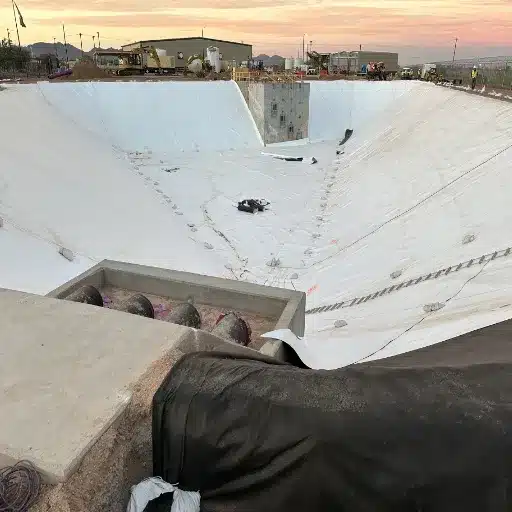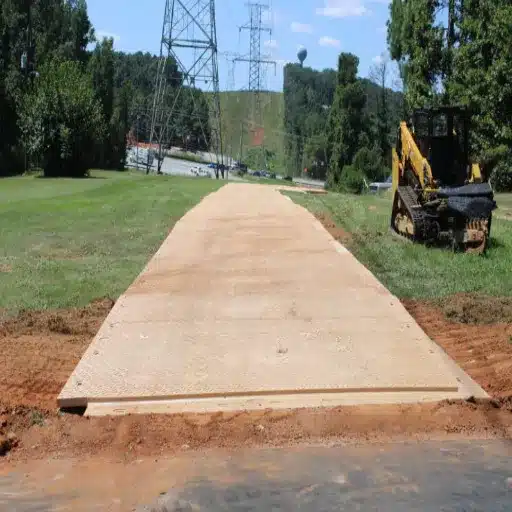
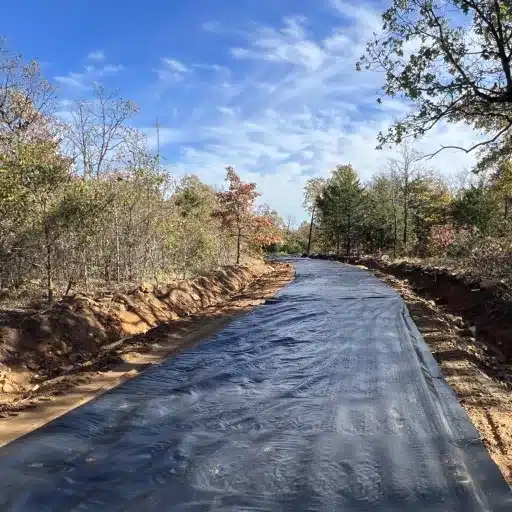
Geotextiles are revolutionizing the construction, landscaping, and environmental projects industry while being applied in such a way that the most difficult engineering problems are continually solved. In case you are building a road, reinforcing soil, or managing water drainage; then geotextiles will be a crucial part of your project because they will increase the life span of the project, reduce the time and labor required, which in turn will lead to a cost reduction on the project. This geotextile guide is intended to inform you of all the aspects related to geotextiles: their definition, types of geotextiles and how to choose the suitable material for your specific applications. You will be able to determine the extent to which these versatile fabrics can impact your upcoming project by the end of the guide.
Introduction to Geotextile Fabric
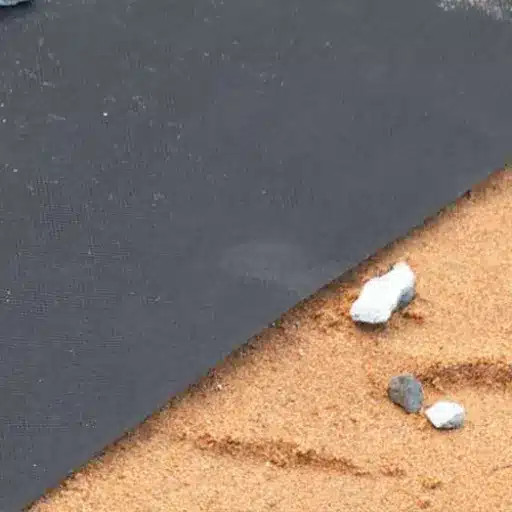
Definition of Geotextiles
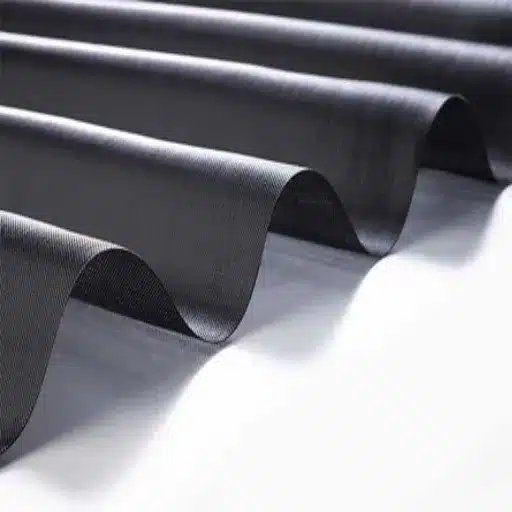
Geotextiles are the mainstay fibers which are either produced from synthetic or natural sources, are permeable to water, and are largely employed in civil engineering, construction, and environmental projects. Their main areas of application are soil stabilization, erosion control, drainage improvement, and infrastructure development. They are produced through various methods, such as weaving, knitting, or non-woven processes, according to the end-use.
The worldwide geotextile market was worth about $7.9 billion in 2022 and is predicted to maintain a compound annual growth rate (CAGR) of 10.8% during the period from 2023 to 2030. The rise in demand for sustainable building practices and the constant need for new constructions everywhere are the primary reasons for this uptick. This also opens the door to the utilization of various categories of geotextiles such as woven, non-woven, and knitted, each with its own unique features, which in turn, is one of the major driving factors for this trend. Taking, for instance, the woven ones, they not only possess the strength, but they can also handle heavy-duty operations which require strengths while the non-woven ones have the best qualifying features when it comes to filtration and drainage.
Impact of Geotextile Fabric on Industries
Geotextile fabrics have become necessities in many industrial sectors because of their multifunctionality and the advantages that they bring. Among the various industrial uses, the most important one is construction where the fabrics are used for soil stabilization, prevention of erosion, and road building. Recent statistics from the building sector indicates that the global geotextile market size was around $6.9 billion in 2022, and it is projected to grow at a CAGR of 6.8%, so geotextile is already getting the recognition it deserves in the construction industry.
In addition to construction, the environmental geotextile application is in environmental engineering where they aid the implementation of landfill protection and water filtration systems. Pollution of underground water due to the leaking of hazardous substances is being prevented through the use of these fabrics, thus making waste disposal less dangerous. Moreover, the agricultural sector is also benefiting from geotextiles that can be used to upgrade drainage and soil improvement systems and ultimately, increase agricultural productivity. For example, it was noted that the use of geotextiles in the farming system not only enabled direct water soaking but also reduced soil erosion considerably (by about 35%), thereby leading to sustainability enhancement.
Types of Geotextiles
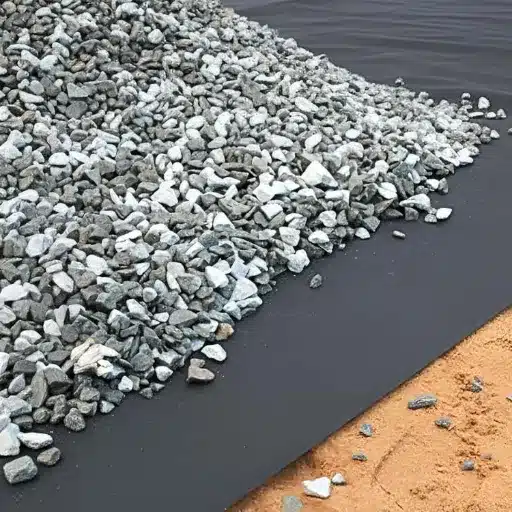
Woven Geotextiles
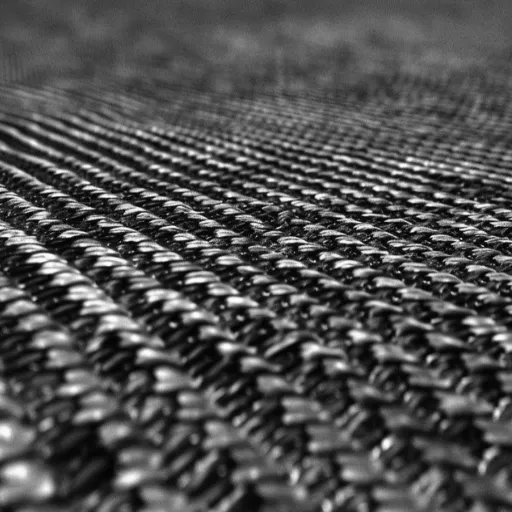
Woven geotextiles are made by weaving synthetic fibers, polypropylene or polyester, and the tightly constructed fabric that comes out of it is very robust and at the same time, it has very high load-bearing ability that makes it ideal for road construction or soil erosion control or even more. The most recent studies have identified that woven geotextiles could hasten the soil stabilization process by up to 40%, that is, infrastructure related projects would be more efficient and last longer.
One of the geotextile types is the woven geotextile through which maximum soil stabilization is done, and this is where most applications are. To elaborate on that in case of road construction, they are placed between soil and aggregates so as to keep them separate and also to permit uniform distribution of the load which in turn results in less rutting and reduced maintenance cost. This together with the evolution of science indicates that woven geotextiles with remarkable properties could break strength of over 400 kN/m which are more than the strength required for extraordinary projects like highways and airfields.
Non-Woven Geotextile Fabric
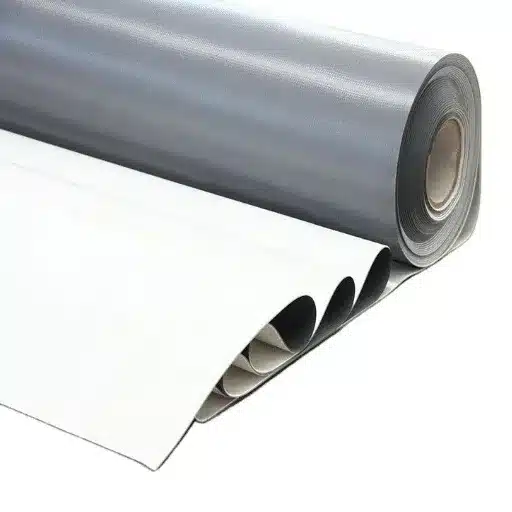
The family of geotextile fiber encompasses one of the main products which is non-woven fabric and it is a very versatile and practical material employed in numerous constructions and civil engineering projects. In contrast to woven geotextiles, non-woven geotextiles manufacture involves the bonding of fibers using mechanical, chemical, or thermal methods. The resulting fabric retains great permeability and water flow control capacity characteristics which make it the first choice in drainage, filtration, and erosion control applications.
Non-woven geotextile fabric high elongation capacity is one of the essential advantages in addition to being durable, the fabric is also flexible and can easily adapt to different load conditions. It is the top choice of project designers when water management requires the best, such as in road subbase stabilization, landfill lining systems, or coastal protection. As an illustration, studies indicate that non-woven geotextiles can pass 80-90% fine particles with water runoff which plays a critical role in maintaining water quality at construction sites.
Moreover, recent studies have suggested that when it comes to non-woven geotextile resistance to the very harshest chemical conditions and to ultraviolet rays, the resistance is considerably higher if polymer-based materials such as polypropylene or polyester are involved in the production process. Generally, these fabrics are available in a variety of weights ranging from 4 oz/yd² to 16 oz/yd² matching the requirements of the project. Using such materials not only enhances the sustainability of the project but most of the time even lowers the costs of long-term maintenance, which is appealing to the industry that is both environmentally and economically conscious.
Applications of Geotextile Fabric
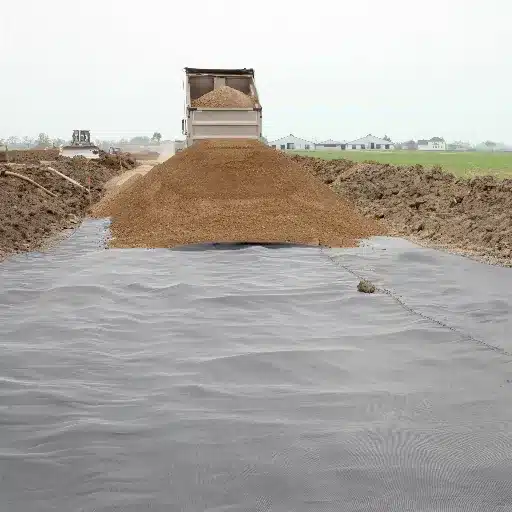
Use of Geotextiles in Construction
Road Construction
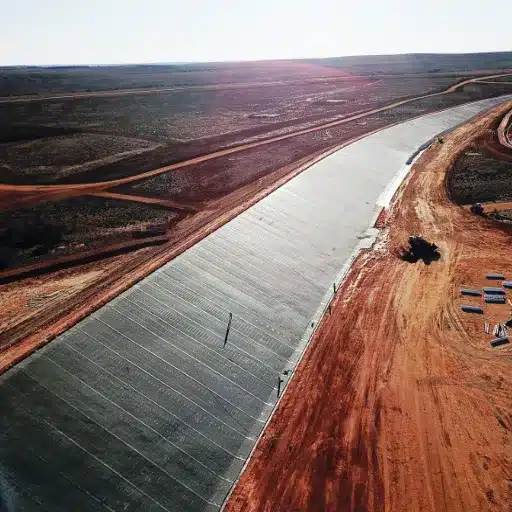
To ensure longer-lasting pavements and prevent the subgrade soil from being disturbed, the application of geotextiles in road construction is a primary method. More basically, one of the non-woven geotextiles most productive uses is as separators when placed between poor soil and aggregates to ensure that heavy traffic will not have any influence on the road structure’s stability. Studies have revealed that in some cases the use of geotextiles adds an additional 50% to the life of a road which in turn, results in lowering the cost of maintenance.
Erosion Control
The second largest usage of geotextiles is in erosion control. The principal application areas of these materials are rivers, coasts, and slopes. The use of anchoring and permeable properties of geotextiles has resulted in the reduction of the amount of soil that gets washed away by water and blown away by wind. The latest statistics show that the use of geotextiles has reduced the incidence of soil erosion in areas prone to erosion by almost 70% compared to areas where geotextiles are not being used.
Drainage Systems
Proper drainage is very important in construction projects to eliminate the risk of water plus the resulting structural damage. Non-woven geotextiles are primarily used as filtration and drainage layers, allowing the water to flow cellular while keeping the soil in place. Engineering studies indicate that through the use of geotextiles, the efficiency of drainage systems may be increased by as much as 30%, thereby, reducing the need for maintenance.
Reinforcement and Soil Stabilization
Geotextiles that are woven are very tough and are hence very commonly used for soil reinforcement in retaining walls, bridge abutments, and foundations. Their inclusion in the layer of soft soil will increase the weight-bearing ability and reduce the problem of settlement. It is thought that the structures which are made of geotextiles are 20-40% stronger than those built without reinforcement.
Geotextiles in Agriculture and Landscaping
For soil management, erosion control, and yield enhancement, geotextiles are increasingly being used in agriculture and landscaping. These materials play a major role in the water cycle by regulating movement, retaining nutrients, and creating the right conditions for plant growth. For instance, woven geotextiles are very efficient in controlling soil erosion caused by rain in sloped areas and maintaining moisture content in the ground and gardens while non-woven geotextiles are the perfect partners for plant growth and weed control in gardens and areas.
One application of geotextiles is in drainage, which modern agricultural practices consider an essential feature. Geotextiles not only manage floods, but they also do so through proper filtration and separation, which will otherwise lead to crop death. Studies indicate that using geotextile drainage systems can improve the efficiency and yield in case of fields by 15-20%. Additionally, landscaping with the aid of geotextiles helps the stabilization of pathways and prevents weeds by blocking light, thus prolonging their growth and making more beds and walls of earth in the garden to be alive.
Benefits of Using Geotextiles
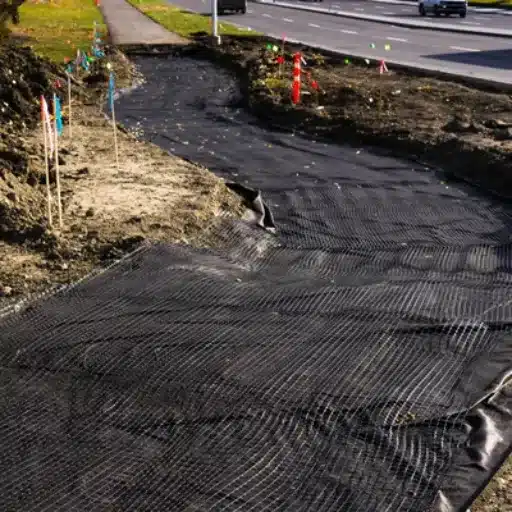
Enhanced Soil Stability with Geotextiles
Soil stability is one of the major benefits reaped from the use of geotextiles in agricultural and landscaping operations. Geotextiles are purposely manufactured to act as a physical barrier that prevents soil erosion by keeping the soil in place and allowing water to permeate at the same time. This is very handy in regions that undergo heavy rainfall or eroded slopes, where the unprotected soil dissolves very easily.
Geotextile solution-equipped lands were reported in some recent studies to have up to 50% less soil erosion. They also give the soil a lot more bearing capacity because the land gets more soil for agricultural and construction activities. The support provided by the soil structure to the plants is such that these materials can not only stabilize the site and eliminate surface runoff, but also assist in the growing of crops. Sediment is one of the major issues that the irrigation and drainage systems have to deal with, and engineers have pointed out that geotextiles can be of great help in this matter by extending the systems’ lifespan.
Economical and Durable
Geotextiles are a smart and eco-friendly choice in agriculture. The up-front costs of geotextile products might at first glance appear to be high, but in reality, their durability and effectiveness over the long term usually offset the costs. Depending on the type of material and the conditions, the life span of the geotextiles can be anywhere between 5 and 25 years, making them a really good choice for farmers since they are not only practical but also sustainable.
In the case of woven geotextiles, on the other hand, the attribute of strength and durability that they have is what makes them particularly suitable for not only soil erosion prevention and heavy load support but also the reduction of maintenance cost. The extent of soil erosion reduction to as high as 65% in areas subjected to heavy rain or wind was reported by Allied Market Research. Additionally, non-woven geotextiles have been associated with increased crop yield due to their moisture retention and drainage properties that help maintain optimum soil moisture levels.
Innovations and Advancements in Geotextile Technology
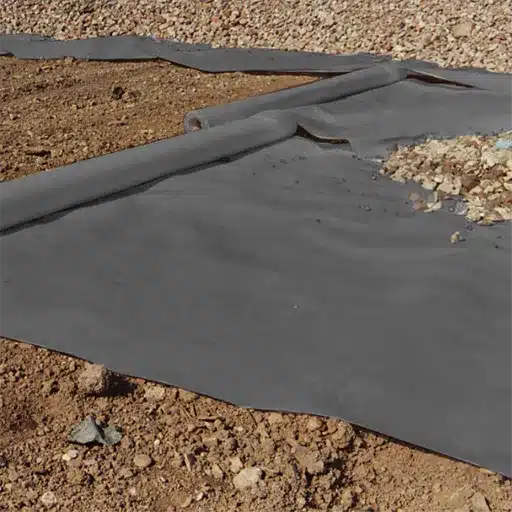
Recent Developments in Geogrid Technology
Over the past few years, geogrid technology has made great strides, owing mostly to the need for infrastructure that is both sustainable and resilient. One such advancement is the use of high-strength, ultralight polymers, such as polypropylene and polyester, in making geogrids. These substances not only make the projects endure over time but also help in cutting down the costs of civil engineering projects that include roads, retaining walls, and railways.
Furthermore, the manufacturers are concentrating on enhancing the geogrid design by means of the latest 3D printing technology. For example, the 3D-printed geogrids enable the designer to customize with accuracy, thus creating a better load distribution and soil stabilization. This technology has resulted in higher performance levels of the geogrids for applications like steep slope reinforcement and base stabilization for heavy-duty highways.
The latest research has also pointed out the significance of geogrids in green infrastructure projects. A case in point is the ability of geogrids to facilitate better drainage of water and prevent soil erosion, which in turn contributes significantly to sustainable flood control systems. As per the industry reports, the combination of geogrids and geotextiles has proven to cut down soil displacement by more than 50% in areas with high erosion rates.
Smart Geotextiles and Their Applications
Smart geotextiles are one of the prominent innovations in the domain of geosynthetics, applying the latest technology to boost performance, augment monitoring, and give real-time impressions in various applications. These ground-breaking materials are outfitted with sensors to detect either the integrity of the structure, the change in the environment or soil conditions, making them indispensable for both critical infrastructure projects and environmental protection activities.
An important use of smart geotextiles is considered to be in the monitoring and controlling of the infrastructure health such as roads, bridges, and railways. By embedding sensors, data on stress, strain, temperature, and moisture levels will be collected by engineers; thus, maintenance will be done proactively and the probability of incurring expensive failures will be diminished. Recent statistics reveal that the market for smart geotextiles is anticipated to expand at a CAGR of more than 10% during the 2023-2032 period, which will be driven by the growing need for construction that is not only eco-friendly but also smart.
Reference Sources
-
UNIT-4 Reinforced Earth
- Key Findings: This study highlights the use of geotextiles in civil engineering, particularly in road construction, drainage systems, and harbor works. It emphasizes the growing importance of geotextiles in modern construction.
- Methodology: The research provides an overview of geotextile applications and their benefits in reinforced earth structures.
- Read the study
-
Geosynthetics–A Sustainable Construction Material
- Key Findings: This paper discusses the sustainable use of geotextiles, including innovations like using recycled materials (e.g., compressed plastic bottles) in geotextile production. It highlights the environmental benefits of such practices.
- Methodology: The study examines case studies from South Africa and Brazil, focusing on the use of recycled materials in geotextile applications.
- Read the study
-
Seeping, Maintaining, Flooding, and Repairing
- Key Findings: This paper explores the role of geotextiles in water management, including their use in flood control and drainage systems.
- Methodology: The research combines practical applications with artistic perspectives, focusing on geotextile use in water-related projects.
- Read the study
Frequently Asked Questions (FAQs)
How to apply geotextile as a landscape fabric for a drain?
For a drain application, you must first choose a geotextile filter cloth or a woven/non-woven geotextile that is suitable for drainage projects like a French drain. The installation of this geotextile consists of placing it on the trench, wrapping a gravel base and perforated pipe around it, and backfilling it which will ensure an effective drainage and filtration system while keeping the soil particles from getting into the system and causing clogging. For hardscape or landscape applications, the proper geotextile, which is often the needle-punched nonwoven or monofilament woven fabrics, is the one that guarantees high water flow, low permeability at the places required, and long-lasting site performance.
Can landscape fabric or weed barrier still work together with drain?
Landscape fabric or weed barrier can be used if you choose a permeable woven or nonwoven fabric that is specifically designed for separation and stabilization. If the barrier is made of polypropylene filaments or needle-punched materials it reduces soil and weed growth but at the same time allows water to pass through to a drain or gravel base. Therefore, do not use the liners that are impermeable and thus stop the water flow; rather, use the filter fabric that provides a balance between soil retention, drainage, and durability.
What is the difference in drainage between woven and non-woven geotextile?
The differences woven and nonwoven geotextiles have to do with the manufacturing process and the end-use performance; woven geotextile is composed of polypropylene filaments interlaced into sturdy fabrics that give the geotextile huge tensile strength and resistance to heavy loads for application in places like parking lots and embankment stabilization, while nonwoven (needle-punched) geotextiles give better filtration and drainage for application in situations like French drains and silt fences.
How do I select the right geotextile for slope stabilization or embankment work?
In choosing the right geotextile for slope stabilization or embankment, go for the very geotextile types that are strong and offer a high load capacity that comes with tensile strength. Woven fabrics or special fabrics with high-strength polypropylene filaments are frequently deployed to reinforce the soil and enhance its load capacity, whereas nonwoven fabrics might be used for surface filtration. Think in terms of the site conditions, expected loads, erosion risk, and whether you need separation, soil retention, or geomembranes for containment to select the most suitable material.
Are geotextile fabrics suitable for separating the gravel base in parking lots and the like?
Yes, there are geotextile fabrics that are suitable for parking lots and gravel base separation. Woven geotextile or heavy-duty nonwoven options prevent subgrade contamination, distribute loads, and maintain the gravel base. Using the correct geotextile increases load capacity, reduces rutting, and improves long-term stability of the parking surface by separating soil particles from the aggregate.