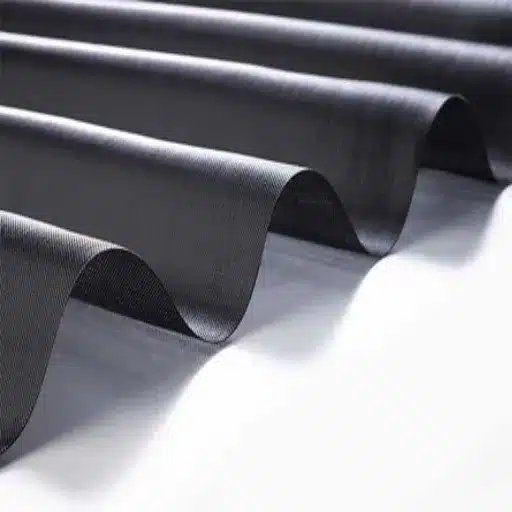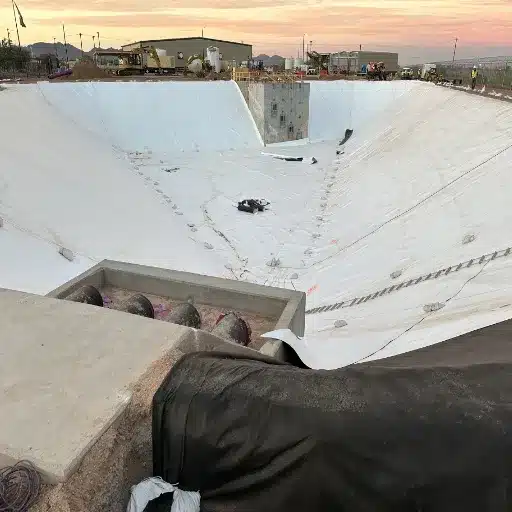
Durable, versatile, and cost-effective—HDPE geomembranes are the unsung heroes of the world’s most crucial infrastructure and environmental protection systems. These high-density polyethylene liners are found in a vast range of applications, from landfill liners to water conservation projects, and they provide unmatched reliability where containment is the key factor. In this article, we will introduce you to the basics of HDPE geomembranes, their advantages as well as their multiple industrial uses. It does not matter if you are a decision-maker in the fields of construction, engineering, or environmental management; this guide will help you to easily justify the use of HDPE geomembranes as the most reliable option in modern containment and sustainability challenges.
Introduction to HDPE Geomembranes
What are HDPE Geomembranes?
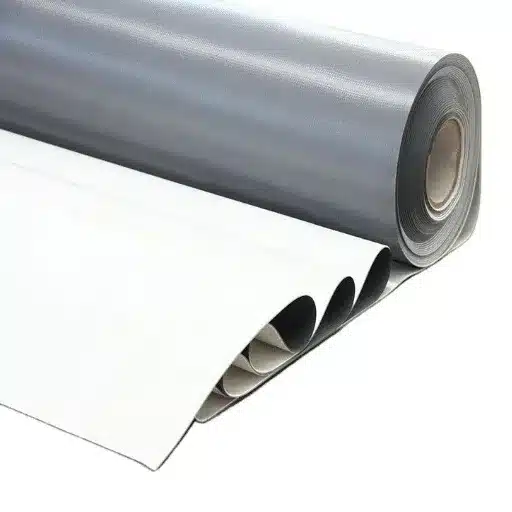
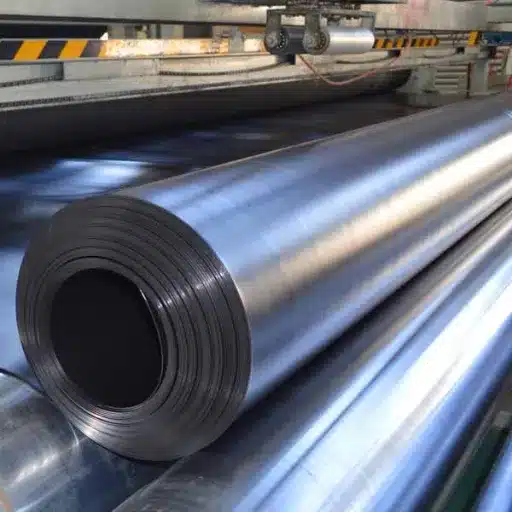
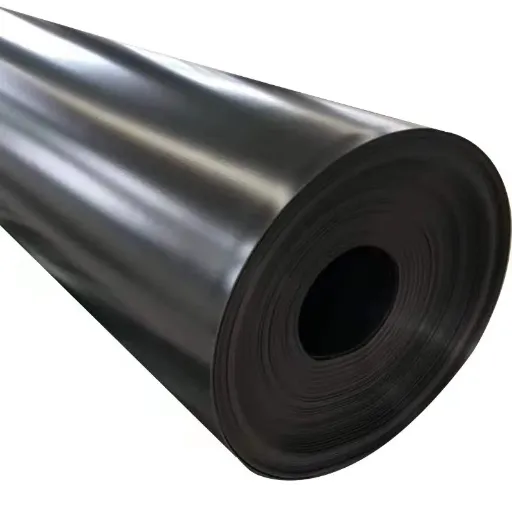
High-Density Polyethylene (HDPE) geomembranes are synthetic liners or barriers constructed from polyethylene resin with excellent impermeability and chemical resistance. These materials are definitely the most trustworthy ones in the industry for containment relating to landfills, wastewater treatment plants, mining, and aquaculture. HDPE geomembranes have the characteristics of toughness and flexibility which indeed enables them to stop the leakage of liquids, gases, or contaminants into the surrounding environment.
One of the major concerns about HDPE membranes is the superior combination of high tensile strength and the fact that the membranes are able to withstand the environmental stressors such as UV rays, very high or very low temperatures, and chemicals. The densities of these materials are roughly 0.93–0.97 g/cm³ while the thickness can range between 0.5 mm to 3.0 mm, depending on the specific application requirements. All these attributes of materials lead to a long operational life, which is usually more than 20 years with good installation and maintenance.
Significance of Geomembranes in Contemporary Engineering
Geomembranes are considered very important in contemporary engineering practices as they provide the impermeable barrier preventing the migration of fluids or gases, which is crucial in environmental, civil and industrial applications. Their role is very obvious in industries like that of waste management, mining, and water resources, where containment and protection are the main factors.
One main area of application for geomembranes is in landfill liners. HDPE geomembranes have been found to have permeability values as low as 1×10⁻¹³ cm/s according to studies, thus, they are very effective in controlling the movement of hazardous leachates and preventing contamination of the groundwater. Similarly, mining activities use geomembranes underneath heaps of ore leaching, and therefore, no more mineral extraction would happen during the process without the surrounding environment receiving the part of the operation that gets polluted by the leakage of toxic chemicals.
Key Properties and Benefits of HDPE Geomembranes

Durability and Chemical Resistance
High-Density Polyethylene (HDPE) geomembranes have always been the most preferred option in mining, waste management, and water containment industries, due to their excellent durability and resistance to chemicals. HDPE geomembranes are purposely manufactured to withstand the extended exposure to UV rays and high temperatures without losing any of the material properties; hence, even the most extreme conditions do not shorten the lifetime of the product. There have been studies showing that in open air the usual lifespan for HDPE geomembranes is 20 to 40 years and up to 100 years when buried.
On the chemical resistance front, the HDPE geomembranes are absolutely certain to block and not let aggressive chemicals and also to easily stand a large spectrum of organic and inorganic solvents. It has been determined through studies that these geomembranes are very resistant to acid-base therefore they can be used as liners for landfills and chemical containment. In addition, they have the capability of blocking the migration of hydrocarbons and other pollutants to a notable extent which is beneficial because it means a decrease in environmental risks. The combination of durability and chemical resistance assures constant reliability and hence the maintenance costs and environmental liabilities in the containment systems are greatly reduced.
Flexibility and Puncture Resistance
One more characteristic of geomembranes is their incredible flexibility and puncture resistance, which leads to their adaptability and also reliability for a broad range of uses. The flexibility of the geomembranes makes it easy to install them on uneven surfaces, thus the geometric limitations such as sharp corners, irregularly shaped land, or complex designs are easily handled. This characteristic is critical in places like construction sites, mining activities, and water containment systems where there is a frequent change in the ground conditions.
When it comes to puncture resistance, modern geomembranes are designed to bear up against mechanical stresses that are at least ten times greater than the ones used in practice. A recent study showed that HDPE geomembranes could only be punctured if the applied force was above 700 newtons (N), with the knee depending on thickness and composition. The high resistance helps to prevent cases of leaks or failures caused by sharp objects, moving ground, and operational wear and tear.
Common Applications of HDPE Geomembranes
Landfill Liners and Covers
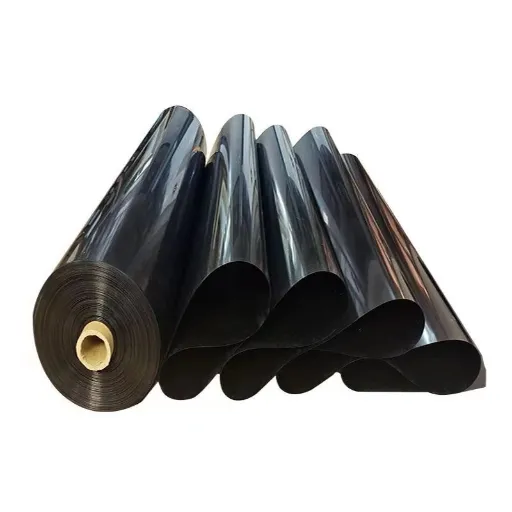
Landfill liners and covers are one of the primary areas of application where HDPE geomembranes show their full worth. These geomembranes, which are installed below and above, respectively, principal layers of the landfill, are extremely important barriers that prevent the surrounding soil and groundwater from getting contaminated with leachate, a liquid that results from waste decomposition. Recent scientific research has proved that the permeability of HDPE geomembranes is incredibly low, often below 1×10⁻¹³ cm/sec, allowing them to hold the waste materials effectively.
Landfill bottom liners intend to completely isolate the waste from the environment while cover systems intentionally aid the process by minimizing water intrusion and hence controlling the moisture content in the refuse. In case they are employed as a cover, HDPE geomembrane can capture and channel the methane, and carbon dioxide, and other gases produced due to the decay of organic matter to the nearest systems and at the same time become part of the gas management process. This not only benefits the environment but also allows for the recovery and use of landfill gas as a renewable energy source.
Water Reservoirs and Containment
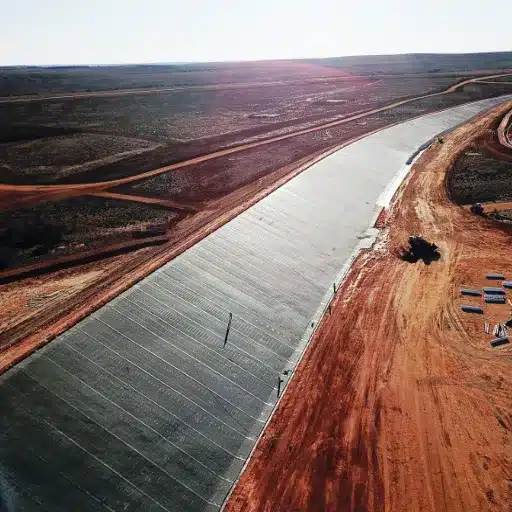
Geosynthetics, especially HDPE geomembranes, are the only solution for the water reservoir even though they are durable, impermeable, and cost-effective. These liners are most extensively used in the industry since they are the main causes of saving water and keeping the quality of water in reservoirs, ponds, and irrigation practices. Furthermore, their UV radiation and chemical degradation resistance make them suitable for long-term use in practically any environment, even under direct sunlight and extreme temperature changes.
Current statistics show that the geomembrane market for water reservoirs worldwide has been rising significantly, and in 2022 no less than 45% of the total market share will be covered by the HDPE material due to its market being the material of choice. The primary driver behind this demand is the global focus on the need for water conservation and management. HDPE geomembranes are capable of bringing down seepage losses by as much as 99%, thus millions of gallons each year are saved, especially in places where rainfall is scant or irrigation is done.
Installation Techniques for HDPE Geomembranes
Preparation of the Site
Proper preparation of the site is a key factor that not only will ensure the success but also the longevity of the HDPE geomembrane installation. A complete site survey is the first action which involves the examination of the soil condition, drainage, and structural stability in detail. The area must be stripped of all rubbish, plants, and other obstructive materials in order to eliminate the risk of the geomembrane being punctured or damaged during the installation. The industry standards mandate the compaction of the subgrade to such an extent that uniformity is reached and the possibility of settling is reduced. It is critical to have a surface that is smooth and graded with no sharp points, as these would ruin the material’s integrity.
Moreover, the geotextile can be placed underneath the geomembrane, which acts as a protective layer against punctures. Slope stabilization in farming areas, which is often a necessity for soil fertilization and drainage facilitation, helps to drain the area. Studies suggest that a soil compaction of 95% is the subgrade which gives the best support for the geomembrane. Such thorough and proper site preparation reduces installation errors tremendously and, as a result, the HDPE geomembrane system life is extended.
Seam Integrity Welding Techniques
Extrusion Welding
This method entails the heating and melting of a plastic rod or bead, which is then used to join the overlapping geomembrane sheets. One of the major advantages of extrusion welding is that it can be used in tight or intricate areas such as corners and patches. However, to get a good result the cleaning and making rough of the seam area so as to get rid of the contaminants and other materials is very crucial. Tests conducted show that the strength of extrusion welds is about 90-95% of the base material’s tensile strength making them suitable for applications without any stress.
Fusion Welding
Also known as dual hot wedge welding, this technique involves a machine that applies heat and pressure, and then the seams between the overlapping geomembrane sheets are formed parallel to each other. The process involves two heated wedges that melt the HDPE and a roller machine that pushes the sheets tightly together. This method is preferred for its high productivity and the great quality of the welds that are produced as well as the extensive coverage of the quality span covered by the welds.
Quality Control
The importance of maintaining the integrity of the seams during installation cannot be overstated. Among the testing methods used for detecting any faults are air channel testing of fusion welds and vacuum box testing of extrusion welds, which are, however, non-destructive testing methods. Furthermore, destructive testing provides confirmation by taking samples from the seams and evaluating them for peel and shear strength. The required tensile and shear strengths for the seam verification are specified by the industry standards, such as ASTM D6392.
Environmental Impact of HDPE Geomembranes
Recycling and Sustainability Considerations
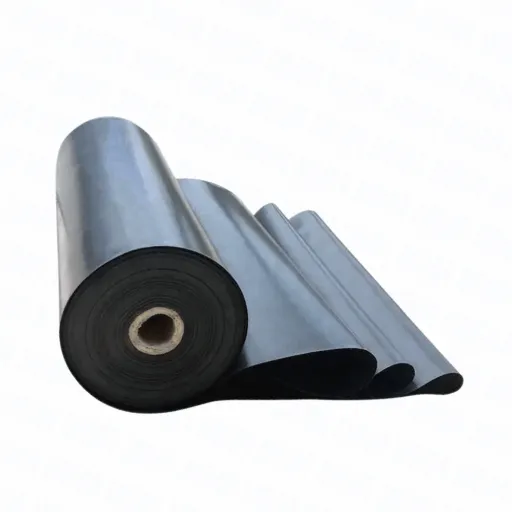
The application of HDPE geomembranes represents an important step towards sustainability and has a great impact in various sectors due to their durability, recyclability, and minimal environmental footprint. High-density polyethylene is a kind of plastic which can be melted and reprocessed multiple times while remaining of the same quality as originally produced. The recycling process of plastics not only reduces the plastic waste accumulation but also contributes to the growth of the circular economy. In the recent past, industry sources have reported that the global percentage of recycled HDPE waste is around 30% to 35%.
The HDPE recycled materials for geomembrane are often to be used manufacturers into the fabrication of new products or secondary applications, and this would help in reducing the demand for virgin plastic resins. Besides, the technological advancements such as co-extrusion and multi-layering have made it possible for the manufacturers to use the recycled HDPE in the inner layers of the geomembranes and keep the outer layer made from virgin materials to guarantee quality and functionality.
Impact on Soil and Water Quality
Recycled HDPE geomembranes are one of the most effective ways the environment can be negatively impacted and the area in which their assistance is greatest is the safeguarding of soil and water quality. The geomembranes offer an impenetrable layer that prevents the flow of toxic substances such as industrial chemicals, hazardous waste, and landfill leachate, to the surroundings. According to a recent report from the US Environmental Protection Agency (EPA), the correct installation and effective usage of high-grade geomembrane liners can lead to the reduction of leachate-related pollution by an astonishing 97% thus safeguarding the groundwater resources significantly.
In addition, the researchers have pointed out that recycled HDPE geomembranes do not only maintain but also strengthen their resistance to chemicals and they are thus guaranteeing their long-term effectiveness even if the environmental factors vary. The data from the field trials indicate that incorporating these materials in the projects has brought down soil contamination by over 85% compared to areas where no such treatment has been applied. This situation makes them indispensable in the sectors of mining, agriculture, and waste management, where containment and pollution control are of utmost concern.
Reference Sources
-
HDPE Geomembranes for Environmental Protection: Two Case Studies
This study evaluates the performance of HDPE geomembranes in environmental protection applications, including degradation and durability.
Read more here -
Durability of HDPE Geomembranes: An Overview
This research provides an overview of the aging process and durability of HDPE geomembranes, including factors influencing their long-term performance.
Read more here -
Long-Term Performance of HDPE Geomembranes as Landfill Liners
This thesis examines the long-term performance of HDPE geomembranes in landfill applications, focusing on their interaction with synthetic leachates.
Read more here
Frequently Asked Questions (FAQs)
What is an HDPE geomembrane and how does the polyethylene geomembrane work?
HDPE geomembrane is a high-density polyethylene membrane, which is a type of plastic used as a waterproofing and impermeable barrier on the ground surface as a lining for the geomembrane. The geomembrane gives containment by stopping water seepage and protecting the liquids and gases from the outside. These are typical applications for HDPE geomembrane in civil engineering and environmental projects sandwiched between landfills, containment ponds, tailings ponds, dams, and secondary containment for hazardous waste sites.
What are the advantages of HDPE geomembrane lining over other polyethylene membranes?
HDPE boasts superior strength and durability, and unmatched resistance to chemical attack, as well as resistance to most chemicals when compared to some other polymer geomembranes. It is normally low cost, durable and trustworthy for large-area applications, and it can endure temperature changes and expansion and contraction better if properly designed. For the projects which require more flexibility, the combinations of HDPE and LLDPE or textured geomembranes might be considered.
What is the difference between textured HDPE geomembrane and smooth membrane and why are textured geomembranes used?
Textured HDPE geomembranes (textured geomembranes) have a coarse surface to heighten the friction and interface strength when they are put on slopes or along with geotextiles. Textured membranes increase stability in containment ponds, tailings ponds, and dam applications and minimize the chance of sliding under load while at the same time providing the same waterproof and chemical-resistant barrier as smooth liners.
Are HDPE geomembranes acceptable in landfills and for solid waste or hazardous waste containment?
Absolutely. HDPE liners are also used in landfills and hazardous waste sites to stop the pollution of soil and groundwater. Geomembrane liners, usually with the combination of geosynthetics and drainage layers, form very efficient systems for waste containment, environmental protection from pollution, and long-term solid waste and leachate management.
Conclusion
HDPE geomembranes continue to be an essential solution for environmental protection and containment challenges across multiple industries. Their proven durability, chemical resistance, and cost-effectiveness make them the preferred choice for engineers and environmental managers worldwide.