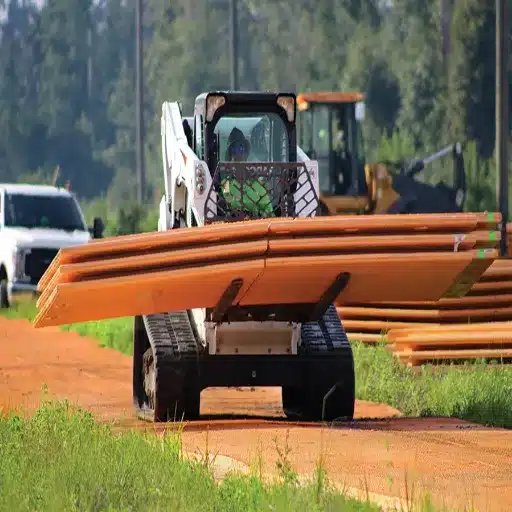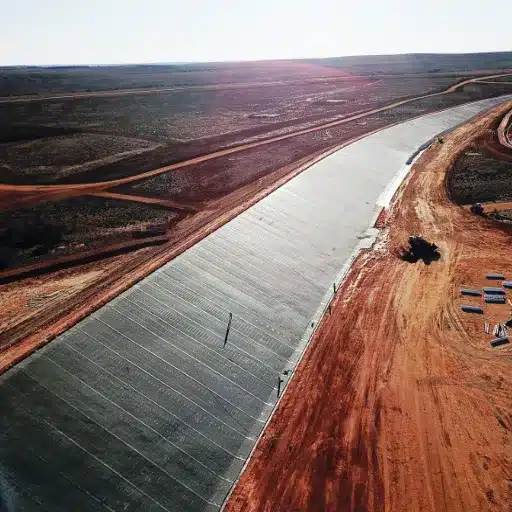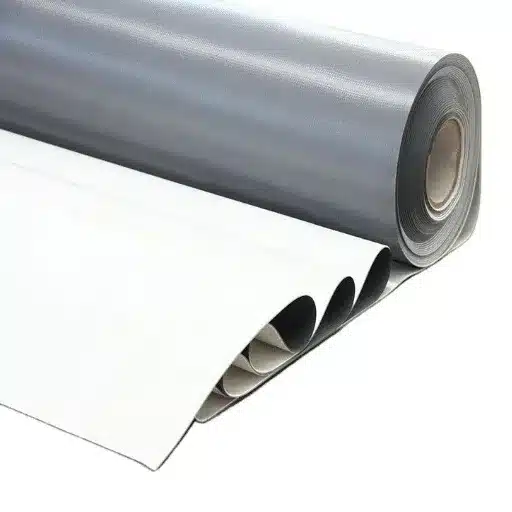
Incredible as it may seem, when talking about construction and environmental projects, the very foundation that is reliable is important beyond measure. Geotextile fabric which refers to a multi-purpose woven material has to be considered as a crucial factor in the durability and stability of different infrastructures. If you are looking for a solution that will not only control and prevent soil erosion, but also improve drainage systems or prolong the life of roads, then getting acquainted with this innovative fabric would be the right thing to do, as it is a cost-effective solution that is customized according to the different needs. In the text below the line, we will discuss the main properties of woven geotextile fabric and show the way it is used as a significant, separate and stabilizing tool in construction and landscaping applications.
Introduction to Geotextile Fabrics
What is a Woven Geotextile?
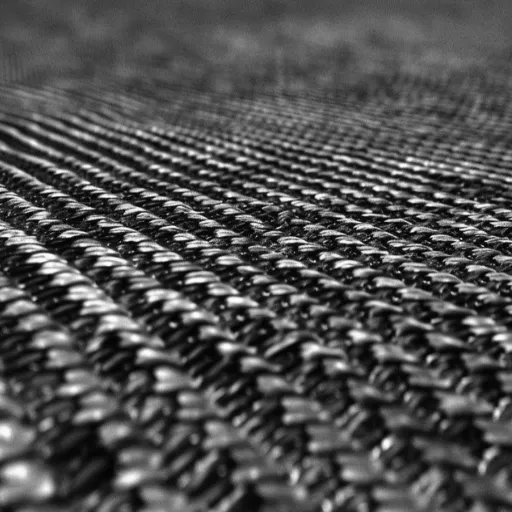
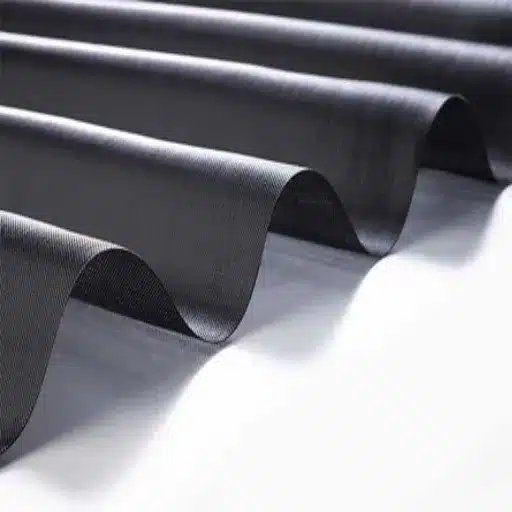
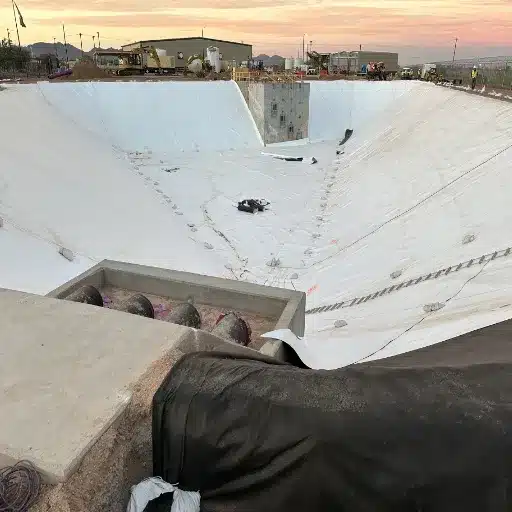
Woven geotextile is a fabric made out of synthetic materials like polypropylene or polyester, and it is very strong and durable fabric that is used for reinforcing, separating, filtering and draining in civil engineering and construction as well as in landscaping. It is manufactured by weaving the filaments together which gives the fabric a high tensile strength and compactness. The very nature of the fabric enables it to carry the load effectively, stops soil erosion, and extends the life of the project through the use of this material.
The latest reports and advances in technology have identified that woven geotextiles are mostly utilized in heavy-duty applications such as road surfaces, embankments, and erosion control systems. In other words, these geotextiles can withstand tensile strengths ranging from 200 to 400 kN/m which makes them ideal for taking care of weak subsoils or soft foundations problems. Furthermore, their elongation properties (normally under 10%) imply that they will not stretch noticeably even during the application of heavy stress.
In constructionImportance of Separation and Stabilization
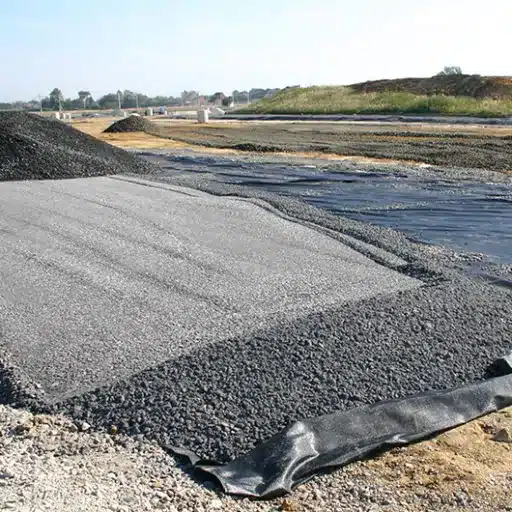
The two most essential functions in the construction industry are separation and stabilization, especially in the projects involving weak or unstable soils. The separation function plays a very important role as it keeps the different soil and aggregate layers apart, thereby preventing the layers from contaminating each other and thus maintaining the construction integrity. On the contrary, the stabilization function boosts the soil’s load-bearing capacity and prevents settlement resulting in the elimination of uneven surfaces.
Recent studies and technological advancements have brought geotextiles to the forefront as a material that can perform these functions very easily and effectively. To be more specific, woven geotextiles prevent fine-grained subsoils from mixing with aggregates, thus acting as a barrier layer and retaining the foundation’s structural integrity. According to the Geosynthetics Society, if geotextiles are employed in road construction not only can the pavement life be extended by up to 50% and maintenance costs significantly reduced over time but also the time between replacements can be extended.
Applications of Woven Separation Geotextiles
Construction Applications of Woven Separation Geotextiles
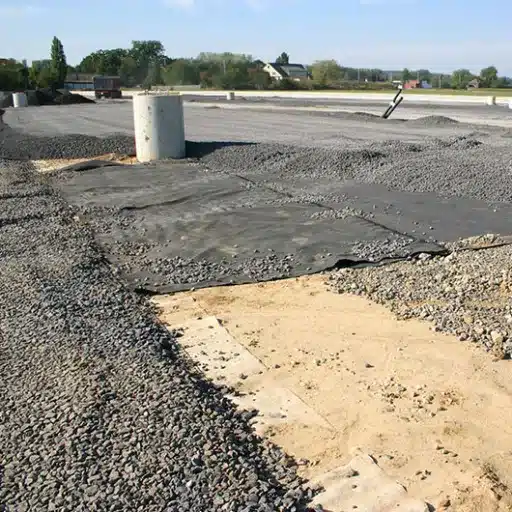
Geotextiles made of woven separation are unavoidable in today’s construction projects and in each one of their applications, they present different top-notch performance standards. The primary method of using them is in building roads where they act as a barrier that prevents the subgrade soil from mixing with the aggregate layers. This separation increases the reliability of the pavement structure which in turn reduces maintenance costs and extends the life of the roads. According to research, the use of geotextiles in road construction could save up to 15-30% of the total project cost over its lifetime due to decreased repairs and enhanced durability.
Besides that, the previously mentioned materials are just as effective for railways as well. They manage to do it through stabilization of the track beds and coping with subgrade deformation from ballast contamination. Therefore, the geotextiles enable smooth rail operations along with longer maintenance intervals making them an economical and reliable choice.
Another major area of application is the foundation construction. The woven geotextiles evenly distribute the loads imposed over the weak or irregular subgrades so that the bearing capacity increases and the settlement does not exceed the predicted amount. This is especially advantageous in the construction of industrial platforms, parking lots, and runways where the demand for structural integrity is very high.
Landscaping and Erosion Control
Woven geotextiles are like a wall in landscaping and erosion control, playing the role of soil support and sediment displacement prevention. Their robust fabric can give the best reinforcement even in areas of the greatest rainfall or steep slopes. At present, it is estimated that around 24 billion tons of fertile soil are eroded every year all over the world, hence the importance of soil management is ever-increasing.
In the case of planting and landscaping, woven geotextiles are frequently used as a divider between soil layers and at the same time providing proper drainage which results in long-lasting plants and high-quality growth. For example, when the geotextiles are placed under gravel paths or artificial turf, they help keep the ground clean and stable without allowing the soil underneath to mix with it. Additionally, the geotextiles can reduce water runoff by facilitating the drainage in a controlled manner, which is very important not only in preventing waterlogging and erosion but also in managing soil fertility.
Benefits of Using Woven Geotextiles
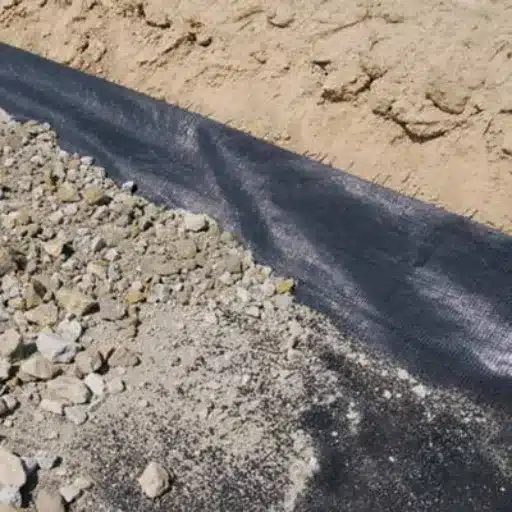
Improved Soil Stability
One of the biggest advantages of woven geotextiles is their role in soil stabilization at different construction and landscaping sites. The high-strength fabrics not only support the soil reinforcement but also prevent any heavy stress to the soil. In the case of an extremely stressed or turbulent soil, research has it that the tensile strength of the soiled area can be raised to the extent of 45% if roads are built with woven geotextiles in their foundation, which in turn greatly lessens the possibility of encountering uneven settlements or subsidence over time.
Another benefit of geotextiles is that they lessen soil movement and erosion by acting as a barrier between the subsoil and the material covering it. The mixing of the materials is a primary factor of the infrastructure failure that occurs on roads and in other projects. Projects reported by highways have shown that woven geotextiles can double the life expectancy of pavements and the long-term maintenance cost can be reduced by about 30%. Moreover, these materials not only fortify the soil but also delay the drainage system’s performance due to being able to filter water effectively, thus hydrostatic pressure accumulations are eliminated.
Enhanced Drainage and Filtration
Woven geotextiles are the unavoidable materials for efficient drainage and filtration systems in numerous civil engineering scenarios. The said materials permit the water to flow rapidly but at the same time they cannot cause erosion and soil particles cannot be moved. The main characteristic of woven geotextiles is that water flows through the fabric but the smallest solid particles are stopped, thus the soil habitat around it is preserved.
A new study has indicated that to convey that woven geotextiles give 40% more drainage capacity compared to the traditional methods hence, waterlogging and hydrostatic pressure forming are lessened considerably. To illustrate, in the road construction, geotextiles are normally used along with aggregates in the layers to maintain stability and cut down moisture retention leading to a 25% reduction in road maintenance costs over ten years.
Recent Advancements in Geotextile Technology
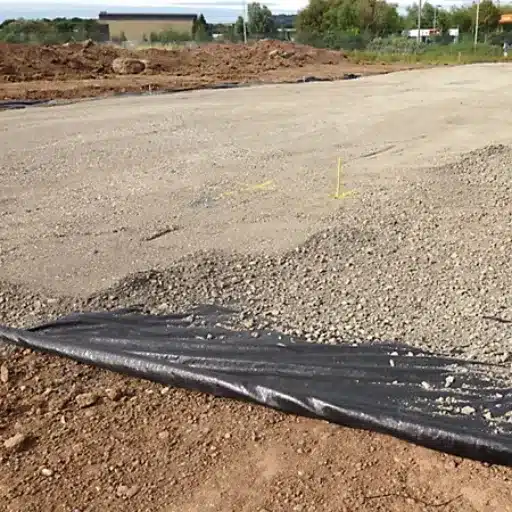
Innovations in Woven Geotextile Fabric
The woven geotextile technology has been evolving continuously, and the recent advancements have not only increased their performance but also their adaptability for various applications. The contemporary woven geotextiles consist of the high-strength synthetic polymers which are polypropylene and polyester. With these polymers, the geotextiles have higher tensile strength and longer life-cycle as well. The engineered fabrics are so powerful that they can withstand extreme loads, therefore, they can be used in heavy-duty infrastructure projects like building highways, stabilizing railways, and protecting coastlines.
One of the greatest advancements is the creation of geotextiles that have been purposely developed with superior filtration and permeability abilities. The fabrics are constructed in such a way that water can quickly go through them but, on the other hand, soil and particles are not able to thus, soil erosion and migration are prevented. To illustrate, scientific studies have indicated that the proficient woven geotextiles keep their permeability rates at the optimum level for an extended period of time thus, ensuring that the drainage systems of both construction and agricultural areas remain operational and effective.
Smart Geotextiles: The Future of Stabilization
Smart geotextiles are revolutionizing the perception and practices of geotechnical engineering due to the fact that they can monitor, adjust and enhance the soil’s weight-bearing capacity. The materials are designed such that they incorporate the sensors and electronic components directly within the geotextile fabrics allowing for the real-time monitoring of various factors such as pressure, moisture levels, and strain. Among the advantages of this feature is the provision of critical information to the engineers concerning the structure’s performance enabling them to intervene before minor issues escalate into major ones.
The latest advancements in this industry hint at a bright future. For instance, a study conducted on the market of smart geotextiles reveals that the global market for these products will expand at a CAGR of more than 18% from 2022 to 2030, being the increasing use of smart geotextiles for infrastructure development and environmental management the major driving factor. One of the fields that will be significantly affected by the smart geotextiles is the detection and reporting of stresses and deformations in smart road systems, which will eventually lead to longer pavement life and reduced costs.
Case Studies and Real-World Examples
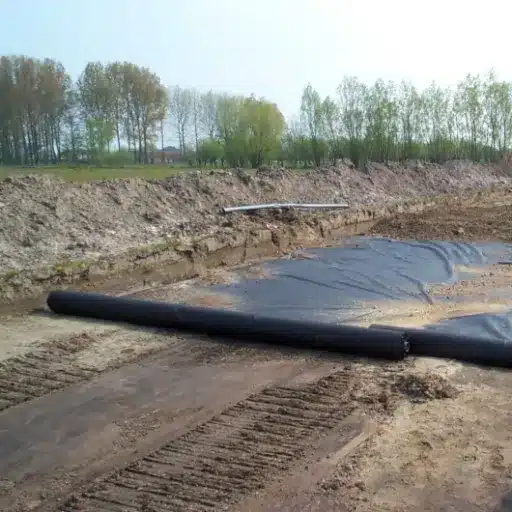
Successful Projects Utilizing Woven Geotextiles
The Bangkok Suvarnabhumi Airport Project (Thailand):
Woven geotextiles were absolutely necessary in the entire runway and taxiway construction process as they were, among other things, the ones to stabilize the soft ground that was prone to settlement. The geotextiles not only assisted in the proper load distribution but also prevented cracking of the subsidence, thus making the airport’s substructure safe for a long time. The engineers claimed that the time taken for construction was reduced by almost 20% and the costs were also cut down by roughly 15%.
The Maccaferri Erosion Control Project (India):
The land at the shoreline was getting quickly washed away, hence this project turned to woven geotextiles as one of the means of strengthening the coastal protection. The geotextile-based revetments and gabions managed to lower the forces of the waves and the sediment movement, therefore, making more than 30 kilometers of the coast alive again. The evaluations done after the project’s end showed a stunning increase of 40% in shoreline stability compared to the old methods.
The A14 Cambridge to Huntingdon Highway Improvement (United Kingdom):
Woven geotextiles were utilized throughout the multi-billion-pound highway renovation to improve the subgrades in the heavily trafficked areas. The geotextiles performed a very significant role in even load distribution and prevention of soil contamination leading to a projected maintenance cost reduction of 25% throughout the life of the road.
Comparative Analysis: Woven vs. Non-Woven Geotextiles
Material Composition and Manufacturing Process
Woven geotextiles consist of plastic fibers interlaced and this renders the fabric incredibly strong and also long-lasting. The application of this method results in a fabric with remarkable tensile strength which is ideal for load support and reinforcement applications. Non-woven geotextiles, however, are made through the bonding of fibers with either heat, chemicals, or mechanically, resulting in a mat-like structure. Non-woven geotextiles are more porous due to their non-woven nature, hence their filtration and drainage are given priority.
Key Applications
Woven geotextiles can work in road construction, supporting retaining walls, and slope stabilization which are the areas of their strong character and long service life. For instance, the service life of the road foundations has been reported to be increased by up to 50% because of the use of woven geotextiles, hence the overall maintenance costs are reduced. Non-woven geotextiles, on the other hand, find their main application in drainage systems, landfill liner protection, and erosion control.
Performance and Longevity
It has been noted that woven geotextiles have an advantage over the non-woven option in so-called high-stress environments. An example of this is a comparative research that validated the tensile strengths of woven geotextiles were from 20 to over 120 kN/m, while non-woven ones’ strengths were at most 4 to 15 kN/m. Conversely, non-woven geotextiles would be the appropriate selection for projects that require permeable material because they can guarantee efficient water flow with filtration rates of up to 80 liters per minute per square meter under normal conditions.
Economic Considerations
Generally, woven geotextiles have a higher initial cost due to their strength and durability but because of their lifespan, the overall lifecycle costs are lower. Non-woven geotextiles have a lower price tag initially and are typically selected for short-term or small-scale projects that do not require heavy investments and where primary concerns are filtration and drainage.
Reference Sources
-
Grand View Research: This report highlights the geotextiles market, valued at USD 7.10 billion in 2022, and projects a compound annual growth rate (CAGR) of 6.6% from 2023 to 2030. It provides insights into the applications and growth of woven geotextiles. Source link
-
Data Bridge Market Research: This source discusses the geotextile market, valued at USD 8.58 billion in 2024, and expected to reach USD 19.84 billion by 2032, growing at a CAGR of 11.05%. It includes trends and applications of woven geotextiles. Source link
-
Infinity Market Research: This report focuses on the woven geotextile fabric market, projected to grow from USD 1.55 billion in 2025 to USD 2.18 billion by 2031, with a significant CAGR. It provides specific insights into woven geotextile applications. Source link
Frequently Asked Questions (FAQs)
What is a woven separation geotextile and how does it save time and money in stabilization applications?
A woven separation geotextile is a breathable fabric that consists of polypropylene or polyester yarns woven together in a stable sheet; it is generally applied to segregate subgrade soils from aggregates, thus preventing mingling and maintaining rule of structural work. By keeping aggregate clean and performing minor repairs only, it saves both time and money during the build and the operational period of the project of driveways, roadways, and other ground stabilization applications.
How does a slit film woven geotextile differ from other textile types in specification and performance?
Slit film woven geotextiles are made using extruded polymer tapes (slit film) and then woven into rolls, thus giving them high tensile strength, low elongation, and controlled water flow characteristics. For slit film weaves, specifications often demand where dimensional stability and resistance to rutting under heavy loads are required; they present superior separation and stabilization in comparison to nonwoven needle-punched alternatives for many applications.
What specifications should I look for when selecting a roll of skaps woven geotextile for unpaved roads?
Choose a roll having the right amount of tensile strength, puncture, and tear resistances, and permittivity corresponding to the high water flow and drainage requirements of the project. For unpaved roads, consult the manufacturer specifications for permissible loads, elongation, and suggested overlap; make sure that the geotextile is rated for heavy loads and is designed to do so without traffic-induced mingling and rutting.
How does woven geotextile handle the flow of water and high water flow in drainage applications?
Woven geotextiles, which are permeable, allow the water flow but prevent soil particles from washing away, their slit film construction is usually the one to provide high in-plane transmissivity and correctly specified it can also perform well in high flow applications. Woven fabrics properly selected act as a draining filter and separation layer and interact through filtration and permeability for stabilization and separation purposes.