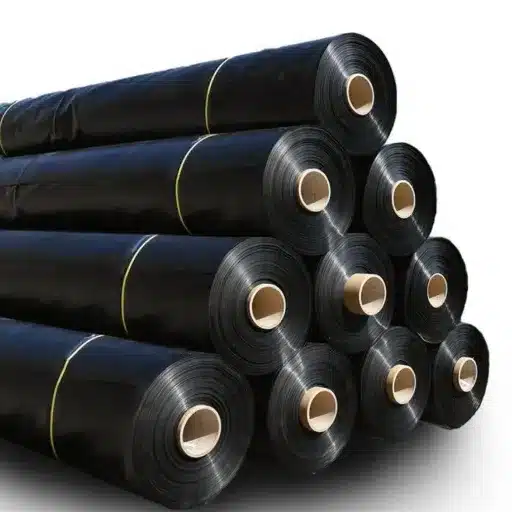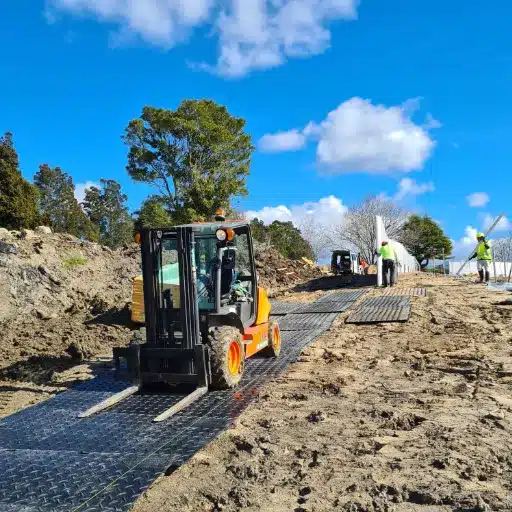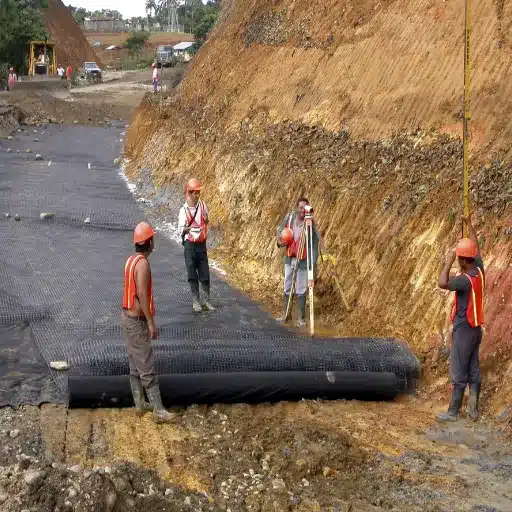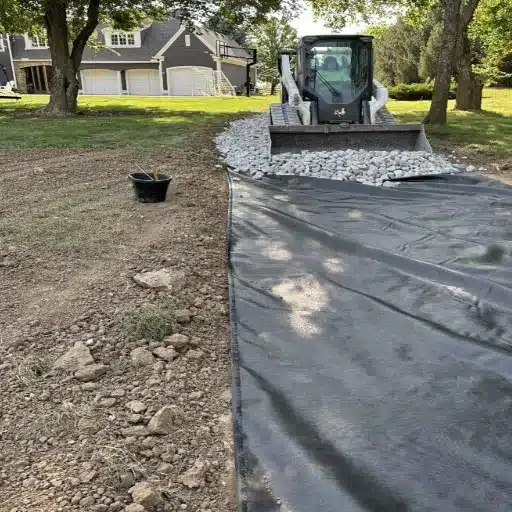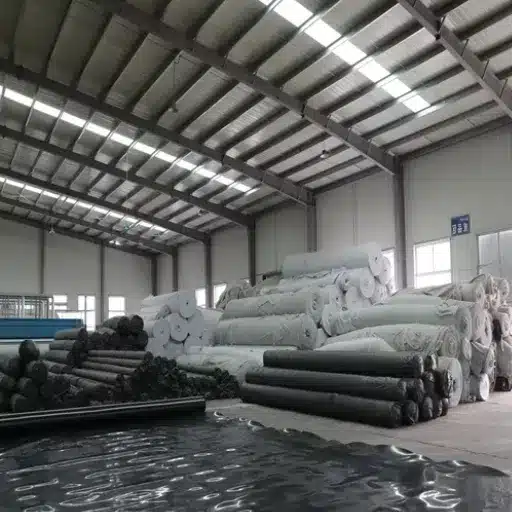
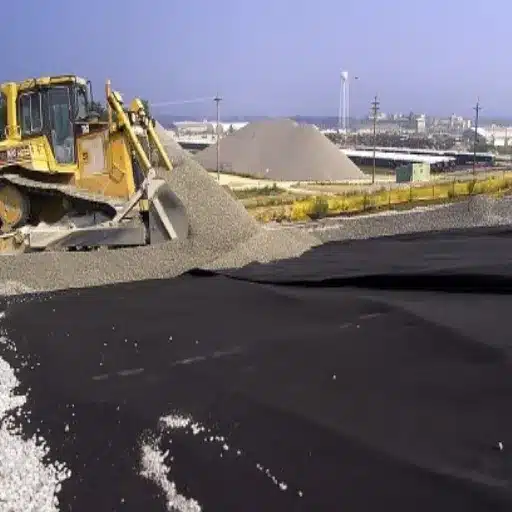
The essential elements that separate woven geotextiles from nonwoven geotextiles require study because they affect construction and engineering project decisions. The new materials provide essential functions for drainage systems and filtration processes, and separation tasks, which enable them to maintain structural stability while improving performance under harsh conditions. You must evaluate your specific requirements to find the most suitable option for your situation. The blog presents an analysis of specific characteristics, use cases, and advantages of woven and nonwoven geotextiles, which help you select the right material for your upcoming project. The guide will prepare you to handle all challenges that arise during soil erosion control, drainage system enhancement, and infrastructure development projects.
Woven Geotextiles Explained
Manufacturing Process of Woven Geotextiles
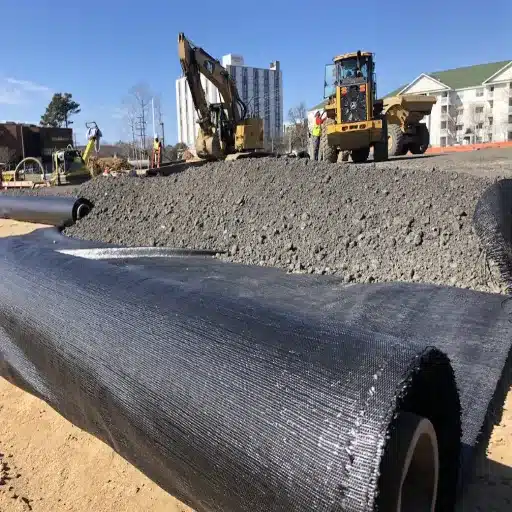
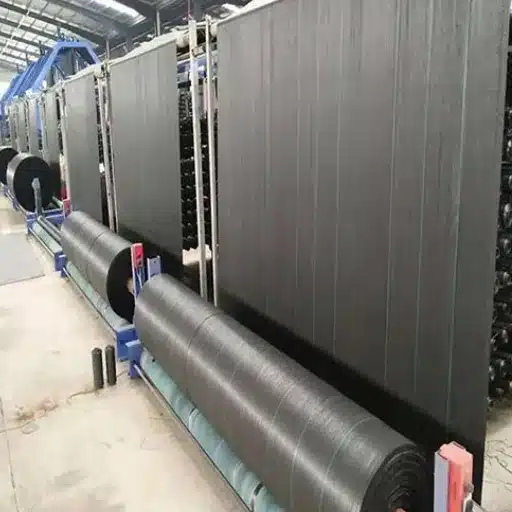
Woven geotextiles are created through the weaving process, which uses synthetic polypropylene and polyester fibers to form a specific pattern. The process employs mechanical looms to achieve exacting standards, which produce materials that maintain uniform strength and durability. The geotextile produced through this weaving technique exhibits high tensile strength, which makes it suitable for uses that require permanent reinforcement and strong weight-bearing capabilities.
Recent industry reports show that manufacturing technology improvements now allow companies to create woven geotextiles that offer better UV protection and longer product times, necessary for projects that face extreme weather conditions. The product’s weight typically ranges from 150 to 400 grams per square meter, depending on its intended application, whether it’s for road stabilization, separation, or erosion control. Research shows that woven geotextiles decrease base aggregate needs by up to 40%, which results in significant financial benefits for infrastructure development projects. The systems demonstrate their operational efficiency, which serves engineering needs through their use as essential engineering tools and their function as budget-friendly options in contemporary engineering work.
Material Properties of Woven Geotextiles
The manufacturing process for woven geotextiles uses synthetic polymers, which involve weaving polypropylene or polyester materials to create products with exceptional tensile strength and durability. The geotextiles demonstrate load-bearing capacity, which enables them to perform under extreme weather conditions, making them essential for use in geotechnical engineering projects.
Woven geotextiles demonstrate tensile strengths that range from 15 kN/m to more than 100 kN/m according to current industry standards based on product classification and application requirements. The tightly woven structure of these fabrics creates low permeability, which helps them function as a separation layer that preserves soil stability. The field applications demonstrate their UV resistance because various types maintain their performance ability during extended periods of sunlight contact. Advanced coating technologies enable products to achieve service life extensions of up to 20 years when they face outdoor exposure conditions.
Engineers have developed sustainability-focused innovations for woven geotextiles through recent research and development work. The manufacturers use recycled polymers in their products, which helps them reduce their environmental impact while delivering high-performance results. The combination of cost-effective advantages and substantial aggregate base layer reductions that woven geotextiles provide enables these materials to generate both economic and environmental advantages throughout infrastructure projects.
Benefits of Using Woven Geotextiles
Woven geotextiles deliver multiple advantages to both construction projects and engineering operations. Their primary benefit comes from their strength, which enables them to endure the most challenging environmental conditions that exist in high-load areas and heavy-traffic zones. Researchers have found that infrastructure projects that use woven geotextiles can achieve longer service life because these materials decrease damage to their base foundations. Geotextiles prove effective in reducing road construction rutting by 60%, which subsequently enhances road durability.
Construction projects that use woven geotextiles can achieve cost savings in two ways. Construction projects that use woven geotextiles can decrease their requirements for thick aggregate base materials, which leads to material cost reductions between 30% and 50%. The textiles enhance soil drainage systems while they decrease water retention rates and stop erosion. Recent reports show that their popularity in sustainable construction continues to increase. Manufacturers can now produce woven geotextiles that contain 90% recycled materials because recycled polymer technology has undergone advancements, which resulted in reduced carbon emissions during production.
Woven geotextiles provide various advantages that enhance building structures while supporting current environmental protection and cost-effectiveness goals. The ongoing use of this technology will create new developments that will decrease environmental effects throughout future infrastructure systems.
Nonwoven Geotextiles Explained
Manufacturing Process of Nonwoven Geotextiles
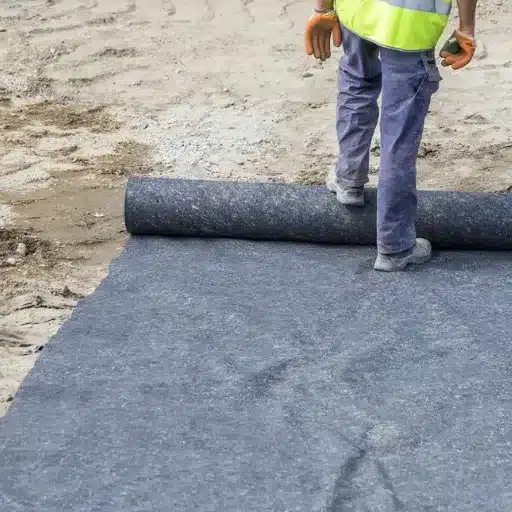
Nonwoven geotextiles are produced through multiple manufacturing methods, which include needle-punching, heat-bonding, and chemical bonding. The needle-punching method creates fiber entanglement by using barbed needles to make the fibers intertwine with each other. The heat-bonding process binds fibers together through heat application, which results in a unified structure. Chemical bonding uses adhesive materials to fasten the fibers together.
Recent industry data shows that nonwoven geotextiles represent a major part of the geotextile market because they offer flexible applications at an affordable price. Nonwoven geotextiles account for approximately 60 percent of the worldwide geotextile market demand, which reaches its highest point in the Asia-Pacific region because of infrastructure development throughout China and India. The production of nonwoven geotextiles uses polypropylene and polyester materials, which exhibit tensile strengths that range from 15 kN/m to 50 kN/m depending on their intended use. The materials exhibit high permeability and effective filtration capabilities, while their UV-resistant properties make them appropriate for drainage systems, erosion control and soil stabilization applications in civil engineering work.
Nonwoven geotextiles serve vital functions in major infrastructure projects through their durable and efficient operational capabilities. According to recent research findings, modern production techniques now use recycled materials in their manufacturing processes, which results in environmental protection and reduced production costs. Nonwoven geotextiles become the main material choice for various applications because they provide both high performance and environmentally friendly characteristics.
Material Properties of Nonwoven Geotextiles
Nonwoven geotextiles function as engineered fabrics that deliver high permeability, tensile strength, and durability for multiple construction and environmental applications. The materials of this composition use polypropylene and polyester fibers, which manufacturers bond through mechanical bonding, chemical bonding, and thermal bonding processes. The current data shows that nonwoven geotextiles exhibit tensile strength values that range from 5 kN/m to 25 kN/m according to the specific grade and application requirements.
The primary function of nonwoven geotextiles involves their ability to filter and drain water. The materials achieve their filtration efficiency, which exceeds 90%, because they can separate soil particles from water while allowing water to continue flowing. Some geotextiles possess puncture resistance capabilities that enable them to endure forces that exceed 2 kN, thus increasing their strength when faced with challenging situations.
The materials maintain their long-term performance because they resist both ultraviolet radiation and chemical degradation, which protects them from harsh chemical exposure and extended sunlight contact. Modern production methods that incorporate recycled materials enable some nonwoven geotextiles to achieve a 30% reduction in carbon footprint, which matches the goals of sustainable development according to current manufacturing practices. The ongoing development of nonwoven geotextiles proves their worth as engineering solutions that modern engineers create.
Benefits of Using Nonwoven Geotextiles
The engineering and construction projects benefit from multiple advantages that nonwoven geotextiles provide. Their primary advantage exists in their ability to perform essential functions such as separation and filtration, drainage, and reinforcement. The materials function as essential components for road construction and retaining walls, and drainage systems because their permeability enables fluid movement while blocking soil particle escape.
The studies show that nonwoven geotextiles used as stabilizing layers can extend roadway life spans by 50 percent. The materials enable better load distribution while stopping soil mixing, which results in lower maintenance expenses during the entire time of usage. The research demonstrated that nonwoven geotextiles achieved 40 percent higher filtration efficiency than woven geotextiles when tested in highly saturated soils, which maintained effective drainage in waterlogged regions.
Manufacturers are now producing their products using recycled materials because they want to achieve environmental benefits. The research shows that recycled nonwoven geotextiles have decreased greenhouse gas emissions by 25 percent to 30 percent, which supports global climate change mitigation efforts. The materials maintain their durability for several decades because they can withstand harsh conditions that include UV radiation and chemical contamination.
Nonwoven geotextiles function as essential components for contemporary infrastructure development because they provide operational capabilities, budget-friendly solutions, and environmental protection. The construction process needs sustainable methods, which the materials demonstrate through their ability to solve complicated construction problems.
Comparative Analysis: Woven vs. Nonwoven Geotextiles
Tensile Strength Comparison
The testing process for tensile strength between woven and nonwoven geotextiles shows distinct results, which determine their best usage scenarios. Woven geotextiles are created through the interweaving of synthetic fibers to produce a material that combines strength with high tensile strength capacity. The material demonstrates a tensile strength range between 200 and 400 kN/m which makes it suitable for load distribution and reinforcement applications that include high-traffic roadways and heavy loading zones.
Nonwoven geotextiles are produced through a process that bonds synthetic fibers together using both mechanical and thermal techniques. The materials usually show lower tensile strength, which falls between 50 and 150 kN/m, but they maintain sufficient strength for drainage and filtration and separation functions. The material displays a softer texture, which enables better adaptability to projects that require water flow management through drainage systems and soil erosion control methods.
Recent data, which provides clear evidence, shows that woven geotextiles maintain better long-lasting strength when they undergo heavy mechanical stress compared to nonwoven geotextiles. Nonwoven geotextiles achieve superior filtration performance because their larger pore dimensions enable them to reach filtration efficiencies as high as 90% according to their fiber density.
The process of selecting the right geotextile type needs to follow project requirements because it establishes the most pertinent factors to consider. Project evaluation, which follows accurate procedures together with data-based decision-making processes, leads to the best operational performance and extended lifespan of infrastructure systems.
Permeability and Drainage Performance
The performance of geotextiles in infrastructure projects depends on two essential factors, which include permeability and drainage capacity. Woven geotextiles display reduced permeability because their tighter weave structure prevents water from moving through the fabric. The nonwoven geotextiles provide better water drainage because their fibers are arranged in a random pattern, which improves their ability to transmit water. The system design operates effectively under heavy rainfall conditions because it requires immediate water extraction combined with efficient soil filtration, which makes it suitable for retaining walls, roadways, and drainage systems.
The recent research shows that nonwoven geotextiles can achieve their permeability rates between 0.1 and 0.5 cm/sec based on their fiber density and thickness, while woven geotextiles show a lower permeability range between 0.01 and 0.1 cm/sec because their compact design limits water flow. The introduction of new manufacturing techniques has produced hybrid geotextiles that combine woven and nonwoven geotextile properties to create materials that achieve optimal strength and drainage efficiency. The new technologies develop better performance capabilities that function effectively in multiple environmental conditions.
The process of selecting appropriate geotextiles starts with understanding permeability ratings and matching geotextile types to specific site drainage requirements, which enables proper water flow control that prevents soil erosion, clogging, and structural damage.
Puncture Resistance and Durability
The operational performance of geotextiles in high-stress environments depends on their ability to resist punctures, which defines their operational capacity. Manufacturers today produce modern geotextiles through their use of reinforced polymer blends and advanced coating technologies, which they implement throughout their production process. Recent research shows that these technologies enable a maximum of 30% improvement in tear resistance, which protects against sharp objects, heavy loads, and mechanical stresses.
The selection of materials according to their environmental durability and their capacity to endure ultraviolet radiation, temperature variations, and chemical substances determines product durability. The UV-resistant geotextiles now have extended lifespans because manufacturers have developed geotextiles with UV-resistant additives that protect against direct sunlight during outdoor use. The heat-bonded nonwoven geotextiles demonstrate outstanding performance abilities, which allow their application in engineering projects that require extended operational time.
The testing standards ASTM D4833 and ASTM D4355 establish rigorous testing procedures that demonstrate that geotextiles meet the essential performance requirements needed for contemporary construction projects. Geotechnical engineering projects achieve sustainable environmental solutions together with cost-effective results through the combination of durable materials and particular design elements.
Applications of Woven Geotextiles
Soil Stabilization Techniques
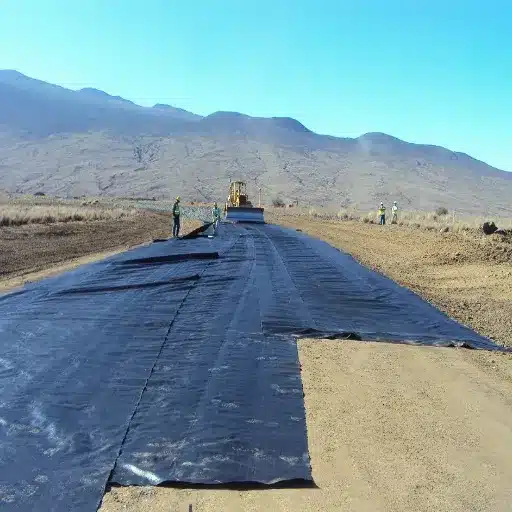
The first sentence states that woven geotextiles’ essential function in soil stabilization is through their ability to deliver better support while stopping soil erosion in multiple uses. The fabrics have been designed to achieve high tensile strength, which enables them to support weak subgrades through effective load distribution. A study from the University of Michigan shows that properly installed woven geotextiles increase load capacity by 50%, which results in longer service life for infrastructure projects like roads and retaining walls.
Woven geotextiles function as effective solutions for construction work that occurs in regions that contain loose or sandy soil conditions. The materials achieve permeability rates that enable drainage systems to function while maintaining soil stability because of their structural design. The combination of these fabrics with suitable aggregate materials results in improved soil stabilization according to field testing that compared construction methods, which reduced sediment loss by 30% compared to standard techniques.
Modern production technology has enabled manufacturers to create woven geotextiles that meet current standards for UV protection and exceptional durability. The materials create budget-friendly and environmentally friendly methods to solve soil problems that civil engineering projects encounter through their natural characteristics and their design for specific sites.
Erosion Control Measures
The current day erosion control methods develop new techniques that use modern materials and technological advancements to achieve complete soil erosion protection. The worldwide geotextiles market will grow at 11.6% annual rate from 2023 until 2030 because there exists a rising need for environmental protection and ongoing infrastructure development efforts. Erosion control systems implement geotextiles across multiple purposes, which support slope stabilization, road construction, and coastal area defense.
Biodegradable erosion control blankets have become popular in areas that protect delicate natural environments. The blankets that people use to create better ground cover contain coir, straw, and jute materials, which decompose over time while letting plants grow. Research shows that using these blankets on steep slopes prevents soil erosion by 70% because they provide better protection than untreated areas.
Silt fences paired with geogrids as an innovative sediment retention system show excellent performance according to research results. The field tests show that high-performance sediment fences capture 98% of sediment from runoff, which surpasses the effectiveness of typical fence designs. Engineers can develop erosion control systems that function at maximum effectiveness for minimum cost because of technological progress and precise modeling technology.
The research demonstrates that advanced environmental protection methods, which use reliable data analysis, should receive funding because they protect ecosystems and infrastructure for extended periods.
Subsurface Drainage Systems
The primary purpose of subsurface drainage systems is to manage excessive underground water, which leads to waterlogging and maintains soil stability. The system operates by using its perforated pipes, which work with gravel layers and its constructed slopes to transport water until it reaches discharge locations that safeguard agricultural fields and construction sites from harm.
Subsurface drainage systems demonstrate their success through current research findings, which show they increase crop yield while reducing soil erosion. The 2023 study established that agricultural fields with operational subsurface drainage systems achieve up to 30 percent higher productivity compared to fields that lack efficient water management systems. The systems effectively minimize water pollution because they detain both sediments and pollutants before these substances reach natural water bodies. Farmers can track their soil moisture levels through current technology, which uses sensor systems and smart monitoring tools to help them manage their water resources and conduct accurate agricultural practices.
Urban infrastructure subsurface drainage systems provide two major advantages through hydrostatic pressure treatment by sealing building structures against destruction, while boosting the operational lifespan of roads, foundations, and retaining walls. The 2022 research study on urban drainage systems demonstrated that advanced geotextile materials used in subsurface drainage systems resulted in almost 20 percent maintenance cost savings throughout a decade of operation.
Subsurface drainage systems serve an essential function in rural and urban environments through their sustainable water management solutions, which also protect natural ecosystems.
Applications of Nonwoven Geotextiles
Filtration in Civil Applications
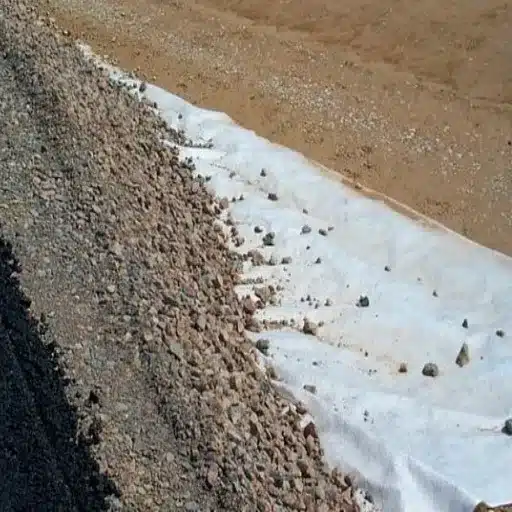
Civil engineering projects make extensive use of nonwoven geotextiles because these materials provide better filtration capabilities. The materials allow water to pass through while preventing soil particles from moving, which creates effective drainage systems that remain open. Current studies demonstrate that nonwoven geotextiles achieve superior filtration results through their ability to maintain more than 95% permeability during laboratory assessments. The 2023 study on road construction projects demonstrated that nonwoven geotextiles used as filtration layers decreased sediment buildup by 30% when compared to other materials, which resulted in better project performance throughout its duration.
Geotextile manufacturing now uses polymer blends, which provide enhanced tensile strength and durability to produce materials that work well in high-stress applications, which include retaining walls and highway foundations. The geotextile market, which currently stands at $15 billion, will experience strong growth until 2025 because of rising demand for nonwoven fabrics required in infrastructure development projects. The new technological innovations enable the development of engineering solutions that achieve both environmental sustainability and cost-effective performance throughout all global locations.
Separation in Aggregate Layers
Geotextiles function as vital elements for infrastructure construction because they establish a distance between aggregate materials, which boosts project efficiency and project lifespan. The primary purpose of their separation function is to stop different soil types and aggregates from mixing together because this mixing will weaken the structural strength of roads, railways and other construction foundations. Geotextiles create a protective barrier that stops fine-grained subgrade soil from contacting coarse aggregates, thus maintaining the structural strength of both materials while reducing their erosion and deformation over time.
Current statistics demonstrate that geotextile usage in road construction has experienced a substantial increase. The geotextile market will grow at a compound annual growth rate (CAGR) of over 10.3% from 2022 to 2030, according to a report by Market Research Future. The use of these fabrics decreases maintenance expenses by 30% because they protect the base layer from damage, which results in major budgetary advantages for extensive infrastructure development projects.
Nonwoven geotextile technology development has achieved two major objectives because it enables greater drainage capacity and enhanced water flow management while maintaining high tensile strength. This system allows water to flow through it without creating any risk for the structural integrity of aggregate materials during heavy rainfall or flood events. The current demand for infrastructure development drives increasing adoption of geotextiles in environmental engineering because of recent technological advancements in this area.
Use in Pavement Construction
The essential function of geotextiles in street construction work is that they enhance pavement performance while extending road service life. The latest research shows that using nonwoven geotextiles in pavement construction will decrease cracking by 50%, which results in a significant reduction of future maintenance expenses. The materials function as a separator, which stops subgrade soil and aggregate layer intermixing that would compromise road strength. The system has better handling capacity because it decreases pressure on the soil materials.
The global geotextile market data shows high demand growth, which will increase the market size through a compound annual growth rate of 6.7% from 2021 until 2028. The increase in demand comes from the needs of infrastructure development projects, especially in developing areas that experience fast road network growth. The development of material technologies has strengthened geotextile resistance against both UV degradation and chemical damage, which establishes them as a dependable solution for maintaining pavement stability throughout extended periods.
Reference Sources
-
Ken Research – USA Geotextiles Market Report
- This report provides insights into the applications of woven geotextiles, particularly in road construction and embankments, due to their high strength and durability. It also highlights the role of government regulations and infrastructure projects in driving demand for woven geotextiles.
- Source URL
-
Ken Research – Global Geotextile Market Report
- This global market analysis discusses the segmentation of geotextiles, including woven types, and their applications in construction, agriculture, and environmental protection. It emphasizes the importance of woven geotextiles in soil stabilization and reinforcement.
- Source URL
Frequently Asked Questions (FAQs)
What is the primary difference between woven and nonwoven geotextiles?
The main difference between the two products results from their manufacturing processes and their designated uses. Woven geotextiles are created through the process of weaving synthetic fibers into a standard pattern, which produces a material with high strength and enduring properties. The product to which you refer has been identified for its remarkable strength because this attribute enables the product to provide exceptional performance in soil stabilization and separation tasks. Nonwoven geotextiles consist of randomly oriented fibers that manufacturers bond together through heat or chemical binding methods. Nonwoven geotextiles serve as effective materials for drainage and filtration purposes because of their ability to allow water to pass through their porous structure.
Which type of geotextile is better for drainage applications?
Nonwoven geotextiles deliver better drainage performance than other materials because they can handle high water flow rates while preventing soil particles from entering the drainage system. The random fiber structure of the material enables efficient filtration, which makes it suitable for controlling subsurface water and enhancing drainage system performance.
When should I use woven geotextiles over nonwoven geotextiles?
Woven geotextiles become the optimal choice for applications that require both strength and separation capabilities. The material serves a vital function in road construction because it provides essential soil stabilization needed to build a strong and durable base. Engineers use woven geotextiles for pavement and railroad projects and high-traffic areas because the material can withstand heavy loads without breaking, and it provides soil separation and reinforcement.
Are nonwoven geotextiles effective for filtration purposes?
Yes, nonwoven geotextiles prove to be effective materials that function as effective filters. The porous structure of needle-punched materials enables them to capture tiny soil particles while permitting unrestricted water flow, which makes them suitable for projects that require efficient filtration in retaining walls and drainage trenches, and erosion control systems.
How do geotextiles support separation in infrastructure projects?
Geotextiles, which include both woven and nonwoven types, create essential separation between soil and aggregate layers that prevents these materials from mixing together. The implementation of a geotextile layer in road construction plays a vital role in safeguarding base material strength because it keeps base materials away from subgrade components. The separation between road materials increases roadway durability, which results in reduced maintenance expenses during the entire roadway lifespan.
Can material technology advancements improve geotextile performance?
The answer to this question is affirmative. The development of new material technologies has produced significant enhancements to geotextile performance through improved durability. Modern fabrics show better protection against UV degradation and high-temperature conditions, and chemical exposure. The new technologies will make geotextiles more dependable because they will keep their drainage, filtration, and separation functions for extended periods.