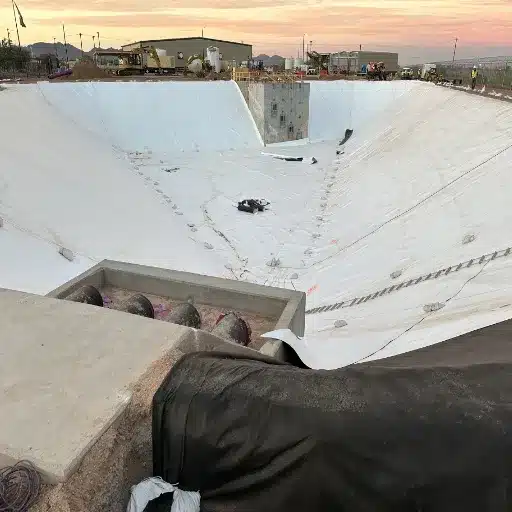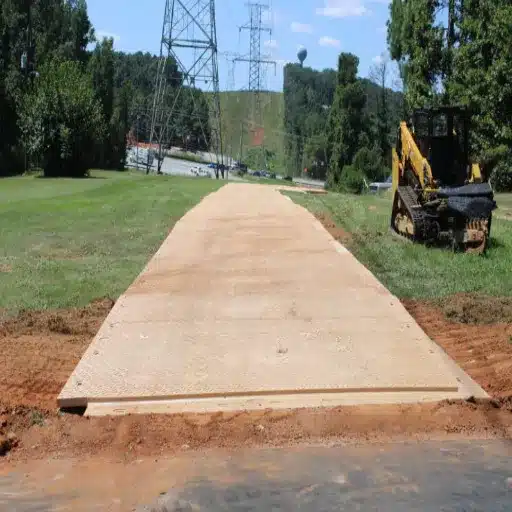
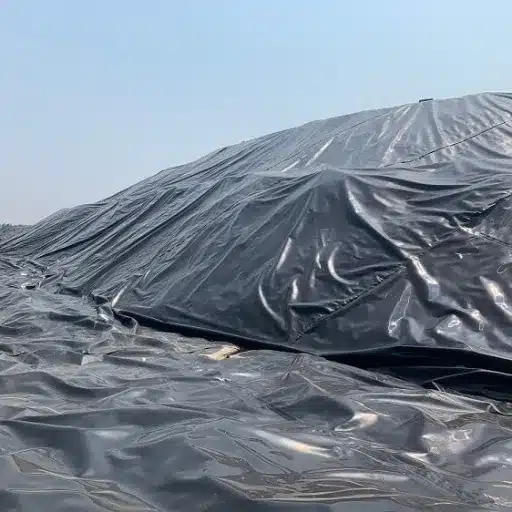
Geomembrane liners are used in different industries but their major role is to prevent leakage as a barrier for which they stay reliable. Wrinkling is one of the challenges that have always been and still are the biggest threats to their workings. Although it might not sound like a big issue, wrinkles can still be a very serious problem when it comes to the structural aspects and function of the liner, as they will lead to the liner’s integrity and lifespan. The article investigates what causes geomembrane wrinkles, what their effect could be, and what are the practical steps in solving the problem. The post is aimed at the project manager, engineer, or simply a curious reader who wants to know the ins and outs of one of the most prevalent issues in geomembrane installations.
Introduction to Geomembranes
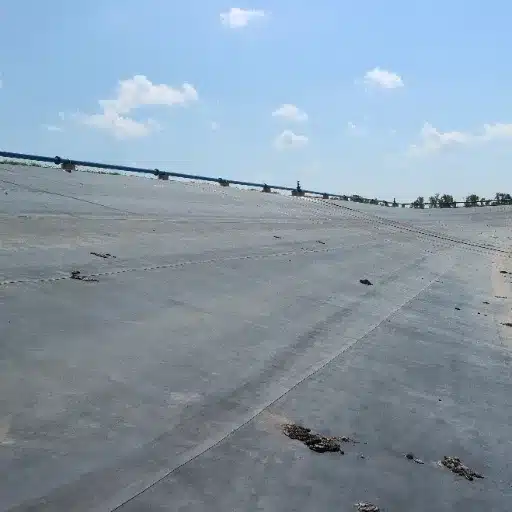
Significance of Geomembranes in Environmental Engineering
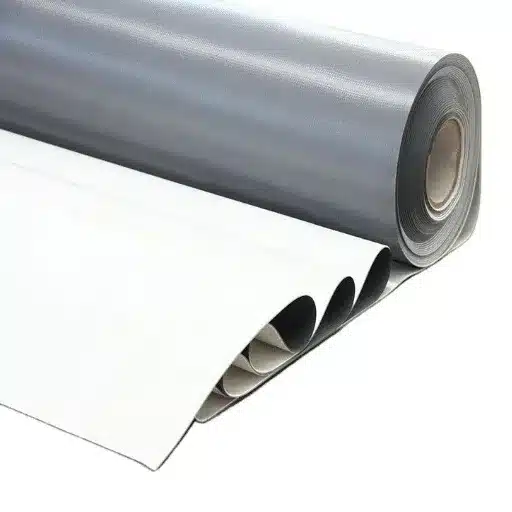
Geomembranes are the ones that have made environmental engineering innovative and are the bedrock to a contamination-free world and conserving Earth’s resources. They are the very thin, soft, and non-porous liner materials, which are chiefly applied in a variety of areas such as capping landfills, wastewater treatment, mining, and confinement of industrial waste. The year’s 2022 saw the global geomembrane market valued at $2.5 billion and expected to increase to $3.9 billion by 2028; the almost 7.5% CAGR (compound annual growth rate) indicates that the worldwide environmental issues are increasingly depending on geomembranes for their solutions.
Amongst the various properties that make geomembrane irresolute in environmental projects one of the major ones is their excellent containment capability. They are used as liners in landfill projects, for example, to trap leachate—a liquid that is capable of polluting the groundwater and the surrounding soils. It is observed that the leakage rates for properly installed geomembrane systems can be as low as 1% compared to unlined systems which goes on to show how effective they are when it comes to containment and protection of the environment.
Overview of Geosynthetic Materials
Geosynthetics are the man-made materials that are used as soil stabilizers, for erosion control, and to enhance the performance of infrastructures in civil engineering, construction, and environmental projects. They include geomembranes, geotextiles, geogrids, geonets, and geocells, which are the main categories of such materials, each with its application and advantage. Generally, they are made of polymers that enable them to perform even in tough conditions where their durability and effectiveness are not allowed to be challenged.
Presently, the global geosynthetics market is rapidly growing, as per the latest market analysis (as of 2023), and is expected to reach USD 23 billion by 2027 with a CAGR (compound annual growth rate) of about 6.2% from 2022 to 2027. The main reason for this increase is the higher investment in infrastructure development such as roads, railways, waste management systems, and water resources. Asia-Pacific is leading the market in terms of share, supported by the rapid urbanization and government-initiated infrastructure projects, while North America and Europe follow due to the uptake of sustainable construction practices.
Causes of Wrinkles in Geomembranes

Manufacturing Defects and Quality Control
Defect in manufacturing can have a huge effect on performance and durability of geomembranes across various uses. Examples of defects are uneven thickness of material, spots, bad welding and holes. Such imperfections can render the barrier ineffective and compromise its strength, thus leading to critical areas such as landfills, reservoirs, and containment systems suffering from failures.
One of the methods used to tackle the problem of defective manufacturing is Quality Control measures. The plants of today are equipped with the newest technology and among those, are the non-destructive testing techniques, and automated calibration controls, which ensure the material quality remains consistent. For example, among the techniques that are being used widely are the ultrasonic testing and air pressure tests for seam welds quality checkup. The weaknesses in the product can then be detected and rectified before it is put to use.
Factors in the environment that cause wrinkles
Wrinkling of geomembranes is heavily influenced by the site in which they are deployed; basically, both site and environmental factors are responsible for this. The main culprit is the temperature difference. The research report states that the geomembrane, modified with plastics like HDPE, can shrink and expand during temperature changes to an impressive extent. The temperature-different data suggests that for every 10°F (5.5°C) rise, an HDPE geomembrane can increase in size by approximately 0.1% – 0.2%. Therefore, this thermal expending and contracting will eventually result in the formation of wrinkles in the areas where the surface underneath the geomembrane is not even or well compacted.
Moreover, wind is another factor that comes to mind when talking about the cause of wrinkles. A windy site geomembrane installation may lead to the movement of the geomembrane and its edge will be out of line which consequently will cause wrinkling. Wind speeds of over 20 mph (32km/h) can make it really difficult to keep the geomembrane securely anchored which raises the possibility of deformation.
Besides that, moisture levels are critical as well. Too much water in the ground or rain at the time of installation can trap water below the geomembrane and that will eventually cause it to be raised and become wrinkled. Areas of geomembrane deformation are said to have higher incidences when researchers point out that the conditions of prolonged rain or high humidity are the cause of deformation.
Impact on Performance
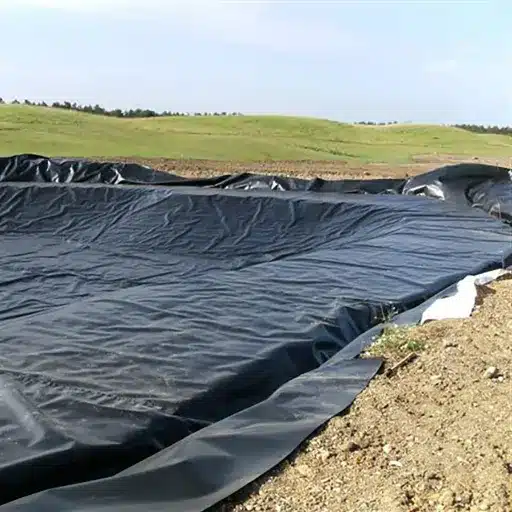
Effects of Wrinkles on Liner Integrity
Wrinkles in geomembranes are very likely to have a negative impact on the liners’ overall performance and integrity, especially when they are employed as barriers against wastes and liquids. If the situation worsens with the formation of wrinkles, the leakage will be through these and containment system will not work. Studies reveal that the occurrence of wrinkles can take the risk of puncture or tearing to over a hundred percent, particularly if subjected to mechanical stress or heavy loads, like the weights of soil or wastes overhead.
It has been found out that the installation of geomembranes with wrinkles not only costs time but also encourages the leakage through the liners to a great extent. For instance, a study conducted on Geotextiles and Geomembranes Journal states that a 1-meter long wrinkle, when unrolled, could leak at a rate, which is ten times that of a well-laid flat land, having a head pressure of more than 1 meter. Further, the wrinkles will also trap liquids or gases, thus hindering the liner in keeping contact with the substrate, which further lessens its overall efficiency.
The performance of Unreinforced Geomembranes
Durability and lifespan
The service life of high-density polyethylene (HDPE) unreinforced geomembranes is generally more than 30 years under the best conditions as per the studies done so far. Factors like UV resistance, thermal stability, and purity of the substance considerably determine their longevity. The reports from the industry indicate that the HDPE geomembranes, which are not directly in the light of the sun and are covered with protective layers or coatings, not only retain their tensile strength but also their flexibility for decades.
Stress and strain behavior
Unreinforced geomembranes are likely to crack due to stress when subjected to heavy loads or uneven ground conditions causing localized failures. The tensile strength of ordinary unreinforced geomembrane made from HDPE ranges from 20 to 30 MPa while it can also elongate up to 700% to 900% before breaking, depending on the formulation.
Wrinkle control and seam durability
Wrinkling during the installation process is one of the major difficulties, because it not only prevents the interaction between the geomembrane and the substrate below but also jeopardizes the seams’ strength. It is reported that the application of heat fusion welding may significantly improve the strength of seams giving them shear and peel strengths that are often over 80% of the tensile strength of the parent material.
Chemical resistance
Unreinforced geomembranes, especially HDPE and PVC types, exhibit a high degree of resistance to most chemicals including acids, bases, and hydrocarbons. The results of research indicate that HDPE geomembranes can withstand extreme pH conditions of 2 to 13 for long durations without significant degradation thereby making them suitable for waste landfill and containment of corrosive chemicals.
Case Studies or Recent Findings
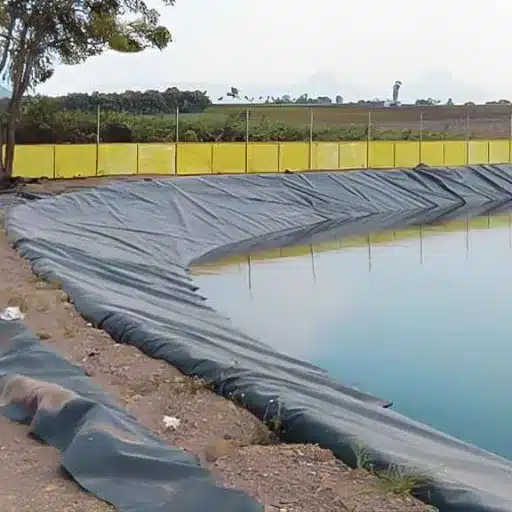
Notable Studies on Geomembrane Performance
Recent research has demonstrated a remarkable improvement in geomembranes, which are an essential part of environmental containment systems. The Geosynthetics Research Institute has published a paper examining the performance of HDPE geomembranes over the long-term under different scenarios. It was shown that HDPE geomembranes had over 90% of their tensile property after 25 years controlled exposure to landfill leachate, meaning that they are long-lasting and have a good resistance to chemicals.
Another investigation targeted the mining industry’s adoption of geomembranes. Data gathered from the heap leaching practices at the Chilean copper mines revealed that the use of geomembranes in these systems caused a great amount of water loss to be reduced by 85%. This not only made resources more efficient but also contributed to creating a more eco-friendly mining practice with less contaminant seeping into nearby ecosystems.
Additionally, a global engineering firm’s 2023 report on geomembrane performance subjected them to extreme climates particularly areas of huge temperature variations. It was demonstrated that the most recent developments of polymer additives and their concurrent use had no thermal stress cracking occurring whatsoever thus retaining structural integrity at -40°F to 130°F.
Real-World Examples of Wrinkle Issues in Geomembranes
Landfill Liner Failures
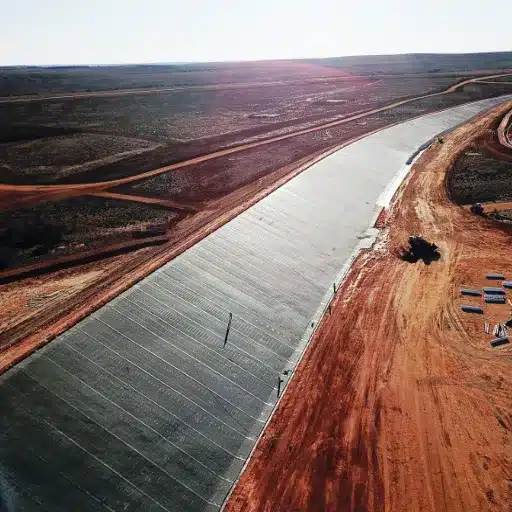
A study of landfilling procedures in arid regions discovered that extreme temperature oscillations caused geomembrane liners to undergo dramatic thermal expansion and contraction. This, subsequently, led to the production of large wrinkles, hence the formation of voids beneath the lining systems. Liquid build-up in these spaces rendered the leachate collection system less effective and consequently, the operational efficiency was greatly affected and the environmental risk was increased.
Reservoir Cover Applications
The use of geomembrane reservoirs, primarily in areas with high solar exposure, has resulted in blatant wrinkles due to high thermal stresses. Such a scenario has been reported by the International Association for Geosynthetic Engineers (IAGE) where one of the contributing factors to the reduction of effective liner coverage due to wrinkle formation was as much as 15%, exposing the areas to seepage and contamination. The continuous upkeep and management costs kept on increasing as the operators either had to repair or replace the sections of the liner that were damaged as a result of the wrinkling.
Mining Tailings Storage Facilities (TSFs)
In the mining industry, tailings dams are usually lined with geomembranes. One of the issues reported by a gold mining company in South America in 2020 was the extensive liner wrinkling resulting from improper installation tensioning and high-altitude temperature swings. Water infiltration paths were rendered possible by those wrinkles that led to minor breaches of the containment system and thus raising concern over environmental regulation compliance.
Prevention and Mitigation Strategies
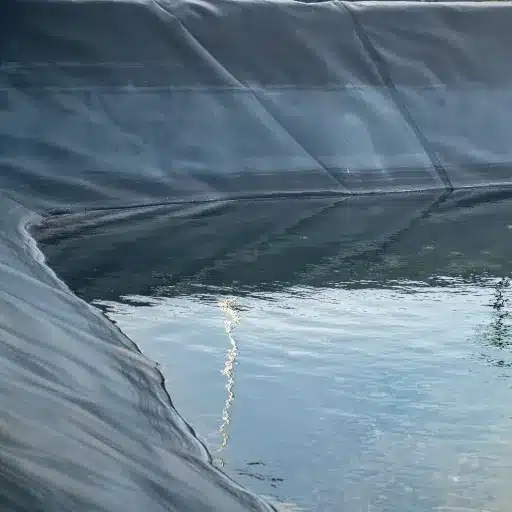
Best Practices for Installation to Prevent Wrinkles
Proper Site Preparation: The site where the building is to be constructed should have a smooth and stable subgrade free of any debris. An uneven foundation will lead to the building’s settling which will cause cracks later on. Testing for soil compaction and checking the grading are recommended for this first stage.
Optimal Deployment Conditions: The best time to put the geomembranes is only during the good weather. The research has established that high temperature and direct sunlight are the main reasons for thermal expansion and subsequently the cooling and wrinkling process. Installers should aim to have the membranes deployed at the dawn or dusk of the cool hours with a temperature range of 40–77°F (5–25°C) in order to achieve good results.
Alignment and Tensioning: Not only should the geomembrane panels be aligned during laying but also must be adequately tensioned. A wrinkling area can be created by the portion of the material that is not securely stretched, and at the same time, tensioning may damage the geomembrane. The accuracy in the installation will certainly be enhanced through the use of specialized equipment and controlled loading techniques.
Ballast Usage: The placement of temporary ballast weights, like sandbags, in certain areas during the installation, apart from serving to keep the geomembrane from being blown away by wind, also helps to position it right. This would certainly be a factor to consider in exposed sites where wind is a nuisance.
Seaming Techniques: Also, the use of the best-quality seaming methods plays a major role in the irregularities control. Double-track welding techniques guarantee quality seams and at the same time, they allow the panels’ junctions to be smooth without creating any wrinkles.
Role of Geotextiles in Reinforcement
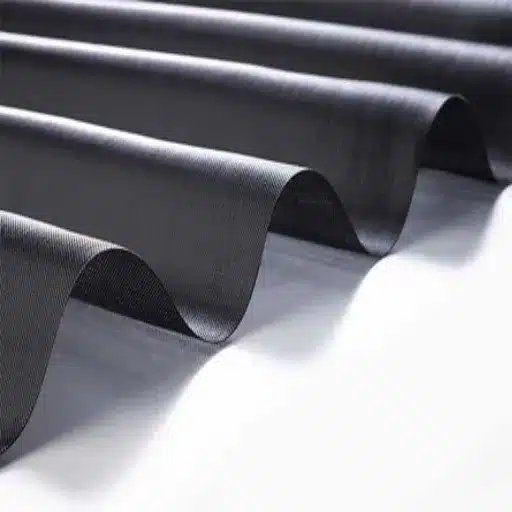
Geotextiles are the most important elements in ensuring that the engineering projects last and remain stable since they serve as a reinforcing layer in different applications. These breathable fabrics not only act as a support for the soil strength and load distribution but also are very effective in making the soil potable for the building of roads and other facilities. Erosion prevention and control and the reduction of the collapse of buildings are some applications of geotextiles in the construction of roads, walls, and slopes.
The benefits of geotextiles in reinforcement applications are supported by latest studies and industry data. For example, it is reported that usage of geotextiles in the subgrade of roads can raise their bearing capacity up to 30% thus preventing rutting and increasing the road’s lifespan. Furthermore, employing geotextiles in the making of retaining walls results in a notable rise in the wall’s resistance to lateral earth pressure thus averting the wall’s collapse under high-pressure conditions.
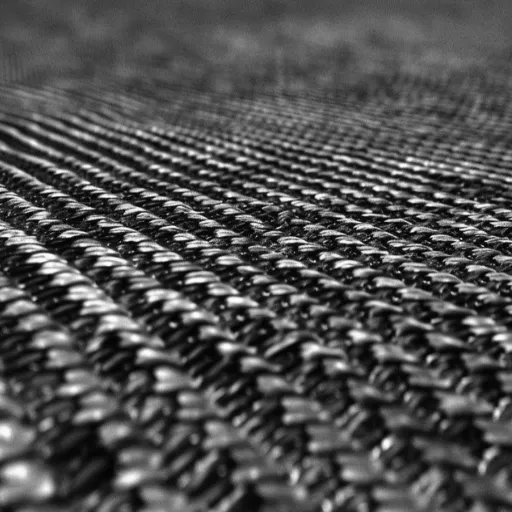
The wearisome process of recycling old geotextiles for their strength and durability has practically become obsolete with the huge strides made in the technology of geotextiles. Take, for instance, the woven geotextiles made of polypropylene or polyester fibers which have excellent resistance to elongation and environmental degradation thus making them ideal for tough projects. Besides, these materials not only aid in increasing the strength of the structure by being permeable to water, thus facilitating drainage and reducing the hydrostatic pressure, but they are also non-acidic.
Reference Sources
-
Analysis of Geomembrane Wrinkles
This study examines the behavior of stiff and flexible geomembranes, highlighting differences in wrinkle size and spacing.
Read more here -
A Comparison of Geomembrane Wrinkles for Nine Field Cases
This research compares wrinkle characteristics across nine field cases, providing valuable data on wrinkle lengths and their implications.
Read more here -
Physical Response of Geomembrane Wrinkles Overlying Compacted Clay
This paper investigates the deformations and local indentations caused by wrinkles in geomembranes over compacted clay, offering insights into their physical responses.
Read more here
Frequently Asked Questions (FAQs)
What causes wrinkles in geomembrane and what is the solution?
Wrinkles in geomembranes are most of the time caused by a number of reasons at the same time including occasional factory creases or poor layflat, temporary contracts in cold temperatures, confinement of air beneath the panels during setting up, or no camber in the panels that are shipped and kept poorly. The remedy for this situation is a combination of good manufacturing (nice layflat and camber) that is followed by good stoorage and shipping practices, followed by correct installation methods like temperature equilibration, placing weight on top or using restrained edges, besides cut and re-weld or patching when it is really necessary.
How can a high-quality geomembrane be less prone to wrinkles?
A premium geomembrane that is processed with good layflat and camber and no creases or rough layflat is better in preventing wrinkling. Reinforced geomembranes and composite products produced at reputable places such as those complying with igai or other industry norms usually have a more uniform texture and are less likely to develop wrinkles. Proper manufacturing and quality control—Koerner-style analysis of geomembrane performance—produce sheets with inherent properties making them less likely to wrinkle during handling and installation operations.
How does storage and shipping affect wrinkles in geomembranes?
Bad storage and shipping could make wrinkles appear or worsen the existing ones. Packaging and shipping could be sources of creases and poor layflat. Extreme conditions for a prolonged time can also cause wrinkles during the laying process. To prevent this, rolls should either be flat or upright as per the instructions, heavy loads that may deform the roll should not be placed on it, and panels should be kept at the installation site during the day when the temperatures are moderate to relax the layflat.
Can placing weight on top prevent or eliminate wrinkles in geomembrane?
Placing a weight on top of a geomembrane will not entirely eliminate the wrinkles, nevertheless, it will help to smooth out the minor ones as it will push the liner closer to the ground and the air that was trapped will be able to escape. However, this method is not a unique solution. In the case of very large or significant wrinkles, the recommended approach would be to apply weight and at the same time to carry out seam layout, execute installation in favorable weather, and if necessary cut and re-weld or use controlled heat and work the area.