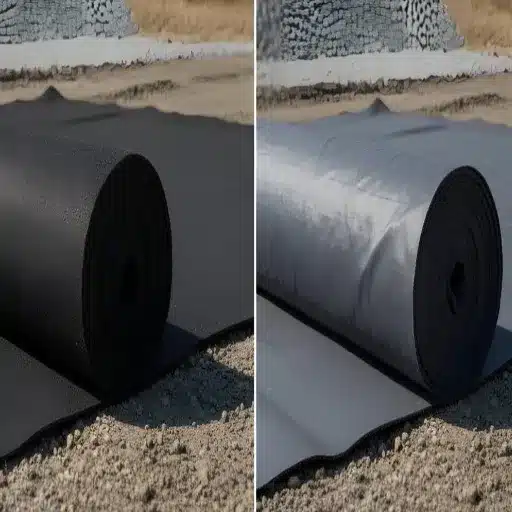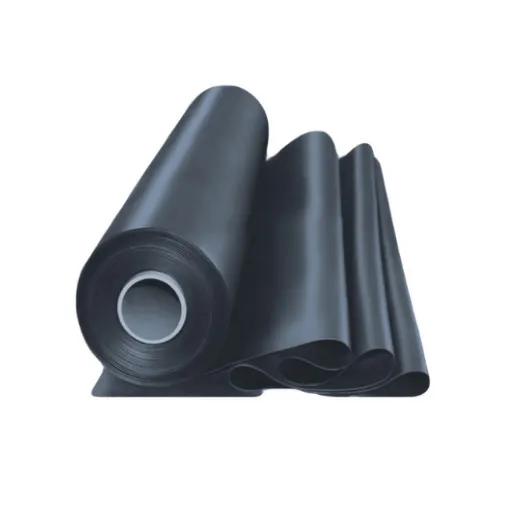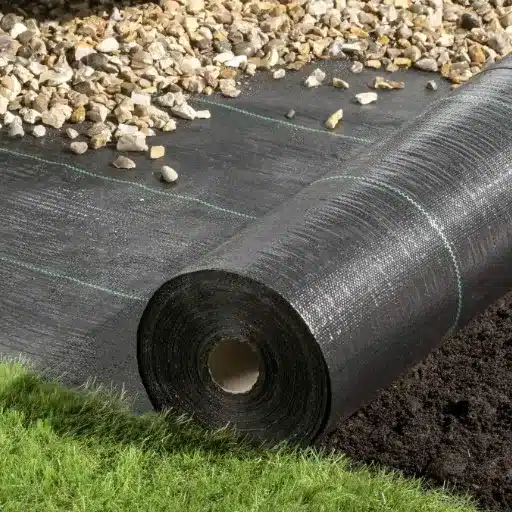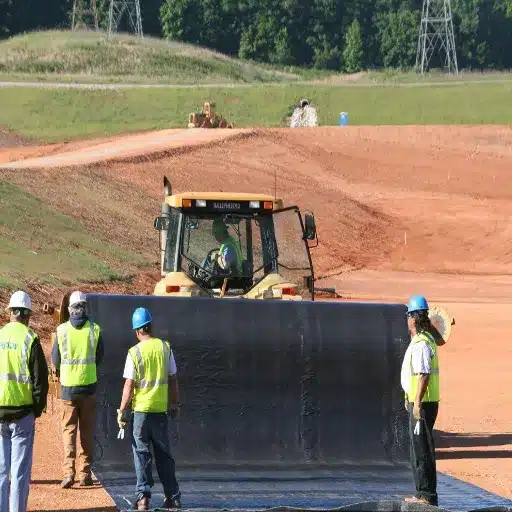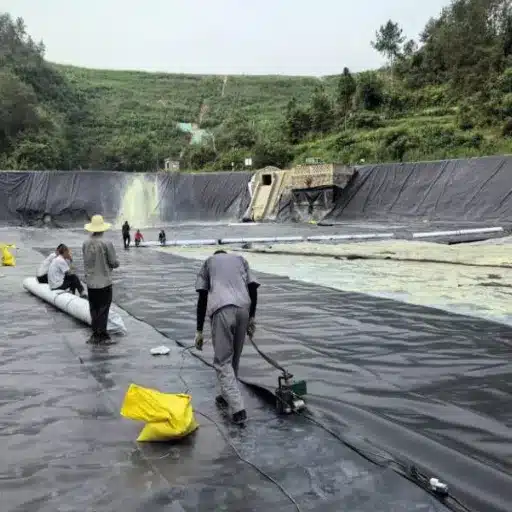
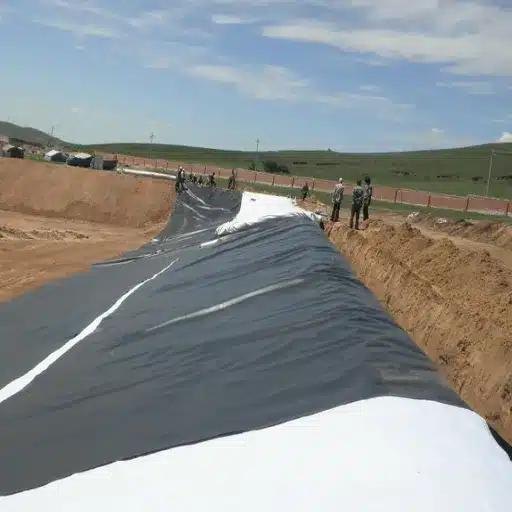
The thickness of HDPE Geomembrane affects the longevity and overall performance of the structure to a great extent. This is because different applications don’t require strength and durability, but rather flexibility and speed of installation, and this is where the thickness comes in. This post seeks to examine the various issues a client may have when specifying an appropriate HDPE Geomembrane thickness of between 30 mils and 100mils for different projects. The Article discusses landfill liners, water retention ponds, and mining solutions, among others. It also provides helpful tips on how to obtain the best results. Read on for multiple uses, benefits, and their implementation from the essay aiming at improving performance.
Introduction to HDPE Geomembranes
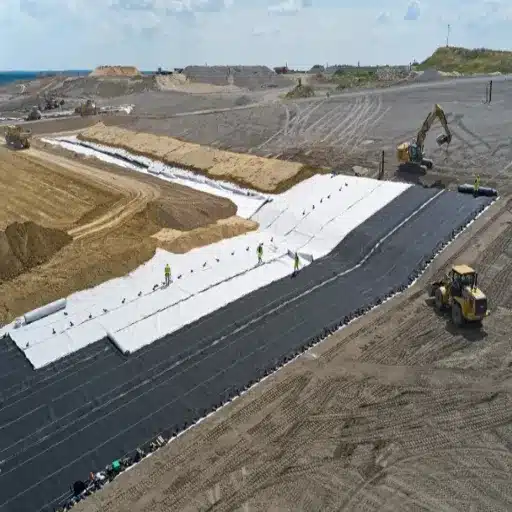
Definition and Composition of HDPE Geomembranes
Builders use containment or synthetic material in the process of building structures with low or high water content. The materials in the majority of cases are High-Density Polyethylene (HDPE) in the form of geomembrane, which is a sheet made of HDPE resin, as it has a good mechanical property that is both high strength and flexibility, as well as good chemical inertness. The classic composition of the HDPE geomembrane may include predominantly 96-98% polyethylene resin, and also Stabilizer and antioxidant-enhanced polyethylene, which helps in the reduction of the aging of the materials.
HDPE Geomembrane systems are usually characterized by a density in the range of 0.94. 0.97 g/cm³; therefore, they can withstand mechanical forces and the effects of harsh conditions. Thickness of a geomembrane can be from 30 mil (0. 76 mm) to 120 mil (3. 05 mm) depending on the requirement. Other recent studies indicate that Hdpe Geomembrane approximates the Tensile Strength in the range of 25 – 33 MPa with an elongation of over 700%, probably during installation and use in each socio – geographical morphology.
Another of the geomembrane’s elastic properties is the characteristic according to which there is no increase in the susceptibility to cracking stresses caused by the environment and this is very important for regions with changes in temperature and in chemical fill growth. In view of the aforementioned reviews, membranes of this type may be used without any suspension and ground sewing, sparing more than a century; hence, economic stability and development have increased in some projects with the inclusion of landfill lining, sewage lagoons, and also in the mining sector.
Importance of HDPE in Containment Solutions
It is imperative to underscore that high-density polyethylene is a material that is commonly used in modern barriers because of its durability, corrosion resistance, and cost-effectiveness. From the perspective of functionality, the so-called HDPE Geomembrane must be acknowledged for its chemical resistance, with the ability to handle hazardous waste because it does not lose its ability or shape with many acids, bases, and hydrocarbons. For instance, the mining sector is particularly interested in this aspect of the system, given that it handles potential contaminating substances that might be released in the case of a failure.
There is scientific evidence that, among other products, HDPE Geomembrane retains its properties within a minimum of -60°F and a maximum of 176°F (-51°C to 80°C), permitting use in areas with either the coldest or hottest climates. Furthermore, it is non-permeable, or the rate is that low – 1 x 10^-13 cm per second – that is, water resistant and preserves soil. For this reason, HDPE is used for crafting various landfill liner systems, tailing dams, all sorts of industrial waste disposals, and other things.
There is also an additional advantage in that this material has increased resistance to UV rays. Sunlight is one factor that, as in many other polymers, affects the aging of HDPE; however, the shape and the design of HDPE eliminate these factors. Therefore, the material is durable and does not need replacement or frequent maintenance activities. The energy use and carbon emissions related to HDPE production are low, and several ecological studies show that the HDPE matrix is extrudable, which is good, as it is part of infrastructure improvement within the set levels for environmental concern.
HDPE Geomembrane contains these, including the superior level of performance in the field, which leads to low maintenance for a long period compared to materials that not only need replacement but also need frequent replacement and service. This is HDPE technology that has transformed containment structures while respecting the environment for any type of project or industrial application.
Overview of Different Thicknesses: 30 mil vs 60 mil vs 100 mil
While choosing HDPE geomembranes for different uses, the thickness considerations become important for assessing adequate performance, durability, and economic viability. Some typical thickness dimensions consist of 30 mils, 60 mils, and 100 mils, each having special characteristics to cater to varied requirements.
30 mil HDPE Geomembranes
Given its lightness and low price, a 30 mil thickness is perfect for short courses or installations with little stress on the material. In agriculture, such geomembranes can be used for small pond liners and structures intended for temporary storage of liquids. They are easy to carry and perform due to their thickness level but are most likely to get perforated or worn out in intense applications or on rough base courses. 30 mil membrane is often purchased with about 160–200 psi tensile strength, which is very flexible and affordable enough.
60 mil HDPE Geomembranes
60 mil HDPE Geomembranes are considered a standard material for applications that need strong properties and moderate puncture resistance. Such membranes are employed in environmental applications like baseliners for landfills, holding tanks for sanitary waste, and horizontal barriers for fluid leakage, which demand structural strength without a significant increase in cost. Most of these membranes have tensile strengths of about 300 psi, endure a fair amount of mechanical effects, and weather exposure. The thickness of the layers prevents ultraviolet damage and lasts longer than the 30 mil thickness.
100 mil HDPE Geomembranes
The 100 mil thick membrane can be used in those areas that are very tough and remain harsh for a considerable time. It is because such membranes are designed for the construction of reservoirs, leach pads, chemicals, and other containment systems, which are used in heavy industries without any reservations or doubts. Owing to its superior puncture resistance and tensile strength of above 400 psi, the 100 mil model holds up particularly well to extreme loading and chemically aggressive conditions. This is also attributed to the fact that the geomembrane is robust in nature and constructed well over some decades, capable of using construction or containment materials engineered without the structural demands of inlayers, so long as the exterior is covered.
Key Considerations
In selecting proper membrane thickness, the factors to consider include the nature of the project at hand, the properties of the soil, economic issues, and any guidelines that are available. Temporary actions are limited to 30mil membranes, considering the price and ease of use, whereas 60mil and 100mil membranes stand a chance in situations that require steady materials because they are sturdy enough. It is worth noting that, depending on the gauge of the HDPE Geomembrane and the water liner, both can improve the performance of the geotextile if properly installed and checked afterwards.
Applications of HDPE Geomembranes
Common Uses in Environmental Containment
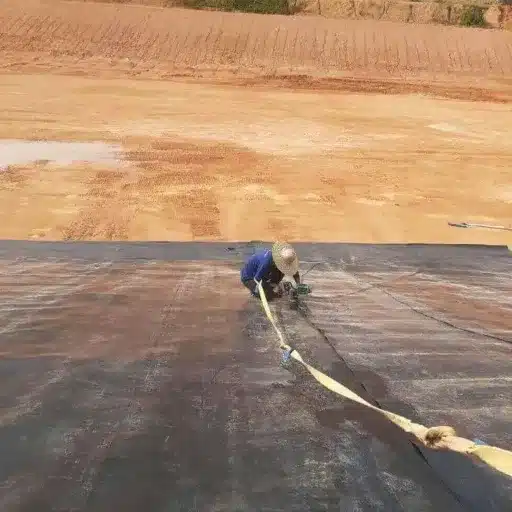
In most cases of geomembrane containment, HDPE synthetic liners are used mainly because chemical resistance, tensile strength or water tightness of the lining comes with the greatest environmental benefits. This particular lining facilitates the prevention of hazardous substances leachate infiltration to the soil water bodies, i.e., mainly accumulation of waste in landfill sites. It means that there are degradation processes, which HDPE Geomembrane takes advantage of because even the order of one single nanometer (1×10⁻¹⁷ cm/s) is a low permeability coefficient, which prevents the passage of any liquid.
It is worth noting another important point in relation to the use of HDPE Geomembrane in the mining industry. A lot of liner is in the form of geomembrane, and it is for this reason that the mine’s floods are sealed. According to industry analysis, the risks associated with HDPE lining are low in that the degree of cross-contamination may be addressed to about 95% of the problem. Thus, one can effectively rely on liners as a resourceful mechanism in the environmentally friendly mining industry.
HDPE geosynthetics are used as hydraulic barriers in order to prevent water losses through seepage, for example, in fisheries and in confinement canals. As such, aligning irrigation canals with these galleries is reported to increase water consumption by a minimum of 30% in comparison with unlined canals. The HDPE is also employed as a secondary protective lining in tanks that hold chemical liquid products as a result, it contains and doesn’t allow any spills, which in turn avoids possible hazards to the environment and prevents any violations of the rules laid down.
Due to the multifarious applications and proven history of reliability of the HDPE Geomembrane, it has evolved into an advantageous solution for various non-environmental, as well as environmental, programs.
Applications in Water Management and Wastewater Treatment
The HDPE Geomembrane represents an exciting evolution in water management as it offers for enhanced and environmentally friendly protection of water resources. They help to prevent water loss through absorption by lining the reservoirs, and research indicates that lining the reservoirs reduces the amount of water absorbed by seepage by 90 percent. This interdiction tremendously contributes to the preservation of available water, especially in water-deficient areas International.
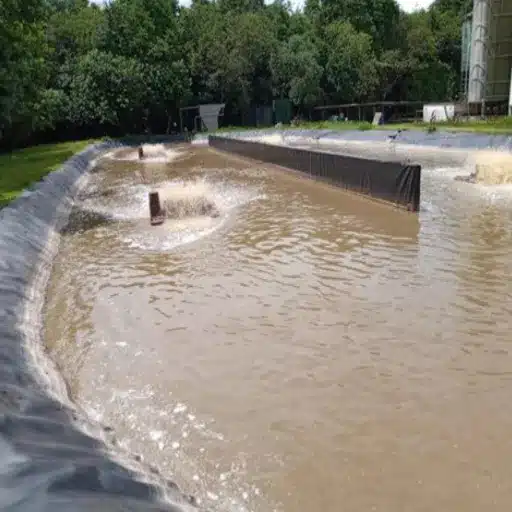
HDPE Geomembrane in solid waste prevents contamination of waste material unless triggered by certain high-temperature processing procedures, like oxidizing in an open tank. According to studies conducted, the application of high-density polyethylene liners in industrial wastewater treatment plants effectively reduced the diffused surfaces and therefore the risk of pollution of ground and surface waters through the inlet and the outlet channels, with leakage cases less than one percent where such liners are properly installed and maintained. The function of such membranes does not change with the chemical degradation, and in this respect, they are suitable for uses that demand high-concentration acids, which are concentrated bases sometimes used in water treatment facilities.
In addition, it is also worth noting that with the advancement of HDPE Geomembrane technology, which should be welcomed amongst surfers, as it has considerably enhanced the speed of installation. These days, the much stiffer sheet, now called prefabricated panels are easily transported to the site from the factory that produced them, and this cuts the assembling time by half or even more, which is very efficient in time and also labour. The latest advances in HDPE liners are very hard not to love, or even worse, dismiss because they provide eco-friendly means of water and sewerage solutions and are economical.
Industrial Applications of HDPE Liner Products
HDPE liners find their application in numerous sectors owing to their unparalleled durability, chemical protection, and affordability. Here is a list of certain industrial uses supplemented by contemporary evidence and information:
- Mining Industry
The mining industry heavily relies on using the geomembrane for the construction of leach pads as well as tailings dams. The benefit of the liners is that they stop any toxic chemicals from getting into the ground or any source of water, for that matter. According to recent studies on constructing a mining enclosure, liners surrounding the tailings pond incorporate geosynthetic materials and can contain pollution effluent up to 99.99% and reduce environmental pollution to a minimum. In addition, when this material is deployed along these surfaces, it is resistant to previous ultraviolet radiation and extreme temperature conditions over a long period. - Landfills
During the preparatory stage of landfill design and construction, it is necessary to consider the existence of the main HDPE containment layer, because its absence leads to the possibility of leachate leaving the landfill. Today’s landfill design makes use of double liner containment systems that utilize HDPE geomembrane liners. In certain instances, it has been claimed that HDPE geomembrane liners for Lining Compartment Antibodies last more than thirty years; however, a few of them have been ruined. It follows that they are a green option for containing the waste in a structure. - Agriculture
HDPE liners are becoming increasingly popular and are increasingly used for agricultural reservoirs, canals, and channels. They are more water-tight and thus improve the efficiency of water storage, making it both convenient and environmentally friendly. According to recent farming statistics, there is a fifty percent reduction in water expense for irrigation of the paddocks equipped with HDPE Geomembrane, hence dramatically increasing the water utility rate. - Oil and Gas Industry
The oil industry uses HDPE rubber liners to keep drilling fluids, waste brines, and spills. Its resistance to chemicals is a feature that makes it suitable for use in the transportation of hydrocarbons and chemicals used in industries. Studies on this field show that HDPE Geomembrane is not affected when it comes into contact with crude petroleum, hence vital in secondary containment systems. - Aquaculture
Fish ponds and shrimp farms are usually constructed from HDPE liners as they are non-toxic and waterproof. These help prevent leakages, and there are other measures that help prevent contamination of the water body; therefore, water quality is maintained within the acceptable limits for various forms of poultry. An increase in yield of 30% or more has been noted by some operations where HDPE fish ponds are used because the nutrients in the water are protected by the liners.
Many industries have begun to understand that HDPE is a good alternative to their line of work. Developments underway in the field of geomembrane technology shall also broaden the horizon for the utilization of HDPE geosynthetics as a remedy for industrial issues.
Benefits of Using HDPE Geomembranes
Durability and Longevity of HDPE Liners
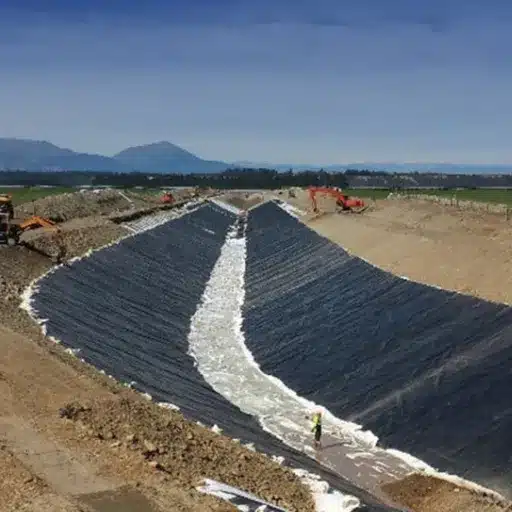
HDPE Geomembrane is widely appreciated because in terms of usefulness, they tend to last for a fair amount of time. The reason is that the liner is manufactured in a way that it is able to withstand the adverse effects of chemicals, ultraviolet rays, mechanical forces, etc., as a result, it can be used even in harsh conditions. Research on HDPE liners’ duration in service has recently revealed that such liners, using the sun, excessive climate conditions, and natural destruction (except the heat) are able to survive more than 25 years.
Other than that, HDPE liners are acid, alkali, and hydrocarbon resistant, just to mention a few, and thus these liners are circumstanced in the framing of bold purposes. It is observed in the research that HDPE Geomembrane has tensile strength which is more than 20 kN/m and permeability which is very low, which is a benefit of lined containment structures, especially in preventing leakage. Use of high-end technology in the production of HDPE liners ensures consistency in thickness and facilitates cross-functional use of lining, for example, in water treatment vessels, and also in mining operations.
Cost-Effectiveness and Economic Advantages
HDPE Geomembrane is not only characterized by its durable properties but also by the affordable cost of production. Latest figures from relevant industries show that HGPE liners currently cost between $0.75 to $1.5 on construction per square foot, meaning these environmental friendly projects such as landfills, lining of ponds is quite cost effective. they have an independent sustain retentive advantage because when installed and addressed properly and this replaces the HDPE Geomembrane sculptures within a period of a few months, and the geomembrane usually lasts well beyond a span of 25 years to over touch borders, hence reduced the replacement important diseases. In addition, the cost of maintaining HDPE liners is also quite favorable. This is simply because the material is chemical resistant as well as strong enough to avert costs of doing no work over periods.
Further studies bear out that organizations strengthened with such HDPE liners accounts up to 98% of reduction in operational leakage, hence assisting them in resource preservation, as well as promoting operational efficiency. Consider, for instance, mining, the large retention of HDPE liners has helped to reduce penetration of dangerous substances through undamaged materials to a minimum, which eventually makes the process of removing such substances from the field very hard and costly. All the above mentioned reasons allow one to include the use of HDPE Geomembrane in many other industries as the most efficient and environmentally safe method.
Environmental Impact and Sustainability Considerations
HDPE Geomembrane technology in various industries has improved in recent years, which has reduced the extent of damage to the environment. Every HDPE geomembrane lining system has the lowest carbon emissions amongst any other applicable lining system currently available, as believed, and this is why the life of the geomembranes is very long, and they can be reprocessed. For example, it is known that above 94 percent of HDPE products may be discarded through recycling rather than dumping in the landfill. In addition, developments in the manufacturing process have enabled the production of high-quality geomembranes with recycled HDPE content of up to 50%, offering an environmentally sustainable solution.
The utilization of HDPE and other polymer liners has also been found to be significant in water conservation, especially in irrigation farming. It is found out that contrary to the normal practice, use of irrigation canals made of or lined with HDPE geomembrane assists in cutting down water loss through evaporation & seepage by about 40%. On the other hand, in waste management, where the seepage rate is almost zero, as in the case of HDPE geomembranes, leakages have been recorded as low as 1×10^-7 cm/s, which is acceptable with the range of diligence demanded by rigorous environmental safeguards.
These specifics are a portrayal of the potential held by HDPE Geomembrane in helping the process of development and reduction of any adverse effects on the environment, hence their value is enhanced in the consideration of “green” strategies in business.
Challenges in HDPE Geomembrane Applications
Potential Issues During Installation
Of concern, however, among other factors that arise when deploying or installing such packing, there exist several situations that follow the weakening of HDPE Geomembrane. More often than not, if this is not done correctly, this will occur: punctures, wrinkles, and also poor seaming, i.e., compromised performance or integrity of the material. For instance, there were cases when, with enough stretch of the protector, wrinkles appeared at the edge of the film, which was completely unwanted due to the probable formation of fluid paths. This emphasizes the strict protocol of verifying and maintaining quality during the installation.
A further complexity of application is also caused by many factors, such as wind, temperatures that make others go dizzy, and an uneven surface already built. The importantones being a needfor the raising temperatures to be within therange of 40°Fand 104°F;40°C, as well as material shrinkage and expansion, which would be_value crippling the seam or shortening its useful period, has been said in literature. Such actions call for master operators, special types of tools, and maintenance of the manufacturer’s instructions regarding the proper construction procedure of the HDPE Geomembrane so as to extend the period of use of the HDPE Geomembrane applied.
Maintenance and Repair Considerations
It is possible to effectively prevent or mitigate the shortage of HDPE Geomembrane in procurement through proper and routine maintenance and repair activities. The 2022 report suggests inspecting at least or twice every six months, especially within high environmental activity levels, such as in the case of heavy rains or earth movements. These checks safeguard against such circumstances by detecting the presence of pin holes, cracks, seam failures, etc., while they can still be managed.
Different media have conveyed that ultraviolet has been recognized as a challenge for HDPE Geomembrane. To counteract the threat, certain designs have caps or fabrics on or near the Geomembrane whose function is to shelter 90% of the Geomembrane from UV rays, hence increasing longevity. Also, it can be given the fact that there is a tangible or functional way of minimizing risk in the surface and underground transport, which consists of the so-called early warning systems, which are able to detect trouble spots up to 70% before their actual appearance.
Evidence suggests that the percentage of seam repairs that do not fall apart due to the impact of extrusion and wedge welding is as much as 98% of the actual strength of the seam material. The important factor here is knowing how to make the seams stronger because these procedures require specific b instructions and qualified personnel. HDPE Geomembrane Customers expect relevant High-Density Polyethylene liners to withstand several years of use because they are woven for the equivalent purposes. There exist proactive measures in the management among other structures of protection, making it possible to monitor and control vandalism and the occurrence of high costs caused by damages in the future.
Regulatory Compliance and Industry Standards
It is extremely important to follow the legal regulations and industry practices when employing and installing any type of geomembrane. Adherence to regulations is important as it is not only about the functionality of a particular material but also about the environment. For most landfill sites in the United States, the USEPA regulates liner installation under the RCRA. Those applications require GMs with very high specifications, for example, in the resistance properties; chemical, puncture, and permeation, among others, to avoid any inert pollutant that can penetrate the changed layers of the particular substrate.
Additionally, standardization bodies that have high levels of recognition at the international level, such as ASTM International and ISO, have laid down definitions and limits to be used in assessing the performance of geomembranes where they are employed or even in understanding the construction itself. For example, ASTM D7177 prescribes the method of seam testing HDPE Geomembrane and other thermally fused geomembranes, while ISO 10318 deals with acronyms and labeling to facilitate world usage.
This recent information implies that better compliance is essential to lower the incidence of failure. Records showed that membranes were built with more than 95% accuracy for an extended duration once there was adherence to regulatory requirements. Failure to comply was, however, associated with low success rates. Remote monitoring and leak detection systems, for instance, help to ensure compliance of different regions with such requirements, even while offering a window of operations in an easier way. They are part of the other processes that can also be used by the industry in order to support the HDPE Geomembrane systems in terms of their quality and lifespan.
Reference Sources
-
“HDPE geomembranes in geotechnics” – This publication explores the use of HDPE geomembranes in geotechnical applications, focusing on thickness ranges and their suitability for landfill liners and other containment systems.
-
An approach to high-density polyethylene (HDPE) geomembrane – This source discusses the selection of HDPE geomembranes for long design life, including thickness considerations.
-
Thermo-Oxidative Degradation of HDPE Geomembranes – This research focuses on the degradation of HDPE geomembranes and their applications in civil engineering.
Frequently Asked Questions (FAQs)
What factors should be considered when selecting HDPE geomembrane thickness for an application?
In determining the thickness of an HDPE Geomembrane, several factors need to be considered, such as the kind of project, the load to be applied, the prevailing conditions, the presence of any chemicals on site, or perhaps UV exposure. For instance, the idea of thinner geomembranes for 30mil can be used for decorative ponds with light duty, whereas thicker 60 mils and above up to and including 100 mil geomembranes are used for applications such as landfills and mines where greater strength is required.
What is the most common application of the 30mil HDPE Geomembrane?
The HDPE Geomembrane of the 30 mil is not used much because of its limiting factors; they are more useful for bordering of small water ponds or temporary ponds, which need to be lined temporarily. These types of applications do not involve very large surfaces or lots of forces and chemicals, and hence turn out to be cost-effective.
What makes 60-mil Geomembrane HDPE preferable for use as a landfill liner?
HDPE Geomembrane fabrication is such that when this thick gauge 60mil is introduced, it can take the shape of a containment device in a landfill. That is because the thickness gives extra protection against sharp objects and certain chemicals and the laws even require waste to be contained to such an extent. In most cases, that is the ideal thickness for a landfill.
What sets 80 mil and 100 mil HDPE geomembranes apart for heavy-duty use?
80 and 100 mil thicknesses of HDPE Geomembrane liners are reserved for specific circumstances where such liners are serviced. These thick liners are, methinks, suitable for aggressive environments, and also for mining, hazardous waste, and canal lining, because the liner systems have better resistance to Perforations, more durability, and longer life. Because of this, these thick geosynthetic materials are made to resist/ overcome such forces and conditions for a long period of time.
Is it achievable to order a tailor-made version of an HDPE Geomembrane?
Yes, it is achievable to adjust the HDPE geomembrane in its thickness, dimensions, and surface features according to the project. However, the methods of manufacturing woven textiles may also enable textured finishes, which is aimed at improving friction. To come up with a suitable tailoring for the particular application, it is advisable to consult the geomembrane specialist.
What role does compliance with international standards play in geomembrane selection?
Conforming to criteria as laid down by standards, including ASTM and ISO, HDPE Geomembrane adheres to some specific standards when it comes to safety, durability, and resistance to chemicals. These standards also specify the material to be used, the thickness, and the specification for carrying out the work to ensure durability.