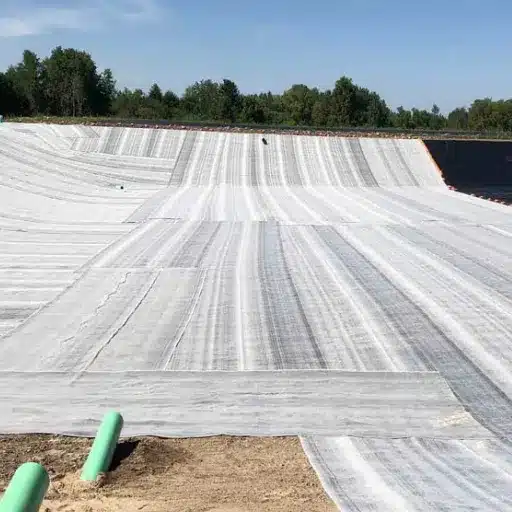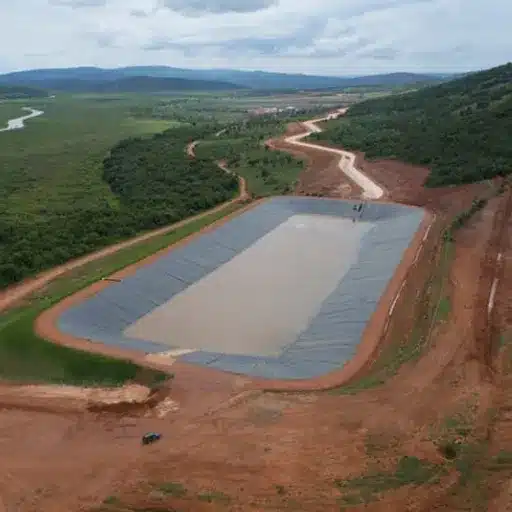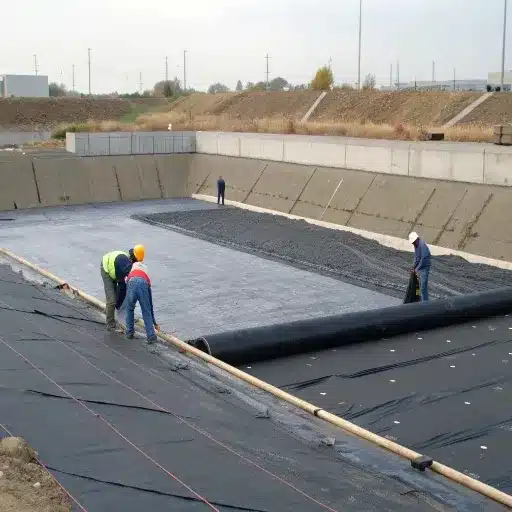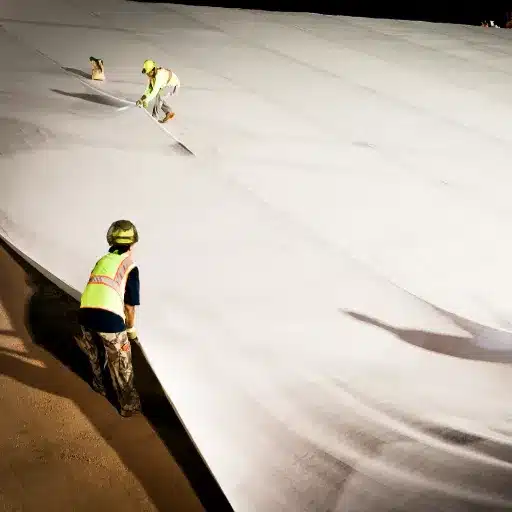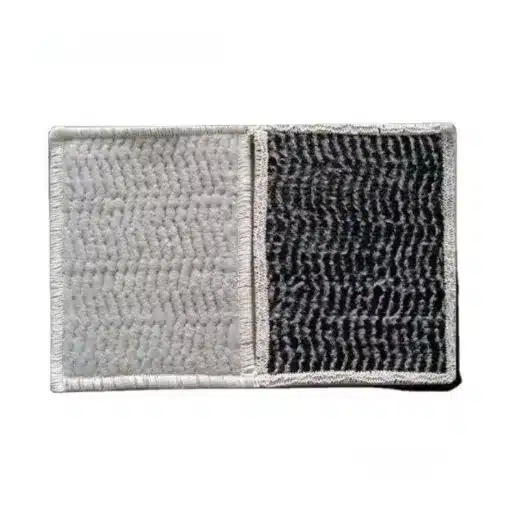
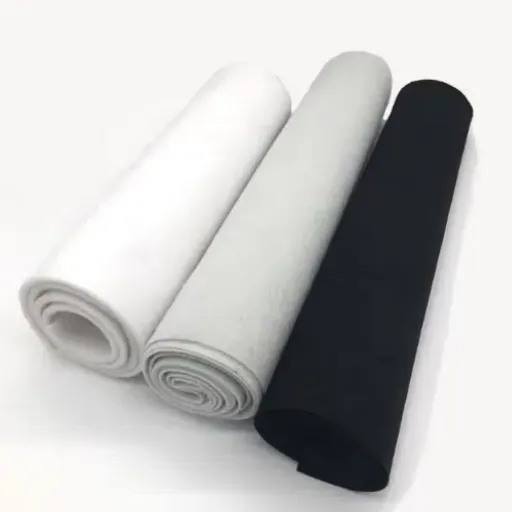
Knitted geotextiles provide a groundbreaking method to improve soil strength and stability. The innovative textiles provide construction, landscaping, and environmental restoration solutions through their flexible, strong, and versatile design. The unique properties of knitted geotextiles create revolutionary potential for your upcoming project. This guide examines core concepts by showing special characteristics, main benefits, and real-world uses of the technology. This post provides civil engineers, contractors, and environmentalists with essential knowledge about how knitted geotextiles are transforming future soil reinforcement projects.
Introduction to Knitted Geotextiles
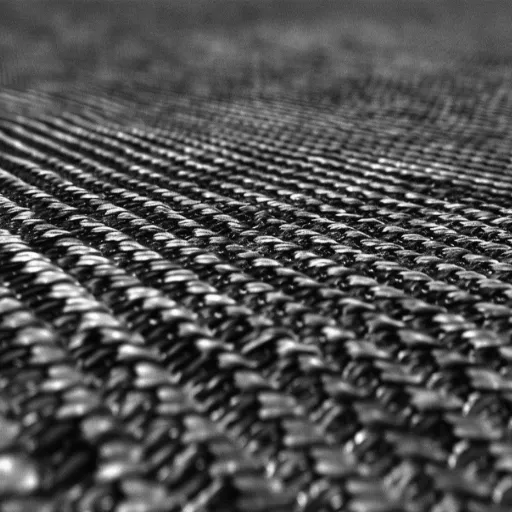
Definition of Knitted Geotextiles
Knitted geotextiles are innovative engineering textiles created using knitting techniques that construct fabric materials through interlocking yarn loops. The design of knitted geotextiles enables their users to achieve enhanced flexibility, which allows them to work with different soil types. The fabrics use high-strength synthetic materials like polyester (PET) and polypropylene (PP) to create products that resist environmental damage from UV radiation and chemical exposure.
The primary advantage of knitted geotextiles lies in their ability to sustain high tensile strength while their weight remains low. Research shows that knitted geotextiles can achieve tensile strength levels above 100 kN/m (kilonewtons per meter) based on their specific material composition and design features. The product serves as a perfect solution for projects that need dependable soil stabilization and erosion control for irregular landscape areas.
Knitted geotextiles provide high permeability, which allows them to perform filtration and drainage functions effectively. Recent studies show that their open-looped structure enables water to flow efficiently, which helps prevent waterlogging and soil erosion at essential construction sites such as retaining walls, road foundations, and riverbank reinforcements. The combination of their adaptable design and their protection against installation damage provides users with long-lasting benefits that result in reduced construction expenses while demonstrating their value for civil engineering and environmental sustainability initiatives.
Importance of Geotextiles in Soil Reinforcement
Geotextiles serve essential functions because they strengthen soil structures in various engineering and environmental projects. The materials, which consist of polypropylene or polyester, function as permeable fabrics that enhance soil stability while stopping erosion and improving drainage and filtration systems. Geotextiles create a separation layer that protects different soil types from contamination while maintaining essential material strength needed for roads, retaining walls, and other infrastructure types.
The global geotextile market is expected to grow at a compound annual growth rate of 6.7 percent between 2023 and 2030, according to recent data, because construction and environmental projects drive increased market demand. The use of geotextiles in road construction enables roads to last 50 percent longer, which results in substantial decreases in maintenance expenses. Modern geotextiles have a tensile strength capacity that reaches 50 kN/m which makes them suitable for handling heavy industrial and highway project loads.
Geotextiles represent a major innovation because they enable construction work to take place in delicate ecological regions such as riverbanks and coastal zones. The materials installed according to proper procedures produce a 40 percent to 60 percent reduction in soil erosion, which serves as an essential requirement for both flood control and biodiversity preservation. The green infrastructure projects use their resources to create conditions that promote plant growth, which helps achieve sustainable development.
Geotextiles function as essential materials for contemporary civil engineering work because they provide cost-effective solutions that last long and help solve environmental problems. The company uses its groundbreaking techniques together with established methods to develop solutions that fulfill soil stabilization needs in projects that operate on a global scale.
Overview of Knitted vs. Woven and Non-Woven Geotextiles
Knitted geotextiles use interconnected yarn loops to create a material that provides both flexibility and strength, which makes it ideal for applications that demand extensive stretching capabilities and flexible performance. The creation of woven geotextiles involves the process of interweaving yarns that cross each other at right angles, which produces a material with excellent strength and durability. These materials function as crucial components for road construction and erosion control because they possess the capacity to support heavy loads while maintaining their structural integrity. Non-woven geotextiles use needle-punching and thermal bonding methods to create materials that demonstrate superior ability to pass air and water while achieving effective filtration of different substances. The systems function most effectively when they need to eliminate water from soil while preventing the movement of soil materials.
The adoption of geotextiles has developed into a worldwide trend that shows a substantial rise in global market demand. The market analysis from Global Market Insights shows that the geotextile market value exceeded $9 billion in 2022, and it will continue to expand at a compound annual growth rate (CAGR) exceeding 10% between 2023 and 2032. The worldwide growth of construction activities leads to market expansion because woven geotextiles serve structural purposes, while non-woven geotextiles dominate the market through their affordable drainage and landscaping options.
The performance of geotextiles improves through specific advancements that develop material technologies. High-performance polymer blends have developed into materials that better handle UV light damage and chemical damage, making them suitable for use in extreme environmental conditions. The essential role of geotextiles in eco-friendly engineering solutions is demonstrated through their progression and their application in various sectors, including agriculture.
Mechanical and Hydraulic Properties of Knitted Geotextiles
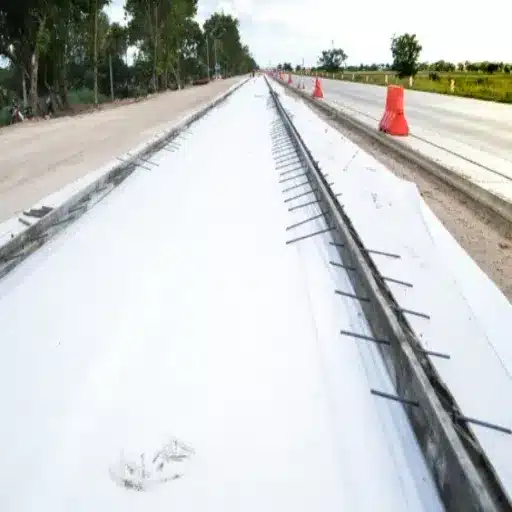
Tensile Strength and Durability
Knitted geotextiles display outstanding tensile strength, which enables them to withstand heavy loads in multiple engineering fields. The research study shows that these textiles can withstand tensile forces between 20 kN/m and 120 kN/m because their material composition and design determine their strength. The strength of this material guarantees project durability for soil stabilization work, erosion control activities, and infrastructure reinforcement projects.
The structural composition of knitted geotextiles, together with their material components, creates their ability to endure for extended periods. The construction of polyester-based knitted geotextiles enables them to withstand environmental conditions because their materials protect against UV radiation and chemical exposure, which helps their structure stay intact for many years. The laboratory tests proved that the fabrics maintain 90% of their initial tensile strength after enduring extreme conditions for an extended duration which shows their reliability for challenging situations.
The development of knitting technology enables geotextiles to reach their perfect pore size distribution, which results in enhanced filtration performance. The current research shows that modern knitted geotextiles can achieve filtration precision rates that reach 95%, making them suitable for hydraulic systems that require both drainage and sediment control. The system allows water to flow while it prevents soil movement, which enables projects that require both drainage and soil stabilization to succeed through environmentally friendly methods.
Filtration and Moisture Management
Engineers today utilize geotextiles because these materials provide essential solutions to problems that need effective filtration systems and moisture control methods in both civil engineering and environmental engineering fields. The textiles achieve their highest performance results through their combination of advanced materials and their use of modern knitting techniques, which create superior capabilities for water filtration and moisture control. Recent studies show that geotextiles with engineered pore sizes maintain their filtration efficiency above 90% because they enable precise water flow rates, which separate fine particles from water.
Geotextiles serve as moisture management tools that establish water movement control throughout different weather situations. The road construction elements function to stop water from building up in subgrade areas, which protects both erosion and structural integrity. High-performance geotextiles enable research to show that their use in infrastructure projects can raise road and structure durability by 25% through improved moisture management and load distribution capacity.
Geotextiles function as essential components in green infrastructure projects because they support sustainable water management practices. The materials serve multiple purposes because they function as components in retaining walls, green roofs, and bio-swales, which need to achieve specific water retention and drainage requirements. The evidence from multiple case studies demonstrates that geotextiles used in these applications can reduce waterlogging by 30% while simultaneously enhancing groundwater recharge. The combination of geotextiles’ moisture condition adaptation abilities with their cost-effective environmental performance provides engineers today with sustainable solutions to their contemporary engineering problems.
Resistance to Erosion and Environmental Factors
Geotextiles function as essential materials that stop soil erosion while providing land stabilization in regions that face environmental deterioration problems. The main purpose of these materials is to stabilize slopes because they strengthen soil structures, which help stop landslides and surface water movement. Recent studies show that using geotextiles in erosion control systems decreases topsoil loss by 40 percent, which protects agricultural and construction sites from damage.
Geotextiles demonstrate exceptional strength because they can withstand ultraviolet (UV) radiation exposure, moisture variation, and chemical contact, which enables their use in tough environmental situations. Material engineering advancements increase their product durability, which results in expected lifespans that range from 20 years to 100 years, depending on how the product will be used. Woven geotextiles, which protect coastal areas, have demonstrated the ability to endure powerful tidal forces while their structural components stay intact for multiple decades.
Geotextiles serve as vital components for sustainable land management because they reduce erosion and maintain soil health throughout extended periods. The ongoing development of new technologies enables more uses of this technology, which establishes its importance as a fundamental element in contemporary environmental design.
Applications of Knitted Geotextiles in Soil Reinforcement Projects
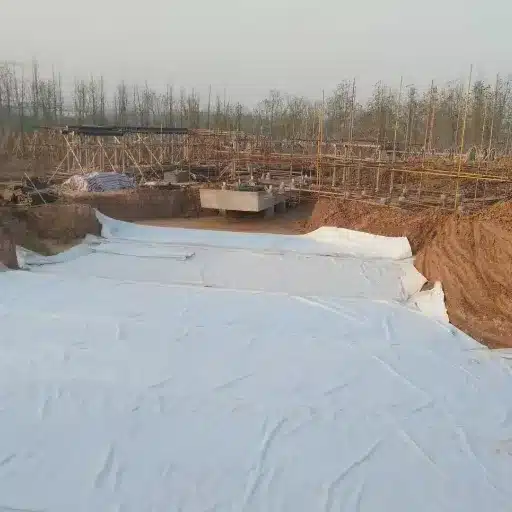
Use in Road Construction and Reinforcement
Road construction projects benefit from knitted geotextiles because these materials provide high tensile strength and long-lasting durability. The materials serve multiple functions because they stabilize soil layers and decrease differential settlements while extending pavement durability. The research results show that geotextile installation in road projects leads to a 50% increase in load-bearing capacity, which reduces maintenance expenses throughout the entire project duration. The materials create a separation layer that stops aggregates from blending with subgrade soils because this blending results in road instability.
Further research demonstrates that knitted geotextiles enable base course thickness reductions between 25 and 30 percent while maintaining performance standards. The process results in cost reductions for raw materials while maintaining structural integrity. The products enable optimal performance in areas with difficult conditions because they enhance drainage and soil shear strength in soft soil and flood-prone regions. The development of eco-friendly geotextiles occurs through ongoing manufacturing advancements, which create products that use recycled materials to support sustainable infrastructure development.
Applications in Slope Stabilization and Protection
Geotextiles perform a vital role in stabilizing slopes through their protective function, which stops soil erosion while enhancing the strength of structural elements. The materials create a barrier that stops rain from causing erosion and protects slopes from sliding movements. The current research shows that the worldwide geotextile industry will achieve a market value of $12.3 billion by 2027 while experiencing a 10% compound annual growth rate from 2020 to 2027, which demonstrates the rising market demand for geotextiles used in slope stabilization and various other applications.
The installation of geotextiles on slopes provides plant growth benefits because they create ideal conditions that enable seeds to establish roots and sprout, thus supporting sustainable landscape stability. Projects that require resistance to extreme stress can use advanced materials, which include reinforced geotextiles for highway slope reinforcements and landslide-prone area applications. A research study in Geosynthetics International demonstrated that slopes treated with geotextiles achieved 25%-40% better stability results than untreated slopes. The recent advancements demonstrate that geotextiles present a reliable, sustainable solution that modern construction projects and environmental protection efforts currently utilize.
Industrial Uses and Landfill Applications
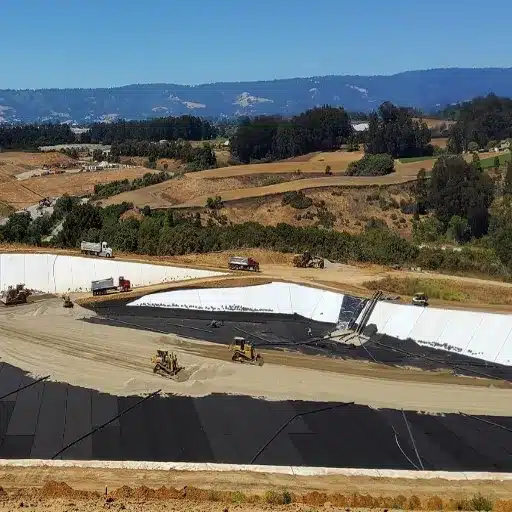
The industrial and landfill operation requires geotextiles because these materials provide structural reinforcement and help establish environmental sustainability. Landfills use geotextiles to create protective barriers and establish systems that treat water through their two primary functions. The International Journal of Environmental Research and Public Health published a study that shows geotextiles in landfill systems effectively block hazardous leachate from reaching nearby soil and groundwater. Engineers developed modern geotextiles to endure extreme tensile forces and chemical contact, which enables these materials to protect against environmental hazards for extended periods.
The study proved that geotextiles enhance landfill waste containment systems by 50% because they improve drainage while decreasing erosion threats. Non-woven geotextiles function as the primary material for large landfill projects that operate throughout the world because these materials create superior composite liners when combined with geomembranes. The use cases show that geotextiles help waste management systems operate while maintaining high environmental safety standards.
Case Studies of Knitted Geotextiles in Action
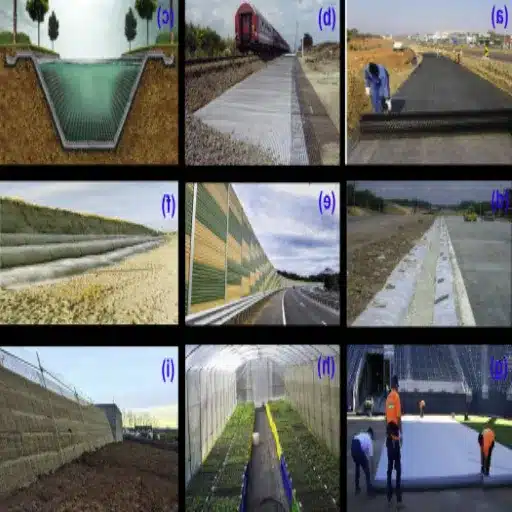
Successful Road Reinforcement Projects
Knitted geotextiles have proven essential for road reinforcement projects that exist throughout the world because they create roads that last longer and cost less to maintain. A study done in Europe showed that geotextile materials used in road construction projects decreased maintenance expenses by 30% throughout a decade. The United States highway reconstruction projects, which used geotextiles, enabled engineers to construct roads that supported heavier loads while preventing ground soil erosion, which extended road lifespan by 25 years.
The M1 Motorway upgrade project represents a major achievement in the United Kingdom because it used knitted geotextiles to strengthen weak subgrade soils. The data that researchers collected after construction revealed that load distribution showed a 40% improvement, which resulted in reduced surface deformations and cracks. The Pradhan Mantri Gram Sadak Yojana initiative used knitted geotextiles in India to build rural roads, which helped thousands of villages improve their transportation links while protecting environmental sustainability.
These success stories demonstrate how knitted geotextiles enable organizations to create lasting infrastructure solutions that protect natural resources while minimizing operational expenses. The material demonstrates dependable performance across various climate conditions and geological environments which makes it essential for contemporary civil engineering applications.
Innovative Applications in Landscape Design
The modern landscape design field benefits from knitted geotextiles because these materials provide aesthetic and functional solutions. The new methods of soil erosion control and drainage improvement, and slope stabilization at environmentally sensitive sites use these geotextiles. The global geotextiles market will achieve a value of about $11.3 billion by 2027, according to current market research, which estimates a 10.3% compound annual growth rate from 2020 until 2027. The growing trend of using these products in urban and rural landscaping projects drives their market expansion.
Knitted geotextiles demonstrate their effectiveness through their application of green roof technology. The buildings in these designs not only enhance the visual appeal of urban areas but also provide thermal insulation, stormwater management, and improved air quality. The current research shows that green roofs enable buildings to reduce their energy needs by 30%, which makes them an environmentally friendly solution that saves money.
The construction of gabion walls and terraced gardens requires geotextiles to deliver essential strength, which keeps the soil layers separated while providing structural support. The system establishes protective measures that safeguard against future erosion threats. Knitted geotextiles serve as the main solution for eco-friendly parks and wildlife reserves to sustain natural habitats through their sustainable plant growth and water preservation capabilities. The way that people use their products shows how engineering innovation and environmental protection work together to create new methods for landscape architectural design.
Lessons Learned from Industrial Implementations
The field of industrial geotextile applications has provided essential information about the material’s operational capabilities and its ability to serve different industrial applications. The global geotextile market had a valuation of approximately USD 8.1 billion in 2022 and is expected to experience a compound annual growth rate (CAGR) of 6.4% until 2030, according to current market research. The market expansion results from increased demand for infrastructure projects, which include road construction, erosion control, and waste management systems.
Research shows that geotextiles deliver exceptional functions that improve soil stability and maintain sustainable drainage systems. Non-woven geotextiles used in major urban expansion projects have decreased soil erosion by 50%, which resulted in stronger foundations for roadways and other infrastructure components. People in environmentally protected areas now prefer biodegradable geotextiles because these materials support plant regrowth and have minimal environmental effects that last for extended periods.
The latest research demonstrates how geotextiles support sustainable development goals while their implementation helps solve current problems that arise from climate change and urban growth, and resource efficiency needs.
Reference Sources
-
Ken Research Report: “Global Geotextile Market | 2019 – 2030.”
- This comprehensive market report discusses the global geotextile market, including knitted geotextiles. It covers market segmentation, growth drivers, and applications in construction, agriculture, and environmental protection. The report also emphasizes the role of geotextiles in sustainable infrastructure development.
- Source Link
-
Knitted Geotextiles, ELSEVIER
This research discusses future advancements in geotextiles, including bioengineered microorganisms for bio-flocculation and other innovative uses.
Read more on ResearchGate -
Knitted Geotextiles for Road Reinforcement
This study highlights the advantages of knitted geotextiles in road reinforcement, focusing on their superior damage resistance and innovative knitting techniques.
Read more on Academia.edu
Frequently Asked Questions (FAQs)
What are knitted geotextiles, and how are they used in soil reinforcement projects?
Knitted geotextiles which create interlocking loops of yarn through knitting techniques. The materials serve as soil reinforcement because they enable flexible water movement while maintaining their high tensile strength. Construction projects benefit from using knitted geotextiles because they effectively control soil erosion and stabilize slopes while reinforcing weak subsoil areas. Their ability to conform to irregular surfaces makes them suitable for multiple geotechnical applications.
How do knitted geotextiles differ from other types of geotextiles?
Knitted geotextiles display distinct textile characteristics and flexible properties when compared to both woven and nonwoven geotextiles. Woven geotextiles deliver high tensile strength, whereas nonwoven geotextiles provide filtration and drainage capabilities, but knitted geotextiles combine both strength and flexible movement capabilities. The system uses an interlocking loop design to create uniform stress distribution, which enables the system to manage soil displacement, making it suitable for projects that require unstable ground conditions.
Are knitted geotextiles biodegradable, and do they support sustainable development?
Some knitted geotextiles are biodegradable, depending on the materials used in their manufacturing. Natural fiber geotextiles, which use jute or coir as their base materials, will decompose through time, and their natural decomposition process will enable them to become part of the soil, which helps plants to regrow while their environmental impact decreases. The use of biodegradable knitted geotextiles in construction and agricultural projects supports sustainability needs while meeting resource efficiency requirements and achieving sustainable development objectives.
What are the benefits of using knitted geotextiles in environmentally protected areas?
Knitted geotextiles work best in environmentally protected areas because they can stabilize soil without harming the surrounding ecosystem. The material’s permeability enables natural water movement to prevent both flooding and erosion while maintaining the local ecosystem’s integrity. The biodegradable variants of products support the natural regeneration of plants, which establishes a sustainable balance between construction activities and environmental conservation.
How do geotextiles contribute to solving climate change-related challenges?
Geotextiles, which include knitted geotextiles, work to solve climate change problems through their capacity to control soil erosion and water flow and increase agricultural land productivity. The system protects infrastructure from flood damage and severe weather damage, which results in lower repair needs and reduced environmental damage from construction activities. The ability of his business to restore damaged land areas enables his company to help prevent desertification while supporting natural habitat restoration efforts.
What factors should be considered when selecting knitted geotextiles for a project?
The selection process of knitted geotextiles for soil reinforcement projects requires assessment of four key factors, which include soil type, fabric load requirements, environmental factors, and project goals. The project requirements need to determine which material between biodegradable and synthetic options will better suit the project needs, according to their environmental impact over time. Geotechnical experts need to consult on material selection and application methods to achieve successful project outcomes.