Last updated:
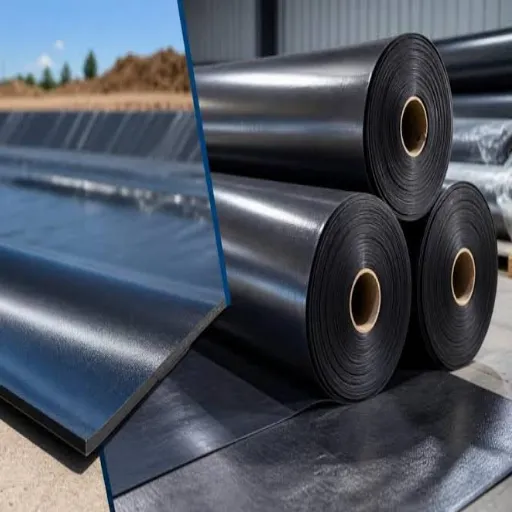
Concrete cloth is a flexible, cement-filled fabric that hardens after hydration into a protective concrete layer. In aquascaping, it can protect a pond liner, while erosion-control applications require a design for the ground, water flow, joints, and edges.
A pond builder and a drainage contractor may order a similar-looking roll for different jobs. One needs to protect a water-retaining liner. The other needs to shield exposed soil from flowing water. Before comparing products, decide which function your project needs and how the completed work will be checked.
Key takeaways
- Separate liner protection, seepage reduction, and complete liquid containment when specifying the system.
- Match the exact product and grade to the exposure and approved installation details.
- Resolve substrate support, joints, anchors, and water supply before opening rolls.
- Treat surface erosion control and overall slope stability as separate design questions.
- Compare complete installed scopes, including inspection and handover records.
What concrete cloth does in an aquascape
How hydration changes the flexible fabric
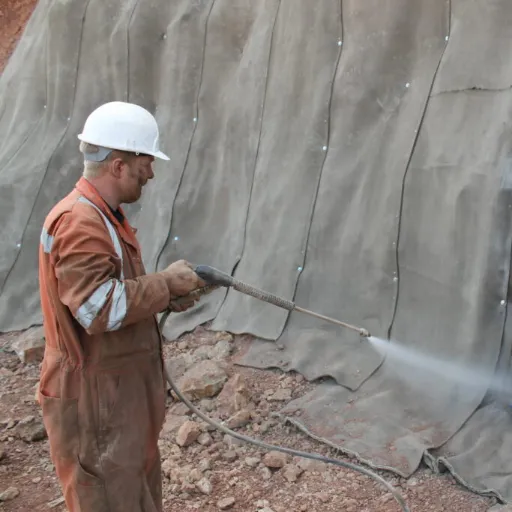
The material arrives in a flexible form, allowing installers to position and cut it before wetting. Water starts the cement hydration process and the placed layer hardens. The selected grade determines its construction, handling needs, and intended application.
Use the actual manufacturer’s instructions when planning the work. The Concrete Canvas product overview provides a named example of this material category.
Geosynthetic cementitious composite mat, abbreviated GCCM, is the broader technical term used in specifications. Concrete Canvas is a brand name. A description such as concrete fabric or concrete cloth needs a product designation alongside it so buyers can identify the proposed material.
Roll format matters during procurement. A smaller roll intended for manual handling and a bulk roll requiring lifting equipment create different access plans. Check delivery mass, roll dimensions, unloading arrangements, and the route from storage to placement. A compact package still needs a safe lifting assessment.
Identify the job of each layer
For water features, start with a section drawing showing the ground, any protective layer, the liner, and the proposed finish. Label the function of each layer. This helps the installer resolve where protection is needed and keeps the water-retaining component visible in the specification.
Illustrative scenario. A pond builder wants to place decorative stone beside a lined basin. The buyer asks for concrete cloth to protect the liner. Before choosing a roll, the team needs an agreed assembly drawing covering the stone contact areas, the liner, and pipe details. This is a selection example without a claimed project result.
Aquascape describes its product as protection for pond liner in water-feature construction. Keep that application description tied to the product and its installation guidance. The phrase alone cannot establish the suitability of another supplier’s material. Aquascape product guidance
For brand identification, use our guide to Concrete Canvas product terminology. Record the exact product and intended layer function before requesting a specification or quotation.
Concrete cloth water-tightness limits in ponds and water features
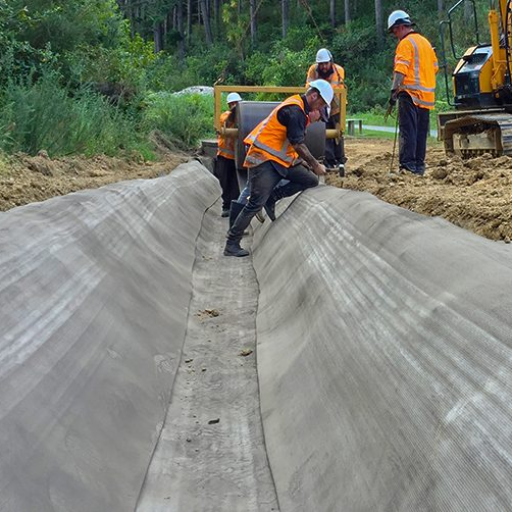
Separate protection from liquid retention
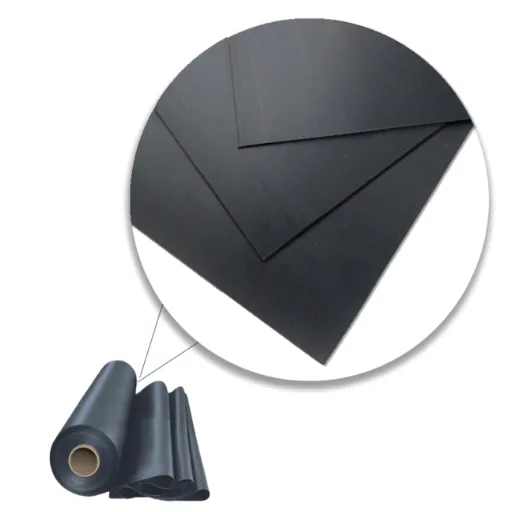
A backing described as waterproof addresses one component of the assembly. A complete pond also has joints, edges, corners, pipe penetrations, and connections to other structures. Each detail needs a defined water-retaining path and an acceptance method.
Use the following questions to separate the possible functions during design discussions. They are a planning framework rather than a product performance table.
| Intended function | Question to resolve | Evidence to request |
|---|---|---|
| Protect an existing pond liner | Where does the protective layer sit, and what contacts it? | Compatible assembly detail and selected-product instructions |
| Reduce seepage through a lined channel | What seepage criterion applies to the completed lining? | Specified material, joint details, and project acceptance basis |
| Retain water in a basin | How is the barrier continuous through every connection? | Complete barrier design, seam requirements, and inspection plan |
| Protect a slope surface | How are the covering and its edges secured? | Ground assessment, anchoring details, and erosion design |
The manufacturer presents CC Hydro as a dedicated containment product with a barrier and thermally welded joints. It illustrates how a containment specification extends beyond selecting a cement-filled fabric. Keep its branded system requirements attached to that system when comparing alternatives. CC Hydro technical overview
Resolve position, joints, and penetrations
Ask the pond designer where the cloth belongs in the proposed build-up. Protection above a liner and protection below it involve different contact surfaces and installation sequences. Confirm compatibility with the actual liner, adhesives, sealants, and adjacent materials before adopting either arrangement.
Continue the illustrative pond scenario at the pipe entry. Who designs the connection between the pipe and liner? Which contractor inspects it before the finish conceals it?
Put those responsibilities on the drawing and inspection plan. A supplier’s description of the cloth cannot answer them for the whole pond.
Request drawings for wall transitions and exposed perimeter details as well. An acceptable flat-panel sample leaves those interfaces unresolved. Make the inspection points accessible during construction so the team can check the connections before later work covers them.
Ask about aquatic exposure
For ponds with fish or plants, request evidence applicable to the exact product, cured condition, water contact, and intended use. Include sealants and joint materials in that review. Ask who approves cleaning, initial filling, and any water-quality checks before stocking.
Record a separate requirement if drinking-water contact is part of the project. Ask for the applicable approval and its scope for the exact material and use. Have the responsible designer review that documentation alongside the pond assembly and joint details.
Use the pond liner selection guide to prepare the barrier-material questions. Keep liner selection and the cloth’s protective role explicit in the same scope of work.
Erosion-control applications and design limits
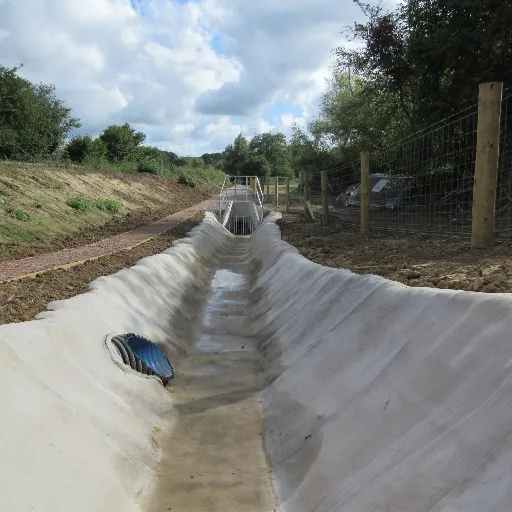
Channels and watercourse transitions
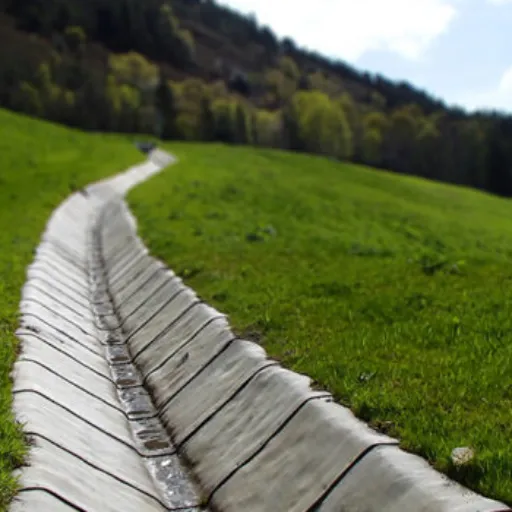
Channel lining and slope surface protection are established application categories described by the manufacturer. Selection still depends on the particular ground and hydraulic conditions. Define flow direction, changes in level, inlet and outlet connections, and areas where the lining joins existing structures. Concrete Canvas product applications
For a drainage channel, ask the designer to address expected flow, debris, abrasion, and maintenance access. Identify bends, outlets, and changes in section on the layout. These locations deserve explicit details because a continuous-looking covering can conceal a poorly supported transition.
Where seepage or groundwater is present, ask how the design addresses water beneath the lining and any uplift concern. Include the designer’s drainage requirements in the installation scope. Avoid choosing anchors from a generic photograph or adopting another project’s overlap dimension without review.
Illustrative scenario. A drainage contractor is repairing a channel beside a restricted access track. The visible defect is a local washout near an edge.
The project team first needs to resolve the supporting ground and termination detail. Roll handling and water delivery then become part of the construction plan. No installation rate or repair outcome is assumed.
Surface protection and ground stability
The manufacturer’s slope FAQ distinguishes surface erosion protection from geotechnical retention. A covering can address exposure at the surface while the stability of the ground requires its own assessment. The project designer should resolve movement, groundwater, and retaining requirements before approving a lining. Slope-protection FAQ
Ask what failure the proposed work is intended to address. Soil washing from the face, loss of support beneath an edge, and movement of an entire slope lead to different design questions. Give the designer site observations and drawings so the proposed scope responds to the actual concern.
For riverbanks or tidal settings, request exposure-specific evidence and hydraulic details. Include the proposed maintenance activities and access loads in the review. A material category name supplies no project-specific capacity or permission to use the product in a watercourse.
Our guide to GCCM selection and specification checks covers the wider material-selection context. Keep the local channel or aquascape drawings alongside that background guidance when preparing the project package.
Installation checks before hydration
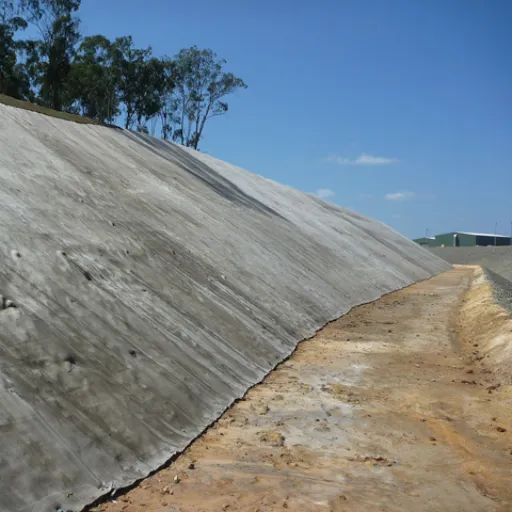
Use the selected product’s current instructions and approved project drawings to set the installation sequence. ASTM D8173-23 provides general GCCM installation guidance within its published scope. The checklist below organizes questions for the method statement. ASTM D8173-23 scope
1. Accept the substrate and resolve voids
Inspect the prepared ground before covering it. Mark soft areas, loose debris, protrusions, voids, and abrupt changes in shape for resolution under the approved design. Agree who accepts the substrate and what evidence they need.
Photograph transitions and repaired areas while they remain visible. Confirm that any specified drainage or underlying liner work is complete. A smooth-looking surface still needs the agreed inspection and release before panel placement begins.
2. Confirm roll handling and panel layout
Check each delivery against the approved product, grade, quantity, and batch records. Plan dry storage, lifting equipment, handling routes, cutting areas, and safe access. Use delivered roll mass and dimensions when checking the handling method.
Prepare a panel layout showing orientation, cuts, overlaps, terminations, and penetrations. Include overlaps and shaped details in the quantity takeoff. Keep the permitted joint arrangement linked to the selected product instructions and project drawings.
In the illustrative channel repair, a narrow access track could govern the delivery and lifting arrangement. The buyer should price that arrangement with water delivery and waste handling. Ordering by covered area alone leaves those tasks outside the comparison.
3. Resolve joints, anchors, and connections
Before wetting the material, check that the crew has the required joint materials, fixings, tools, and approved details. Resolve corners, changes in level, tie-ins, and pipe openings on the layout. Record who can authorize a departure from the drawings.
Set inspection points for joint and edge work before it becomes concealed. For a water-retaining assembly, include the specified barrier inspection or seam-testing requirements. Joint acceptance needs a defined criterion and a responsible reviewer.
4. Hydrate and protect the placed material
Confirm the water source, delivery route, hose reach, and supply needed for the planned work area. What happens if that supply stops? Agree a response with the responsible supervisor before opening rolls. Read the selected grade’s instructions for water quantity, application, working time, and curing protection, then schedule the crew and weather checks around them.
The manufacturer’s contractor resources emphasize support, securing the material, controlling ingress at joints and edges, and full hydration. Use the relevant installation and hydration documents to develop the project method statement. Their scope supplies a planning basis for the crew. Contractor support resources
Record the product, placed area, conditions, hydration method, observations, and any corrective work. Give this record to the person accepting the installation. Resolve their findings before reopening the channel or filling the water feature.
5. Accept the work before returning it to service
Inspect the surface, joints, edges, anchors, and connections against the drawings. Document outstanding defects and assign responsibility for corrections. Agree which records are required before the work is accepted.
Confirm the release conditions for flow, maintenance access, or pond filling with the responsible designer and selected-product instructions. Give the owner the as-built layout, product records, inspection results, and maintenance requirements. Keep those records available for future repairs.
Compare concrete cloth with alternative systems
Compare systems against the same required function and site constraints. The table gives questions for an options review, with final selection left to the project design.
| System under consideration | Role to assess | Questions for the comparison |
|---|---|---|
| Cementitious composite mat | Protective or erosion-control layer | Which grade, support, joints, anchors, and hydration work are included? |
| Poured concrete | Designed concrete lining or other specified concrete work | What section, reinforcement, joints, access, and curing scope are required? |
| Protective geotextile | Protection or another specified textile function | Which contact conditions, protection properties, and adjacent layers apply? |
| Geomembrane liner | Liquid-retaining barrier | How are seams, penetrations, protection, and acceptance testing specified? |
| Articulated concrete block mat | Designed erosion-protection system | What hydraulic design, filter layer, edges, and handling method are required? |
If block systems are being considered, our guide to articulated concrete block mats introduces that alternative. Ask the designer to compare it against the same flow and support conditions used for the cloth option.
Compare the complete installed cost
Separate material supply from freight, unloading, storage, preparation, drainage, placement, jointing, hydration, inspection, and handover. Add the cost of access restrictions and temporary works where the project requires them. Ask bidders to state exclusions beside the corresponding work item.
Illustrative scenario. Two offers cover the same basin area. One includes barrier joint inspection, while the other lists only roll supply and placement. The buyer needs equivalent scopes before deciding which offer costs less. The comparison contains no assumed saving or supplier performance claim.
Use the same approach for environmental comparisons. Request product-specific documentation and a common basis for the completed function. Material quantity, transport assumptions, and expected maintenance belong in that comparison. A percentage taken from another application can obscure the scope being assessed.
Consider access for future inspection and repair as part of the options review. Ask how the chosen finish affects visibility of edges and connections. Where planting or a particular appearance is required, include that objective in the design brief so it can be assessed alongside erosion protection.
Inspection, documentation, and current test-report checks
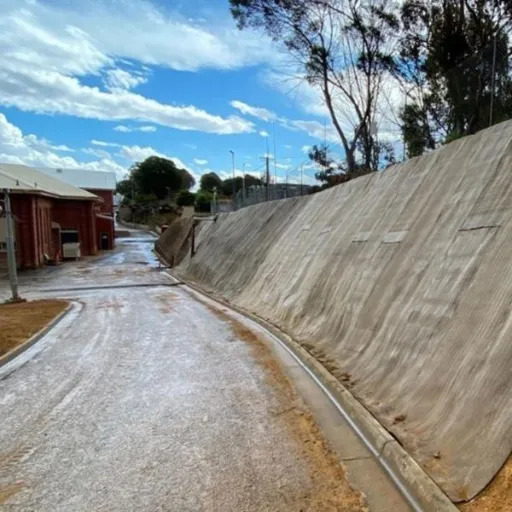
Plan inspection around the installation
Create an inspection baseline at handover, with dated photographs and locations that can be found again. Agree the inspection schedule and event-triggered checks with the designer and owner. Keep access requirements in the maintenance plan so inspections can be performed safely.
Useful observations include open joints, displaced edges, damaged areas, loss of support, deposits, and changed flow paths. Record what is visible, its location, and whether it differs from the handover photographs. Ask the responsible designer to assess defects and approve the repair method where needed.
For an inspection record, use fields for location, observation, photograph reference, date, reviewer, proposed action, and closure evidence. For example, a blank template could include an entry headed “outlet transition” with space for an observation and assigned reviewer. This is a record format, without an assumed site defect.
Keep replacement materials and proposed repair details traceable to the installed product. Record any later pipe work, excavation, or maintenance that changes the original arrangement. Updated drawings help the next inspector understand which details have changed since handover.
Check the role and edition of each standard
ISO published ISO 9862:2023/Amd 1:2026 in September 2026. Its catalog identifies the amendment as sample preparation for geosynthetic cementitious composites. When reviewing test documentation, ask the supplier which sampling basis and edition apply to the submitted report. ISO amendment catalog
Keep three document functions distinct. ASTM D8364/D8364M addresses the GCCM material specification in its public catalog scope. ASTM D8173 concerns installation guidance. The ISO amendment concerns sample preparation.
Each reference needs to be connected to the relevant product report or project requirement. ASTM material specification catalog
Check the exact product and grade, laboratory, test method and edition, specimen identification, and reported result against the purchase specification. Separately review the installed work through the agreed acceptance records. A material report and a site handover record answer different questions for the buyer.
Concrete cloth selection questions and next steps
Can concrete cloth replace a pond liner?
Start by identifying the layer that retains the water. For an assembly using cloth to protect pond liner, preserve the liner’s role in the design. Any proposed replacement requires a complete barrier system with defined joints, penetrations, terminations, compatibility evidence, and acceptance criteria.
Does it stabilize a slope?
Surface erosion protection and slope stability need separate review. Ask the project designer to establish whether the concern involves surface washout, groundwater, movement, or retaining support. Then specify the role of the covering within the approved design.
When can the system return to service?
Use the selected product instructions and the agreed site acceptance criteria. For example, the Concrete Canvas FAQ describes a 2-hour working window and hardening to service performance specifications in 24 hours for its product. Manufacturer working-time FAQ
Ask the designer how those instructions apply to the planned work and what additional conditions govern pond filling or aquatic use. Document the release decision in the handover records.
What should a buyer send for a quotation?
Compile the required function, drawings, covered area, ground conditions, exposure, site access, water supply, and proposed programme. Identify the selected product or the evidence needed to assess an alternative. Ask bidders to list joint materials, anchoring, liner protection, waste handling, and inspection responsibilities. Require clear inclusions and exclusions for each item so the buyer can compare equivalent work.
For the illustrative pond, the package needs liner and protection details, pipe connections, and aquatic-exposure requirements. For the channel repair, it needs ground preparation, terminations, handling access, hydration arrangements, and release criteria. Both packages should identify who accepts the completed work.
Before requesting a quote, prepare that project package and use the linked selection guides to close remaining specification questions. Concrete cloth becomes easier to assess when its function, installation details, and acceptance evidence are clear.