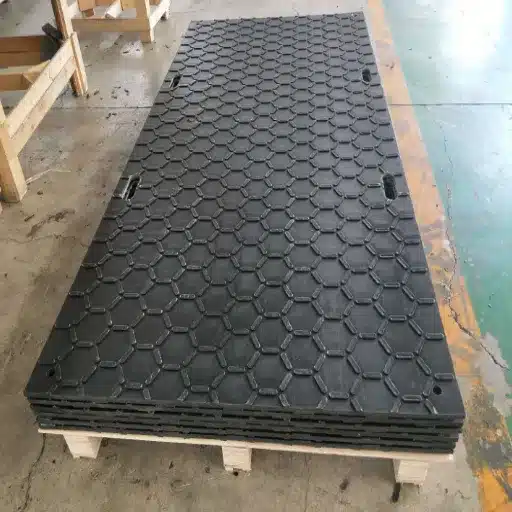
Soft soil conditions create unstable areas that impede the development of secure paths for vehicle movement, equipment transport, and personnel movement. Temporary road mats create a practical solution that needs assessment to determine the suitable choice between lightweight mats and heavy-duty mats. The project requires two options, which present different benefits that depend on three factors, including surface conditions, weight requirements, and project goals. The article will compare lightweight road mats against heavy-duty road mats to assist you in selecting the most suitable option for your requirements. The guide offers essential information that helps you maintain efficient operations for construction sites, outdoor events, and environmental projects.
Understanding Temporary Road Mats
What are Temporary Road Mats?
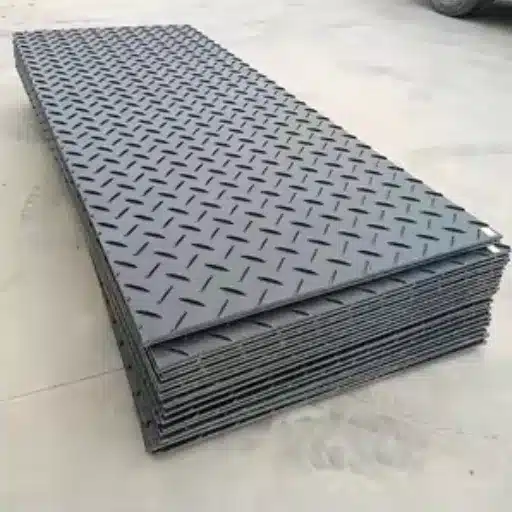
Temporary road mats function as portable ground solutions that provide three main advantages through their capacity to maintain surface integrity and protect spaces, and enhance site access for various operational needs. The common practice involves using these materials to build temporary road systems and work areas, and protective fences that secure delicate ground zones. The mats consist of three different materials, which include high-density polyethylene (HDPE) and composite materials and metal components which each deliver distinct benefits according to specific demands. The construction, oil and gas, utilities, and event management industries use these materials because they offer multiple practical uses.
According to recent data, HDPE road mats have gained popularity because their lightweight design allows them to endure up to 80 tons of pressure, which depends on their specific design. The steel road mats become the primary choice for heavy-duty work because these mats enable load capacities that exceed 100 tons. The modern road mats include interlocking systems as their essential component, which provides stability by stopping movement during periods of high usage.
Users have multiple options for temporary road mats, which come in various dimensions because common sizes range from 4’x8′ to 7.5’x14′. The product includes anti-slip surfaces, which create essential safety measures for users who operate in wet or muddy environments. The road mats, which protect environmentally sensitive areas, use special designs to create lower ground pressure, which limits vegetation damage and stops soil compaction.
The process of selecting the correct road mat for a construction site or large outdoor event results in better logistical operations, safer work areas, and reduced harm to the environment.
Types of Temporary Road Mats
- Heavy-Duty Road Mats
The mats provide support for construction equipment and vehicles that operate in industrial construction environments. The mats constructed from high-density polyethylene (HDPE) and composite blends create sturdy materials which withstand heavy loads in extreme environmental conditions. The interlocking systems of the mats provide secure placement, which maintains stability throughout their use. - Lightweight Access Mats
Lightweight access mats serve two purposes because they support both pedestrian walkways and smaller vehicles while providing temporary surface protection for events. The mats can be transported and installed with greater ease, which makes them an affordable solution for applications that require less equipment. - Composite Road Mats
Composite mats serve multiple purposes because they provide durable strength, which enables temporary road construction and terrain stabilization in regions with wet or swampy, or muddy conditions. The surfaces of the product prevent slipping while its material properties provide flexibility, which makes it suitable for construction projects that involve unknown ground conditions. - Eco-Friendly Ground Protection Mats
Eco-friendly mats serve particular environmental zones because they protect native plant life, soil, and natural habitats from damage. The majority of products use recycled materials while their design allows weight distribution to minimize soil compaction, which maintains the natural landscape. - Metal Road Mats
Metal road mats, which engineers design for maximum weight capacity, use steel or aluminum materials to create suitable solutions for industrial operations. The mats offer exceptional strength and extended lifespan because they withstand multiple usages in extreme operational environments.
The selection of a temporary road mat type requires assessment of project needs, which include weight capacity, environmental factors, ground conditions, and installation requirements. The combination of recent data insights with user requirements and site conditions supports the process of making another choice.
Materials Used in Road Mats (HDPE, UHMW, Polyethylene)
Temporary road mats are manufactured using high-performance materials designed to withstand challenging environments. The following list presents essential materials that construction projects commonly employ.
High-Density Polyethylene (HDPE)
HDPE stands as a flexible yet resilient plastic material that engineers use for its strength-to-weight property. The material demonstrates outstanding protection against impacts and environmental forces, which makes it suitable for demanding operational needs. The lightweight design of HDPE road mats enables users to carry them easily, while the mats deliver superior performance across multiple types of terrain. The materials used in construction protect against chemicals, moisture, and UV ray damage, which results in extended product life. HDPE mats, which contain a specific design and structural configuration, can support loads reaching up to 80,000 pounds, which makes them ideal for projects that require transporting heavy equipment.
Ultra-High-Molecular-Weight Polyethylene (UHMW)
The polymer UHMW belongs to the polyethylene family because it contains molecular weight values that exceed standard polyethylene limits. The material maintains its original shape because its low friction coefficient prevents damage from extreme pressure. UHMW road mats are designed for use in environments that demand high performance during extreme conditions that occur during oil and gas exploration and operation in rough construction sites. The material exhibits tensile strength that can surpass 20 MPa, making it ideal for projects that require materials with extended durability.
Polyethylene
The general-purpose material polyethylene finds widespread usage because of its flexible nature and economical price. The material provides an affordable option for less demanding applications, although it lacks the strength characteristics of HDPE and UHMW materials, which provide industrial-grade protection. They remain suitable for creating temporary pathways or protecting soft ground and vegetation during medium-load operations. The materials show improved usage characteristics when manufacturers develop polyethylene through specific composite combinations with their own proprietary materials.
The process of choosing an appropriate temporary road mat requires people to comprehend the various assessment criteria involved in this decision.
Comparing Lightweight and Heavy Duty Mats
Advantages of Lightweight Mats
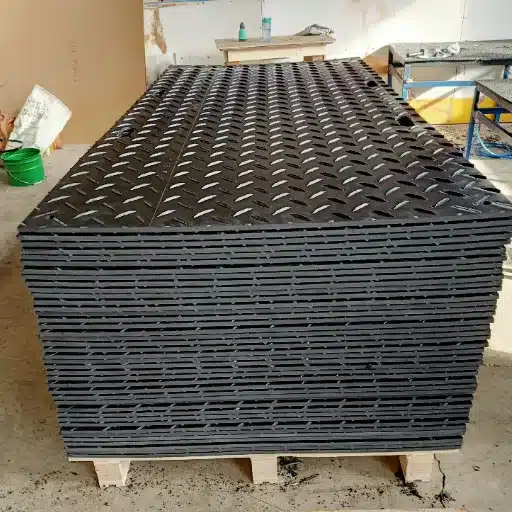
The combination of lightweight mats with advanced polyethylene materials, which contain HDPE, provides multiple advantages for temporary roadways and workspaces. The primary benefit of these products comes from their simple process of being moved and set up at different locations. The lightweight mats permit one worker to carry them because their weight is low, which leads to decreased costs for labor and faster installation times. Lightweight mats provide an optimal solution for projects needing fast deployment because they weigh 40-60% less than standard wooden and steel materials.
Their primary advantage lies in their ability to withstand various environmental conditions. The lightweight mats provide protection against water absorption and warping, and corrosion, which makes them valuable for construction, oil and gas, and outdoor event industries. Industry experts have found that these mats can support weights between 80 and 100 tons, which depends on the specific material composition and design of the mats.
The reusability and recyclability of lightweight mats make them a better choice for the environment. The use of recycled polyethylene by manufacturers has become common because it helps them achieve lower carbon emissions. The development of material science in 2023 has enabled some lightweight mats to provide a sustainable solution for temporary access requirements that lasts for 10 years of regular use.
Advantages of Heavy Duty Mats
The heavy-duty mats deliver impressive strength and reliability throughout their performance when facing extreme operational conditions. The equipment enables construction, oil and gas, and heavy transportation industries to manage loads that exceed 200 tons. The current mats people use today are made from high-density polyethylene (HDPE) and composite materials, which protect against physical damage, chemical damage, and extreme temperature changes.
Engineers have developed new heavy-duty mat designs that outperform existing products according to current research findings. The present interlocking systems create improved surface stability, which prevents slippage while maintaining ground stability. Certain heavy-duty mat designs feature non-slip textured surfaces, which improve safety when heavy machinery operates.
The market now sees a growing demand for environmentally-friendly products. Leading manufacturers achieve sustainable development by using recycled materials, which make up 50% of their products, while maintaining product strength. The HDPE heavy-duty mats can withstand 15 years of daily usage before they need replacement, which helps to minimize waste. Users can recycle the mats after they complete their specific usage duration.
The industrial sector depends on heavy-duty mats because these solutions provide environmentally friendly options that match the increasing global market needs.
Disadvantages of Each Type
Industrial organizations must evaluate the specific disadvantages that every type of heavy-duty mat presents before they choose their preferred matting solution. HDPE mats provide long-lasting durability, but their surfaces become dangerous when wet because they turn into slippery conditions. The materials require more financial investment because they need to be paid upfront, which creates challenges for smaller enterprises. Users of composite mats need to manage additional weight, which lets them experience better strength and load distribution abilities. The system requires skilled workers for its complete setup operations, which also creates extra financial expenses. The excellent traction and shock absorption properties of rubber mats get compromised because extreme weather and heavy chemical contact make them wear out more quickly.
A 2023 market analysis report showed that composite mat shipping and maintenance expenses reach 25% higher than the costs associated with HDPE materials. The disposal of HDPE mats needs special recycling centers, which make them recyclable, yet their disposal process requires special facilities. Recent research shows that only 60% of industrial HDPE products achieve successful recycling worldwide. Understanding these limitations is critical for businesses seeking cost-effective and sustainable solutions.
Application Scenarios for Road Mats
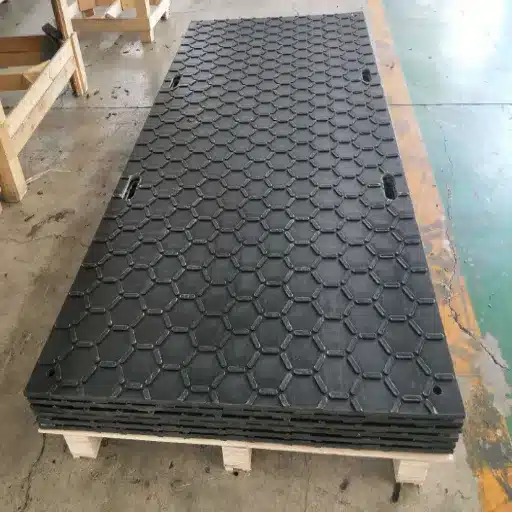
Construction Sites
Construction sites require road mats as essential equipment for their operations in areas with both uneven ground and muddy conditions, and all other types of challenging surfaces. The global market for construction mats will grow at a 6.2% compound annual growth rate (CAGR) during the period from 2023 to 2030 because current construction and infrastructure development projects are expanding throughout the world. Road mats create a secure base that enables heavy machinery to function while keeping workers safe and stopping environmental damage.
Construction teams use high-density polyethylene (HDPE) and composite road mats to create temporary roadways, which help them finish their site preparation work 30% faster, according to industry case studies. The mats achieve their weight capacity through their construction, which enables some models to handle loads that exceed 150 tons. The reusable nature of road mats makes them an eco-friendly option, which helps to create a more environmentally friendly construction process.
Event Management
The event management industry needs site road mats because these mats enable the successful operation of large outdoor events. The mats provide effective methods to handle challenging ground conditions through their construction of safe temporary road systems. The use of high-quality road mats enables event organizers to achieve 25-40% faster logistical setup times, which results in faster event setup and breakdown procedures according to current research.
The development of road mats provides logistical benefits while their premium models protect against vehicle and equipment weight up to 160 tons, which matches updated product specifications from leading manufacturers. The non-slip surfaces of their products provide better safety for vehicles and foot traffic, which helps organizations run their operations smoothly while reducing their accident risk.
The development of road mat technology now includes better recycling options and the incorporation of sustainable materials. The research demonstrates that event organizers who reuse these mats at different events can achieve about 35% cost savings compared to standard ground preparation procedures, which highlights their financial and environmental advantages. The industry maintains continuous improvement of its benchmarks, which helps road mats establish new criteria for environmentally friendly event management processes.
Utility Work and Emergency Response
Work in utility maintenance and emergency response activities relies on road mats as vital equipment necessary for completing their operations. The mats create a solid ground foundation that supports the movement of heavy equipment and vehicles through challenging ground conditions and severe weather conditions. High-density polymer road mats provide safe access to equipment because they can support loads reaching 120 tons, which includes cranes and utility trucks.
Emergency teams use road mats for quick deployment during natural disasters such as floods and hurricanes, which helps them create temporary pathways and staging areas to boost their recovery operations. The deployment of road mats during critical situations enables equipment to operate 40 percent better, which leads to faster and more effective work processes. The modern road mats provide modular design options together with interlocking design elements, which enable users to customize their setup for both scheduled work and emergencies. The features protect the environment from harm while they support sustainable response methods, which result in minimal effects on nearby ecosystems.
Best Practices for Using Road Mats
Installation and Setup
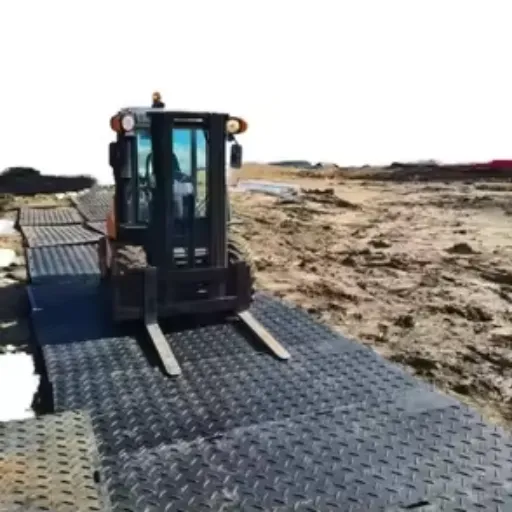
The installation and setup procedures execute their functions because these two elements determine how long road mats will remain effective on roads. The assessment of ground conditions must begin with the evaluation of soil type and terrain stability, as well as moisture levels, to determine which mats need to be installed and how they should be configured. Heavy-duty composite road mats provide their best performance for soft or unstable terrains because these mats deliver the strong support needed by heavy equipment and vehicles.
Modern industry reports demonstrate that composite road mats now possess advanced load-bearing capacity, which enables them to support up to 600 tons of weight, thereby making these mats suitable for demanding environments that include construction sites and oil exploration operations. The recommended method for mat placement involves creating a staggered pattern, which allows for load distribution while preventing stress concentration at specific points. Modern road mats use interlocking systems, which enhance their stability while making installation easier and preventing movement during heavy operational periods.
Research has proven that maintaining clean surfaces throughout the setup process helps to eliminate slippage problems and ensures proper fitting of equipment. The engineering study shows that thorough cleaning procedures enhance safety by 25% because they decrease the risks created by incorrectly placed mats. The use of correct equipment, together with following the manufacturer’s instructions, enables safe and effective mat assembly operations at the installation site.
Maintenance and Care
Complete proper maintenance together with outstanding care for heavy-duty mats, which leads to their extended lifespan and highest operational capacity. The process of cleaning surfaces must occur on a regular basis because it protects surface materials from damage. Pressure washers, along with industrial-grade cleaning products, achieve 95% dirt, oil and debris removal, which threatens to reduce mat traction and durability, according to research findings.
Mats require daily inspections to discover any possible damage. Cracks, together with warping or thinning, demonstrate material damage that needs immediate repair or replacement to establish safe conditions. Recent industry reports show that mats with visible damage suffer 40% greater failure rates during heavy loads than mats that remain undamaged. The organization recommends that organizations perform inspections every three months while recording all encountered problems to create a summary report about the mats’ current state.
Mats require proper storage during inactive periods to match their active usage duration. The storage area needs to maintain cool and dry conditions, which prevent direct sunlight contact, because ultraviolet light exposure leads to 20% material strength reduction after multiple years. The implementation of these care guidelines establishes safer conditions while decreasing expenses from excessive product replacements and promoting environmentally friendly usage methods.
Safety Considerations for Users
The mats need inspection because their various damage patterns, which include tears and thinning, and surface degradation, need to be evaluated. According to industry standards, damaged mats create safety hazards that can lead to accidents in both high-traffic areas and heavy-duty environments. The research demonstrates that surface damage decreases traction by 40%, which creates a greater danger of slips and falls.
Mats require material evaluation because different materials provide different levels of strength support for heavy loads. The industrial sector uses rubber mats because they provide exceptional durability combined with their ability to withstand high levels of pressure. The 2023 safety survey shows that workplaces that maintain their rubber mats correctly experience a 25% decrease in worker injuries from slips.
Mat maintenance through proper cleaning procedures extends mat service life while enhancing user protection. The National Floor Safety Institute (NFSI) states that improperly cleaned mats can trap dirt and moisture, which leads to a 30% decrease in effectiveness over time. The solution to these problems requires using non-abrasive cleaning agents together with regular cleaning schedule implementation, which will allow mats to protect users effectively.
Reference Sources
- A review of temporary roads and portable matting systems improving traffic resilience and disaster mobility
This article discusses the use of lightweight mats like TempoTrax made from recycled plastic and their ability to support heavy equipment on soft soils.
Source - An overview of portable roads and airfields: using matting systems as temporary and semi-permanent roads and airfields
This study highlights the application of lightweight and heavy-duty mats for supporting heavy machinery on poor ground conditions, including soft soils.
Source
Frequently Asked Questions (FAQs)
What are the key differences between lightweight and heavy-duty temporary road mats?
The design of lightweight temporary road mats enables their operators to manage them easily, while they can set them up quickly for their use at smaller project sites. The product uses high-density polyethylene (HDPE) as its main material because this material provides sufficient strength to support vehicles with moderate weight. The construction of heavy-duty road mats enables them to support extremely high loads, which include construction equipment and heavy machinery. The mats are constructed with increased thickness and weight, and they use stronger materials, which include composite and engineered timber to create a structure that supports vehicles without causing damage to soft or unstable soil.
When should I choose lightweight temporary road mats?
The lightweight mats provide an excellent solution for situations that require simple transportation and quick setup. The material serves its purpose in projects that need temporary access across soft soil, sand, and grass areas for landscaping, utility maintenance, and events. The mats handle foot traffic together with pickup trucks and small machinery weight requirements. The project needs lightweight mats because they provide flexible use and simple setup at an affordable cost.
Are heavy-duty road mats only meant for construction sites?
The mats exhibit multiple purposes, which enable their use in various settings apart from construction sites. The mats provide construction equipment operators with optimal support, which they need to operate cranes, excavators, and all other large construction vehicles. The heavy-duty mats create secure pathways that enable movement across difficult landscapes that include swamps and muddy areas, and soft soil. The materials can perform well in applications that require long-lasting strength to maintain their operational needs.
How do I decide the best mat thickness for my project?
The ideal thickness for temporary road mats depends on the weight of the equipment and vehicles being used, as well as ground conditions. The lightweight mats, which have a thickness range of half an inch to one inch, can be used for small to medium-scale tasks. The use of two to four-inch-thick mats provides better stability and protection for both soil and equipment during heavy-duty operations. The appropriate thickness can be determined through soil analysis and vehicle specification assessment.
What makes certain mats more suitable for soft soil?
Temporary road mats designed for soft soil usually have specific features, which include traction surfaces that provide better grip and materials that combine flexibility with strength. The mats use overlapping edges together with anti-slip textures to create stability, which prevents shifting across hazardous terrains. Heavy-duty options use load dispersal technology to distribute vehicle weight across their surfaces, which helps to minimize soil compaction and prevent damage. The correct material selection, which includes HDPE and composite materials, protects against wet conditions, muddy environments, and uneven surfaces.
How can I maintain and store temporary road mats effectively?
The operational life of temporary road mats requires proper maintenance and proper storage procedures for their protection. The operators need to perform a complete cleaning of the mats after their use because they need to remove all mud, moisture, and debris, which creates slippery conditions and damages equipment. The inspection process requires evaluation of damages, which includes detecting cracks and warping while performing required maintenance tasks. The storage area must maintain dry conditions with flat surfaces to protect mats from direct sunlight exposure, which causes material degradation. The implementation of scheduled inspection processes will enable proper maintenance of mats, which will ensure their optimal condition for future projects during their prolonged usage period.