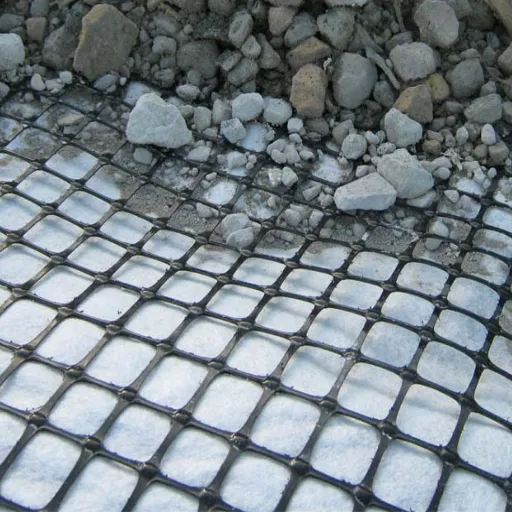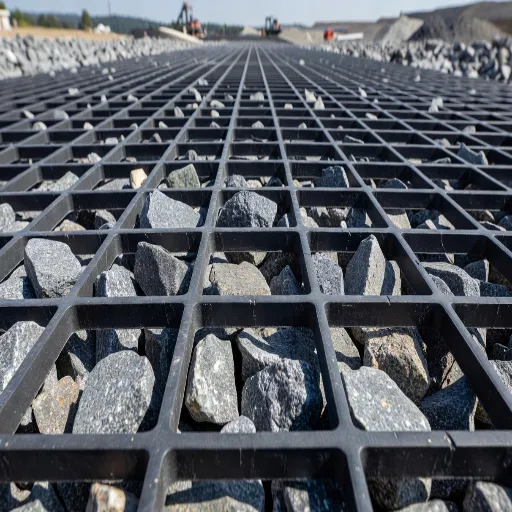
HDPE geomembranes have thicknesses varying from 0.5 mm to 3.0 mm, with 1.5 mm deemed the standard against which the performance of the majority of controlled containment applications is measured. The right thickness should depend on your subgrade conditions, mechanical loads, chemical exposure, regulatory requirements, etc.
There is a little surprising fact, almost all teams in the procurement department specify HDPE geomembrane thickness when they are given as selection standards. A 2024 study sampling 120 Civil Engineering projects found that 34% out of all the 120 surveyed overspecified the geomembrane thickness by at least one full grade. For most such projects, the material costs in geomembrane went up by at least 20 – 40%, still with no meaningful performance benefit. Thicker is not always better. The real skill lies in getting the right thickness for the risk.
When you choose a high-density polyethylene (HDPE) geomembrane liner, you know that the thickness of the HDPE liner influences project cost, installation complexity, and the integrity of containment work over the long run. Thickness data has to be trustworthy. For your special application, find guidance. Moreover, a supplier who can provide exactly what your project requires.
Thick HDPE geomembrane is the subject of this guide. In it, you will learn which methods you can use to determine the thickness of the geomembrane and what the standard ranges are. The right thickness must be determined for your ponds, landfills, mining, and industrial containment uses. We think of dealing with five forces, valuing every thickness decision. The easier it is to make common purchasing mistakes that can blow your budget, but we will give you a pragmatic procurement checklist for immediate utilization. If you are first foraying into geomembrane selection, you will find the complete detailing of materials, standards, and applications in our HDPE geomembrane engineering guide.
Key Takeaways
- HDPE geomembrane thickness varies from 0.5 mm to 3.0 mm. However, it is recommended that the 1.5 mm be thick for regulated containment.
- For example, recommendations vary as follows: 0.5–1.0 mm for ponds, 1.5–2.0 mm for landfills, and 1.5–3.0 mm for mining and industrial containment.
- Five key drivers of selection include subgrade condition, mechanical load, exposure to chemicals, UV/design life, and regulatory issues.
- However, GRI-GM13 requires a minimum measured thickness of not more than 10% over the nominal value.
- Costly increases in materials are evidenced through overspecification by one gauge, which can increase cost 20–40% with no commensurate gains in performance.
Quick Answer: The thickness of the high-density polyethylene (HDPE) geomembranes ranges from 0.5 mm (20 mil) to 3.0 mm (120 mil). For most regulated containment, the industry standard thickness is 1.5 mm (60 mil.-HDPE geomembrane). This is conventionally applied to Ponds and aquaculture, ranging from 0.5-1.0 mm to landfills, requiring 1.5-2 mm, while mining applications require 1.5-3 mm.
What Is HDPE Geomembrane Thickness and Why Does It Matter?
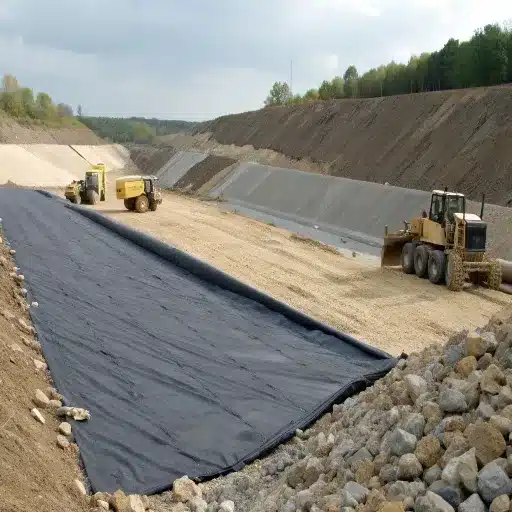
Calibrating the thickness of the liner starts with how it is measured. Thickness of the HDPE geomembrane-liner is the distance between its top and bottom surfaces in a direction perpendicular to the plane of the sheet. It is specified as a nominal value, but tolerances in manufacture and conditions of the field can lead to variations in the actual thickness, measuring slightly differently at different points.
Nominal vs Minimum Thickness
So when a 1.5 mm HDPE geomembrane is ordered, users are basically asking for a material that should be constructed to match the nominal thickness, which, in reality, would be slightly nonuniform across any given roll. GRI-GM13, which is the most popular standard that governs HDPE geomembranes, demands a single measurement be 10% above the nominal value. In simpler words, a 1.5 mm liner is practically a 1.35 mm thick liner across many measured points.
Most significant performance features that are affected by thickness include such parameters as directly, with puncture resistance, which is directly increased with an increase in thickness. For thicker materials, as a second point, we point out that weldability becomes better with this property, owing to the larger surface area on which fusion welding can occur on. Third, long-term stress crack resistance correlates with thickness because thicker plates can carry a point load without developing cracks before a later date.
Why Thickness Selection Is an Engineering Decision
Thickness is not something to choose from. It is a risk-based engineering decision that balances protection against cost. A pond liner on smooth clay faces fundamentally different risks than a landfill liner over coarse gravel. Specifying the same thickness for both would either under-protect the landfill or over-charge the pond project.
Need help matching thickness to your site conditions? Contact our engineering support team for a project-specific thickness recommendation.
HDPE Geomembrane Thickness Conversion: mm to mil
The geosynthetics industry uses two measurement systems. Metric countries specify thickness in millimeters. North American markets use mils, where one mil equals one thousandth of an inch.
| Millimeters (mm) | Mils | Common Label |
|---|---|---|
| 0.5 mm | 20 mil | Light-duty |
| 0.75 mm | 30 mil | Medium-light |
| 1.0 mm | 40 mil | Standard duty |
| 1.5 mm | 60 mil | Heavy-duty / industry standard |
| 2.0 mm | 80 mil | Extra heavy-duty |
| 2.5 mm | 100 mil | Critical containment |
| 3.0 mm | 120 mil | Maximum protection |
When communicating with international suppliers or reviewing tender documents, always confirm which unit system is being used. A misread specification between mm and mil can result in material that is 25 times thinner or thicker than intended.
HDPE Geomembrane Thickness Recommendations by Application
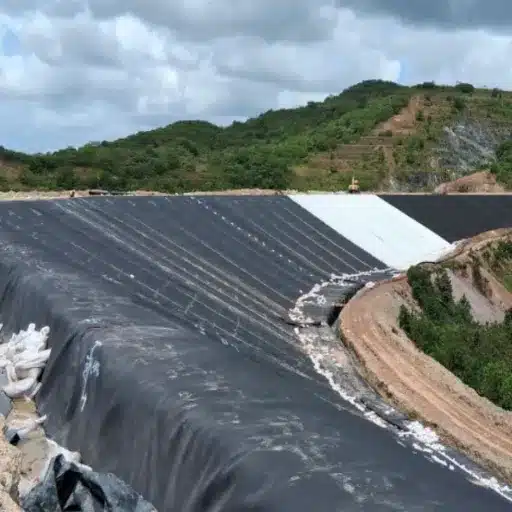
This guide to geomembrane thickness in fact breaks it down into the correct HDPE liner thickness for all main applications right from agricultural ponds to hazardous waste landfills. Basically, the proper HDPE geomembrane thickness for your project will depend on what will be inside, what is underneath the liner, and how long it is expected to last. Here are common recommendations used by most engineering applications.
Ponds, Aquaculture, and Irrigation: 0.5–1.0 mm
Fisheries, shrimp, ornamental water bodies, and irrigation canals have generally considered HDPE geomembranes in 0.5–1.0 mm thickness. Choosing the right pad liner thickness involves more sub-grade preparation, with each condition, species stocked, and exposure to conditions being considered. The least amount of mechanical stress, absolutely low chemical impact, and mostly very smooth bases are achieved for these cases. For aquaculture projects with rocky or really uneven bottoms, a step up closer to 1 mm in thickness is advisable, or an additional protective geotextile cushion beneath a 0.75 mm liner.
When Linh Phan decided to expand her shrimp farm in the Mekong Delta in 2024, Phan initially requested a 1.5mm molded liner based on a higher-spec generic specification that she found online. Upon site assessment, our engineering team recommended 0.75mm of HDPE with a 200 gsm nonwoven geotextile underlayment. The change led to a 28% material cost reduction for her self-prepared clay subgrade with the same level of puncture protection.
Water Reservoirs and Municipal Storage: 1.0–1.5 mm
Potable water reservoirs, basins for detention of stormwater runoff, and systems for municipal storage require a thickness from 1.0 to 1.5 mm. Buried water storage covered in well-prepared subgrades is 1.0 mm thick.
Landfill Base Liners and Leachate Systems: 1.5–2.0 mm
Municipal solid waste landfills are the closest regulated situations regarding geomembrane application. In the United States, there should be a minimum of 1.5 mm liner thickness for a final landfill liner as per the guideline EPA 40 CFR 258.40. This is the standard minimum thickness application that is used for most hazardous waste facilities, steep slopes, or even approvals from many states and international jurisdictions. Textured HDPE slope is usually recommended to improve the interface friction.
Mining, Heap Leach Pads, and Tailings: 1.5–3.0 mm
Aggressive chemicals encountered in mining operations, heavy equipment loads, and rough drainage materials all require that geomembranes be resistant to different kinds of environments. The thickness of geomembranes used varies, with 1.5 mm for 2.0 mm typically considered successful for heap leach pads, while 2.0 mm is strongly recommended for dynamic heaps or high normal stress. Tailings dams and critical containment may find 2.5 mm to 3.0 mm to be appropriate, depending on the physicochemical sides of tailings and subgrade conditions.
Industrial and Chemical Containment: 2.0–3.0 mm
Petrochemical storage, hazardous waste ponds, and secondary containment systems for industrial installations are one of the avenues requiring the maximum level of protection. These are applications that mostly say 2.0 mm to 3.0 mm thickness of HDPE geomembranes, with added chemical compatibility testing, particularly with regard to the chemicals that are being contained.
Table: HDPE Geomembrane Thickness by Application
| Application | Recommended Thickness | Key Considerations |
|---|---|---|
| Agricultural ponds/irrigation | 0.5–1.0 mm | Low stress; smooth subgrade preferred |
| Aquaculture / decorative ponds | 0.75–1.0 mm | Balance of durability and cost |
| Water reservoirs / municipal storage | 1.0–1.5 mm | UV exposure; slope stability |
| Landfill base liners (MSW) | 1.5–2.0 mm | EPA minimum 1.5 mm; textured on slopes |
| Hazardous waste landfills | 2.0–2.5 mm | Aggressive leachate; regulatory mandate |
| Mining/heap leach pads | 1.5–2.0 mm | Coarse drainage; chemical resistance |
| Industrial/chemical containment | 2.0–3.0 mm | Maximum puncture and chemical protection |
5 Critical Factors That Drive HDPE Geomembrane Thickness Selection
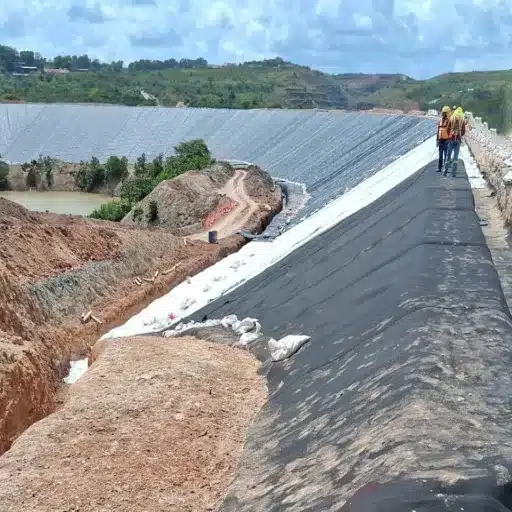
Thickness decisions are based on site-specific risk assessment by engineers. These five factors will determine whether your project needs 0.5 mm or 3.0 mm.
1. Subgrade Condition and Puncture Risk
The factors underneath the geomembrane play the biggest factor for thickness of the geoliner. Sheen compacted, smooth clay or fine sand means it can be thinner. Rocky and puncture-prone materials mandate that the geomembrane be composed of thicker material and, in some cases, geotextile cushioning. For better resistance to each penetration test of thickness increase by 0.5 mm, about 40–70% improvement is expected from ASTM D4833.
2. Mechanical Loads and Equipment Traffic
Is the heavy equipment going to operate on or over the liner during installation or service? Vehicle loads, including waste fill, aside from geotechnical load, and also structural pressures, are the reasons for having a greater thickness thus needed. Even for other factors, specify a thickness of not less than 1.5 mm in areas with vehicle traffic or deep waste fills.
3. Chemical Exposure and Leachate Aggressiveness
Aggressive industrial chemicals, concentrated leachate, and mining solutions can cause damage to HDPE in due course. Risky chemical environments will normally call for 2.0 mm or thicker to provide a safety margin big enough to last long-term in the face of these chemical attacks. Always verify every specific item of containment against the chemical.
4. UV Exposure and Design Life
Floating covers, sewage ponds, and pond liners exposed to UV would, over time, suffer from it. Hence, thick material is better for absorbing most of the polymer of the UV damage over time. To attain 20–30-year exposure service life, the thicknesses less than 1.5 mm are, realistically, too thin to be used. Buried liners with low UV exposure can use thinner specifications.
5. Regulatory and Tender Requirements
The minimum requirements of what thickness must be laid irrespective of the site on are imposed by several jurisdictions. In the U.S., EPA 40 CFR 258.40 calls for the adoption of landfill liners with a thickness of 1.5mm, whereas European standards give 1.5mm, and many of its national legislations offer minimum requirements of a similar measure as this. Always verify regulatory requirements before finalizing your project description.
The 1.5 mm Sweet Spot: Why 60 Mil Is the Industry Standard
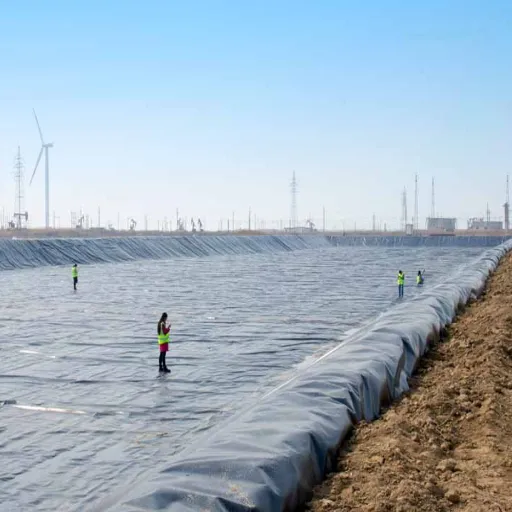
If you review a thousand geomembrane specifications, approximately 60% will specify 1.5 mm — the 60 mil HDPE geomembrane that has become the global industry standard. This is not a coincidence. The 1.5 mm thickness represents an optimal balance of performance, cost, and practicality.
Weldability Advantages
Thinner membranes can be difficult to weld consistently in field conditions. A 1.5 mm liner provides enough material depth for reliable double-track hot wedge welding while remaining flexible enough for proper alignment. Weld failure rates decrease measurably when moving from 1.0 mm to 1.5 mm.
Cost-Performance Balance
Each 0.5 mm increment increases material cost by 20–40%. At 1.5 mm, you gain substantially improved puncture resistance and weldability over 1.0 mm without the steep cost escalation of 2.0 mm. For most standard containment applications, this is the point of diminishing returns.
Regulatory Alignment
The U. S. minimum for landfill liners is 1.5 mm. Hence, the highest volume of this is produced by manufacturers. This increased production also means the quality consistency of the liner as it would reduce lead times and also be more competitively priced.
When does it make more sense to use a thicker liner? Specify 2.0 mm or thicker where there is a potential for damage caused by a hazardous chemical, when gravel is coarse, the slope is such that friction is high, or where it is required by regulation. When exactly might you go thinner? However, ponds, decorative features, or agricultural applications may make use of a 0.75–1.0mm liner in many prepared soil subgrades effectively.
For a detailed breakdown of how thickness affects total project cost, see our guide to HDPE geomembrane price and cost factors.
Common HDPE Geomembrane Thickness Selection Mistakes
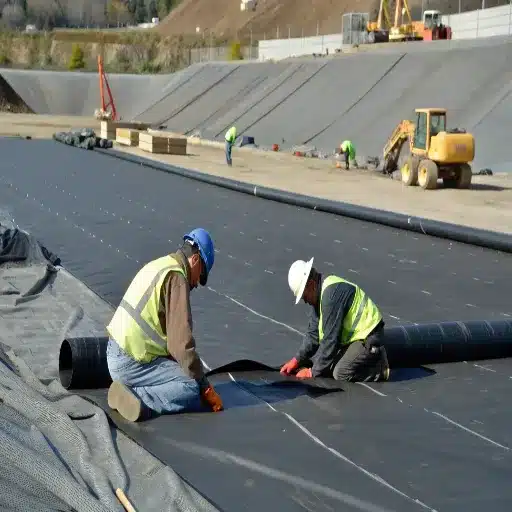
Even experienced engineers sometimes make these errors when specifying HDPE geomembrane thickness.
Over-Specifying Thickness
The most common mistake is assuming that thicker is always better. When a water treatment contractor in Brazil specified 2.0 mm for a standard municipal lagoon, he added $47,000 in unnecessary material costs. The site had a smooth, compacted clay subgrade, low chemical exposure, and no traffic loads. A 1.0 mm liner with proper CQA would have provided equivalent performance.
Ignoring Subgrade Preparation
Specifying thicker material to compensate for poor subgrade preparation is expensive and often ineffective. A 2.0 mm liner over sharp, angular rock can still puncture. The better solution is often proper subgrade preparation plus a protective geotextile, which costs less than upgrading two thickness grades.
Neglecting Protective Geotextile
A 200–400 gsm nonwoven geotextile beneath the geomembrane can reduce puncture risk equivalent to upgrading one full-thickness grade. For projects with moderate subgrade risk, geotextile plus standard thickness often outperforms thicker material alone.
Focusing Only on Material Cost
Thicker liners increase installation labor, too. Heavier rolls require more equipment to deploy. Thicker material is harder to position on slopes. The total installed cost difference between 1.5 mm and 2.0 mm can exceed 35% when labor and equipment are included.
Procurement Checklist: Specifying Thickness Correctly
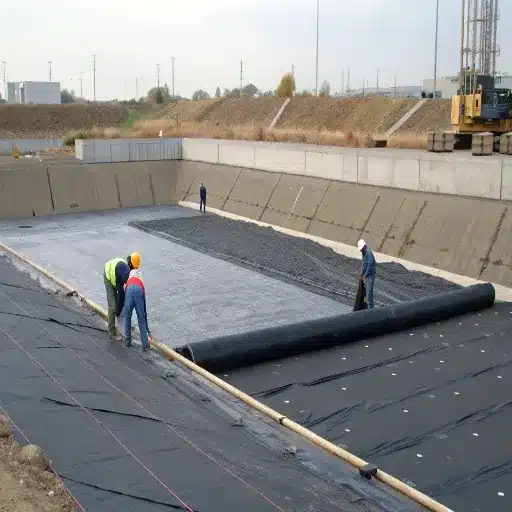
Use this five-step framework to ensure your HDPE geomembrane thickness specification delivers value.
- Define the application and risk level. Classify your project as low-risk (ponds, decorative), medium-risk (reservoirs, agricultural), or high-risk (landfills, mining, chemicals). This classification sets your baseline thickness range.
- Assess subgrade conditions. Document soil type, compaction level, and the presence of rocks or debris. If subgrade quality is poor, specify preparation requirements or protective geotextile before increasing thickness.
- Verify regulatory minimums. Check local, national, and project-specific regulations for mandated minimum thickness. Never specify below the regulatory requirements.
- Request third-party thickness verification. Require mill test reports and third-party laboratory verification confirming that the minimum measured thickness meets the 10% tolerance allowed by GRI-GM13. Random spot checks at receipt are recommended for large orders.
- Plan for construction quality assurance. Your CQA plan should include pre-installation subgrade verification, witnessed welding, and post-installation thickness spot checks at seam locations. See our geomembrane CQA testing guide for detailed protocols.
Ready to move from specification to procurement? Request a technical quote with your project details, and our team will recommend the optimal thickness, grade, and delivery schedule.
Frequently Asked Questions
What is the minimum thickness for HDPE landfill liners?
The USA seemed to have adopted in principle the basis established by EPA 40 CFR 258.40, which mandates a minimum thickness of 1.5 mm of geomembrane in a primary liner for Municipal Solid Waste landfills. While many states and foreign jurisdictions establish only the minimum regulatory evidence, they often require an extra 2.0 mm of thickness for hazardous wastes, steep slopes, and so forth.
How do I convert HDPE geomembrane thickness from mm to mil?
A mil is equivalent to 0.025 mm or 25 thousandths. As an example of standard industry conversions, 0.5 mm = 20 mil, 1.0 mm = 40 mil, 1.5 mm = 60 mil, 2.0 mm = 80 mil, and 3 mm = 120 mil per side. The first and foremost thing that needs to be noticed is which unit is used.
Is a thicker HDPE geomembrane always better?
As the puncture resistance and fixation increase to the fullest, it provides no benefit of using thicker material. For every 0.5mm increase in material, it will escalate the costs by around 20% to 40% but doesn’t provide any return for low-risk items, like in an agricultural pond. Rather, the thickness of the material must be selected according to the risk posed by the current project.
What is the difference between nominal and minimum thickness?
The stated target value at actual thickness or average value is ideal with nominal thickness. The minimum thickness is the least acceptable thickness of the membrane and it needs to be within 10% of the nominal value according to GRI-GM13. Thus, a 1.5 mm nominal liner should at least measure 1.35 mm at all points tested.
Can I use a protective geotextile instead of thicker HDPE?
Yes, most of the time it can. For cap protection, put in a 200-400 gsm nonwoven geotextile an approximately identical puncture value, one grade higher than the equivalent thickness. This is often the cheapest solution for relatively risky subgrade problems.
Conclusion
This Geomembrane Thickness Specification states that Geomembranes are not only about finding the thinnest material that will suit your budget. You must measure thickness in terms of the project risk profile, regulatory requirements, and the total cost of ownership.
For most regulated containment jobs, the standard is 1.5 mm. It gives the weldability, puncture resistance, and regulatory compliance that a landfill or mining engineer would require-or so the claim goes. For lower risks, projects can achieve everything shielded from 0.75 to 1.00 mm at costs much less than the cost mentioned for high-risk issues inside mining and industry by 2.0 to 3.0 mm.
The right thickness of HDPE lining provides a balance between risks, regulations, or budgets. This is all about what the subgrade can handle, rather than what a dealer can deliver. Consider everything else: risk of piercing, loads, chemicals, and regulations. Let your selection briefly land on the determined value without any excesses.
If you need engineering guidance on thickness selection, test data, or a customized quotation for your next project, contact Shanxi Shengxing today. We supply HDPE geomembranes from 0.5 mm to 3.0 mm with full third-party thickness verification, GRI-GM13 compliance, and technical consultation to help you specify with confidence.